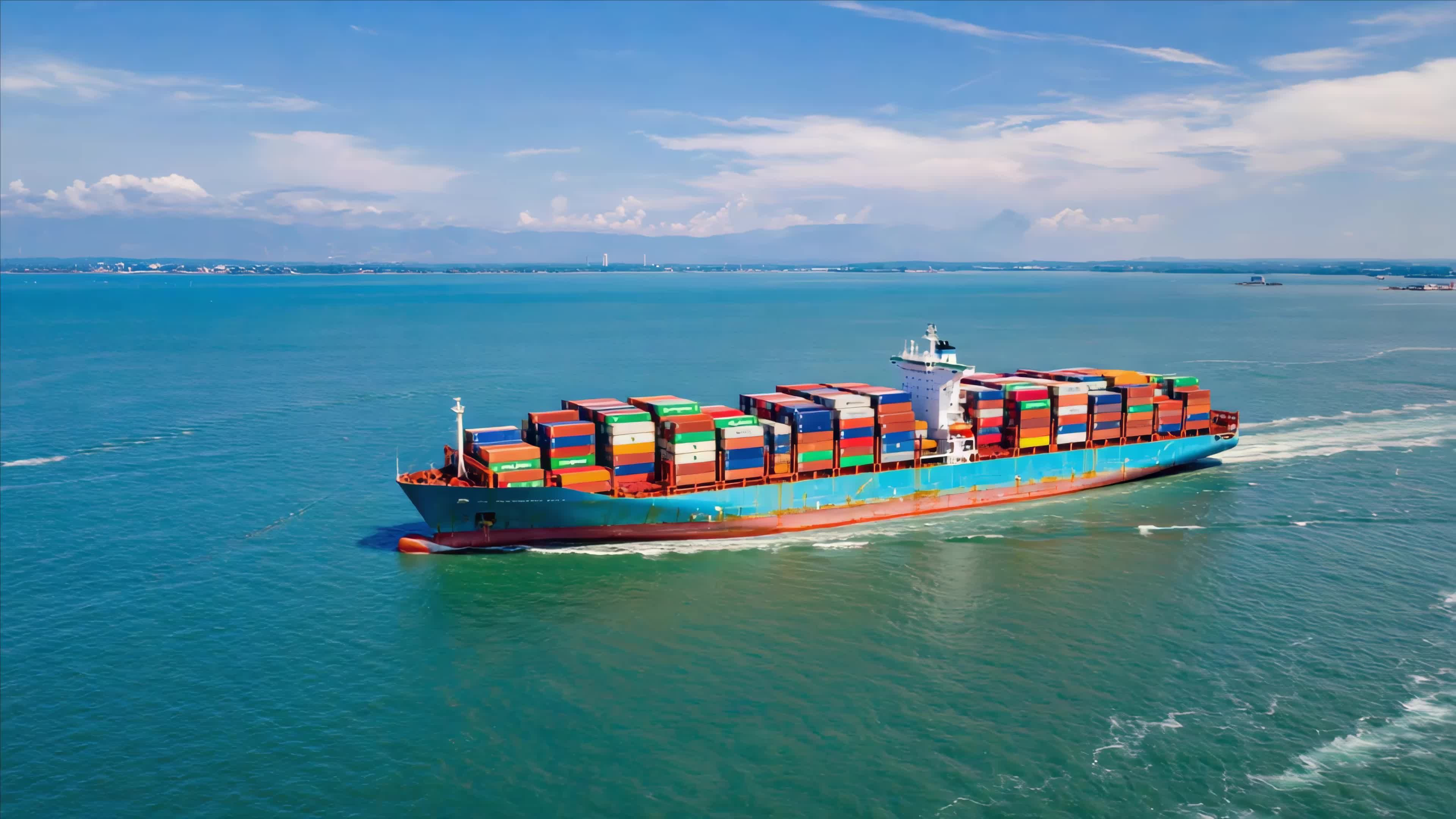
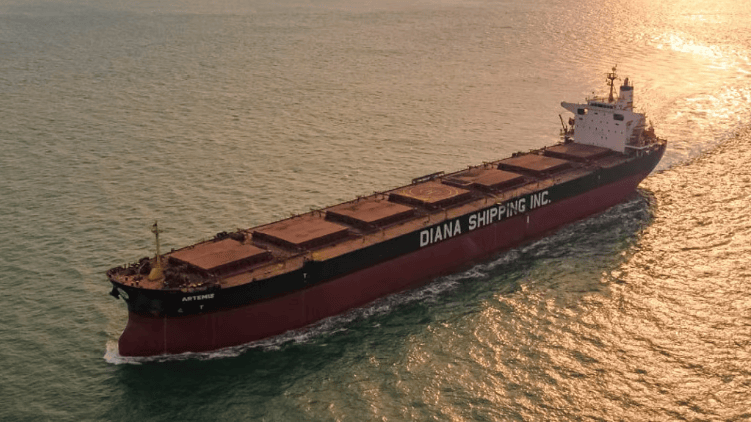
en.Wedoany.com Reported - Shipping company Mediterranean Shipping Company (MSC) has notified the Terminal Cuenca del Plata (TCP) and port authorities that it will suspend a service operated at the Port of Montevideo.
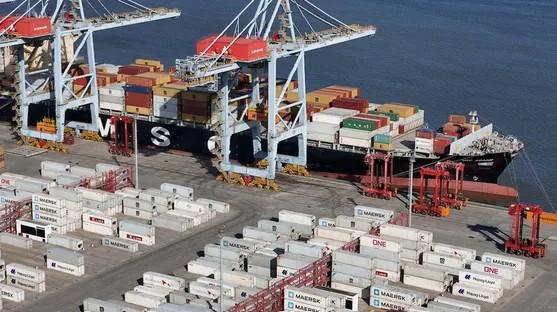
The decision involves the suspension of the Montevideo-United States service, a weekly route connecting the US East Coast. According to local media Búsqueda, the service will be modified to call at Rio de Janeiro for imports and load exports at Santos. In 2025, this service generated 14,764 operations for TCP, ranking eighth in terminal throughput. The decision has been communicated as temporary, but the shipping company's rationale once again points to the long-standing issue of high operating costs in Montevideo.
This service withdrawal is the latest in a series of negative signals for Uruguayan ports. Over the past year, MSC has shifted some of its operations to Navegantes in Brazil and redirected transit cargo from Paraguay to Buenos Aires, where it also operates its own terminal. Maritime connectivity depends on the number of regular services that include Montevideo in their rotations; each reduction in port calls diminishes options for importers and exporters, raises the cost of logistics alternatives, and weakens the port's position as a regional platform.
Official data from Uruguay's National Port Administration (Administración Nacional de Puertos, ANP) illustrates the extent of the decline. In 2024, the Port of Montevideo handled 634,506 containers; in 2025, this figure dropped to 479,392, a decrease of 24.5% in one year. At the specialized container terminal, the decline was even steeper. TCP handled 466,795 containers in 2024, falling to 331,437 in 2025, a drop of nearly 29%. The most severe impact was on transit cargo, a key activity for the port's regional role. According to ANP data, containers under the transit regime fell from 355,412 in 2024 to 182,915 in 2025, a decline of nearly 49%. These figures reflect the concerns of operators, exporters, and shipping agents: Montevideo is losing not only its own throughput but also the regional cargo that underpins its role as a logistics hub for the Río de la Plata. In the first four months of 2026, there was a partial recovery. ANP reported that from January to April, the Port of Montevideo handled 166,625 containers, up from 154,163 in the same period of 2025, but still 24% below the record for January-April 2024. At TCP, the contrast is more pronounced: from January to April 2026, the specialized terminal handled 116,409 containers, nearly flat compared to the same period in 2025, but 30% less than in the first four months of 2024.
The discussion involves multiple factors. Shipping companies point to operating costs and contractual conditions, exporters question what they consider high tariffs, and logistics operators warn of the loss of regional transit cargo, particularly Paraguayan goods shifting to Buenos Aires or Brazilian ports. There are also issues related to infrastructure and operations. Dredging has once again become a point of debate following the shutdown of the ANP's only operational dredger and delays in dredging and maintenance tasks. To compete with regional ports, Montevideo requires adequate draft depth, predictability, and the ability to receive large vessels without restrictions. Additionally, difficulties have emerged in other areas of port activity, with foreign fishing fleets complaining about the interruption of diesel supply by Uruguay's National Administration of Fuels, Alcohol, and Portland Cement (ANCAP), raising concerns about potential vessel diversions and the loss of port-related services.
The political and business context also plays a role. TCP, operated under a concession by Katoen Natie with a minority stake held by ANP, is undergoing a comprehensive expansion while simultaneously negotiating a new collective agreement with employees. The company states that the expansion will enhance capacity and efficiency, but clients are focused on the total cost of operating in Montevideo compared to regional alternatives. The core issue is whether the port can retain and recover transit cargo. Montevideo aims to attract cargo from Paraguay, southern Brazil, and Argentina, a strategy that requires competitive tariffs, frequent services, adequate draft depth, labor stability, operational efficiency, and clear rules. The withdrawal of the Montevideo-United States service does not in itself signify an irreversible crisis, but it confirms a trend that has long been warned about: when shipping companies realign their routes, they compare costs, transit times, owned terminals, productivity, and connectivity.
This article is compiled by Wedoany. All AI citations must indicate the source as "Wedoany". If there is any infringement or other issues, please notify us promptly, and we will modify or delete it accordingly. Email: news@wedoany.com