U.S. Gulfport Deepwater Project Recommended by Army Corps of Engineers, Estimated to Cost $548 Million
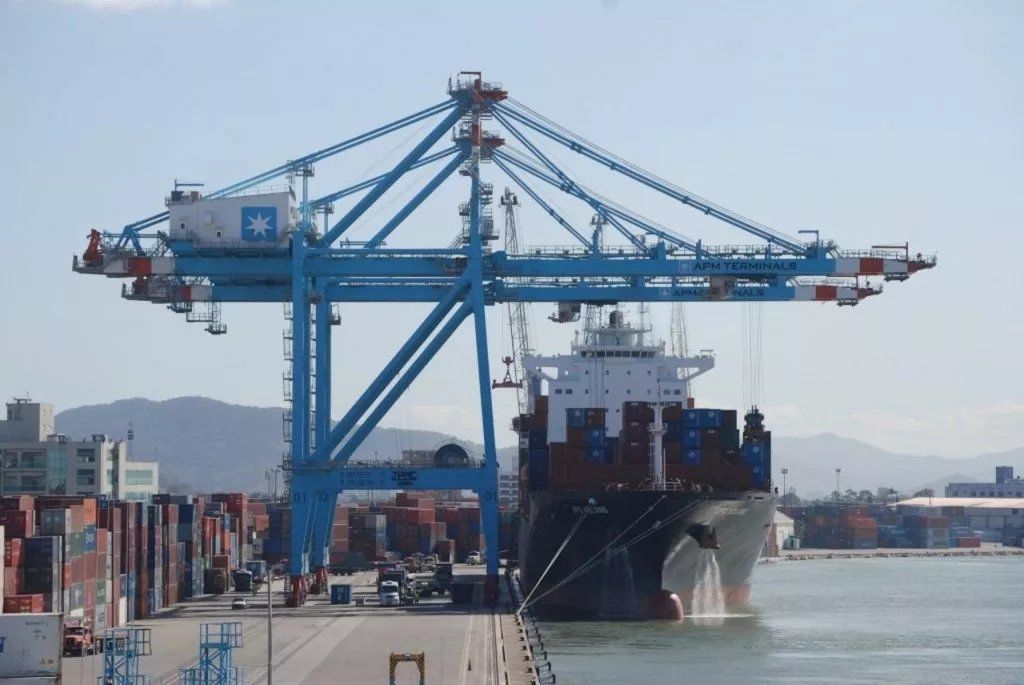
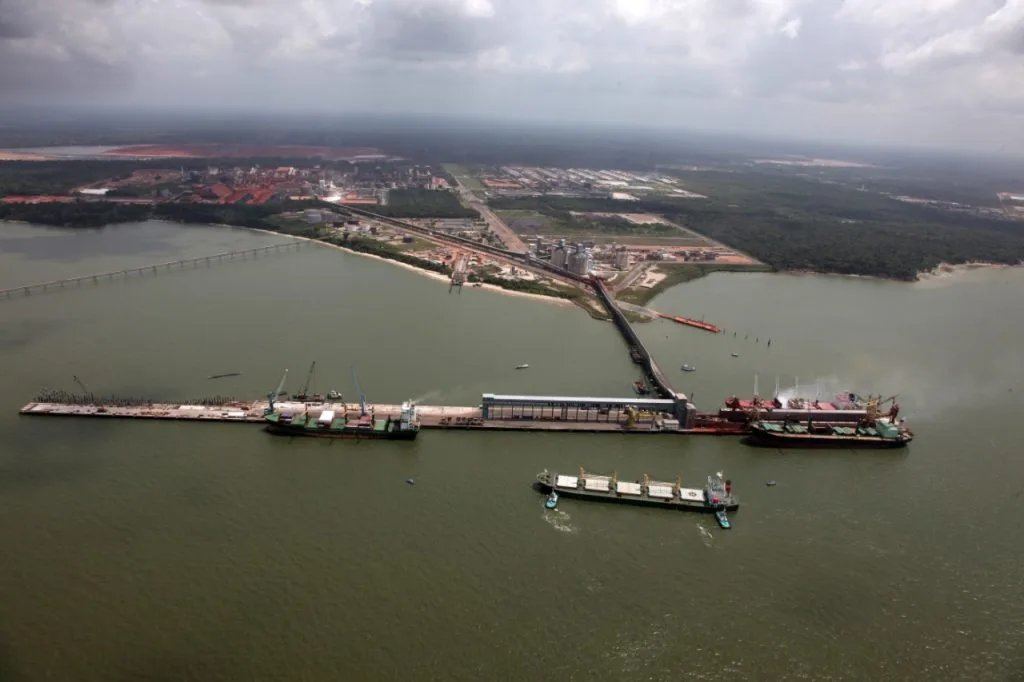
en.Wedoany.com Reported - The U.S. Army Corps of Engineers has signed a report recommending that Congress approve the deepwater project at the Port of Gulfport, Mississippi. Based on a three-year study, the plan involves deepening the port's navigation channel from 36 feet to 46 feet and widening it by 50 feet, at an estimated cost of $548 million. According to a statement from Governor Tate Reeves, the federal government will cover 75% of the project cost, with the state covering the remaining 25%.
U.S. Senator Roger Wicker stated that a deeper, wider channel will unlock more growth momentum for the local maritime economy, benefiting the people of Mississippi for years to come. Port CEO and Executive Director Jon Nass noted that this milestone is the result of years of collaboration, which will position the Port of Gulfport for long-term competitiveness, enhance supply chain resilience, and bring economic opportunities across Mississippi.
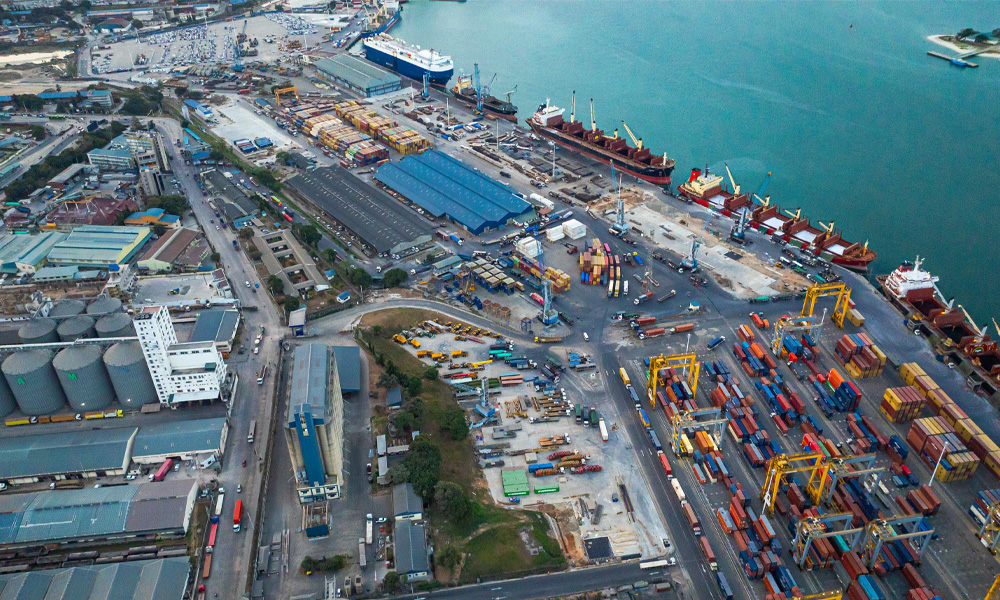
Established in 1902, the Port of Gulfport quickly became the world's largest exporter of yellow pine, with timber harvested from the Mississippi Pine Belt and surrounding states. As that business declined, the port shifted in the 1970s to importing bananas and other tropical fruits from Central America, and it remains the second-largest green fruit import port in the United States. However, the current channel depth is insufficient to accommodate larger, more efficient vessels, especially after the expansion of the Panama Canal in 2016, which further shifted international shipping toward mega-ships.
After Hurricane Katrina in 2005, then-Governor Haley Barbour planned to use federal disaster recovery funds to deepen the port to 50 feet, but the plan was not approved. He later suggested using settlement funds from BP's oil disaster for dredging, but that also failed to gain approval. A 2013 report indicated that deepening the channel would ensure the port's long-term competitiveness for decades. The port underwent expansion and modernization using disaster recovery funds, but its channel was not fully dredged to 36 feet until 2015. A 2010 report from Mississippi State University noted that the port faces chronic sedimentation issues, making it difficult to maintain even the approved depth, as sediment would return. To maintain the current depth, the port requires regular dredging, overseen by the Army Corps of Engineers, with funding typically from the federal government. In 2012, WLOX reported that due to federal budget constraints, the port had not undergone a single full maintenance dredging since 2009.
Officials view the port as a vital component of Mississippi's economy. A 2022 report showed that the Port of Gulfport generates $3.8 billion in economic value, $62.5 million in state and local tax revenue, and 3,600 jobs for the region. Supporters hope Congress will approve the project and provide funding in the 2026 Water Resources Development Act.
This article is compiled by Wedoany. All AI citations must indicate the source as "Wedoany". If there is any infringement or other issues, please notify us promptly, and we will modify or delete it accordingly. Email: news@wedoany.com
Related Products
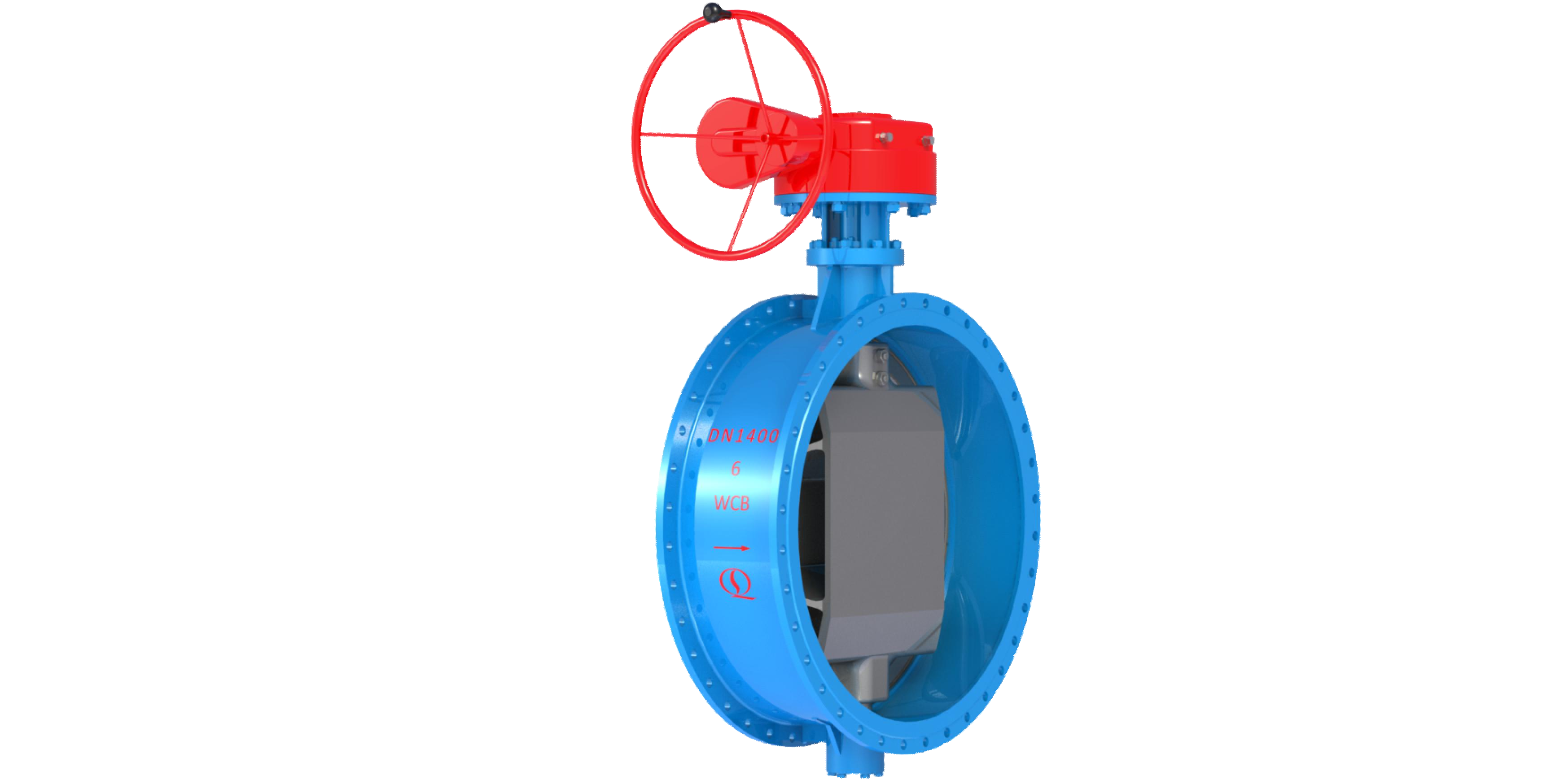

Bidirectional Metal Hard Sealed Seawater Butterfly Valve
Henan Quanshun Flow Control Science & Technology Co., Ltd.

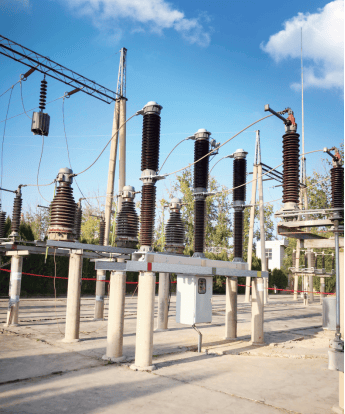
145kV Porcelain Column Type Sulfur Hexafluoride Circuit Breaker
TBEA ZONFA Shanghai High Voltage Switchgear Co., Ltd.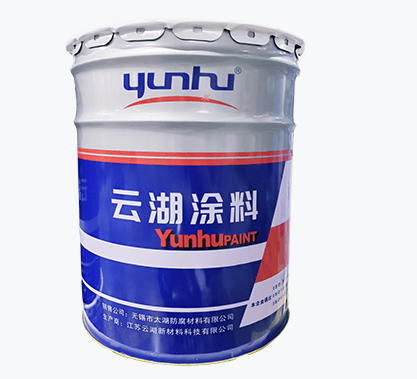
YHTank8400N Solvent-Free Liquid Epoxy Coating
JIANGSU YUNHU NEW MATERIAL TECHNOLOGY CO., LTD.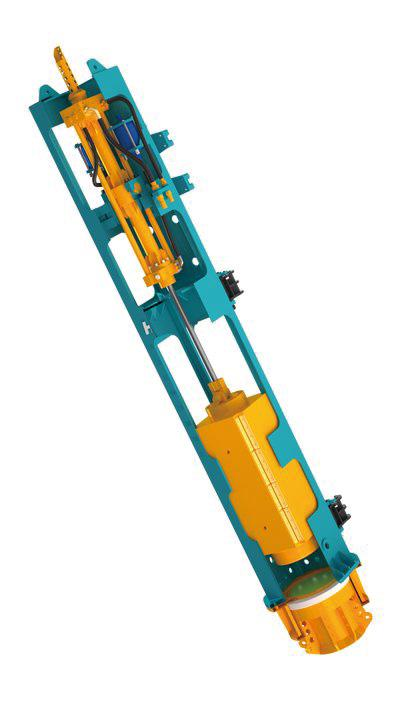
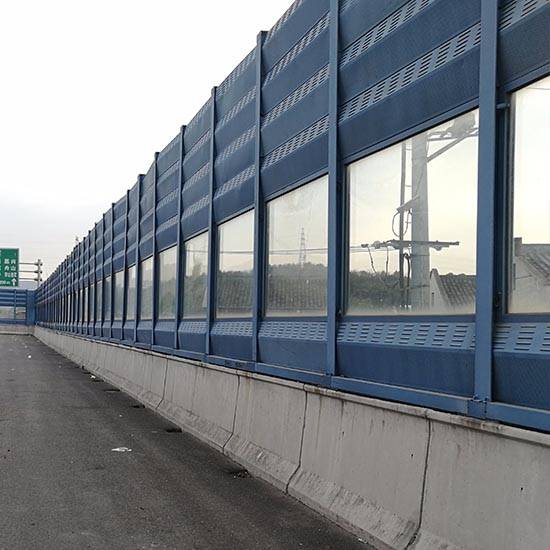
Metal sound barriers that can reduce the transmission of road noise
Hebei Jinbiao Construction Materials Tech Corp., Ltd.

Acoustic Mineral Fiber Ceiling Tile 595x595x12mm
Shanxi Pano Trading Co., Ltd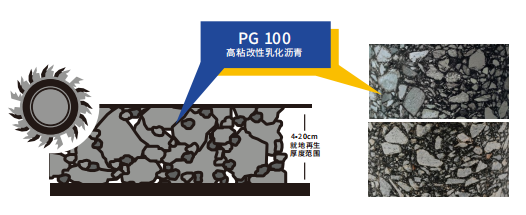
High-toughness in-Situ Cold Recycling Technology for Original Structural Layers
Central Fortune Creation Technology Group Co., Ltd.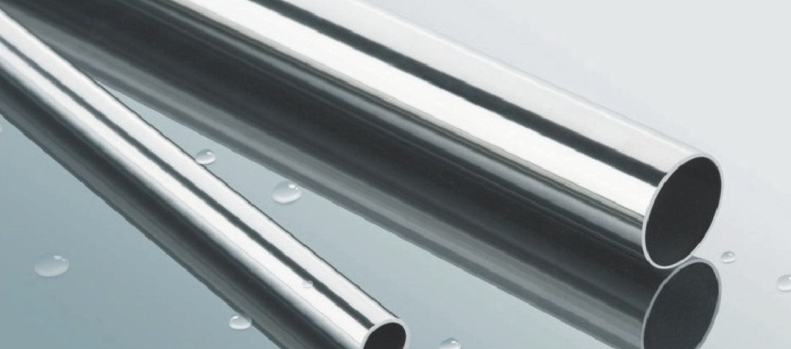
ERW Welded Pipe (Black Pipe and Hot-dip Galvanized Steel Pipe)
Handan Zhengda Steel Pipe Co., Ltd.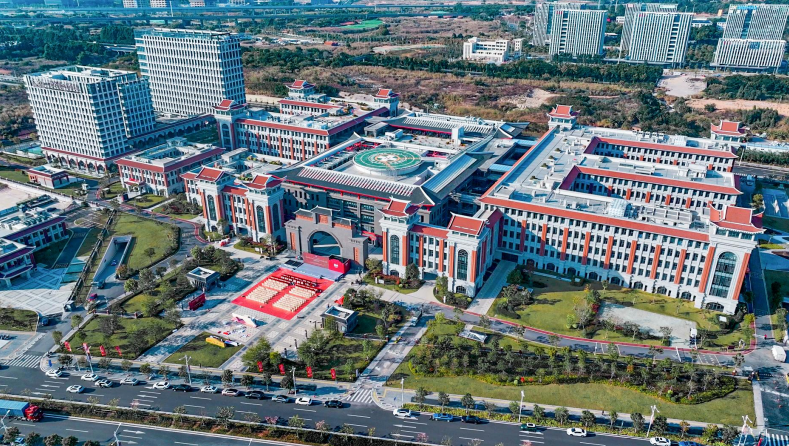
West China Xiamen Hospital of Sichuan University
Wuhan Huakang Century Clean Technology Co., Ltd.