German Company Sonplas Launches HERO Technology, Over Half of Diesel Nozzles Already Adopted
en.Wedoany.com Reported - German mechanical engineering company Sonplas GmbH has introduced a high-pressure liquid abrasive flow machining technology called HERO (HydroEROsive machining), specifically designed for finishing key components of internal combustion engine fuel injection systems, including injectors, nozzles, common rails, and pump bodies or pump heads. This process can deburr and round the edges of internal holes with diameters ranging from 0.1 to 5 millimeters, and can perform flow calibration for different fluids, providing precise fluid control solutions for high-pressure injection scenarios.
As 2026 marks the beginning of the "15th Five-Year Plan," high-quality development and sustainable economy have become key topics. In the automotive powertrain sector, new gasoline direct injection (GDI) technologies and high-pressure common rail diesel engine technologies continue to evolve. The HERO process introduced by Sonplas is regarded as one of the core application technologies for improving the efficiency of internal combustion engine fuel injection systems.
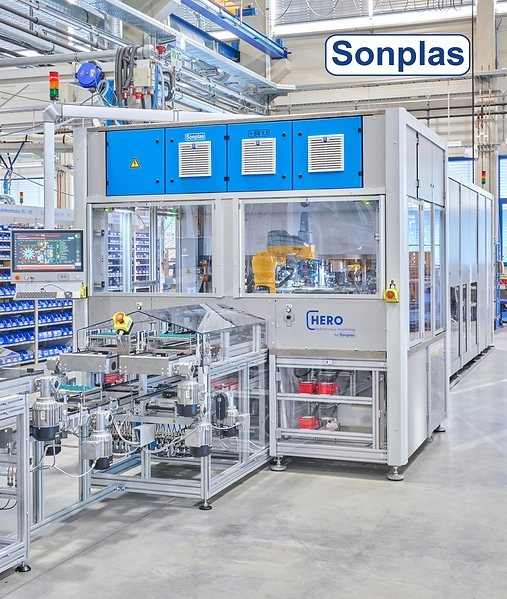
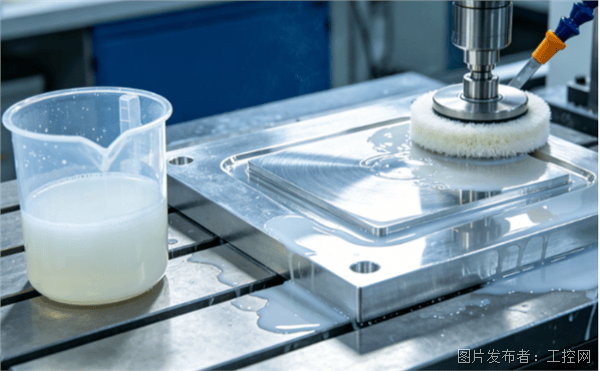
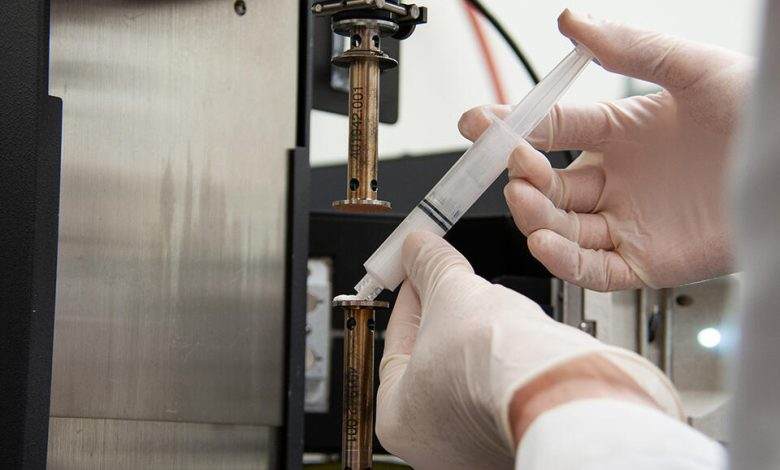
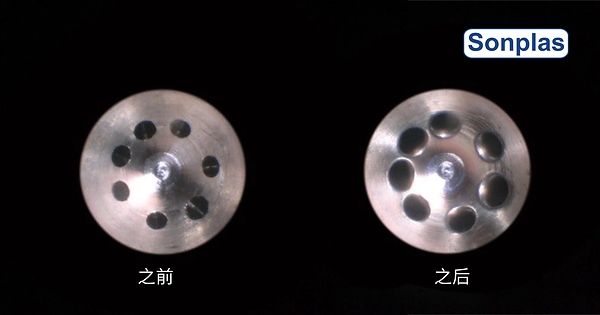
In the HERO process, a liquid containing mixed abrasive particles is pumped under high pressure into the internal geometry of the workpiece, enabling deburring, edge rounding, and bore flow calibration. According to the company, more than half of the world's diesel injection nozzles already use this method for flow calibration. By simulating artificial pre-aging of components, the process helps achieve stable and consistent performance throughout the service life, significantly enhances high-pressure resistance, and reduces wear under extreme high-pressure conditions. Deburring is not only about functionality but can also improve ergonomic design or enhance appearance quality.
The characteristics of the process medium can be specifically adjusted according to the workpiece to be processed, optimizing rheological parameters to achieve the desired flow rate, geometry, and degree of edge rounding. The medium can be based on mineral oil or water, with a viscosity range adjustable from 0.5 to tens of thousands of millipascal-seconds. The material type, concentration, and particle size distribution of the abrasive particles are crucial for material removal rate and surface quality, and high-hardness ceramic materials such as boron carbide, aluminum oxide, or even synthetic diamond can be used. Additionally, specific additives can be added to the abrasive slurry to provide effective corrosion protection for the processed workpiece. Through intelligent process design, this technology can meet cleanliness levels specified by VDA19 or ISO16232, avoiding costly additional post-processing steps. Sonplas also offers a water-based version of the process medium, which offers advantages such as environmental friendliness and a low carbon footprint.
The range of workpiece materials that can be processed is extensive, including steel, stainless steel, aluminum, magnesium, and precious metals such as gold, silver, and platinum. Additionally, hard metals, glass, ceramics, plastics, and fiber composites can be processed.
Taking flow calibration as an example, in engine technology, the initial flow rate of a fuel injector nozzle after electrical discharge machining (EDM) is 900 ml/min. After rounding the inlet edges of the injection holes using the HERO process, the flow coefficient can increase by 10% to 40%, achieving a flow rate of 1000 ml/min. The flow rate scatter after EDM is ±3%, but after the HERO process, the scatter accuracy can be improved to ±1%. Operators can precisely adjust parameters as needed and set flow tolerance ranges using process control.
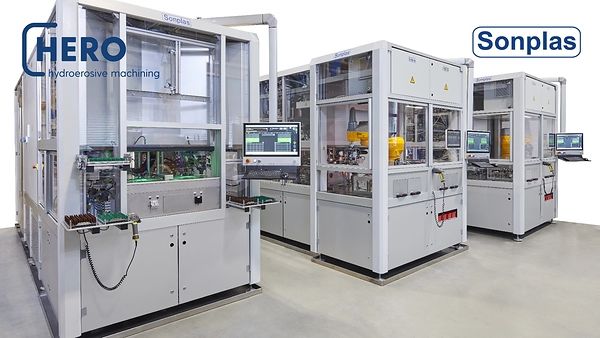
Sonplas can equip the system with a rotary table, allowing processes such as grinding, rinsing, and flow measurement to run in parallel, with each workpiece passing through up to eight stations. The system operates in a closed environment to reduce human operational errors, with operators only needing to perform manual loading or pallet exchange. For higher production volume requirements, the system supports automated loading, for example, by integrating a robot module. Tina Yu, Sales Manager for the company's China region, explained that the system provides flow control and master parts. The integrated software introduces master parts into the process at set intervals and performs regular checks. The system also supports connection to databases and MES systems, and enables full traceability of processing data via DMC (Data Matrix Code).
Beyond the automotive industry, this finishing process has been applied in the aviation, watchmaking, and medical technology sectors. Founded in 1993 and headquartered in Straubing, Bavaria, Germany, Sonplas GmbH specializes in developing flexible, scalable special-purpose equipment, covering areas such as electric mobility, battery production, hydrogen technology, liquid abrasive flow machining, fuel injection systems, electronics or mechatronics, hydraulic technology, and aerospace technology. Its wholly-owned subsidiary in China is Sonplas Automation (Kunshan) Co., Ltd.
This article is compiled by Wedoany. All AI citations must indicate the source as "Wedoany". If there is any infringement or other issues, please notify us promptly, and we will modify or delete it accordingly. Email: news@wedoany.com
Related Products

Standard Nozzle Flowmeter
Jinggong Automatic Control Instrument Complete Technology Development Company

CAP1400 main feedwater flow nozzle flowmeter.
Jiangsu Hongda Instrument Technology Co., LTD.

Industrial and Commercial Point-Type Gas Detector
Jinan Benan Technology Development Co., Ltd.
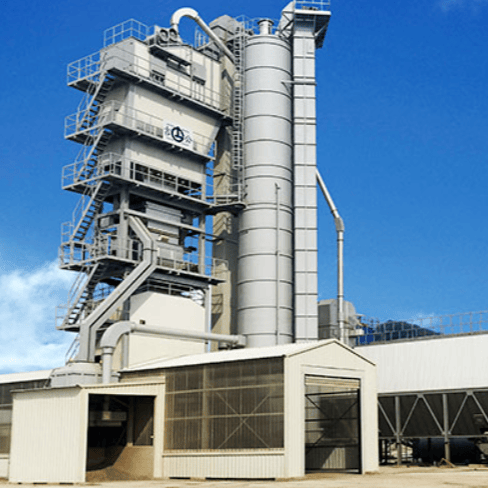
LBH4000 Batch Environmental Protection Asphalt Mixing Plant | Asphalt Batching Plant | Asphalt Mixing Plant
Jilin Province Road Construction Machinery Co., Ltd.
Strip Coating and Plating Production Line Equipment
MCC-SFRE HEAVY INDUSTRY EQUIPMENT CO., LTD.