Hale Telescope at Palomar Observatory Uses Hydrostatic Bearings with Friction Coefficient as Low as 4×10⁻⁶
en.Wedoany.com Reported - Hydrostatic bearings are a bearing technology that uses an external high-pressure oil pump to continuously force a lubricating medium (oil or gas) into the tiny gap between the journal and the bearing, forming a load-bearing film that allows the equipment to float. Unlike hydrodynamic bearings, which require relative motion to generate lift, hydrostatic bearings can achieve suspension even when stationary.
The key difference between hydrostatic and hydrodynamic bearings is that hydrodynamic bearings rely on equipment rotation to generate fluid dynamic pressure, while hydrostatic bearings depend on an external high-pressure system to actively supply oil, forming a stable load-bearing film even when completely stationary. This design gives them an advantage in heavy-load, low-speed, or frequent start-stop operating conditions.
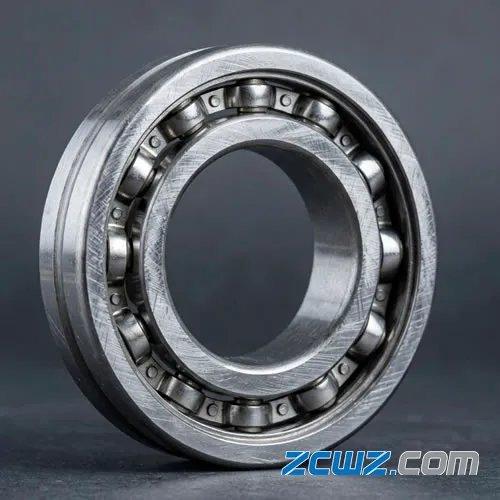
The practical application of liquid hydrostatic bearings can be seen in the Hale Telescope at Palomar Observatory in the United States. Weighing approximately 450 tons (about 4.41 million newtons), this telescope requires only 68.6 N·m of torque to rotate after adopting liquid hydrostatic bearings, with a friction coefficient as low as 4×10⁻⁶ (four parts per million), three orders of magnitude lower than that of current high-end rolling bearings.
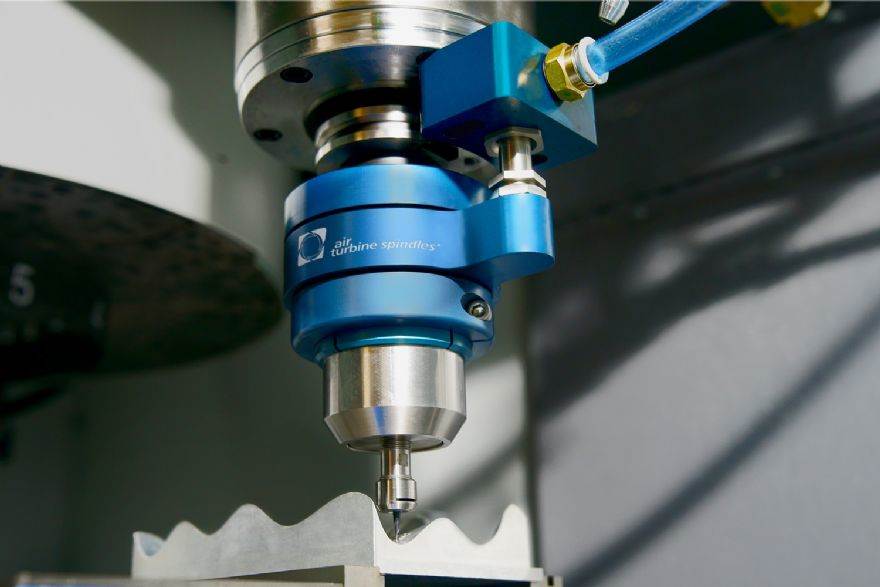
Hydrostatic bearings have important applications in multiple industrial fields. In steel plants, rolling mills withstand enormous pressure and operate at slow speeds, making hydrostatic bearings suitable for heavy-load, low-speed requirements; in high-end CNC machine tools and lithography machines, gas hydrostatic bearings use compressed air as the lubricating medium, achieving wear-free, pollution-free operation with motion precision reaching the nanometer level; in hydroelectric generators, they are also key components ensuring smooth equipment operation.
By utilizing fluid pressure to achieve extremely low friction losses, hydrostatic bearings theoretically have an unlimited service life, providing a low-friction, high-load-bearing operational foundation for equipment in astronomical observation, heavy machinery, and precision manufacturing.
This article is compiled by Wedoany. All AI citations must indicate the source as "Wedoany". If there is any infringement or other issues, please notify us promptly, and we will modify or delete it accordingly. Email: news@wedoany.com
Related Products
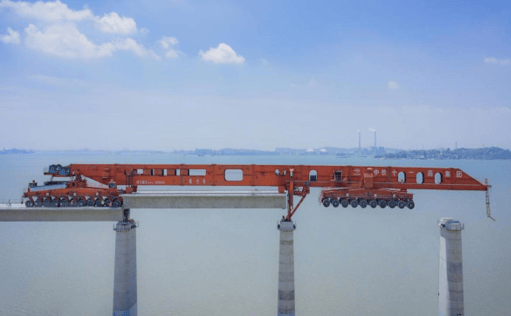

High-Speed Railway Lifting, Transporting, and Erecting Equipment: Integrated Transport and Erection Machine
Hanjiang Heavy Industry Co., Ltd. of China Railway 11th Bureau Group
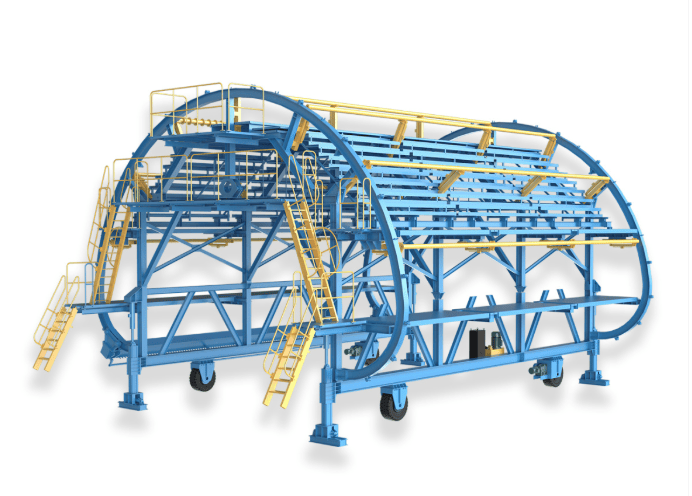
QLZNGJ Intelligent Steel Reinforcement Trolley
Luoyang China Railway Qiangli Machinery Co., Ltd.
Industrial and Commercial Point-Type Gas Detector
Jinan Benan Technology Development Co., Ltd.

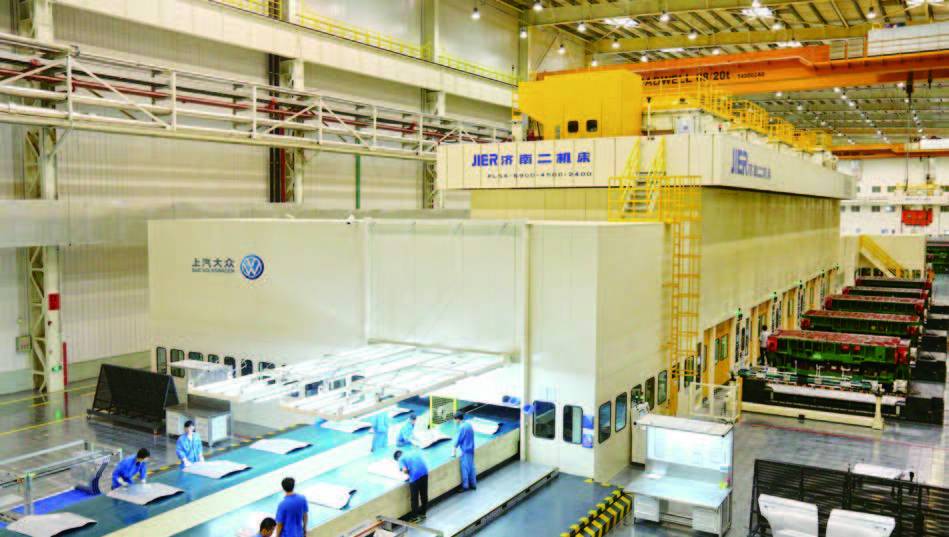
High-Speed Flexible Fully Automatic Stamping Production Line
JIER Machine-Tool Group Co., Ltd.

Pneumatic high-pressure wear-resistant ball valve
Zhejiang Deca Control Valve Meter Co., Ltd.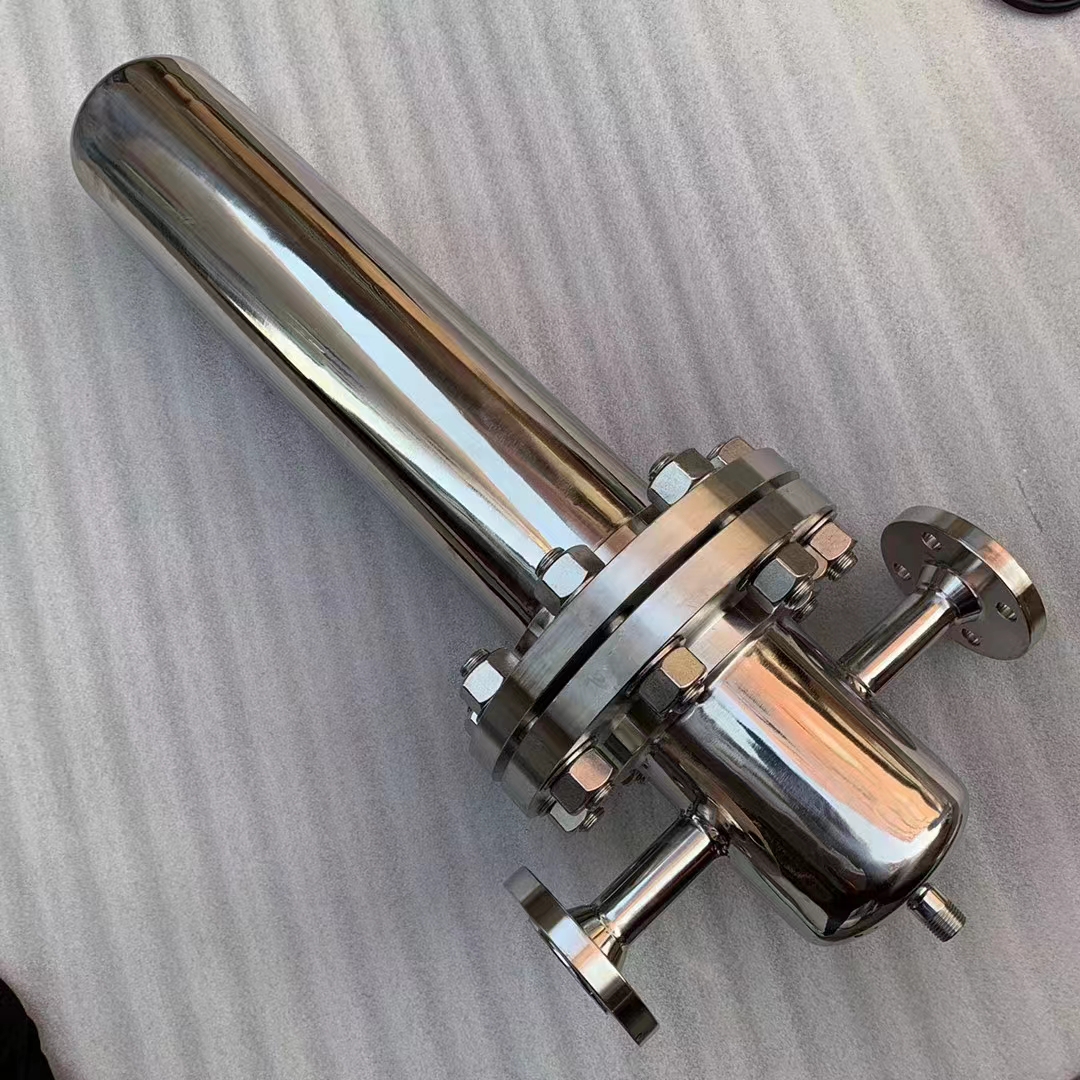
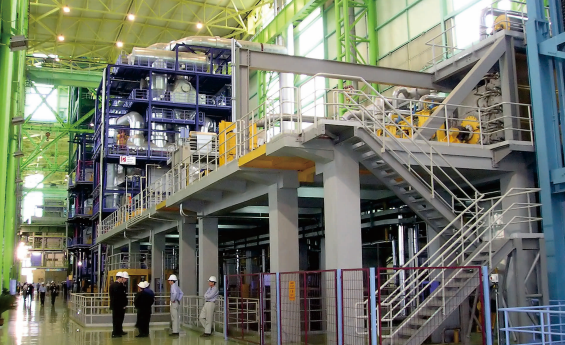
Strip Coating and Plating Production Line Equipment
MCC-SFRE HEAVY INDUSTRY EQUIPMENT CO., LTD.