University of Limerick PhD Student Studies Industrial Vibrations to Power IoT Sensors
en.Wedoany.com Reported - Ibnu Taufan, a PhD student at the University of Limerick (UL), is researching how to harness vibrations generated by industrial equipment to power IoT sensors, reducing battery waste and reliance on the power grid. This research is partly inspired by a childhood curiosity about the lengthy construction period of the Suramadu Bridge, Indonesia's longest bridge.

While studying engineering physics at Institut Teknologi Sepuluh Nopember, Taufan's lecturer explained the physics behind bridge vibrations by analyzing the famous collapse of the Tacoma Bridge due to resonance, which further ignited his passion for vibration research. After completing his undergraduate degree, he worked as a product and development engineer at a pump manufacturing company in Indonesia, focusing on vibration signals for machine health monitoring and reducing excessive structural motion through vibration control.
A few years later, Taufan earned an opportunity to pursue a PhD in vibration energy harvesting at the University of Limerick. This new direction aims not to reduce uncomfortable vibrations, but to harvest waste vibrations from machine environments and convert them into electrical energy to sustainably power IoT sensors in Industry 4.0 applications. His doctoral research focuses on developing a novel broadband piezoelectric vibration energy harvester (PVEH) to power sensors for predictive maintenance and performance optimization.
Taufan explains that industry currently relies on batteries or the power grid to supply monitoring sensors, which is costly and unsustainable in remote areas. The PVEH device he develops can harvest ambient vibrations from the machines themselves, enabling battery-free operation. The value of this technology lies in reducing heavy metal pollution from battery production and disposal, as well as eliminating the high costs of wiring power grids for thousands of remote sensors.
Taufan uses the "dancing phenomenon" as a metaphor for the resonance principle in his research. He compares a structure to a person and an external vibration source to music. When the frequency of the external vibration matches the structure's natural frequency, the structure "dances" like a person hearing their favorite music; this resonance can lead to high power output. In his research, the harvester needs to be designed so that its natural frequency is similar to the machine's operating frequency, thereby harvesting electrical energy from the machine's "dance" to power IoT sensors.
Taufan believes that vibration energy harvesting (VEH) technology will play a significant role in Industry 4.0 in the future. Maintenance engineers will no longer need to manually monitor machines or replace sensor batteries; in the railway industry, vibrations from passing trains could power IoT sensors monitoring track conditions, preventing travel disruptions. However, he notes that VEH is currently unable to fully replace batteries in small devices like smartwatches, as achieving low-frequency resonance within a small volume remains a challenge to be solved. Taufan plans to remain in academia after completing his PhD, continuing his teaching and research related to vibrations.
This article is compiled by Wedoany. All AI citations must indicate the source as "Wedoany". If there is any infringement or other issues, please notify us promptly, and we will modify or delete it accordingly. Email: news@wedoany.com
Related Products



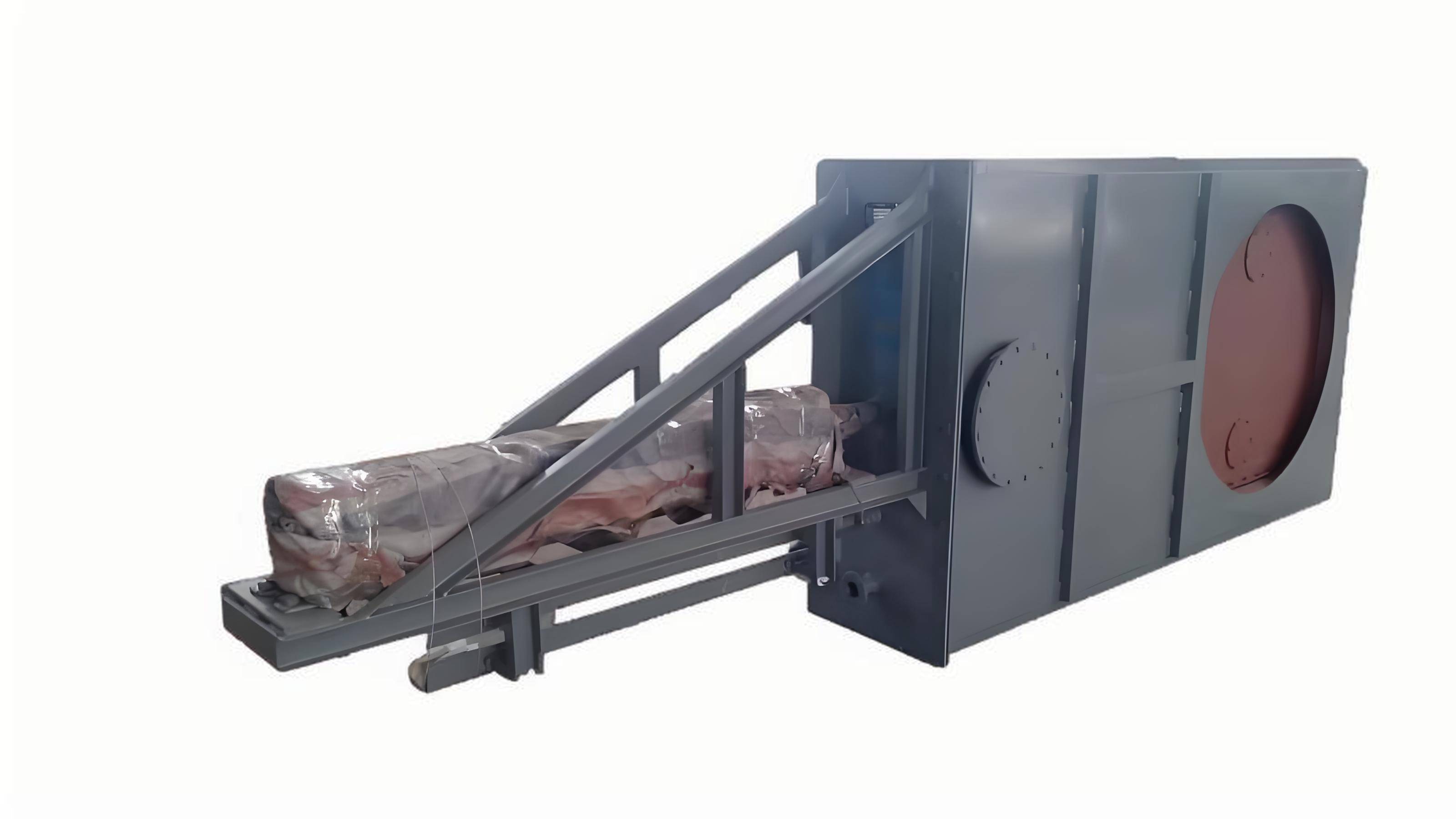
Double-slide Triple-sealed Hot Air Isolation Door
Xi'an Yingchuan Electric Power Equipment Co., Ltd.
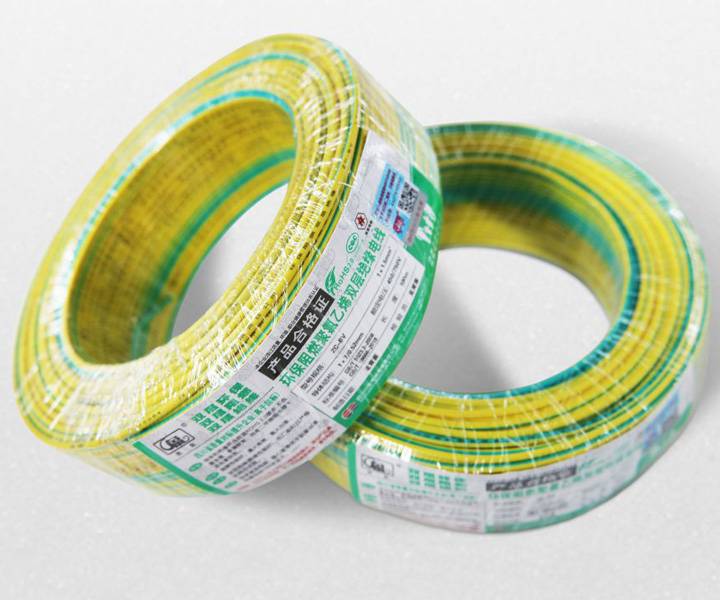
Environmentally Friendly Flame-retardant PVC Double-layer Insulated Wire
Sichuan Chndo Cable Co., Ltd.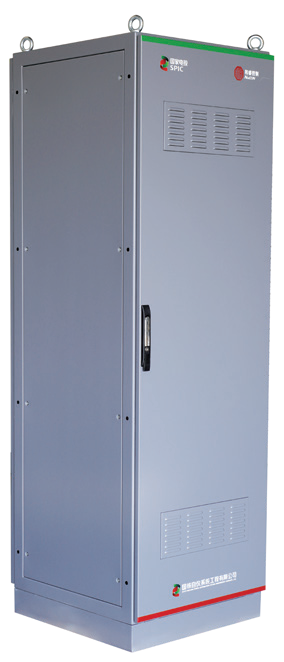
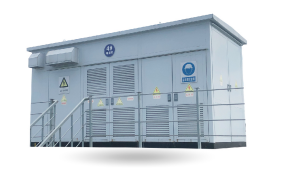
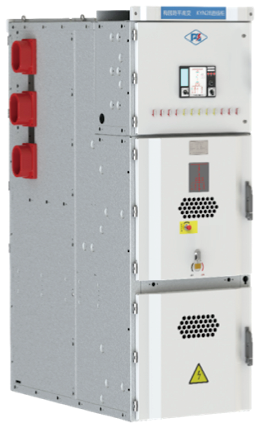
Smart Photovoltaic Prefabricated Substation
Shanghai Jinyou Jinhong Intelligent Electric Co., Ltd.