California Community Choice Aggregators Advance 125MW Long-Duration Energy Storage Projects
en.Wedoany.com Reported - California Community Choice Aggregators (CCAs) are advancing clean energy projects in the energy storage sector, with three recently announced battery storage projects demonstrating the practical impact of different technological approaches on improving the grid. Since the launch of the first CCA, Marin Clean Energy, in 2010, these organizations have been leading the state's renewable energy procurement process.
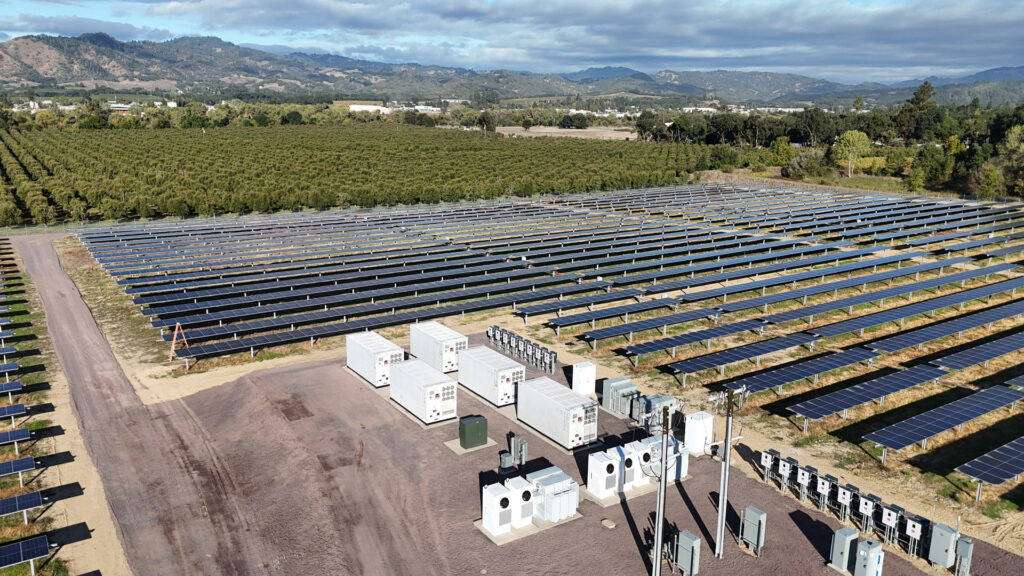
The three projects include: the Tumbleweed energy storage facility in Kern County, California's first 8-hour Battery Energy Storage System (BESS), which will serve eight CCA organizations in Northern California; a new 4 MW solar and 16 MWh energy storage facility built by Sonoma Clean Power; and a Virtual Power Plant (VPP) managed by Lunar Energy for Central Coast Community Energy (3CE).
These projects aim to provide residents with more renewable energy. According to the California Public Utilities Commission's annual report on Renewable Portfolio Standard (RPS) compliance, 73% of electricity procured by CCAs in 2024 came from RPS-compliant sources. Among them, CleanPowerSF provided 90% renewable energy to its customers, and no CCA procured less than 40% renewable energy. CCAs operate within the service territories of California's three major Investor-Owned Utilities (IOUs), established by local government entities to become the default energy supplier for the region, while IOUs remain responsible for energy transmission and distribution. This 73% figure is more than double the 35% delivered to customers by investor-owned utilities during the same period. Although CCAs account for only about 36% of total energy supply within IOU territories in California, these projects have had a significant impact on their RPS compliance.
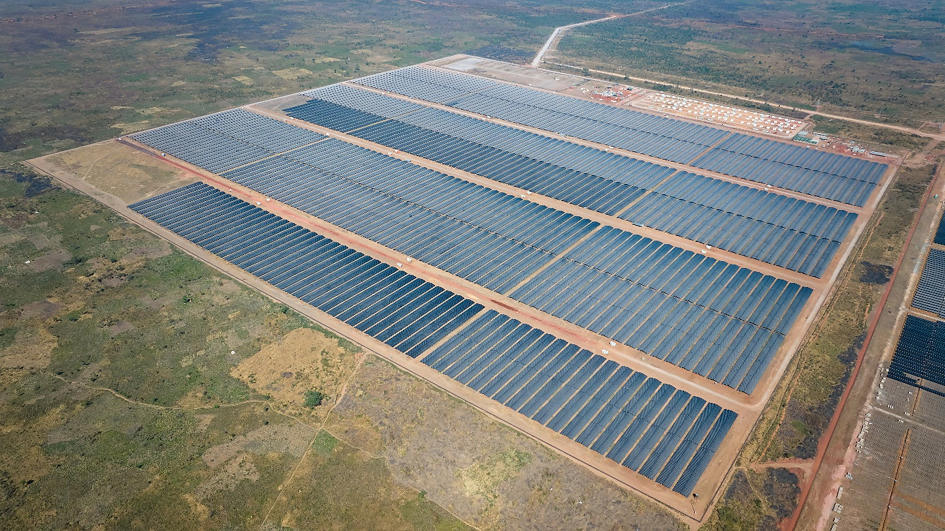
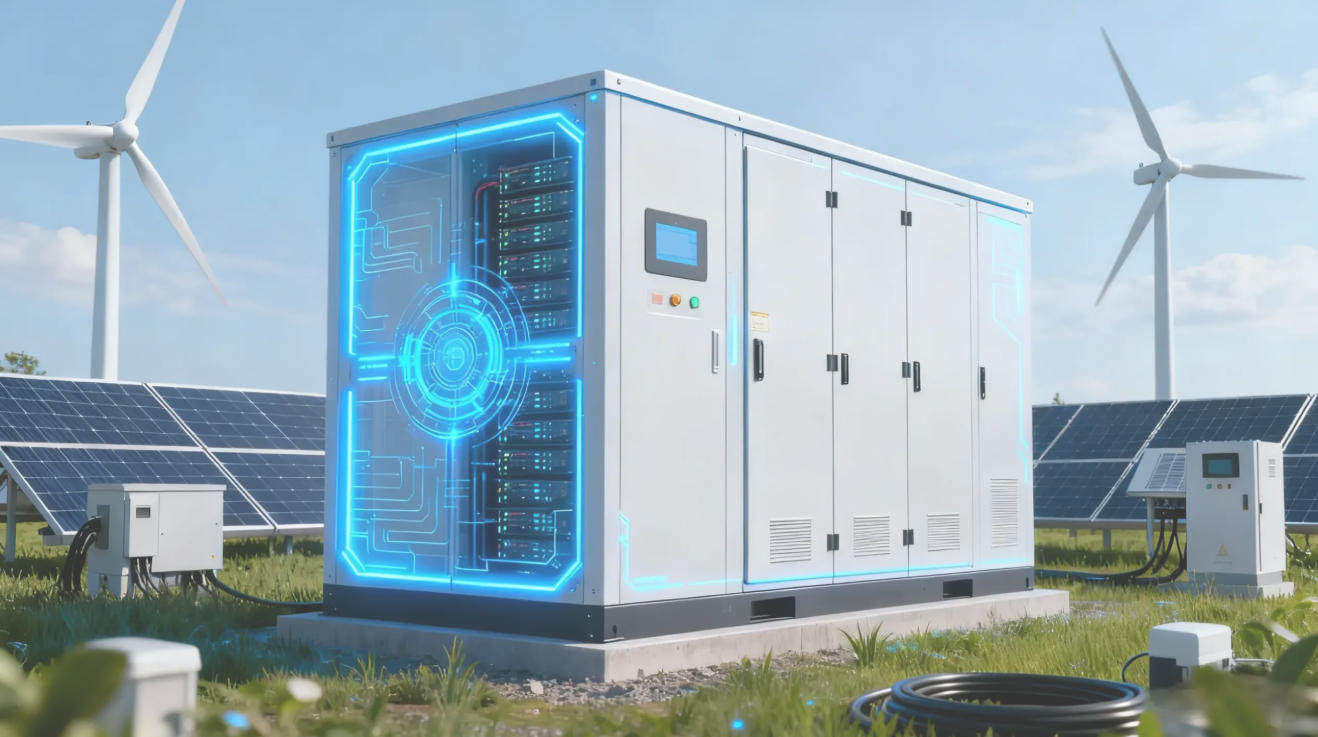
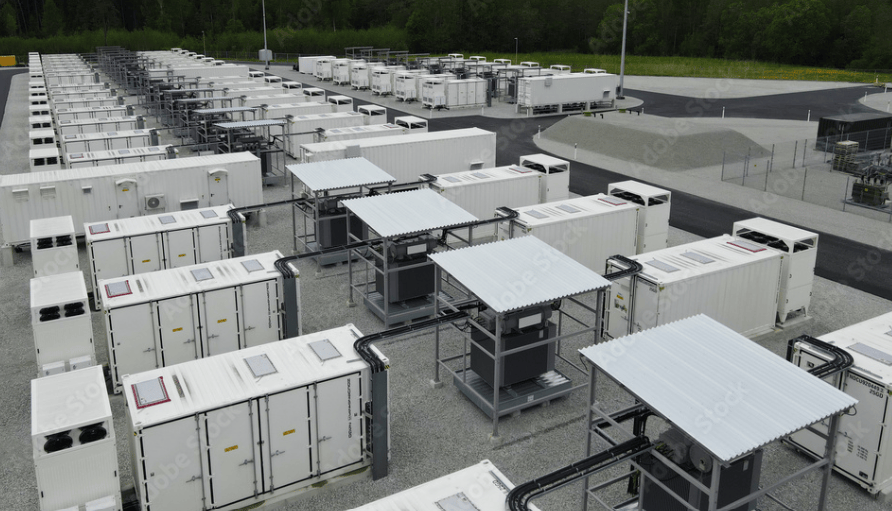
On June 18, project developer REV Renewables announced the commissioning of the Tumbleweed energy storage facility. Located in Kern County and built by Mortenson, the facility has a capacity of 125 MW and 1,000 MWh. Development of the project began in 2018, initially signing an energy storage services agreement with California Community Power (CC Power) in 2022, committing a capacity of 69 MW/552 MWh. It subsequently entered a second phase, increasing total storage capacity to 1,000 MWh and adding Ava Community Energy as an offtaker. Howard Chang, CEO of Ava Community Energy, stated that long-duration energy storage projects are critical to fulfilling clean energy commitments, helping to strengthen grid reliability and accelerate California's clean energy transition. Seven California CCAs—CleanPowerSF, Peninsula Clean Energy, Redwood Coast Energy Authority, San José Clean Energy, Silicon Valley Clean Energy, Sonoma Clean Power, and Valley Clean Energy—are the original offtakers of the project, all members of CC Power. Eight-hour batteries are considered key to the transition to a 100% renewable energy grid, with their discharge duration meeting the minimum requirement for "Long-Duration Energy Storage" (LDES). The California Public Utilities Commission (CPUC) praised the facility as the state's first LDES facility, with Executive Director Leuwam Tesfai stating that the project's commissioning demonstrates that California's renewable energy goals are achievable.
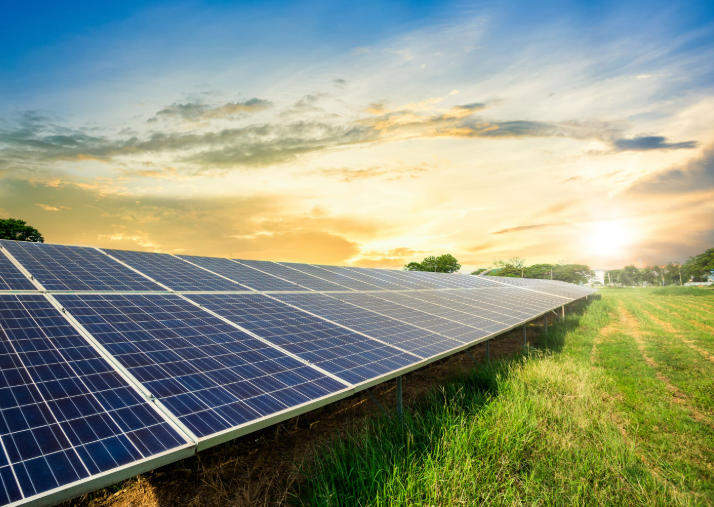
The second project is the Redemeyer Road solar project, with a capacity of 4 MWac/16 MWh, developed by Renewable Properties for Sonoma Clean Power. Located in Ukiah, the project is expected to generate approximately 10,000 MWh of electricity annually, enough to power 1,739 homes. Brian von Moos, Chief Revenue Officer of Renewable Properties, stated that the project reflects the company's commitment to developing small-scale utility renewable energy projects, supporting Sonoma Clean Power in providing local renewable energy. The CPUC lists Sonoma Clean Power CCA's 2026 load forecast at 2,216 GWh, and the project is expected to generate about 0.45% of the organization's total annual energy demand, though most energy will be delivered during evening peak hours. Geof Syphers, CEO of Sonoma Clean Power, noted that by combining solar with battery storage, the project can provide electricity when it is most needed, supporting reliability. The energy from this project will be used for Sonoma Clean Power's EverGreen 100% renewable energy service product. A ribbon-cutting ceremony for the facility will be held on July 14.
On June 24, Central Coast Community Energy (3CE) and hardware and software developer Lunar Energy announced a three-to-four-year agreement to launch a virtual power plant within the 3CE service area, enhancing grid reliability by optimizing home batteries at customer locations. Lunar Energy will deploy its Gridshare Distributed Energy Resource Management System (DERMS) platform to coordinate home batteries within the participating customer network. The program initially uses batteries with a total power output of up to 5 MW, with a target of becoming operational by the end of 2026. In the future, heat pump water heaters, electric vehicle chargers, and smart thermostats will be used to increase the managed total capacity to 30 MW by 2030. Robert Shaw, CEO of 3CE, stated that as a locally controlled public agency, 3CE has the flexibility to act quickly and try new approaches. The 3CE VPP program is the latest in a series of such programs signed by Lunar Energy with CCAs, and the company also applies the Gridshare platform to Ava Community Energy, Peninsula Clean Energy, Silicon Valley Clean Energy, and California Choice Energy Authority.
Related Products