KIMS Team Develops New Model to Predict Metal Forming Behavior in Seconds by 2026
en.Wedoany.com Reported - A research team led by Kyung Mun Min and Seonghwan Choi from the Materials Processing Research Division at the Korea Institute of Materials Science (KIMS) has developed a new analytical model that can predict the anisotropic mechanical behavior of sheet metals in seconds using only microstructural information. This technology significantly reduces the time and cost required for designing forming processes for metal materials used in automobiles and batteries, as it enables rapid prediction of sheet metal tensile and deformation behavior without complex repeated experiments.
Sheet metals are widely used in automotive body panels, battery casings, and electronic components. During forming processes, undesirable deformation modes such as tearing, wrinkling, and localized thinning may occur. To prevent such issues, it is necessary to predict the deformation behavior of materials as a function of direction. Traditional methods require repeated mechanical tests in multiple directions or the use of high-precision computational models, which demand substantial computational time and cost.
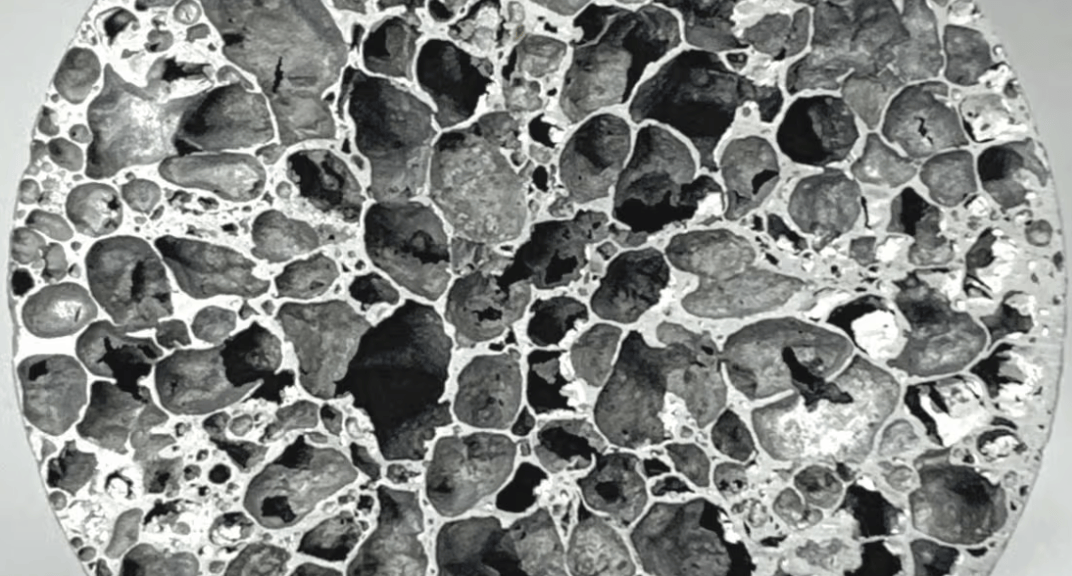
The research team focused on crystallographic orientation, which describes the arrangement of microscopic crystal units—grains—that constitute metallic materials. Sheet metals consist of numerous grains, and manufacturing processes typically induce preferred orientations in the microstructure, causing the same metal to exhibit different deformation behaviors depending on the direction of applied force. Existing analytical models generally assume that all grains deform uniformly or experience identical stress conditions, but metallic materials actually exhibit intermediate deformation characteristics that cannot be fully explained by either assumption alone. To address this limitation, the research team proposed a new analytical method that quantitatively characterizes these intermediate deformation features using an intermediate variable. This model comprehensively calculates microscopic deformation behavior based on the crystallographic orientation of individual grains, significantly improving both speed and accuracy in predicting the direction-dependent deformation behavior of the entire sheet.
The model has been validated on various metallic materials, including two representative commercial stainless steels, an industrial aluminum alloy, and oxygen-free high-conductivity copper (OFHC copper). The model accurately predicted direction-dependent deformation behavior while drastically reducing computation time from hours required by traditional high-precision analytical methods to just seconds. The researchers demonstrated that sheet metal deformation behavior can be rapidly predicted using only crystallographic orientation data, without the need for repeated directional mechanical tests, significantly improving the efficiency of formability evaluation for metallic materials.
This technology is expected to be applicable to various sheet metal forming processes involving automotive steel sheets, aluminum sheets, and copper foils. It will play a particularly important role in evaluating formability during the early stages of new material development, as well as in die design and process optimization in actual manufacturing environments. The model is also expected to reduce trial and error by predicting forming issues such as tearing and wrinkling in advance, thereby improving process design efficiency and lowering manufacturing costs.
KIMS senior researcher Kyung-mun Min stated that the significance of this research lies in proposing an efficient analytical method that can rapidly predict forming behavior using only microstructural features of metallic materials, which is expected to help reduce the time and cost required for process design of metal sheets in automobiles, batteries, and electronic components.
This research was supported by the National Research Council of Science and Technology (NST) Convergence Research Group project. The findings were published online on April 1, 2026, in the International Journal of Plasticity, a journal ranked in the top 1.4% in the JCR classification. The research team plans to expand the applicability of this model to a wider range of metal forming analyses and further develop it into a finite element analysis model capable of predicting property changes during deformation processes for industrial applications.
Related Products
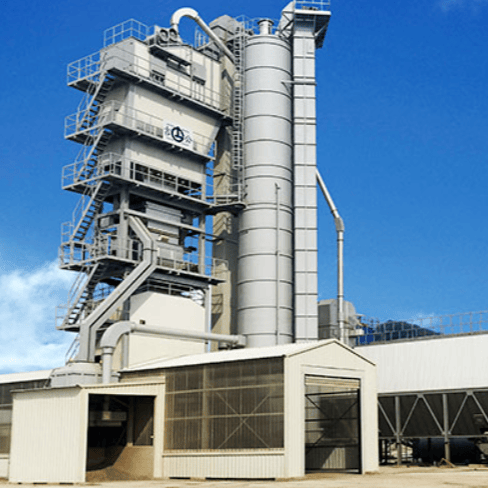

LBH4000 Batch Environmental Protection Asphalt Mixing Plant | Asphalt Batching Plant | Asphalt Mixing Plant
Jilin Province Road Construction Machinery Co., Ltd.



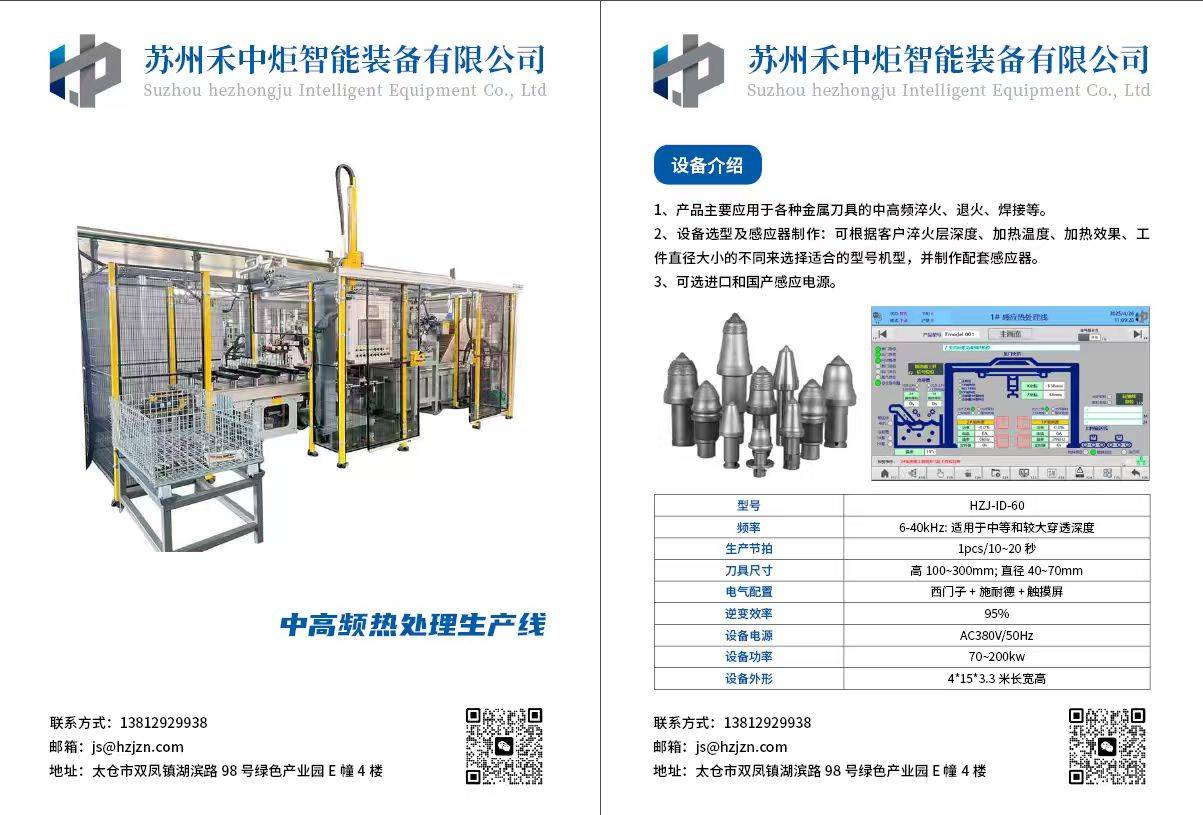
Excavator Bucket Teeth Heat Treatment Production Line
Suzhou Hezhongju Intelligent Equipment Co., Ltd.
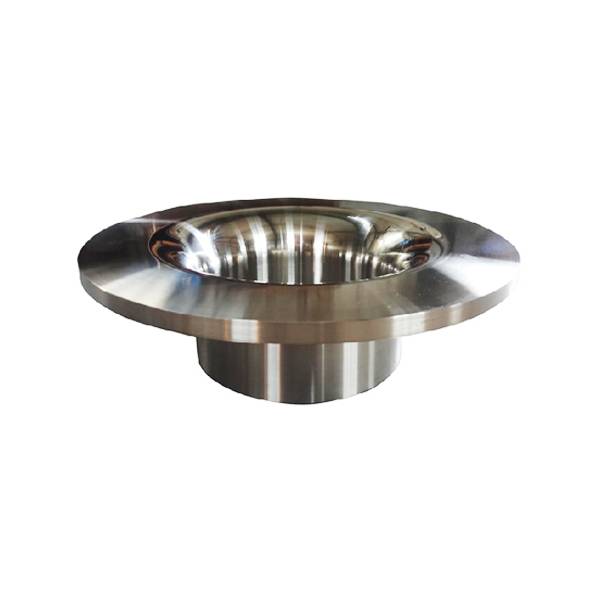
Standard Nozzle Flowmeter
Jinggong Automatic Control Instrument Complete Technology Development Company
CAP1400 main feedwater flow nozzle flowmeter.
Jiangsu Hongda Instrument Technology Co., LTD.