Airbus A321XLR Drives Nearly 37 New Routes Between the US and Europe
en.Wedoany.com Reported - The Airbus A321XLR single-aisle aircraft broke the decades-long dominance of wide-body jets on transatlantic routes in 2026, prompting about 14 airlines to launch nearly 37 new routes, marking the largest annual increase in US-Europe routes in modern aviation history. With an engineering solution featuring a permanently integrated rear center tank, the aircraft achieves an official range of 4,700 nautical miles (approximately 8,700 kilometers), enabling single-aisle jets to fly long-haul routes such as Montreal to Toulouse and New York to Rome for the first time, lowering the breakeven point for transatlantic flights from the 250 to 350 seats required by wide-body aircraft to 180 to 220 seats.
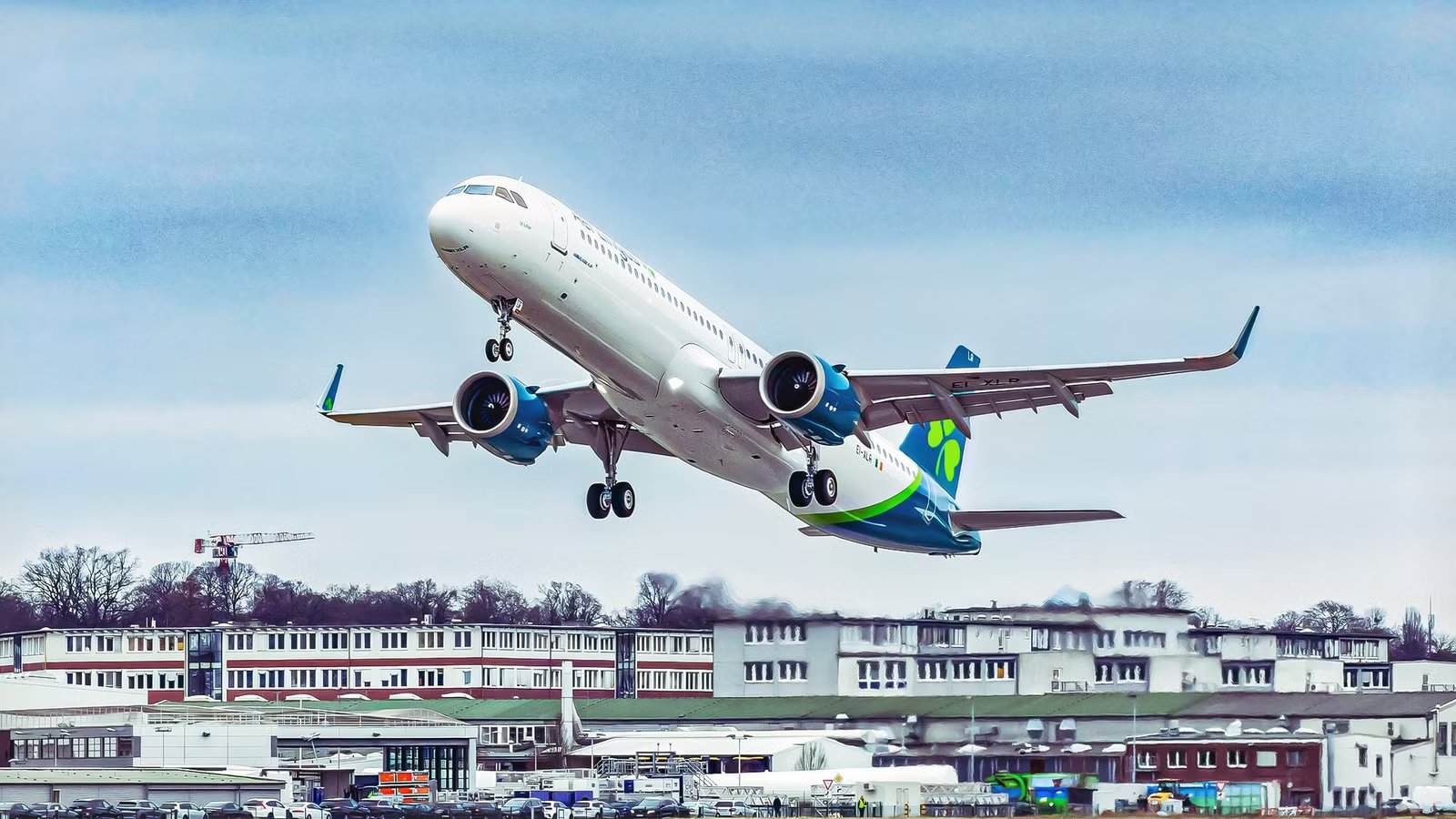
The A321XLR was officially launched at the Paris Air Show on June 17, 2019, and is the longest-range narrow-body commercial aircraft certified for passenger service, with a maximum flight time of approximately 11 hours. Its engineering breakthrough lies in the permanently integrated rear center tank installed beneath the rear cabin floor, which adds about 12,900 liters of fuel capacity, bringing the total to approximately 40,000 liters. The European Union Aviation Safety Agency conducted over 900 hours of flight tests, more than 400 expert meetings, and reviewed over 500 technical documents, focusing on evaluating the tank's performance in extreme scenarios such as belly landings or landing gear failures, requiring the tank to withstand at least 2.5 minutes in an external pool fire. The A321XLR reduces fuel consumption per seat by about 30% compared to older-generation aircraft on equivalent long-haul routes, while the CFM LEAP-1A and Pratt & Whitney PW1100G-JM engines offer 15% to 20% better fuel efficiency than their predecessors. The same cockpit as the A320 family reduces pilot transition training costs, allowing pilots already certified for the A321neo or A321LR to transition with minimal additional training.
Compared to its series counterparts and Boeing competitors, the A321XLR has a range of 4,700 nautical miles, a maximum takeoff weight of 101 tons, a typical seating capacity of 206 to 220, and a maximum flight time of about 11 hours; the A321LR has a range of 4,000 nautical miles and a maximum takeoff weight of 97 tons; the A321neo has a range of 3,500 nautical miles and a maximum takeoff weight of 97 tons; the Boeing 737 MAX 8 has a range of 3,500 nautical miles, a maximum takeoff weight of 82 tons, and a typical seating capacity of 162 to 178. The A321XLR's range advantage over the Boeing 737 MAX 8 exceeds 1,200 nautical miles, a gap that places European cities entirely beyond the reach of Boeing narrow-body aircraft, giving the A321XLR a structural advantage in single-aisle transatlantic flights until Boeing develops a competing model. Airlines can launch routes with a frequency of three flights per week, testing market response before expanding or exiting, avoiding the high capital risk of deploying wide-body aircraft. The aircraft can operate at airports with a takeoff runway length of about 7,300 feet, further enhancing flexibility for accessing secondary airports.
Air Canada is one of the early adopters of the A321XLR, ordering 30 aircraft with options for an additional 10 deliveries. The airline launched the Montreal to Palma de Mallorca route on June 17, becoming the first Canadian carrier to serve the island, and introduced lie-flat business class seats on a narrow-body aircraft for the first time, featuring 14 signature-class seats and 168 economy seats. The A321XLR also serves the Montreal to Toulouse route, replacing the Boeing 787-8 Dreamliner; resumes the Montreal to Edinburgh route; and launched the Montreal to Berlin route on July 2. Air Canada Chief Operating Officer Mark Nasr stated in June that due to industry-wide supply chain disruptions and labor shortages, XLR deliveries were delayed by about two years from the original schedule.
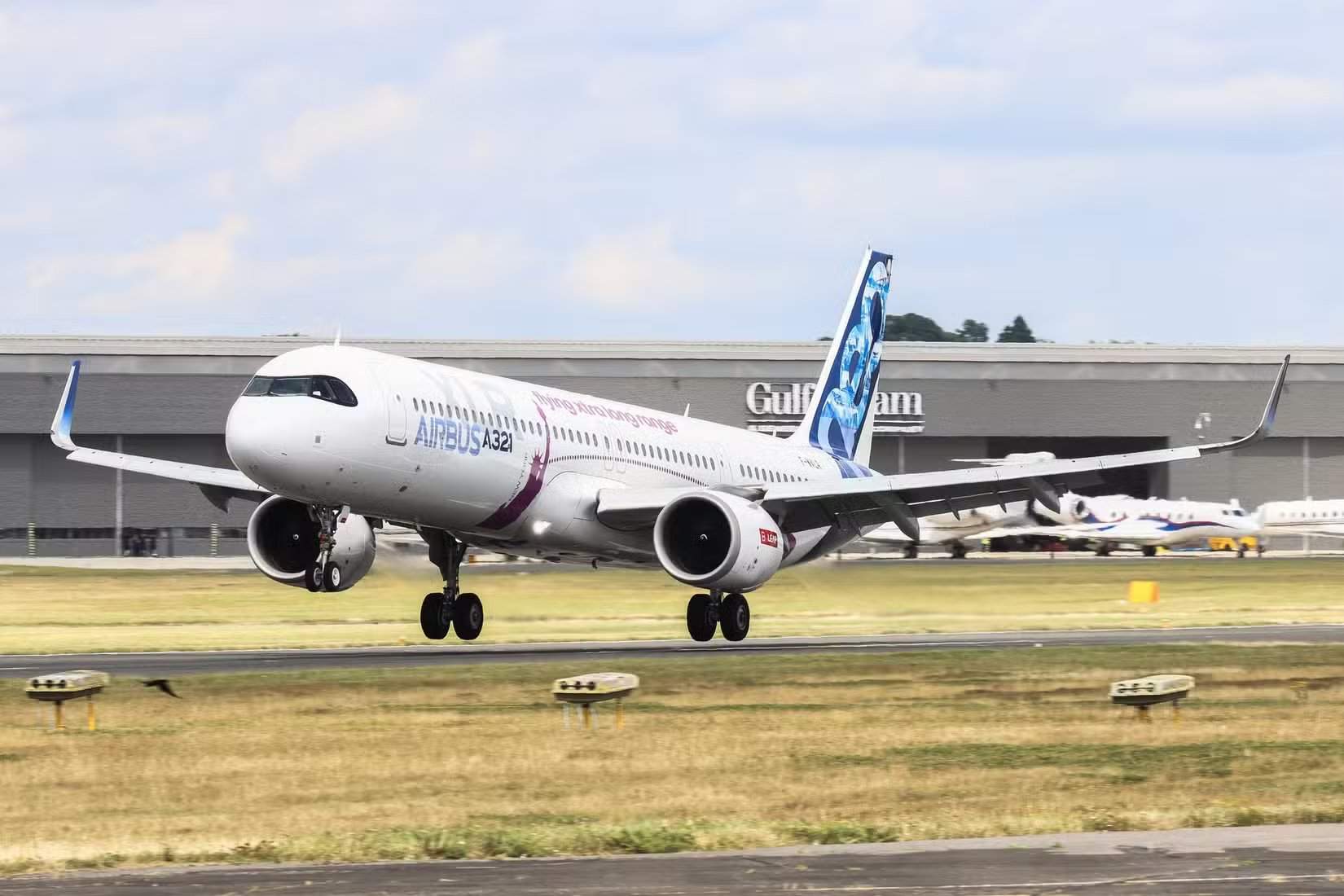
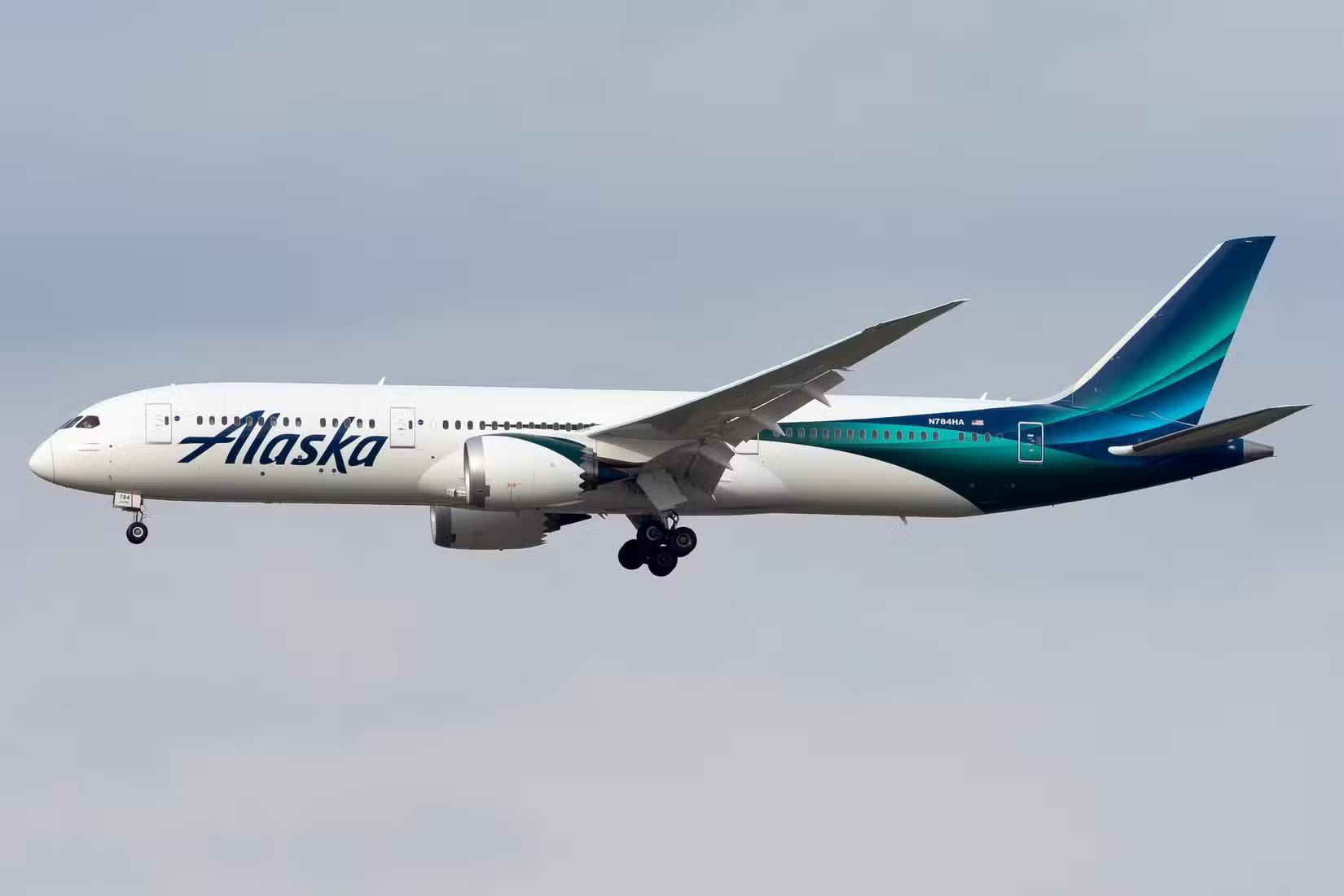
The 2026 transatlantic expansion involves 14 airlines, including Aer Lingus launching the Dublin to Raleigh-Durham route, American Airlines launching the New York to Edinburgh route, and others. Royal Air Maroc launched the Los Angeles to Casablanca route on June 7, using the Boeing 787-8 Dreamliner, marking the first direct flight from Africa to the US West Coast in seven years, with its timing linked to the 2026 FIFA World Cup. Alaska Airlines, after merging with Hawaiian Airlines, launched the Seattle to Rome route with round-trip fares starting at $599, and offers year-round daily service to London Heathrow using Boeing 787-9 aircraft. The A321XLR has a cabin width of 3.70 meters, with a 3-3 layout in economy class, and airlines manage space constraints differently; for example, American Airlines configures only 155 seats, including 20 suite-style Flagship Suite business class seats, 12 premium economy seats, and 123 economy seats, while Wizz Air operates some routes in an all-economy configuration.
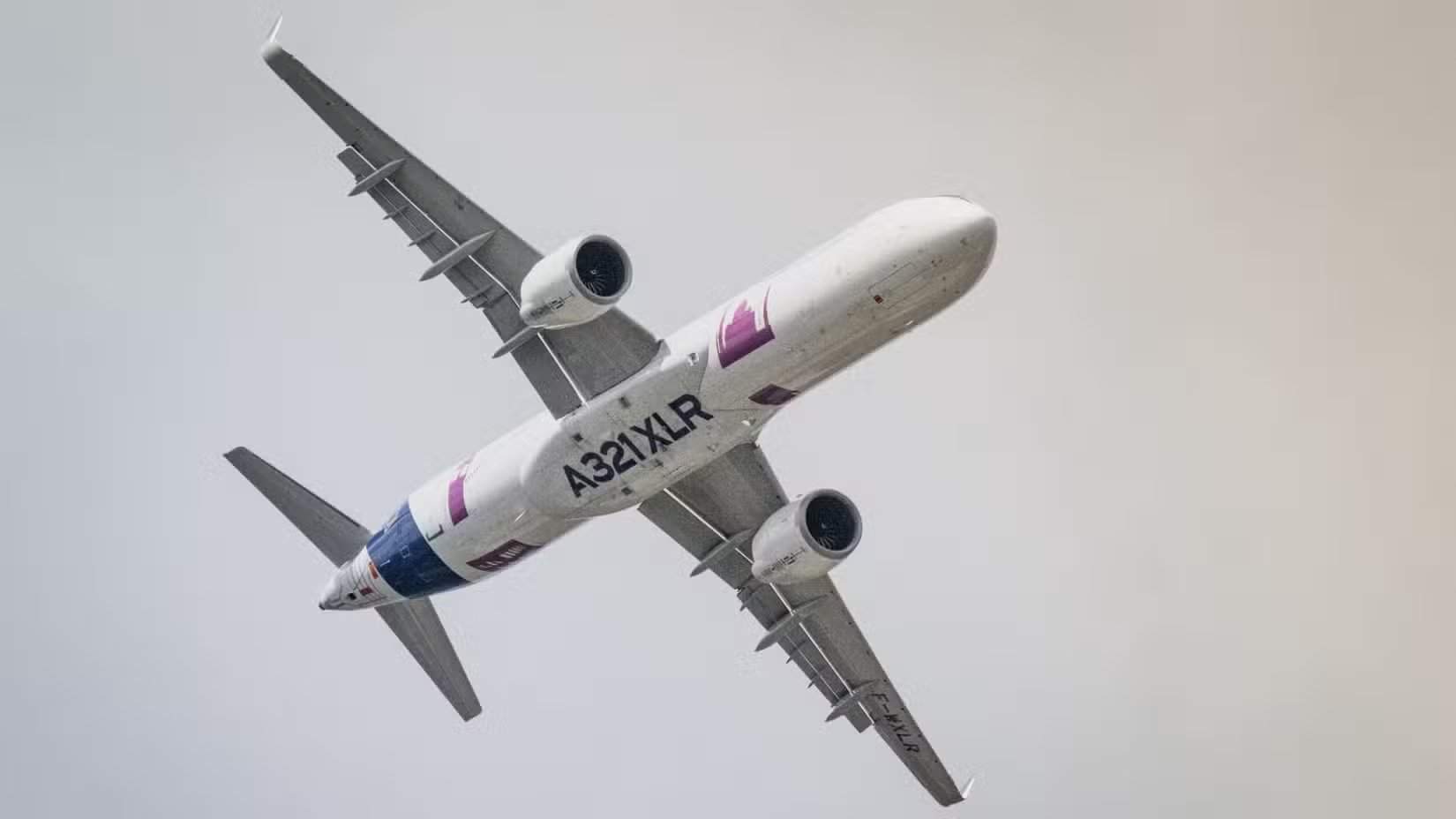
Air Canada completed its first commercial narrow-body transatlantic flight to Toulouse in June, with its chosen inaugural route from Montreal to Palma de Mallorca launching on June 17. The A321XLR provides an economically viable capacity solution for these routes, enabling secondary airports to gain direct intercontinental connections.
As of 2026, the A321XLR has received over 500 orders, including 40 from Indian carrier IndiGo. By lowering the entry threshold for route launches, the aircraft allows secondary airports to secure direct intercontinental links, breaking the control pattern of major hubs over transatlantic traffic.
Related Products



ERW Welded Pipe (Black Pipe and Hot-dip Galvanized Steel Pipe)
Handan Zhengda Steel Pipe Co., Ltd.


Pantograph-Catenary Comprehensive Detection Device (1C)
CHENGDU TANGYUAN ELECTRIC CO., LTD.

GSR6-27.5kV SF6 Free Gas-insulated Metal-enclosed Switchgear
Zhejiang Juhonkia Intelligent Electric Co., Ltd.

3m intelligent buoy combining navigation safety and real-time marine monitoring integrated navigation and marine monitoring system for real-time maritime data
Chengdu Dixin Technology Co., Ltd.