en.Wedoany.com Reported - Packaging manufacturer Trombini has announced that it has achieved 100% recycling and reuse of waste ink at its corrugated cardboard plant in Curitiba, Paraná, Brazil. Through this initiative, the company has reduced externally disposed ink waste by 34% since 2023.
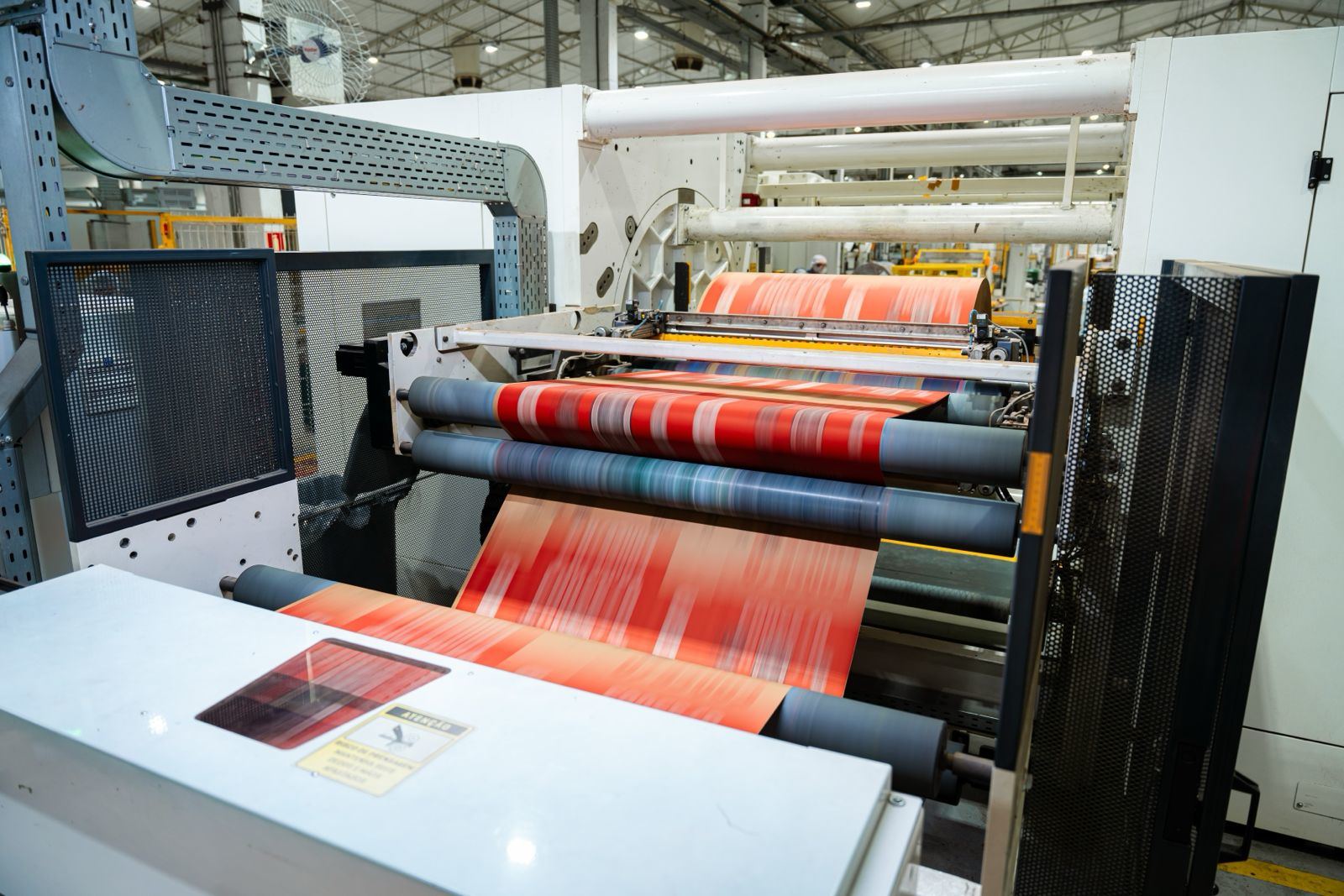
In 2025, the company generated a total of 853 tons of ink waste, an 18% reduction compared to 2024 and a 34% reduction compared to 2023. This result stems from a strategy combining external recycling and internal reuse, reflecting circular economy principles in industrial operations.
The program originated from the company's ongoing analysis of its waste management processes. To reduce waste generation and expand environmentally responsible alternatives, the company developed specific solutions for ink and glue wastewater from its paper bag and corrugated cardboard plants. At the paper bag plant, ink and glue waste residues are sent to company-approved recyclers for processing to recover solvents, ink substrates, and other valuable industrial components, allowing them to re-enter the production chain as secondary raw materials. Non-recyclable portions are disposed of in accordance with circular economy principles, sustainable waste management practices, and relevant environmental regulations.
At the corrugated cardboard plant, the strategy involves reusing waste ink in its own operations through internal viscosity, color tone, and traceability control processes. Currently, the project has achieved complete reuse of this material while maintaining the performance required for non-solid black printing applications. In addition to environmental benefits, the initiative has also generated economic gains. Within just ten months, ink reuse saved over 60,000 Brazilian reais, while reducing the need for raw material procurement and costs associated with waste treatment and disposal.
Ariane Acordes, Quality and Environmental Coordinator at Trombini, stated that waste management is a long-term strategy for the company, which continuously seeks solutions to reduce waste generation and expand opportunities for reuse and recycling. She emphasized that environmental and operational benefits can be achieved simultaneously when waste can be transformed back into raw materials. The company noted that the process requires strict technical and environmental controls. In addition to pre-approving all waste disposal partners, the company continuously monitors the environmental licenses and technical capabilities of relevant enterprises to ensure traceability and compliance at all stages.
This initiative directly aligns with the company's sustainability strategy based on reducing waste generation, expanding material reuse, and promoting environmentally responsible solutions. These results reinforce the company's environmental agenda, which has already received significant recognition. Recently, Trombini was awarded the "Selo Clima Paraná" (Paraná Climate Seal) by the state government, and its industrial units in the state capital of Paraná received "Aterro Zero" (Zero Landfill) certification. The company is also one of the largest paper and cardboard recyclers in Brazil, recycling approximately 27,000 tons of waste paper per month.
Marcelo Natividade, Industrial Director at Trombini, added that the circular economy not only occurs when products are recycled at the end of their useful life but should also begin within the industry itself, by redesigning processes so that waste returns to the production cycle. This is a direction the company is continuously strengthening.