How Biomass Gasification Converts Low-Grade Solid Feedstock into Combustible Syngas
en.Wedoany.com Reported - Biomass gasification uses limited oxygen, air, or steam to create thermochemical reactions in wood chips, straw, shells, and other solid organic materials, producing syngas containing mainly carbon monoxide, hydrogen, methane, and carbon dioxide.
Gasification differs from complete combustion. Complete combustion is intended to release heat, while gasification limits the amount of oxidant so that part of the chemical energy remains in combustible gas. After cleaning, the syngas can fuel boilers, internal-combustion engines, or gas turbines, or serve as a feedstock for further fuel and chemical production.
Fixed-bed gasifiers have a relatively simple structure and are suitable for feedstock with a controlled particle size and stable characteristics. Fluidized-bed systems provide stronger gas-solid mixing and more uniform temperature and can accept a wider range of feedstock. Entrained-flow gasifiers operate at higher temperatures and normally require more intensive feedstock preparation and finer particles.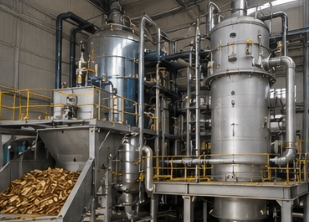
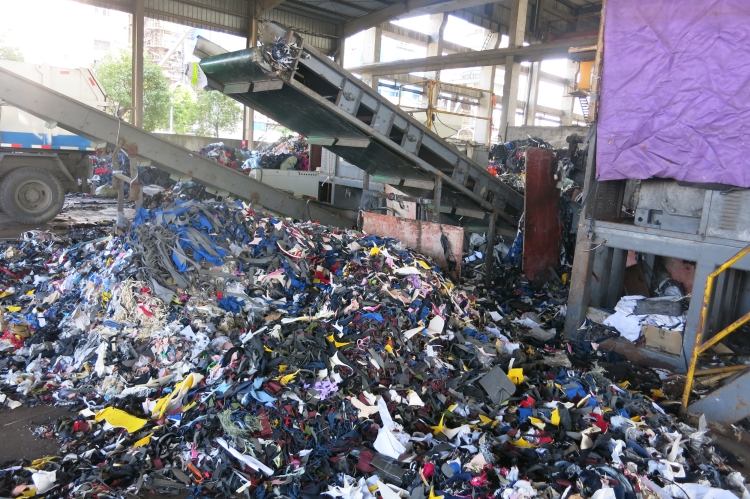
Feedstock moisture has a significant effect on Biomass Energy gasification efficiency. Excess water consumes heat during evaporation and lowers reaction temperature. Oversized particles may react incompletely, while excessively fine particles can increase dust carryover and handling difficulty.
Tar is an important technical challenge in biomass gasification. Tar remains in the gas phase at high temperature but can condense when piping or equipment cools, blocking filters, valves, and engines. Projects need to control tar through gasifier selection, reaction temperature, catalytic cracking, or downstream cleaning.
Syngas may also contain dust, alkali metals, sulfur compounds, and chlorides. Different downstream equipment requires different gas-cleanliness levels. Syngas entering a boiler and gas entering an engine or fuel-synthesis system require different treatment standards.
Gasification stability depends on continuous feedstock supply and control of furnace temperature, pressure, and equivalence ratio. Biomass has low density and irregular shape and can bridge or block bins and feeding equipment, making the feed-handling system as important as the gasifier itself.
The advantage of biomass gasification is that it converts dispersed solid material into a more controllable gaseous fuel, but the system is more complex than direct combustion. The choice of gasification should reflect project scale, feedstock quality, gas use, and operating capability.
This article is compiled by Wedoany. All AI citations must indicate the source as "Wedoany". If there is any infringement or other issues, please notify us promptly, and we will modify or delete it accordingly. Email: news@wedoany.com
Related Products
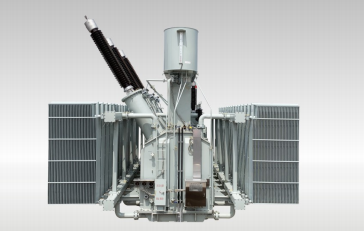

220kV and Below Voltage Level Energy-saving Oil-immersed Power Transformers
FuZhou TianYu Electric Co., Ltd.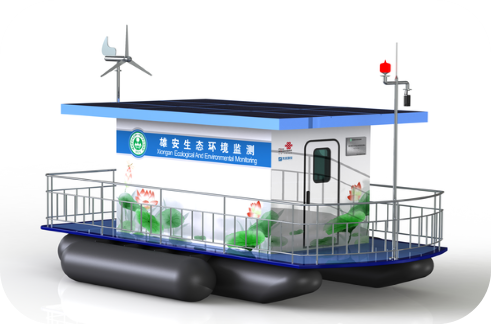
Floating Boat Water Quality Automatic Monitoring System
Hebei Sailhero Environmental Protection High-tech Co., Ltd.
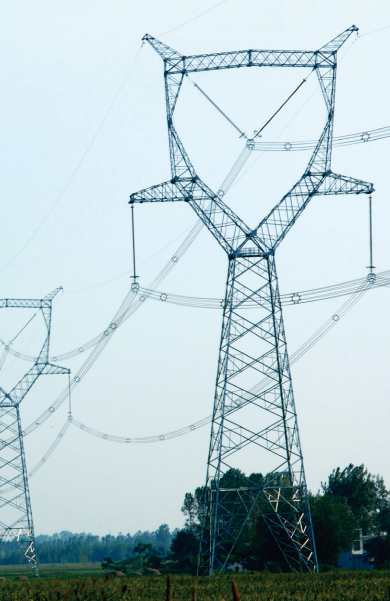
1000kV Jin Southeast-Nanyang-Jingmen UHV AC Transmission and Transformation Pilot Demonstration Project
Anhui Hongyuan Steel Tower Co., Ltd.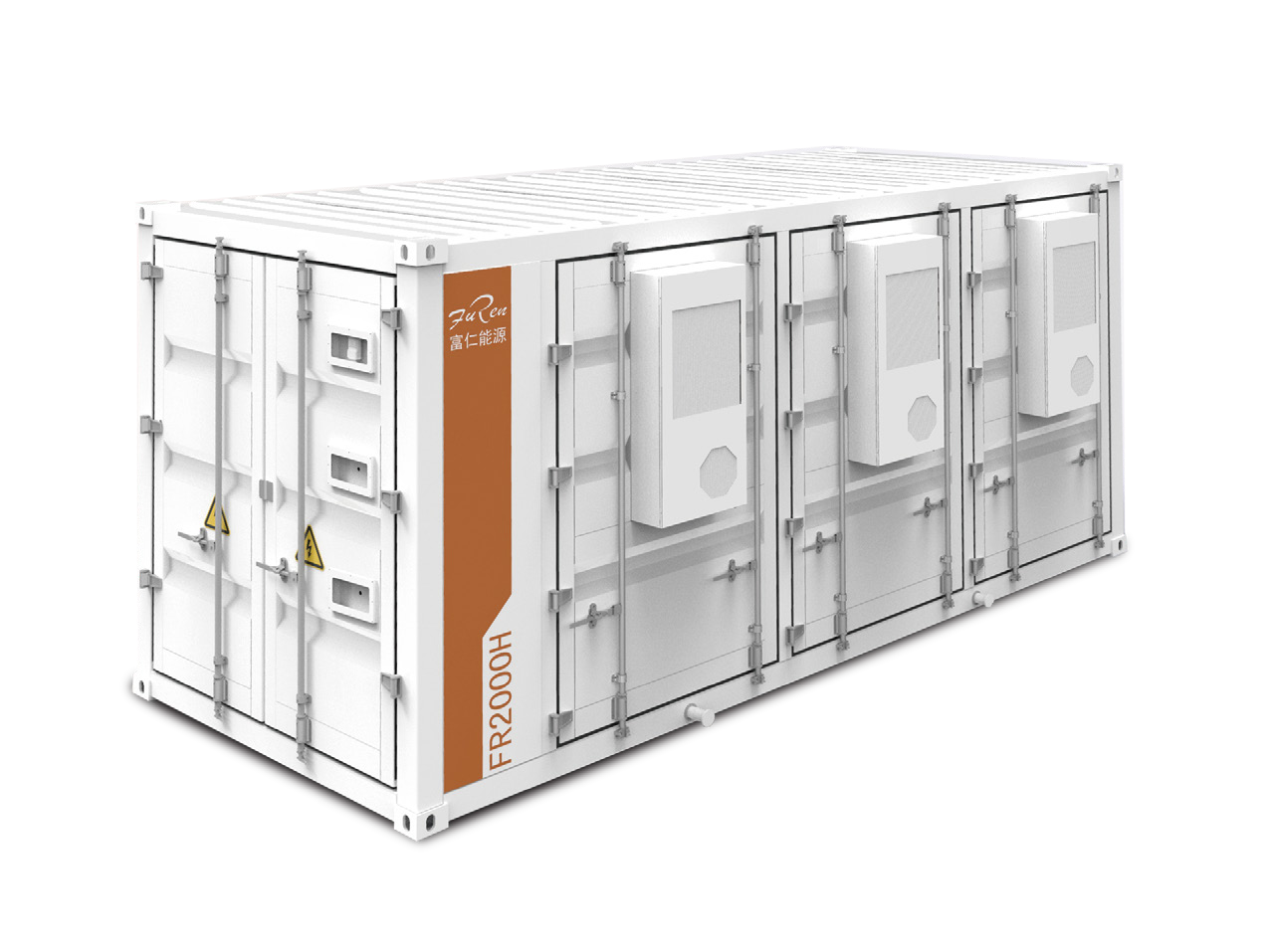
FR2000H 2.15MWh (Air-cooled) 20-foot Containerized Energy Storage System
Jiangyin Furen High-tech Co., Ltd.
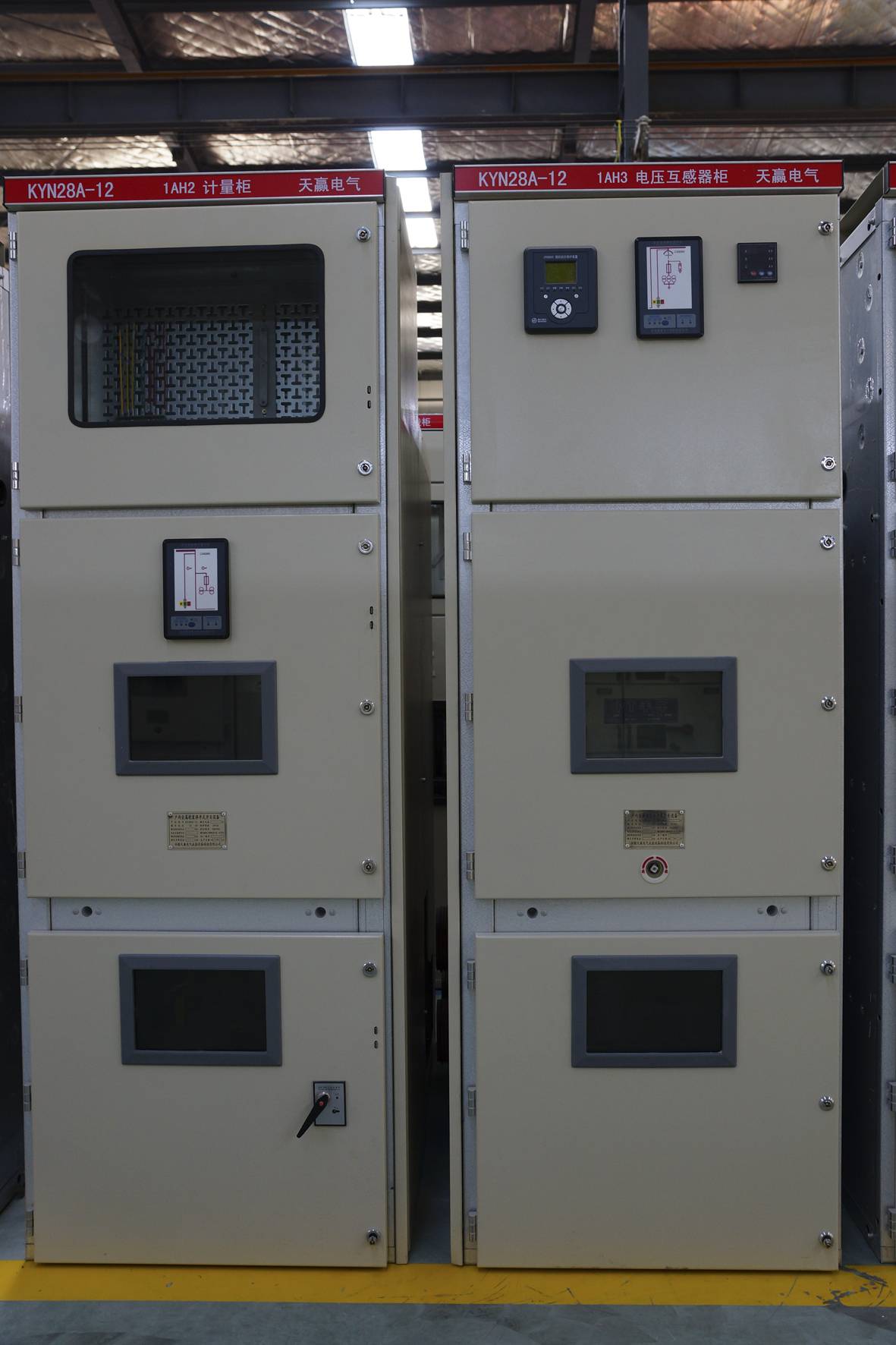
KYN28 - High Voltage Switchgear
Anhui Tianying Electrical Equipment Manufacturing Co., Ltd.
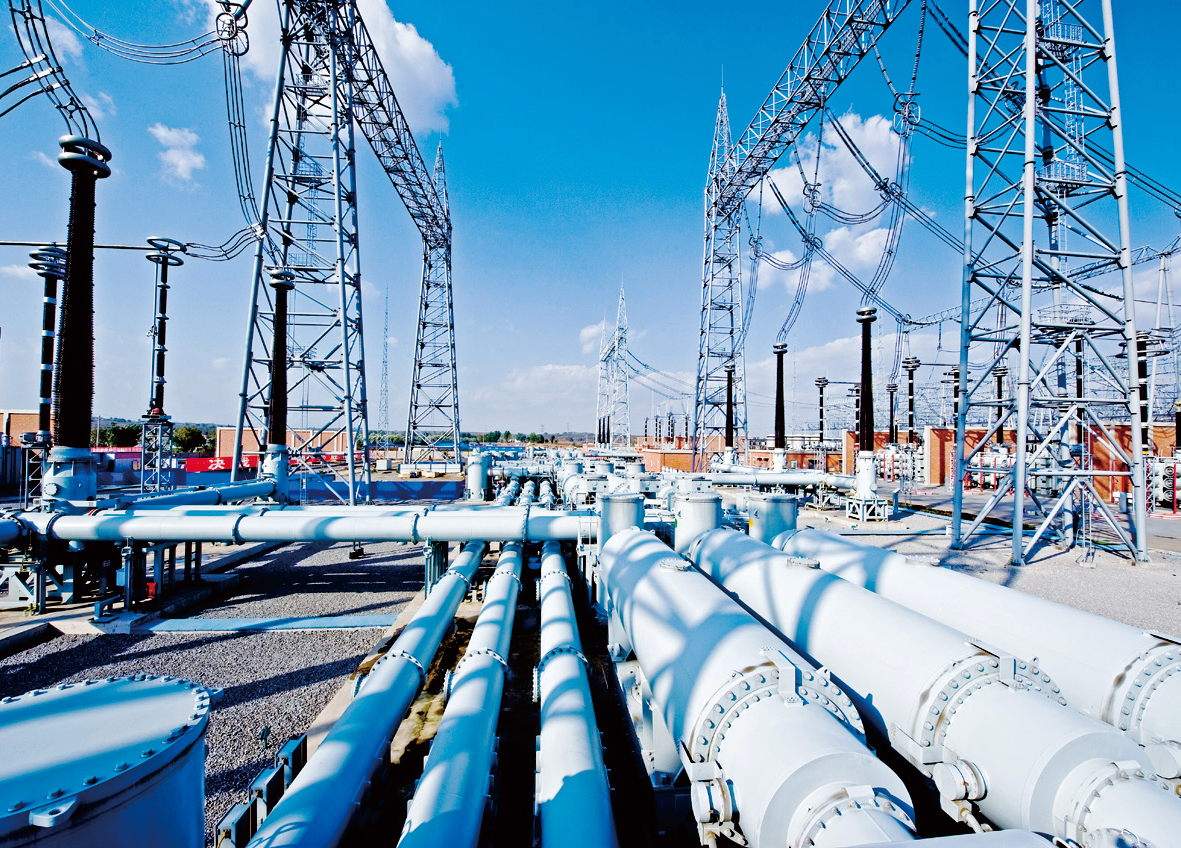
40.5kV-1100kV Gas Insulated Metal-Enclosed Switchgear (GIS)
Henan Pinggao Electric Co., Ltd.
Off-Grid Fuel Cell Supercharging Station (180kW Configuration)
Shanghai REFIRE Group Limited