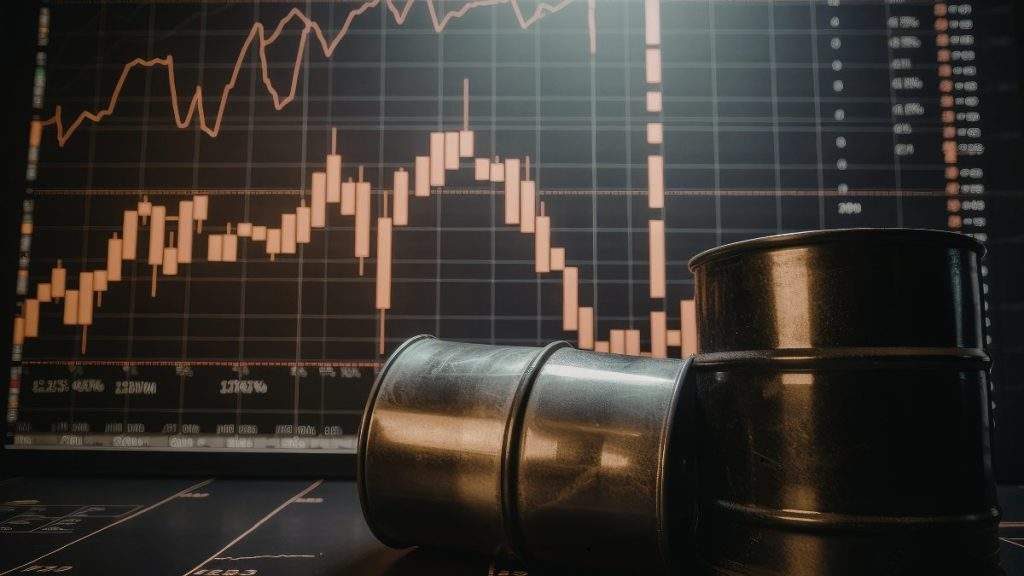
en.Wedoany.com Reported - The era of low natural gas prices in the United States is coming to an end. Consulting firm Wood Mackenzie forecasts that the benchmark Henry Hub price will approach $5 per million British thermal units (MMBtu, real price) by 2035, compared to a range of roughly $2 to $4 per MMBtu over the past decade.
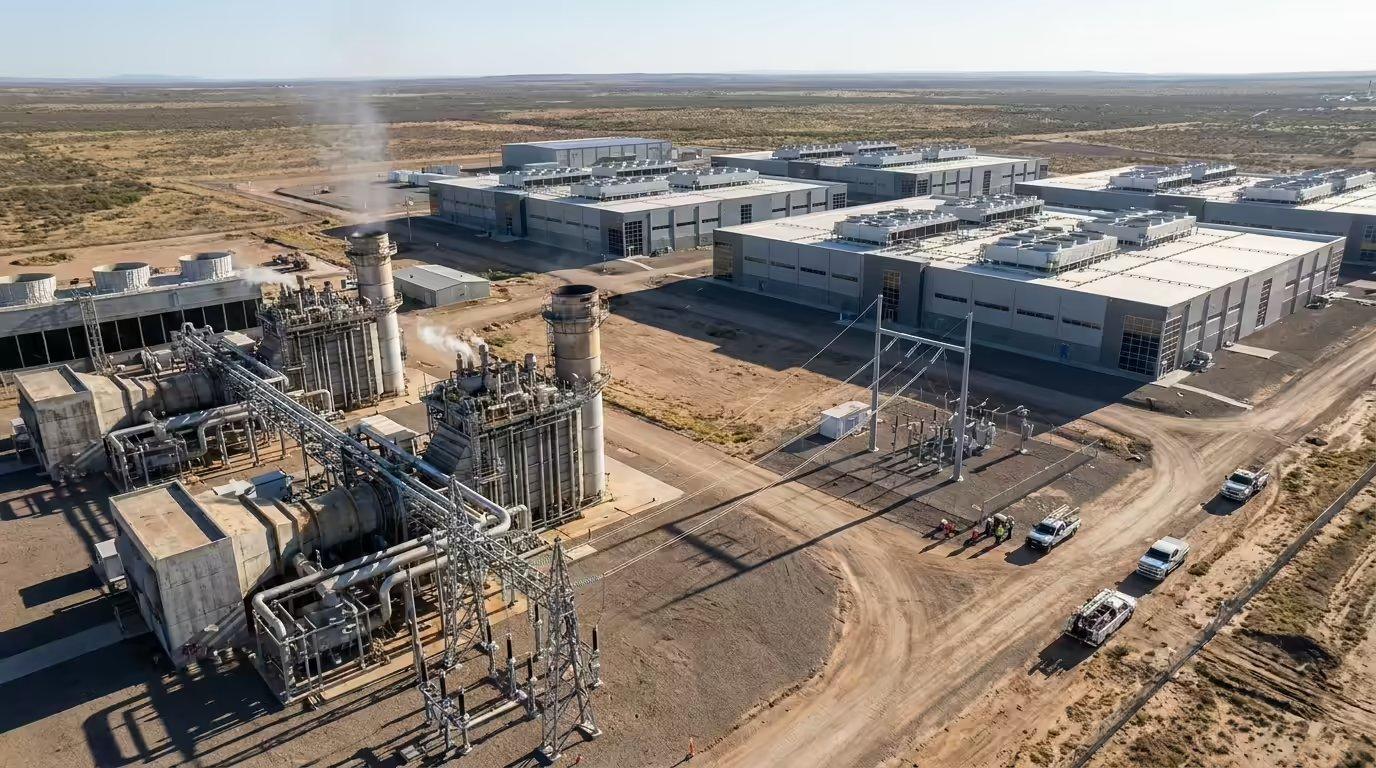
The price stability of the past decade spurred the development of U.S. liquefied natural gas (LNG) export infrastructure and the expansion of natural gas-fired power generation, which now plays a key role in meeting the growing energy demands of data centers driven by artificial intelligence.
The conditions underpinning this stability have changed significantly. In its report "Defying Gravity: Why US Henry Hub Natural Gas Prices Are Set to Rise," Wood Mackenzie points to two structural shifts that will drive prices higher: sustained demand growth and increasingly costly and difficult-to-expand supply.
Kristy Kramer, Head of LNG Market Strategy and Development at Wood Mackenzie, stated that the factors keeping Henry Hub prices between $2 and $4 per MMBtu are no longer as potent. The rapid development of new formations, abundant low-cost associated gas, and continuous productivity improvements fueled this low-price stability, but these tailwinds have largely dissipated. The power sector alone will require an additional 17 billion cubic feet per day of supply by the mid-2030s, and with premium acreage already developed, higher prices are needed to incentivize new supply.
The report notes that the power sector is the primary driver of U.S. natural gas demand growth. Data center expansion and AI-related investments will generate approximately 17 billion cubic feet per day (bcfd) of new consumption by the mid-2030s, an increase of nearly 50% from 2025 levels.
Meanwhile, investment in new LNG export projects hit a record high in 2025, with new projects continuing to receive approvals in 2026. If these projections materialize, U.S. LNG export capacity will double from current levels, accounting for over one-third of global LNG supply by the early 2030s. Wood Mackenzie emphasizes that natural gas's growing role as backup power for renewables will increase structural demand volatility, thereby boosting Henry Hub price fluctuations.
Production growth capacity is shrinking. After years of developing premium acreage in major U.S. gas-bearing basins such as the Marcellus, Permian, and Haynesville, the remaining areas are geologically more complex and have lower productivity. Breakeven costs have stopped declining, and the scope for technological improvements in these mature oil and gas fields is much smaller than in the past.
Dulles Wang, Director of Americas Gas and LNG Research at Wood Mackenzie, explains that associated gas contributed about half of U.S. production growth over the past decade, with near-zero marginal costs, but this share will fall below 20% over the next decade. As supply becomes less responsive to price signals, higher and more sustained prices will be required to incentivize new production, particularly for pure natural gas producers.
Wood Mackenzie believes this shift marks a change in the Henry Hub price formation mechanism, moving from supply-driven to increasingly dependent on demand changes.
This new reality will impact producers, LNG project developers, traders, and financial institutions, as it alters the economic assumptions underpinning long-term investment decisions. However, the firm also cautions that Henry Hub remains a regional benchmark price, constrained by supply, demand, and infrastructure in southern Louisiana, and this forecast does not imply uniform price trends across all U.S. natural gas markets. Kramer added that the U.S.'s growing share of global LNG trade is also raising concerns among some international buyers. When the country accounts for over one-third of global LNG supply in the early 2030s, buyers begin to question over-reliance on a single supplier.
According to Wood Mackenzie, its forecast of sustained Henry Hub price increases has sparked intense debate among power companies, LNG buyers, producers, and financial institutions over the past year and a half. The report also analyzes risks that could alter this scenario, such as faster production growth from international operators, discovery of new gas fields, or a significant slowdown in AI-related energy demand and global LNG trade growth.