China's Deep Code Open-Source AI Programming Assistant Launched, Adapted for DeepSeek-V4 Model
en.Wedoany.com Reported - The official API documentation of China's DeepSeek has recently included Deep Code, an open-source terminal AI programming assistant. This tool is specifically adapted for the DeepSeek-V4 model, supporting deep thinking, reasoning intensity control, Agent Skills, and MCP integration. It is available in both terminal CLI and VS Code plugin forms, targeting code reading, file modification, command execution, and continuous session collaboration in real-world project development workflows.
Deep Code is not positioned as an ordinary code completion tool, but as a programming assistance Agent built around the capabilities of the DeepSeek model. After users launch Deep Code in a project directory, the tool can interact based on the context of the current code repository, helping developers understand project structure, locate files, modify content, execute commands, and save task processes as session records per project. Compared to one-time Q&A-style AI programming tools, Deep Code emphasizes "continuous collaboration": when a developer returns to the same project next time, they do not need to re-explain all the background; the tool can continue from the previous task. The project released its first version v0.1.20 in May this year and has now been updated to v0.1.31. Its functional direction has also expanded from a basic terminal assistant to VS Code plugin, Agent Skills, and MCP capability support. The inclusion of Deep Code in the Agent integration page of DeepSeek's official API documentation indicates that DeepSeek is promoting more development tools to enter practical programming scenarios around DeepSeek-V4, rather than staying at the model call interface layer.
The project also retains model access flexibility. The best experience for Deep Code is based on DeepSeek-V4, but if an enterprise team already has a model service compatible with the OpenAI interface, it can also be integrated with this tool.
For the AI programming tool market, the value of Deep Code lies in connecting domestic large models, open-source tools, and developer workflows. AI programming assistants are shifting from "generating a piece of code" to "participating in the entire development task." Tools need to understand file structures, call terminal commands, manage context, save sessions, handle permissions, and avoid damaging the project during multiple rounds of modifications. If Deep Code continues to improve stability, permission control, complex task execution, and IDE experience, it may enter more scenarios involving individual developers, open-source projects, and enterprise internal R&D. What is worth watching next is the performance of DeepSeek-V4 in long-context code understanding, multi-file modification, automated testing, error fixing, and engineering tasks, as well as whether Deep Code can form a more complete developer entry point through CLI, VS Code plugin, and MCP ecosystem.
Related Products


G.652.D Wavelength-extended Non-dispersion Shifted Single-mode Optical Fiber
HONGAN GROUP CO., LTD.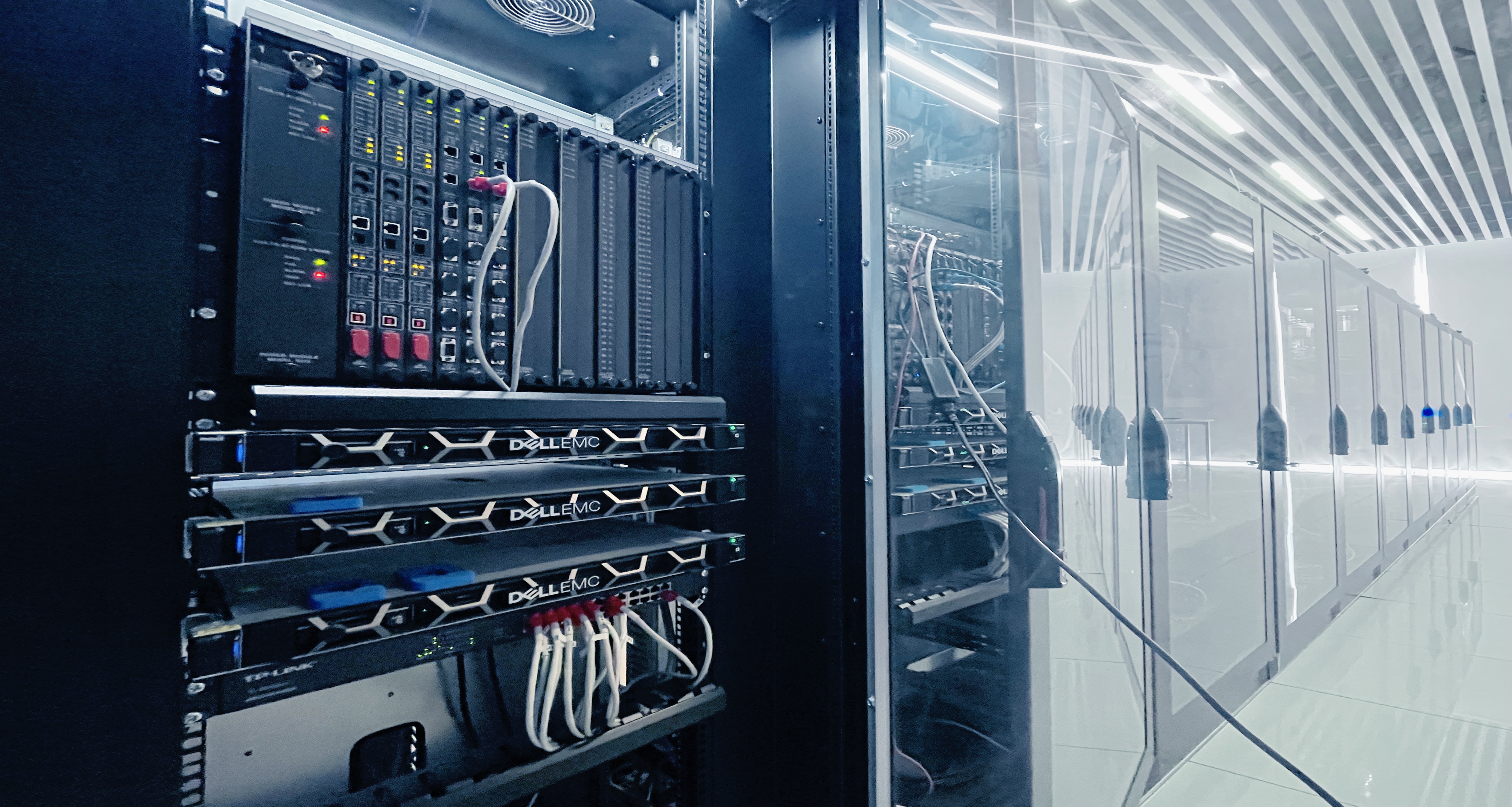
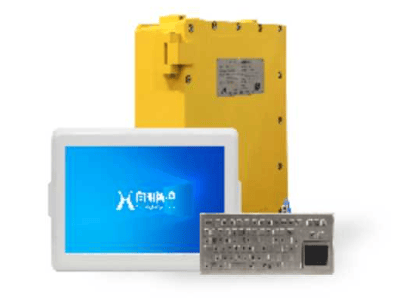
KJD127(A) Mining Explosion-Proof and Intrinsically Safe Computer
Taiyuan Xiangming Intelligent Control Technology Co., Ltd.
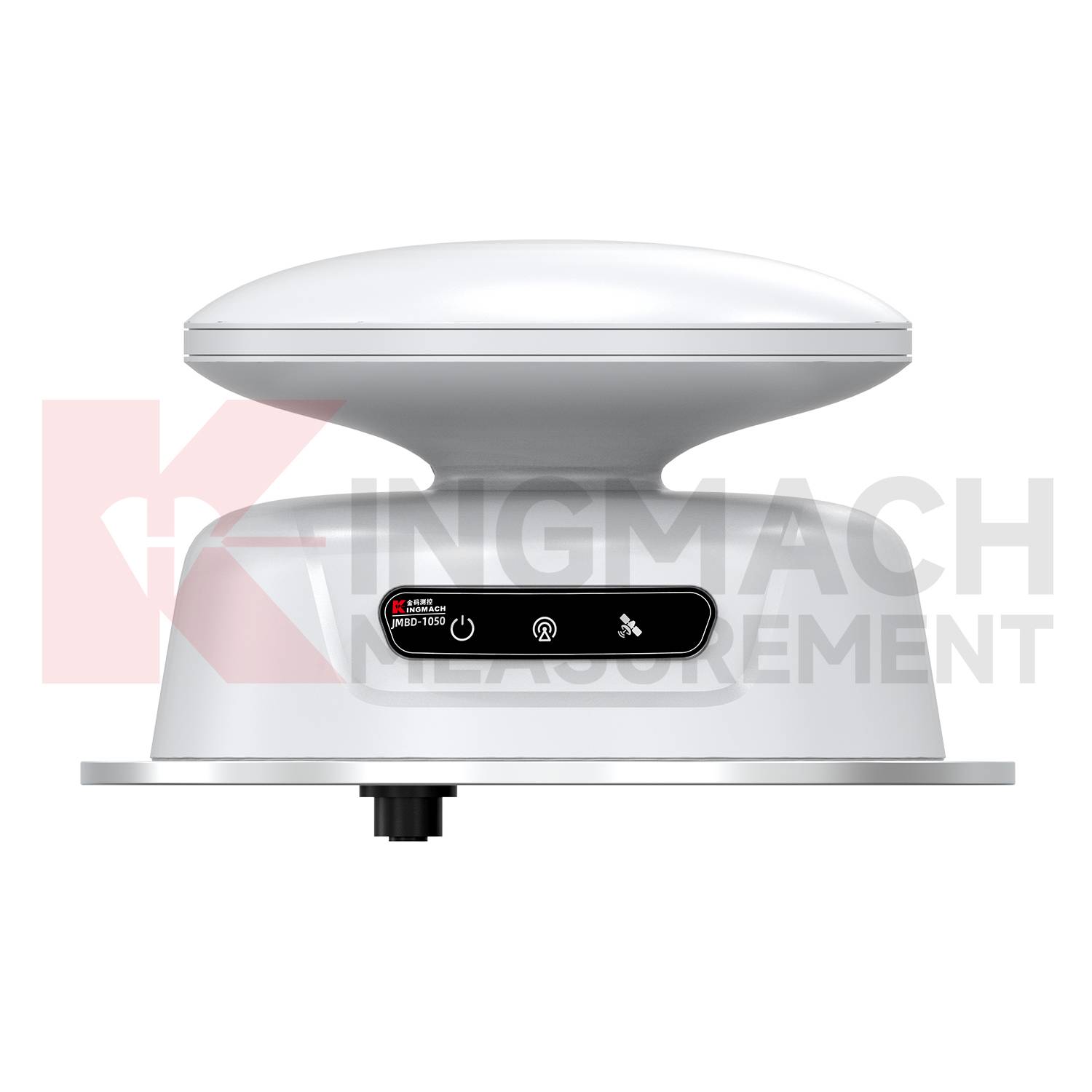


MUX Series Communication Interface Device for Security and Stability Control System
Nanjing NR Electric Co., Ltd.

20 Inch 1600*900 Full HD 60Hz TFT LED Monitor with VGA and DP Interfaces for Desktop Computers-Business Use
Guangzhou Zanying Optoelectronics Technology Co., Ltd.

TWP16 P-Band Tropospheric Wind Profile Radar
China Huayun Meteorological Technology Group Co., Ltd.