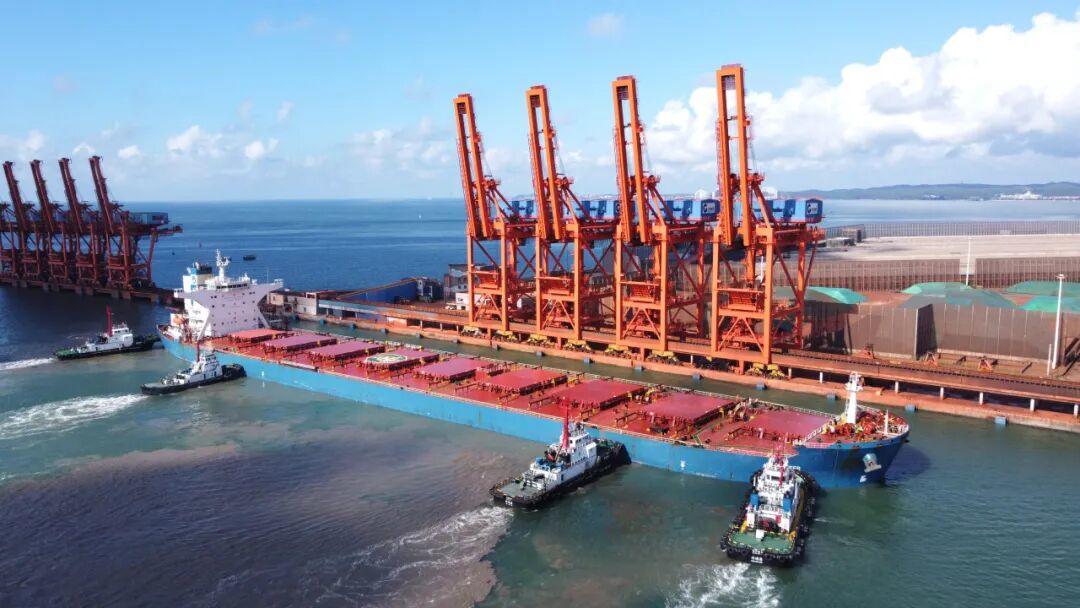
South Africa's Transport Minister Creecy Advances Railway and Port Logistics Reforms
en.Wedoany.com Reported - South Africa's Transport Minister Barbara Creecy stated at the Southern African Transport Conference held in Pretoria on July 6 that the country must advance reforms in the transport and logistics sectors to make them a driving force for sustainable and inclusive economic growth. Creecy pointed out that global economic fluctuations, regional and global conflicts, resource constraints, and environmental risks are impacting the efficiency of South Africa's passenger transport, freight transport, and supply chains. She also noted that years of underinvestment in logistics infrastructure, coupled with a decline in railway and port performance after the pandemic, have increased competitive pressure from neighboring countries.
Creecy has placed railway and port reforms at the core of the government's transport agenda, with the goal of re-establishing railways as the backbone of the freight logistics system. She also emphasized the need to build sustainable transport systems that reduce environmental impact while withstanding the shocks of climate change, and to advance digitalization in this sector.
Mteto Nyati, Chairman of the state-owned enterprise Eskom, noted at the conference that many challenges facing various industries in South Africa are self-inflicted and must be addressed. He believes that the transport and logistics sectors can learn from Eskom's experience in turning losses into profits in recent years. Nyati emphasized the importance of competent and strong leadership, diverse team composition (including gender, race, and age dimensions), and employee engagement, while also highlighting the significance of shareholder coordination.
Nyati explained that Eskom focuses on addressing systemic issues in operations, finance, and sustainability, avoiding piecemeal responses. At the strategic level, he advocates for simplicity, decentralizing ownership of strategy execution, and strengthening oversight and foresight capabilities. He also called for establishing accountability mechanisms, including clear metrics, consequence management, performance-based pay, and the involvement of board committees. In terms of communication, he suggested telling people-centered stories, maintaining a unified voice, taking control of the narrative, and honestly acknowledging failures.
Related Products


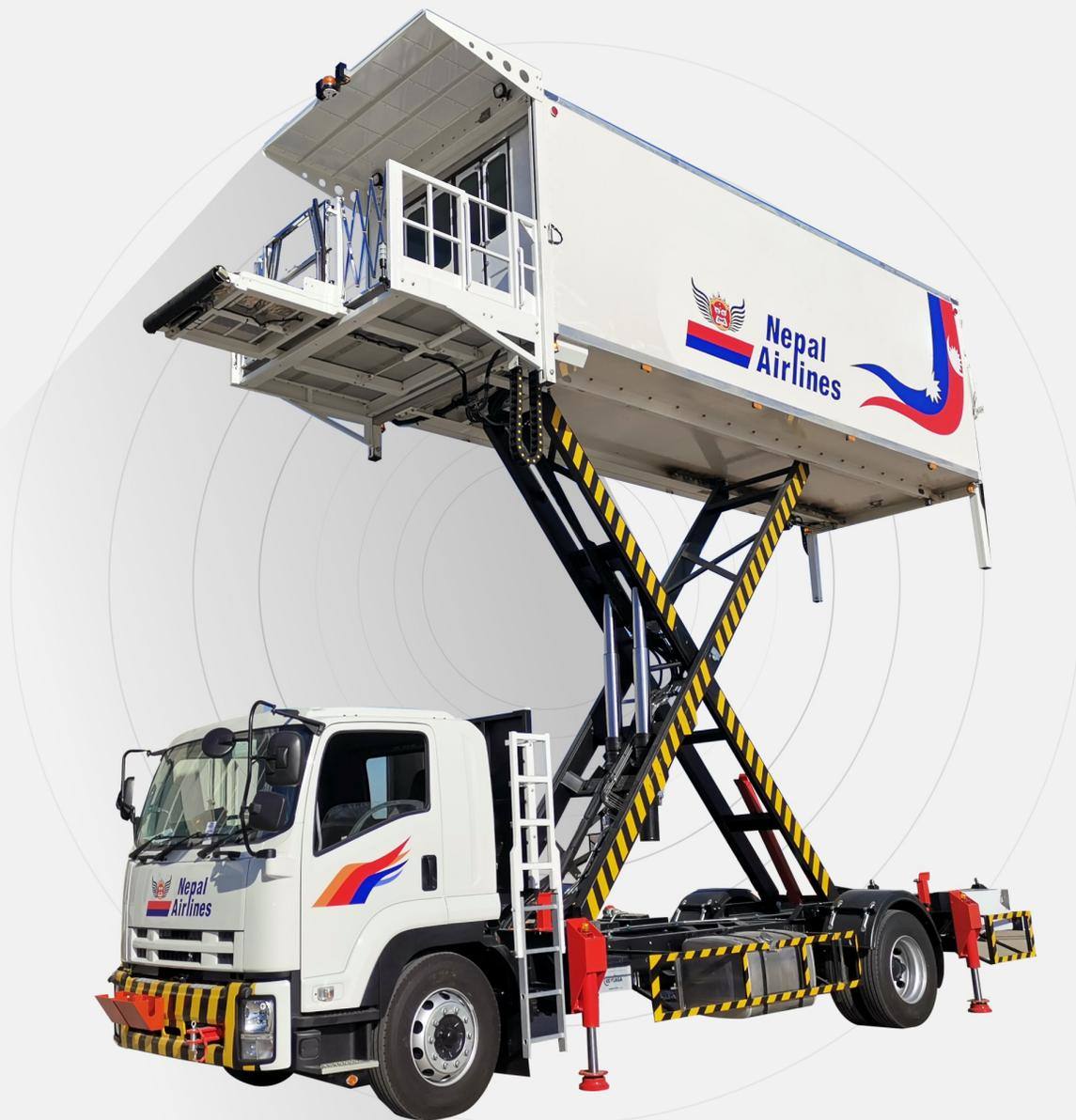
XC-6000e Type Aviation Catering Truck (Fuel Type)
Shenzhen CIMC-TianDa Airport Support Ltd.
Industrial and Commercial Point-Type Gas Detector
Jinan Benan Technology Development Co., Ltd.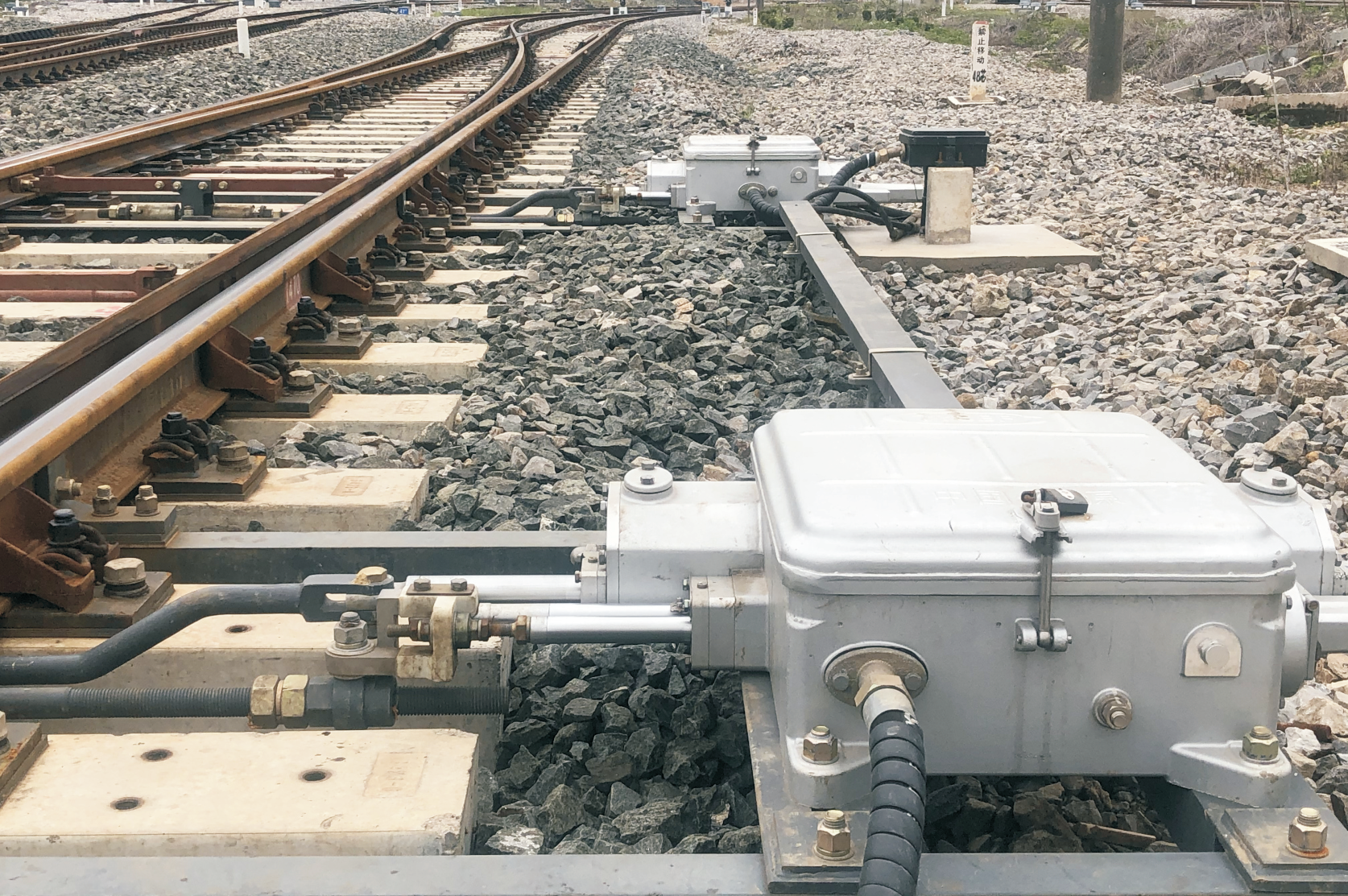
ZY(J)7(M) Sealed Type Electro-Hydraulic Turnout Machine
TAIYUAN CR JINGFENG EQUIPMENT TECHNOLOGY CO., LTD.
ERW Welded Pipe (Black Pipe and Hot-dip Galvanized Steel Pipe)
Handan Zhengda Steel Pipe Co., Ltd.
WGQY Series Aircraft Tow Tractor-WGQY15, WGQY27
Weihai Guangtai Airport Equipment Co., Ltd.



Pantograph-Catenary Comprehensive Detection Device (1C)
CHENGDU TANGYUAN ELECTRIC CO., LTD.