US Plans Over 60 GW of Pumped Storage to Meet AI Power Demand
en.Wedoany.com Reported - Pumped storage hydropower (PSH) will play a central role in addressing the power demand challenges posed by artificial intelligence. According to the National Hydropower Association (NHA) report, "Winning the AI Race: Unlocking the Potential of Pumped Storage Hydropower," there are currently over 60 gigawatts (GW) of proposed PSH projects in the Federal Energy Regulatory Commission (FERC) licensing pipeline, encompassing approximately 80 projects nationwide.
About 85% of these projects are located in the western United States, a region expected to see the fastest growth in electricity demand and home to numerous planned new data centers. This geographic overlap between demand centers and proposed energy storage projects highlights the potential role of long-duration storage in supporting grid expansion.
The report states that over the next decade, electricity consumption in the Western Interconnection is projected to grow by more than 20%, driven primarily by data centers, advanced manufacturing, and electrification. Meanwhile, the region plans to retire over 24 GW of existing coal, natural gas, and nuclear power capacity. The combination of rising demand and declining conventional generation creates a structural reliability challenge. The replacement generation capacity expected to come online will largely consist of variable renewable energy and short-duration battery storage. Data centers running AI workloads require extremely stable power supplies and cannot tolerate prolonged outages or significant voltage and frequency deviations. The report argues that PSH can directly address this reliability gap by providing not only long-duration energy storage but also synchronous inertia, voltage support, and black start capabilities.
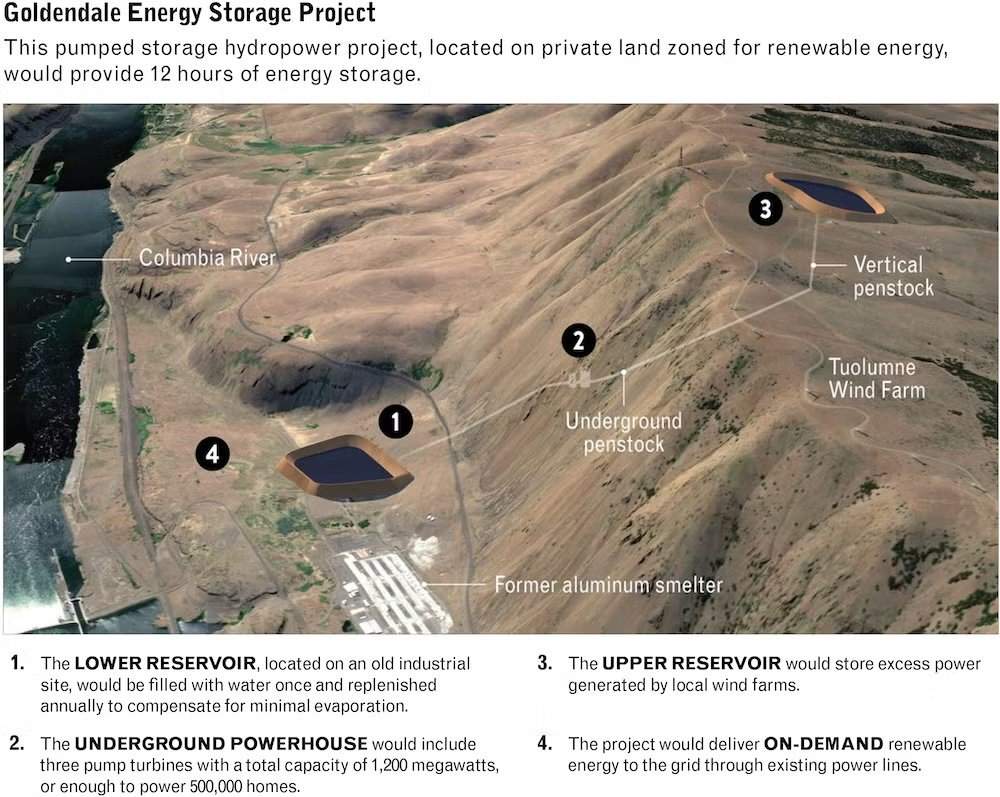
In the United States, pumped storage hydropower is already the dominant form of long-duration energy storage, accounting for nearly 90% of installed long-duration storage capacity. While battery storage typically provides a few hours of capacity, PSH facilities are generally designed to generate electricity for eight hours or longer, enabling them to address extended system imbalances. As the integration of wind and solar power increases, long-duration storage allows operators to shift large amounts of energy over daily or multi-day cycles, smoothing fluctuations and reducing curtailment. The mechanical inertia provided by PSH, an inherent characteristic of rotating turbines and generators, remains critical for system stability.
The geographic distribution of generation also influences the role of PSH in grid planning. Many new renewable energy projects in the western U.S. are located far from demand centers such as Phoenix and Salt Lake City, and congestion on major transmission corridors already limits the delivery of low-cost power. The report suggests that PSH can serve as both an energy storage resource and a form of network support. Facilities located near demand centers can reduce reliance on congested transmission corridors, while projects situated near renewable energy hubs can absorb excess energy. PSH can enhance the transmission capacity of existing networks without undergoing the lengthy planning processes required for new high-voltage transmission infrastructure.
Despite the substantial development pipeline, no new pumped storage projects are currently under construction in the United States. The primary obstacles are financial and regulatory. PSH projects typically involve high upfront capital costs and long construction timelines, making it difficult for developers to secure long-term revenue certainty in electricity markets that do not fully compensate for long-duration storage or reliability services. The report argues that existing markets undervalue the inertia, frequency response, and black start capabilities provided by PSH, and mechanisms to monetize these services remain limited.
The report calls on FERC to take action to address market design challenges. It recommends that regulatory initiatives could update market participation models, establish compensation mechanisms for grid-forming services, and revise capacity certification frameworks to better reflect long-duration performance. Such reforms aim to allow various long-duration energy storage solutions to compete on equal terms based on their reliability value.
The report also highlights the potential role of federal financing tools in supporting PSH development. The U.S. Department of Energy's Title 17 loan guarantee program has explicitly included infrastructure supporting grid reliability as an eligible category, which can help mitigate financing risks during project construction. The Department of Energy's Grid Resilience and Innovation Partnerships (GRIP) program, with over $10.5 billion in funding, can support pumped storage development through revenue stabilization mechanisms during the early operational phase of projects, improving their bankability.
The report positions pumped storage hydropower as a strategic infrastructure resource for the emerging digital economy. AI data centers and advanced manufacturing facilities require a continuous, high-quality power supply. Policymakers need to ensure that regulatory frameworks and electricity markets evolve quickly enough to support the construction of large-scale reliability assets. If AI power demand continues to grow at its current pace, long-duration energy storage technologies, including pumped storage hydropower, could become an increasingly important component of grid planning.
Related Products
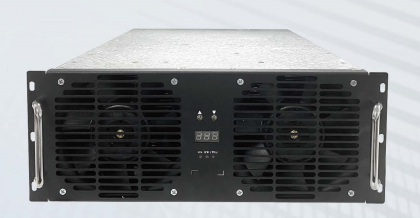

80kW Megawatt Supercharging Module TH80F10030C9
Shijiazhuang Tonhe Electronics Technologies Co., Ltd.
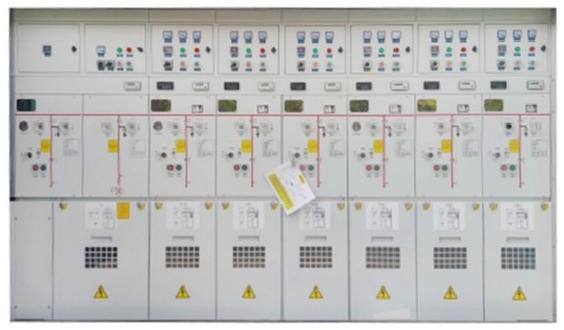
NISELA Series Environmentally Friendly Gas-Insulated Ring Main Unit
XJ DELISHIER ELECTRIC CO., LTD.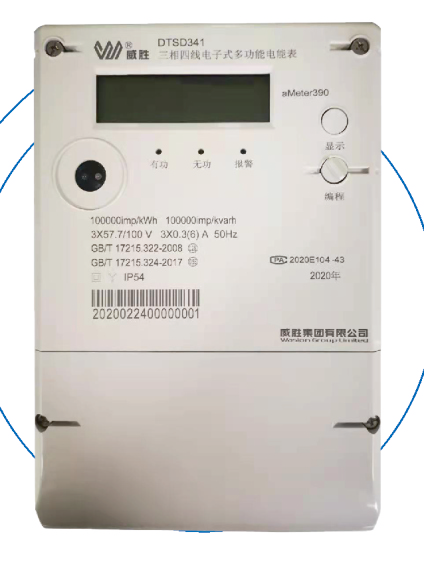
Overseas IEC Gateway Energy Meter - DTSD341/DSSD331-aMeter390
Wasion Group Limited Co., Ltd.
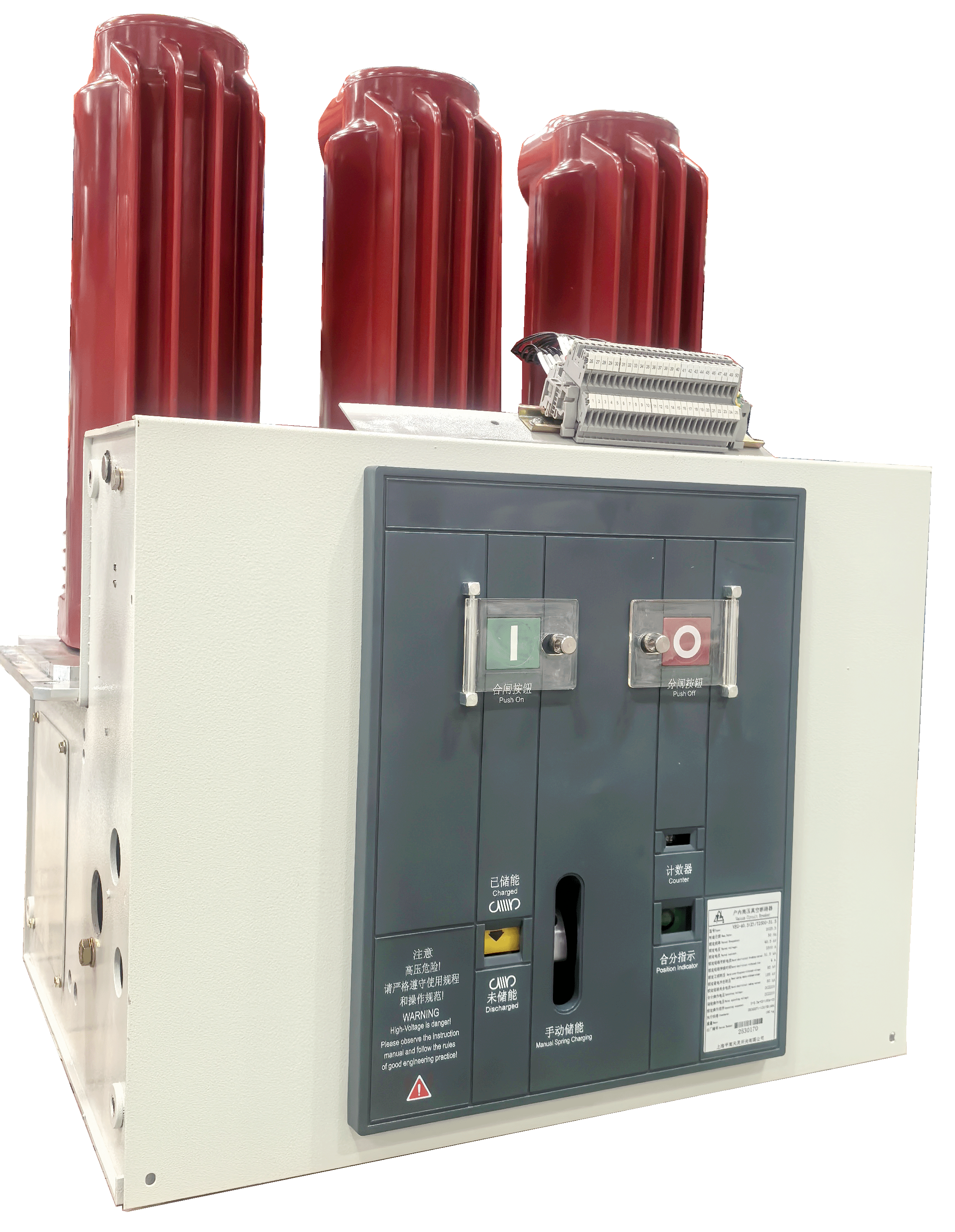
VEG-12/24/40.5 Series Vacuum Circuit Breaker
SHANGHAI PINGGAO TIANLING SWITCHGEAR CO., LTD.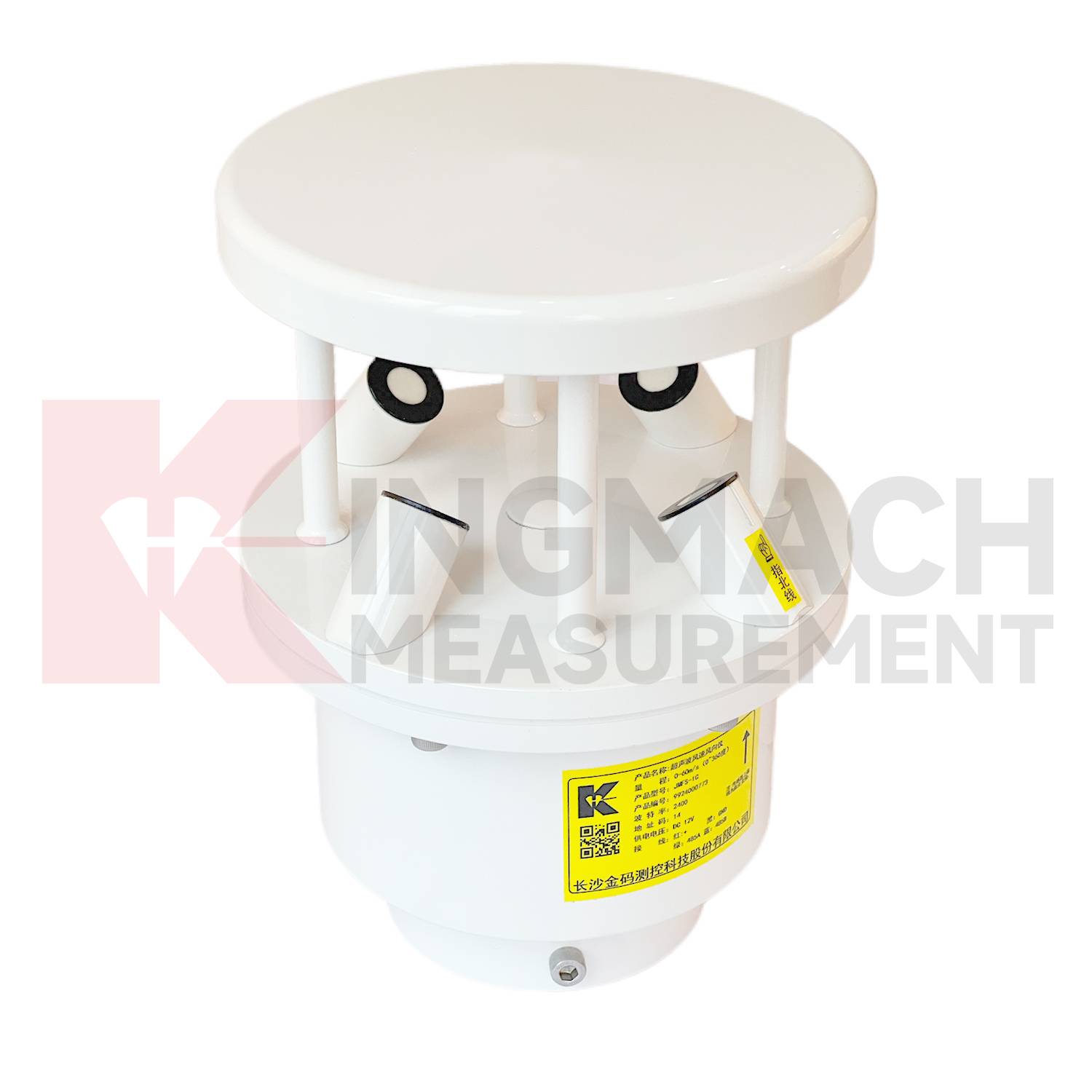
Ultrasonic Wind Speed and Direction Instrument
Kingmach Measurement & Monitoring Technology Co., Ltd.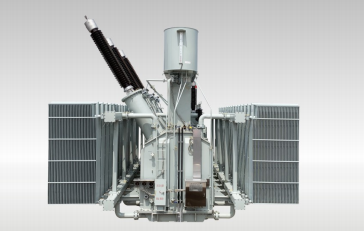
220kV and Below Voltage Level Energy-saving Oil-immersed Power Transformers
FuZhou TianYu Electric Co., Ltd.