China has built 233 weather radars, deploying flood control and disaster relief during the main flood season
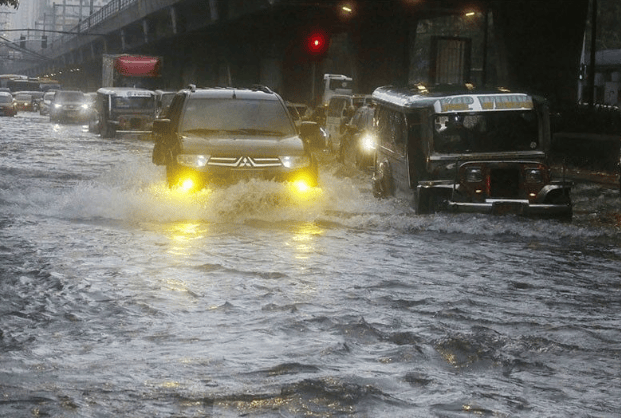
en.Wedoany.com Reported - Chinese President Xi Jinping recently issued important instructions on flood control and disaster relief, calling for full efforts in organizing rescue operations, treating the injured, and resettling the affected population to minimize casualties and prevent secondary disasters. Recently, Guangxi, Hubei, Gansu, and other regions have experienced extreme rainstorms and floods, leading to reservoir dam failures and landslides, triggering dangerous situations and disasters.
According to forecasts from the Ministry of Water Resources, during the main flood season (July to August) this year, both northern and southern China will face rainy areas, with an increase in localized extreme rainstorms and floods, and strong typhoons moving northward to affect inland areas. Currently, the residual cloud system of Typhoon "Maysak" continues to impact Guangxi and other regions; starting July 10, Typhoon "Bavi" will approach and make landfall along China's eastern coast, affecting six river basins including the Taihu Lake, Yangtze River, Huaihe River, Yellow River, Haihe River, and Songliao River, with high landfall intensity, abundant moisture, and high disaster risk. Although the traditional critical flood prevention period of "late July to early August" has not yet arrived, the challenges of rainstorms and floods caused by extreme weather continue to intensify, with frequent occurrences of water-related disasters that break historical records and defy conventional understanding. Relevant departments must attach great importance to every round of rainfall and every flood, making every effort to defend against rainstorms and floods and handle dangerous situations, ensuring the safety of people's lives and property.
The key to flood control lies in prevention, with an emphasis on early action. Currently, the national water conservancy system has built 233 weather radars and operates a total of 137,000 hydrological monitoring stations. Relevant departments need to rely on meteorological satellites, weather radars, rain gauge stations, and hydrological stations to closely monitor the paths and affected areas of typhoons such as "Maysak" and "Bavi," as well as the development trends of subsequent typhoons, strengthen monitoring, forecasting, and early warning of rainfall and water conditions, and ensure that critical information reaches frontline defense units directly.
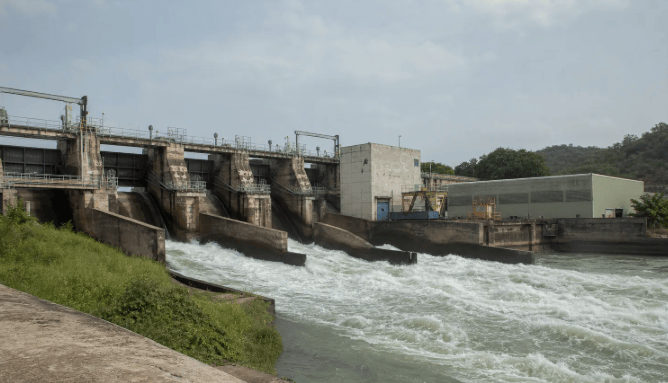
China's major rivers, large lakes, and their tributaries are complex and cover vast watersheds, hosting important cities, energy bases, and grain production bases, making them the top priority for flood control. Each river basin needs to review and improve flood defense plans on a water system basis, implement rolling measures for forecasting, early warning, simulation, and contingency planning, and precisely regulate the flood control engineering system of the basin. Ensuring the safety of reservoirs during the flood season is a key aspect of flood control. China has the largest number of reservoir dams in the world, but over 80% were built between the 1950s and 1970s, with many dangerous reservoirs and earth-rock dams, making reservoir safety management an extremely challenging task.
All regions need to improve the graded and classified pre-disaster early warning "response" mechanism, strictly implement the responsibilities and measures for the five key links of "who organizes, who is relocated, when to relocate, where to relocate, and no unauthorized return," and promptly and decisively organize the evacuation of people from dangerous areas to avoid panic during emergencies. For reservoirs that have already experienced incidents, monitoring and assessment of risk areas must be strengthened, rescue and disaster relief operations carried out in an orderly manner, and thorough searches and evacuations of personnel conducted to ensure no unauthorized returns. All regions need to comprehensively investigate and address risks and hazards in local reservoirs, pre-position rescue forces, materials, and equipment, and ensure that dangerous situations are addressed early, on a small scale, and effectively. All relevant departments at all levels must strengthen emergency duty, resolutely shoulder the political responsibility for flood control, overcome complacency and fluke mentality, and respond to the uncertainty of disaster risks with the certainty of proactive actions, ensuring all aspects of disaster prevention and relief are well executed.
Related Products



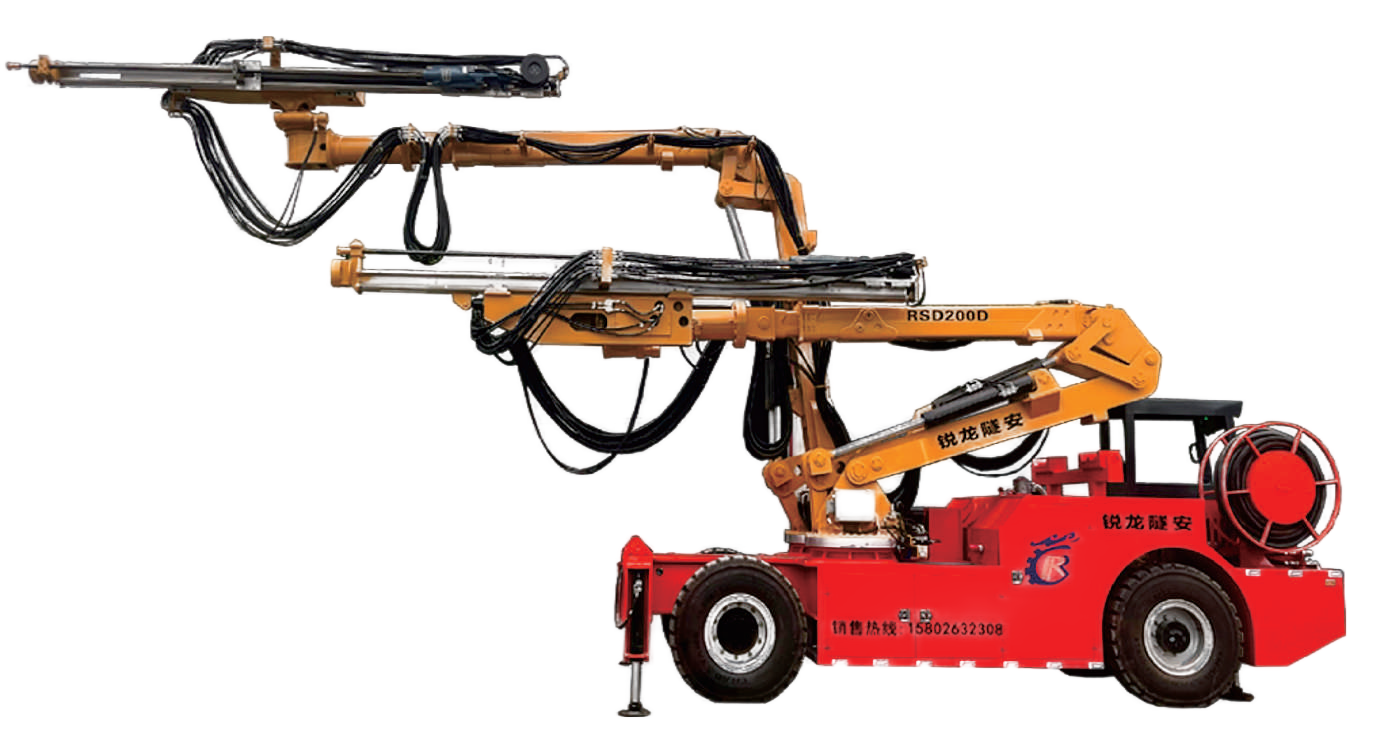
Dual-curved Arm Rock Drilling Trolley RSD200D
Chengdu Ruilong Machinery Manufacturing Co., Ltd.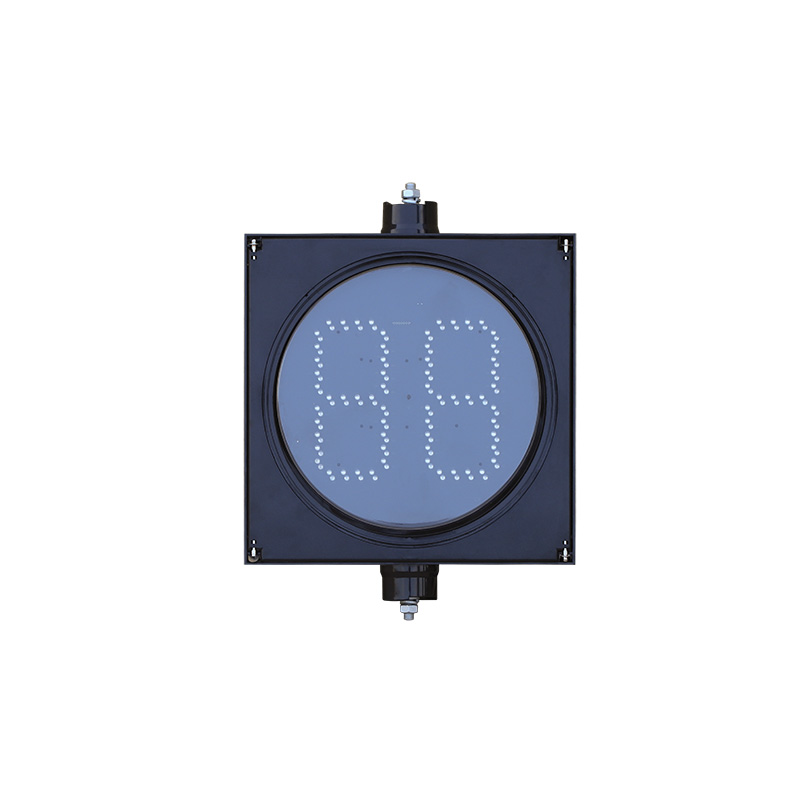
300mm Segment Type Countdown Traffic Light (Core Type)
Yangzhou FAMA Intelligent Equipment Co., Ltd.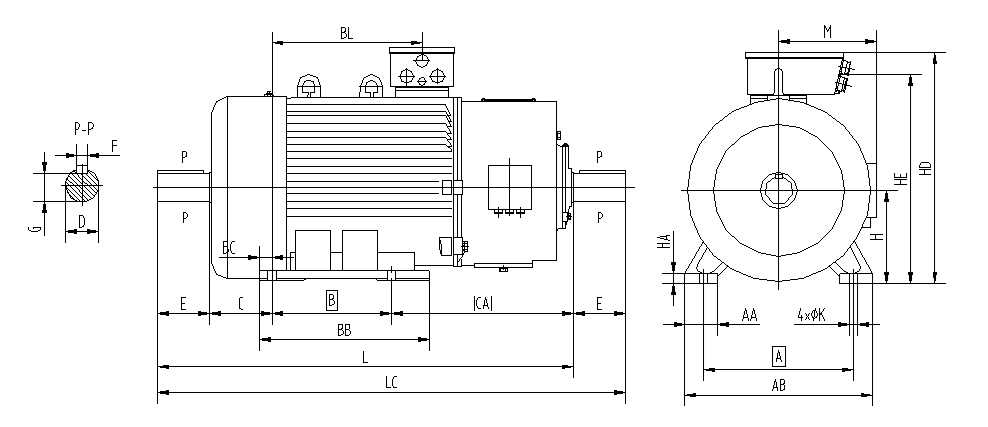
YZR (450-560) Series Wound Rotor Three-Phase Asynchronous Motors for Crane and Metallurgical Applications
Jiamusi Electric Machine Co., Ltd.
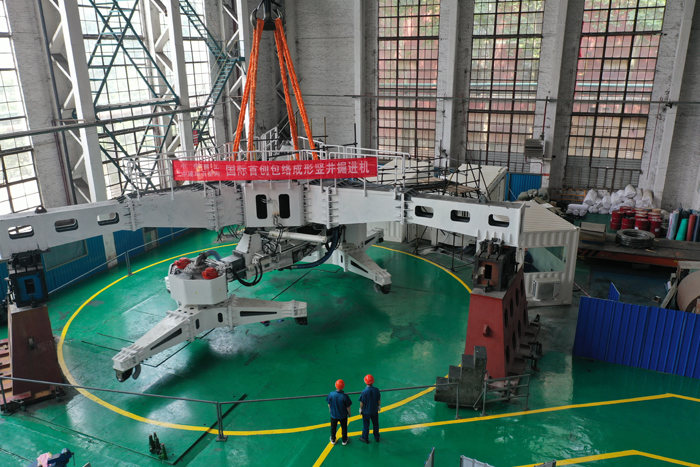
CITIC Heavy Industries Tunneling Equipment Tunnel Engineering Shield Machine
CITIC Heavy Industries Co., Ltd.

Ceiling light | led Ceiling Light | LED Indoor light | LED Ceiling lighting
Queendom Group Technology Co., Ltd.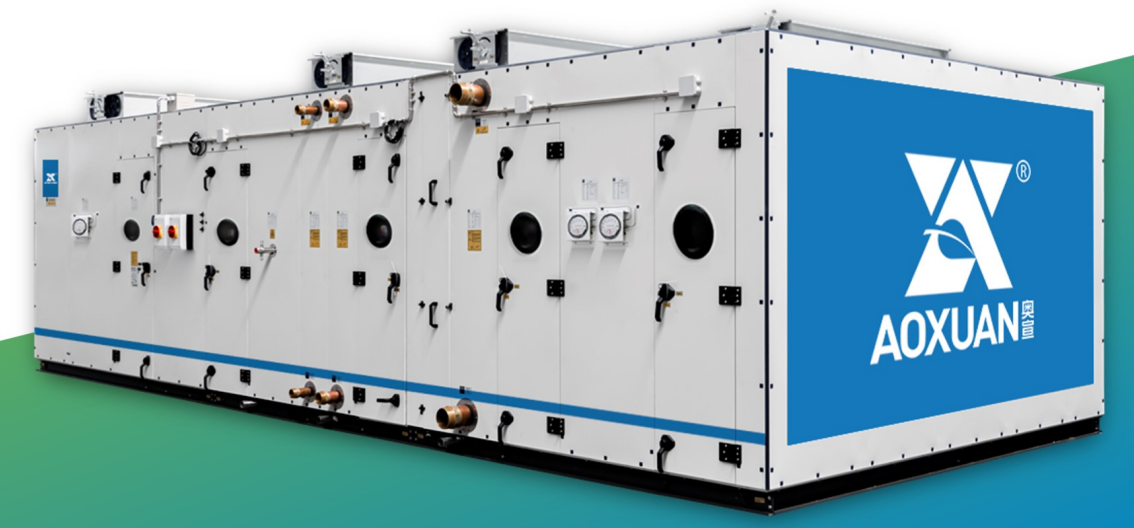
Aoxuan Intelligent Precision Air Conditioning Unit
SHANGHAI AOXUAN PURIFICATION TECHNOLOGY CO., LTD.