Spain Allocates €212 Million to Transform Six Ports for Offshore Wind
en.Wedoany.com Reported - The Ministry for Ecological Transition and the Demographic Challenge (MITECO), through the Institute for Energy Diversification and Saving (IDAE), has allocated €212 million in European aid to transform six ports of general interest to support the deployment of offshore wind and other marine renewable energy sources. This funding, from the PORT-EOLMAR program, will be used to adapt docks and yards to accommodate the manufacturing, assembly, transport, and maintenance of large offshore wind turbines.
The tender, included in Component 31 (REPowerEU) of the Recovery, Transformation and Resilience Plan (PRTR) and financed by the NextGenerationEU fund, has issued favorable rulings on the five applications submitted. The final resolution was published on June 26, 2026, with no projects rejected or dismissed. The aid is distributed across three maritime areas and will benefit the port authorities of Castellón, Tarragona, Las Palmas, A Coruña, Ferrol-San Cibrao, and Gijón.
The largest allocation goes to the Golfo Ártabro-Offshore Wind project, jointly promoted by the ports of A Coruña and Ferrol-San Cibrao, which will receive €100 million, making it the highest-rated project in the entire tender. In the Mediterranean, the Port of Castellón will receive €50.83 million for the expansion of the coastal dock in the southern basin, although this amount is only a partial approval of the nearly €75 million requested. The remaining €24.16 million will be held on a waiting list for six months, pending funds released due to withdrawals or surpluses. The Port of Tarragona will receive an additional €24 million for the second phase of the Balearic Quay expansion. In the Canary Islands, the Port of Las Palmas will receive €30 million for the expansion of the Juan Sebastián Elcano Quay, and the Port of Gijón will receive €7.17 million for the adaptation of the RAF Quay and its logistics yard.
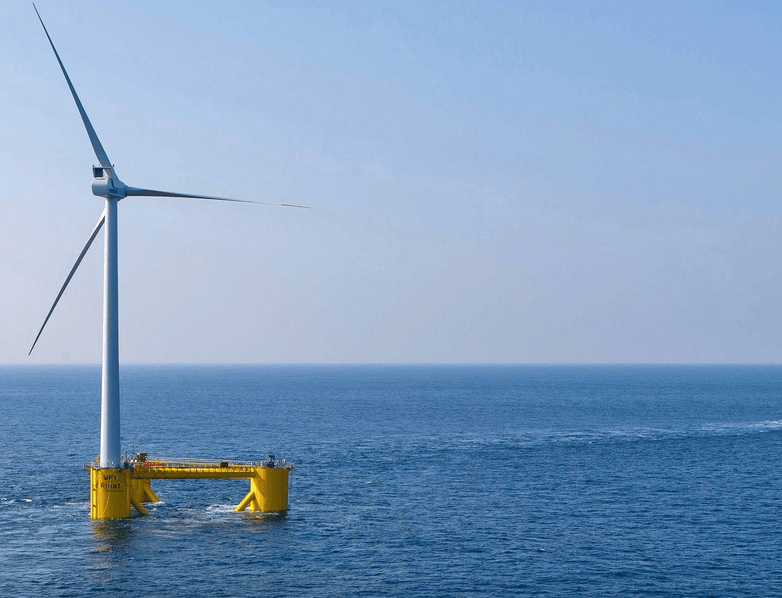
The goal of PORT-EOLMAR is to transform port infrastructure into logistics and industrial bases capable of supporting the growth of offshore wind and other marine renewable energy technologies. The enormous size of offshore wind turbines forces most components to be assembled on land before being towed to their final location. These operations require ports with large storage areas, high structural strength docks, sufficient berth length, and adequate water depth—conditions currently met by few European port facilities. The aid is granted through competitive tenders and subsidies, covering up to 100% of project costs depending on the maritime area. Projects have a maximum execution period of 48 months and must be completed by December 31, 2030.
One of the main features of the program is that each port project must be linked to a private industrial project related to the offshore renewable energy value chain. To receive aid, promoters must demonstrate private investment equal to or greater than the subsidy requested, commit to maintaining the activity for at least ten years, and develop the project under a concession awarded through a public competitive process. Thanks to this requirement, the government expects public investment to act as a driver for industrial activity. Overall, the five projects are expected to leverage over €470 million in private investment, more than double the public financing received. The Golfo Ártabro project concentrates most of this investment, with commitments exceeding €281 million.
PORT-EOLMAR is part of the government's strategy to strengthen Spain's position in the marine renewable energy value chain and enhance the competitiveness of national ports as industrial hubs. The program complements other initiatives promoted by MITECO, such as RENMARINAS DEMOS (for testing and demonstrating marine technology prototypes), and aligns with the objectives of the European REPowerEU plan and Spain's 2021 roadmap for offshore wind and marine energy development. Through this tender, the government aims to prepare Spanish ports for the future commercial deployment of offshore wind and consolidate the national industry's position in a strategic area of Europe's energy transition.
Related Products

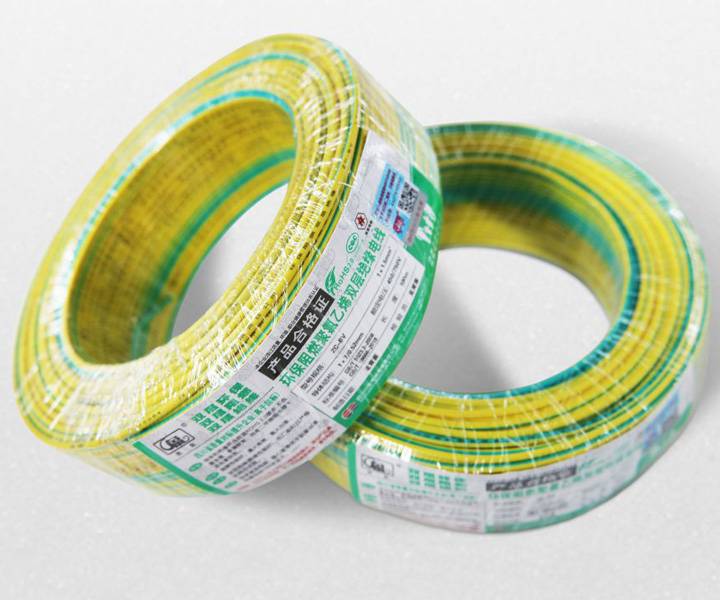
Environmentally Friendly Flame-retardant PVC Double-layer Insulated Wire
Sichuan Chndo Cable Co., Ltd.
714CD Series C-Band Weather Radar
Chengdu Zhongdian Jinjiang Information Industry Co., Ltd.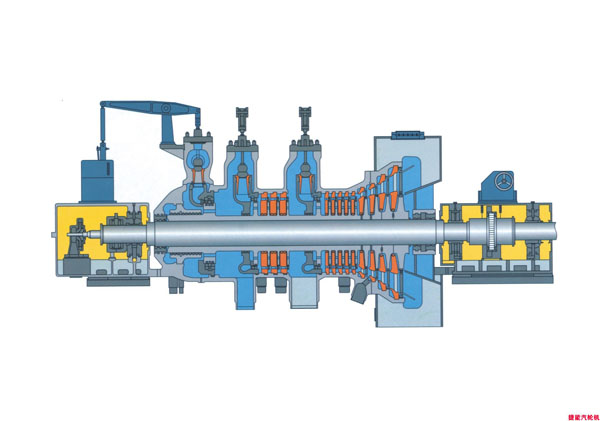
6kV-35kV Medium and High Voltage Direct-Connected Energy Storage System
Hainan Jinpan Smart Technology Co., Ltd.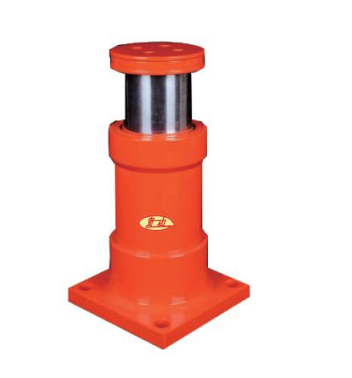
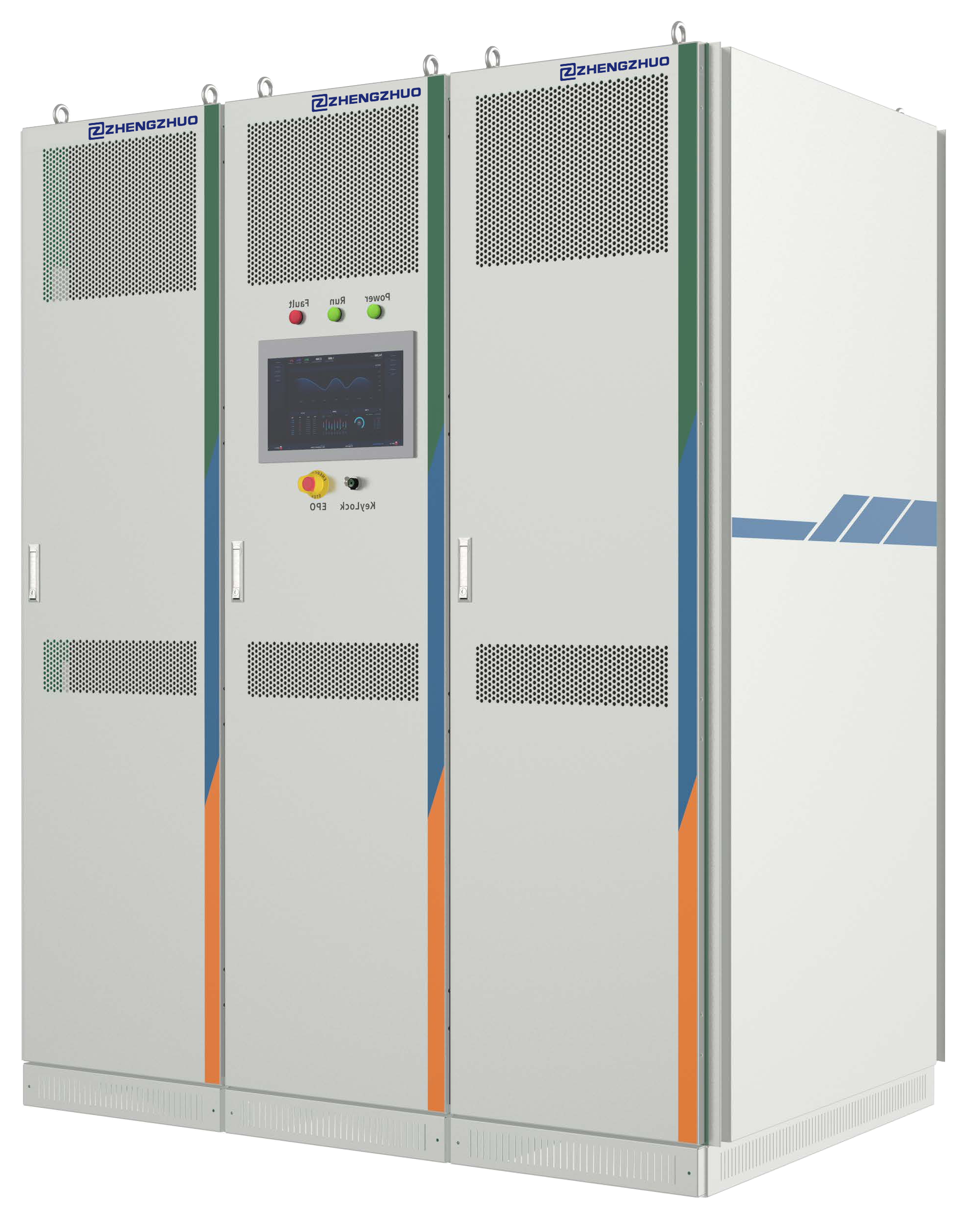
IGBT Hydrogen Production Power Supply - High Power Air Cooling
Beijing Zhengzhuo Engineering Technology Co., Ltd.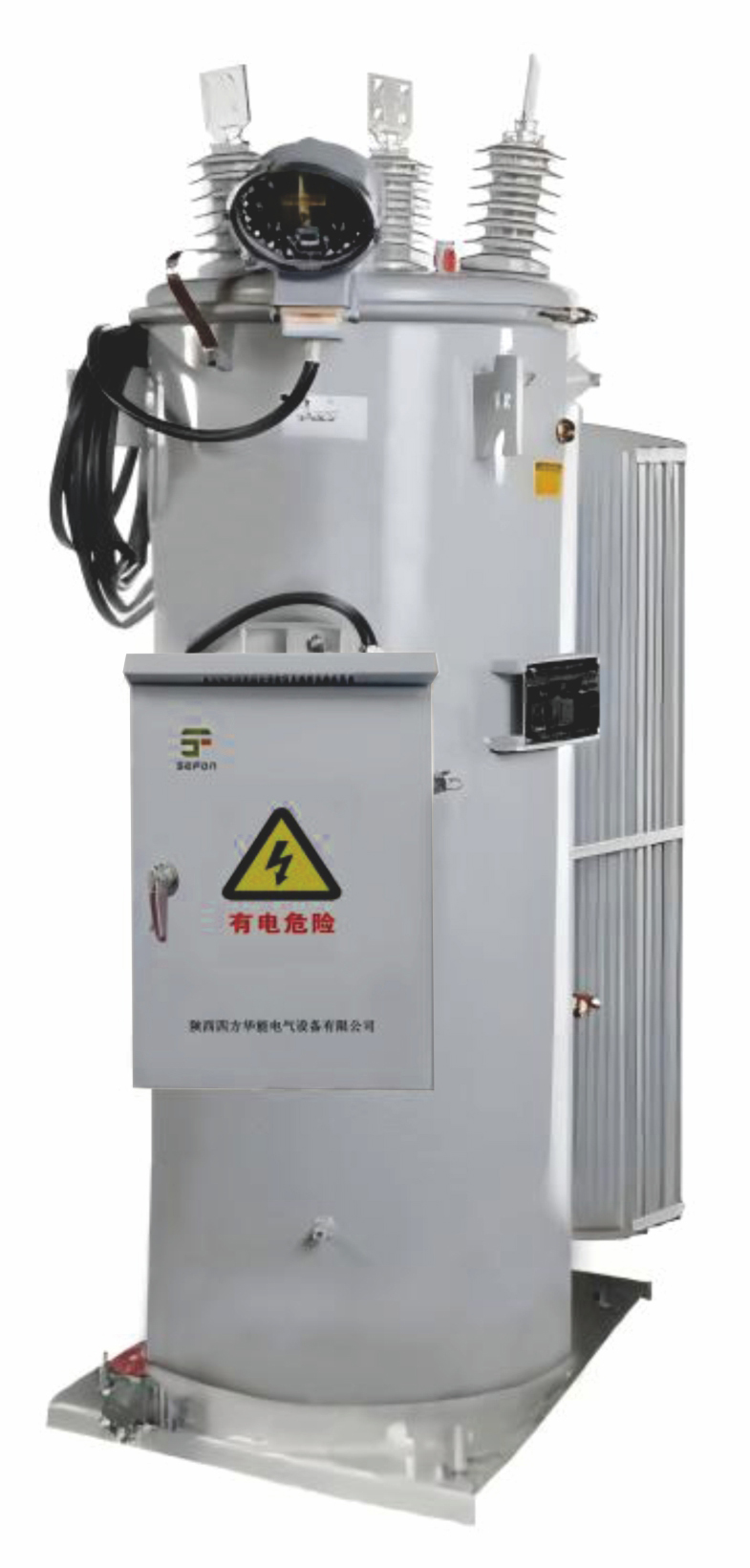
Single-Phase Automatic Voltage Regulator(AVR)
Shaanxi Sefon Electrical Equipment Co.,Ltd.
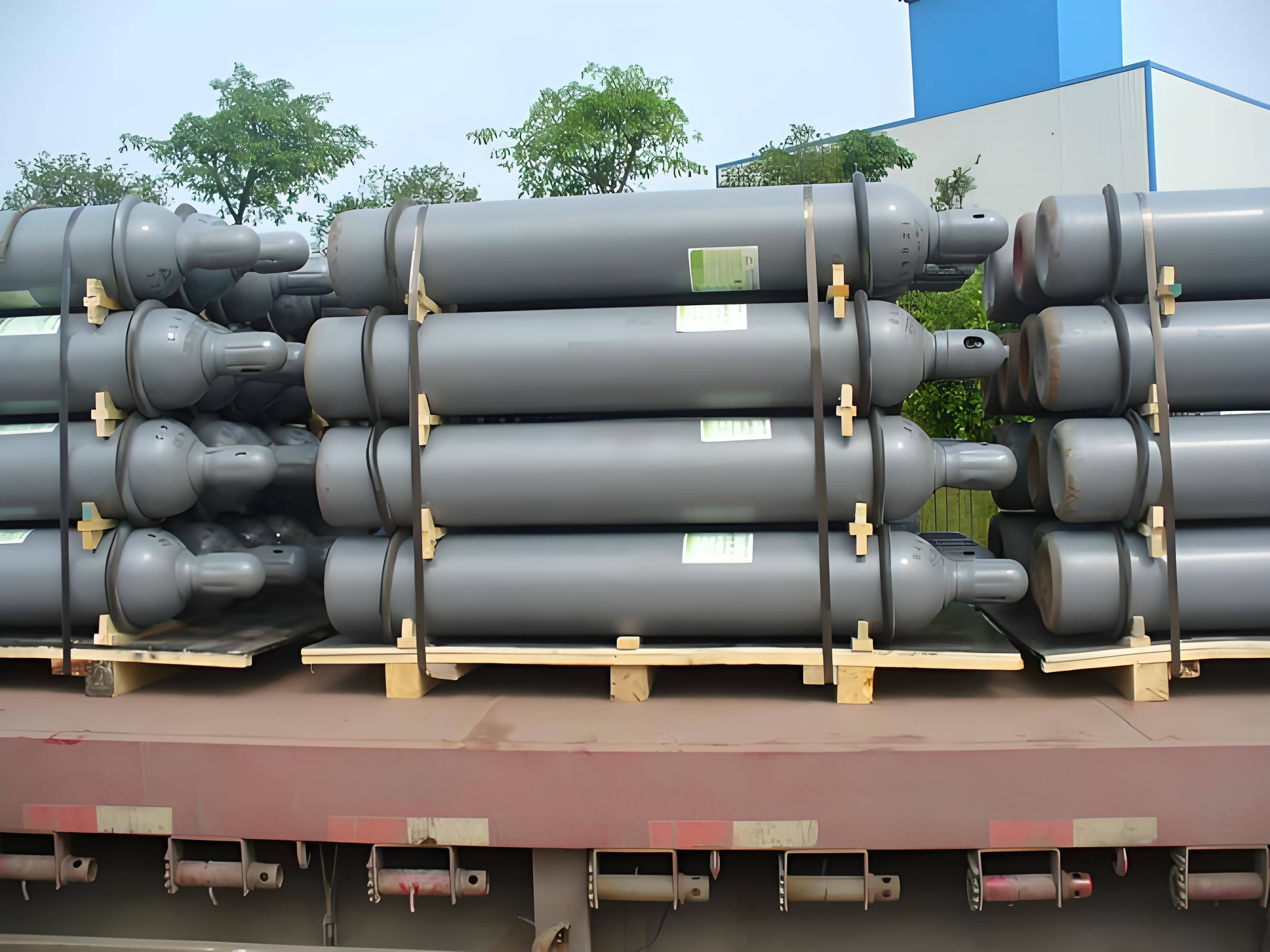
Global Sulfur Hexafluoride Gas Supply and Cylinder Export
Foshan Yuexin Industrial Gas Co., Ltd.