Brazil Includes Battery Storage in 525.1 Billion Real Agricultural Credit Plan for 2026/2027
en.Wedoany.com Reported - The Brazilian government has included battery energy storage systems in the credit scope of the 2026/2027 Plano Safra plan, allowing rural producers to finance the purchase of related equipment through federal agricultural credit lines for the first time, aiming to expand the application of renewable energy in agriculture and enhance the stability of electricity supply.
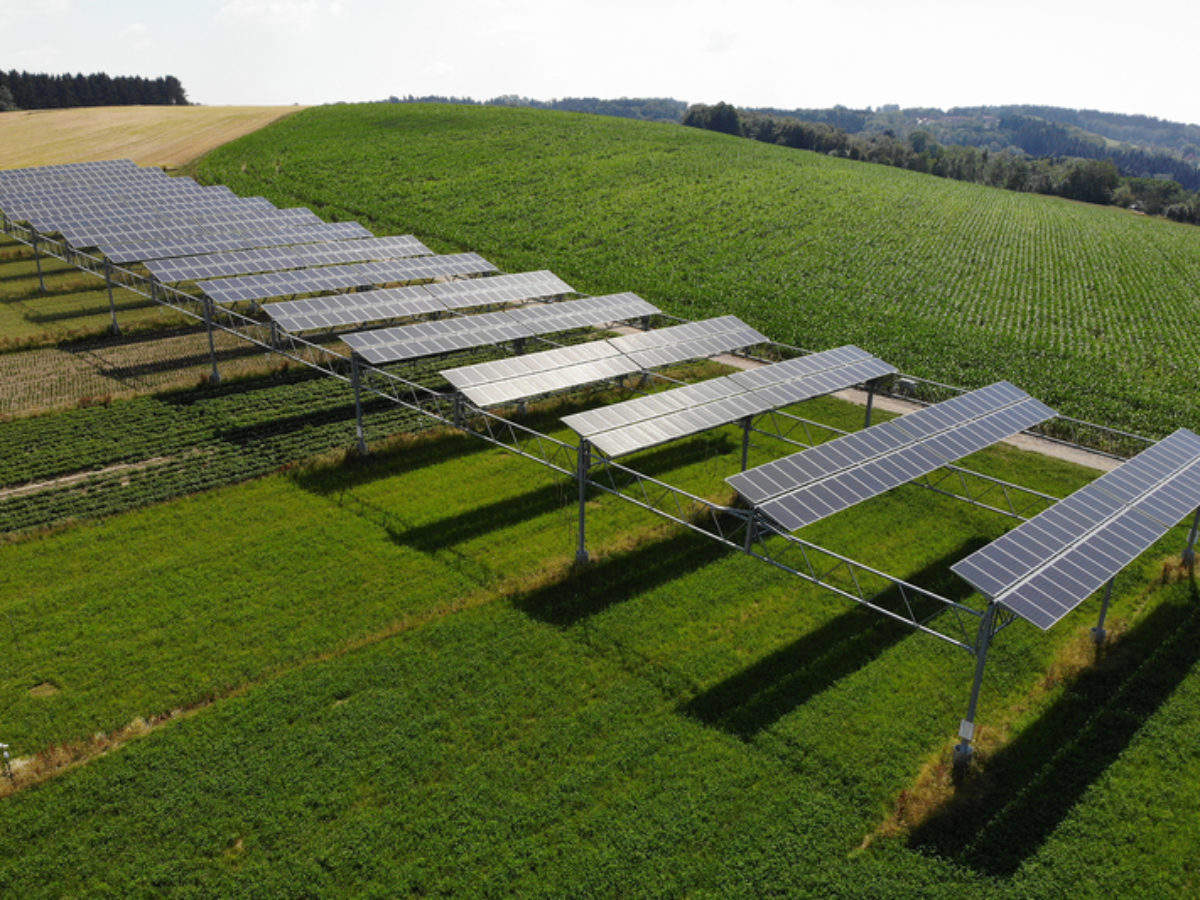
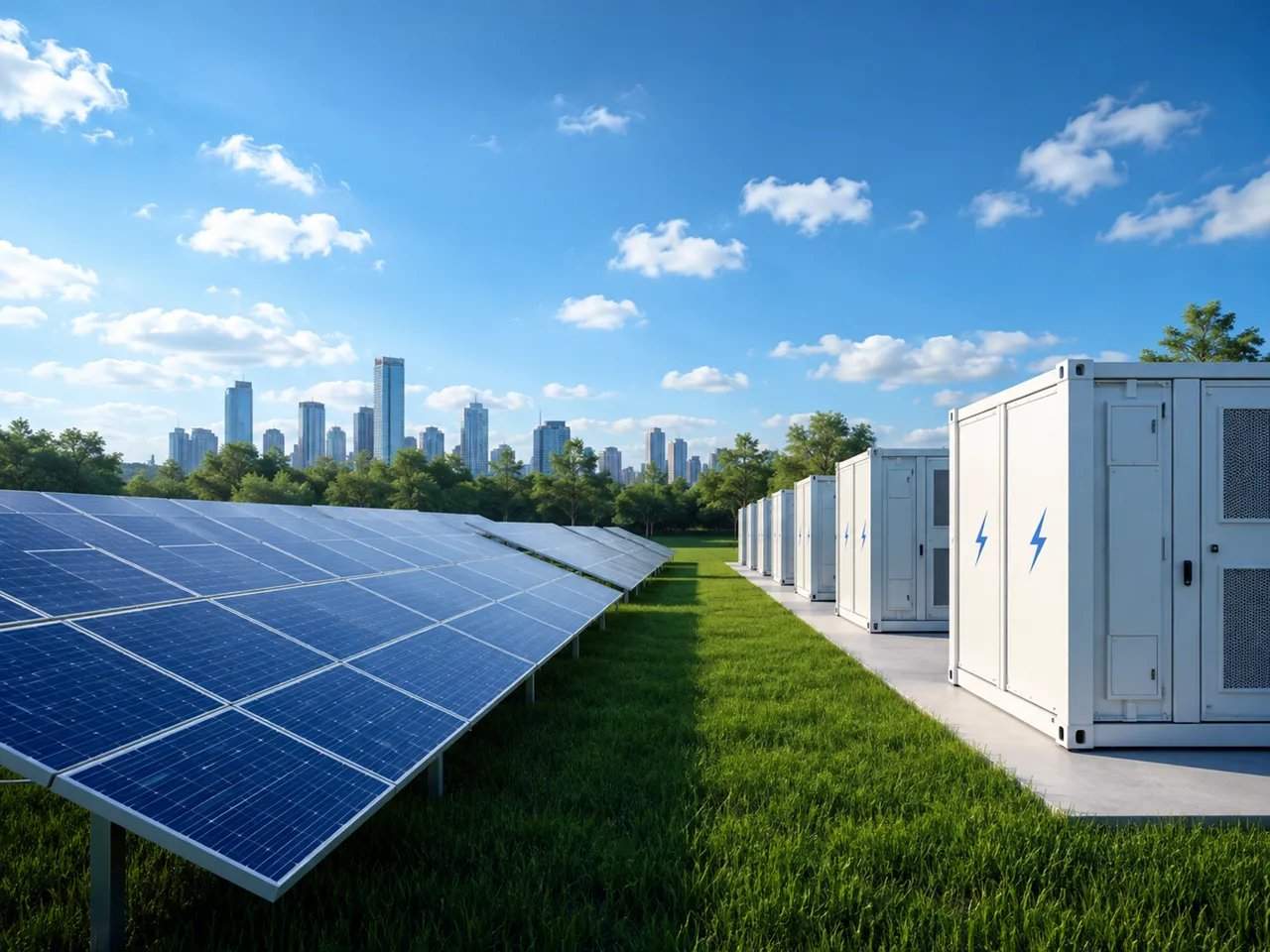
The new Plano Safra plan provides a record 525.1 billion reais for the agricultural sector, an increase of 8.9 billion reais from the previous period, designed to stimulate investment in innovation, sustainability, and productivity improvement in rural properties. The inclusion of battery storage enables programs such as Inovagro and Prodecoop to cover electricity storage content, allowing producers to more efficiently utilize electricity generated by photovoltaic systems, especially during periods of high consumption or grid supply interruptions.
The Brazilian Solar Photovoltaic Association (ABSOLAR) considers this measure a strategic advancement in accelerating the energy transition of agribusiness. The sector is currently rapidly expanding the use of self-generated energy, with installed solar photovoltaic capacity in the field reaching 6.3 gigawatts (GW), accounting for over 13% of the country's total self-consumption solar installed capacity. The association's survey also shows that more than 806,000 rural properties in Brazil have adopted this technology to reduce production costs and improve efficiency.
Common agricultural applications of solar power include water pumping for irrigation, refrigeration of milk, meat, fruits, and vegetables, temperature control in poultry houses, rural lighting, electric fencing, telecommunications, property monitoring, and other operations dependent on continuous power supply. Industry experts point out that the combination of solar energy and battery storage can grant rural producers greater energy autonomy, helping to reduce dependence on traditional grids and buffer the impacts of electricity price fluctuations and supply disruptions.
Despite progress in the measures, credit costs are still seen as a major challenge to expanding investment. The Plano Safra plan has reduced some interest rates, currently ranging from 8% to 12.5% per annum, but the industry considers this level still high due to the elevated benchmark interest rate. For the renewable energy sector, the inclusion of storage systems is expected to incentivize new distributed generation projects, potentially enhancing the competitiveness of agribusiness and accelerating the decarbonization of Brazil's production activities. Through this initiative, the federal government has expanded the policy scope encouraging innovation in the field, strengthening the integration trend between agricultural production, energy efficiency, and sustainability.
Related Products

220kV Composite Outdoor Cable Terminal
Shenyang Guolian Cable Accessories Manufacture Co., Ltd.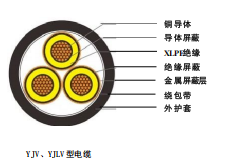
Rated Voltage 6-35kV Cross-linked Polyethylene Insulated Power Cable
TONGDING INTERCONNECTION INFORMATION CO., LTD.
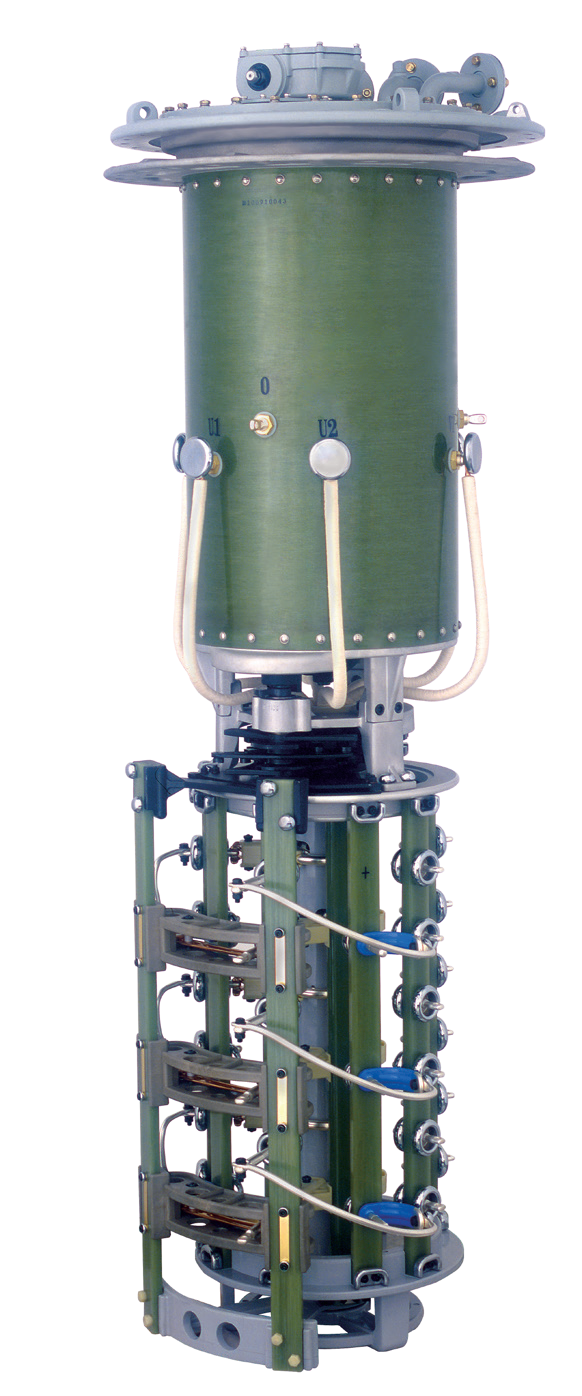

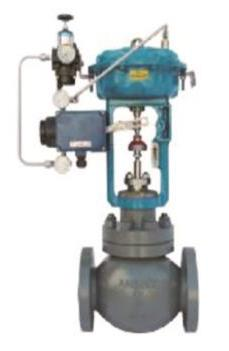
Quick-Change Single-Seat Control Valve / Quick-Change High-Pressure Single-Seat Control Valve
Beijing Consen Automation Technology Co., Ltd.

Pneumatic high-pressure wear-resistant ball valve
Zhejiang Deca Control Valve Meter Co., Ltd.