Port of Antwerp Advances Berendrechtsluis Lock Renovation
en.Wedoany.com Reported - The Port of Antwerp Bruges is advancing a comprehensive renovation of the Berendrechtsluis lock. Commissioned in 1989, it is one of the largest sea locks in the world and the primary passage for large ocean-going vessels entering the port. After more than 30 years of continuous operation, this critical infrastructure, connecting the Scheldt River with the northern quays of Antwerp, requires extensive maintenance to ensure operational reliability and meet modern shipping demands. The port authority has consolidated several major maintenance projects into a coordinated plan to minimize disruption to shipping and road users.
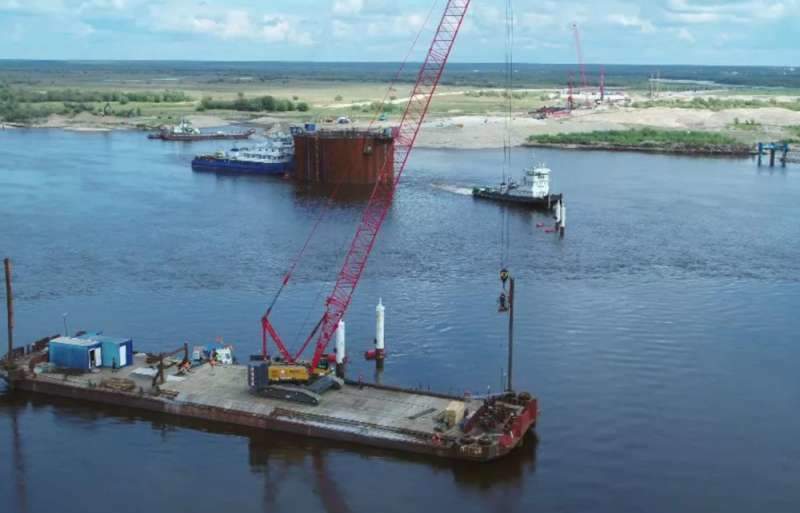
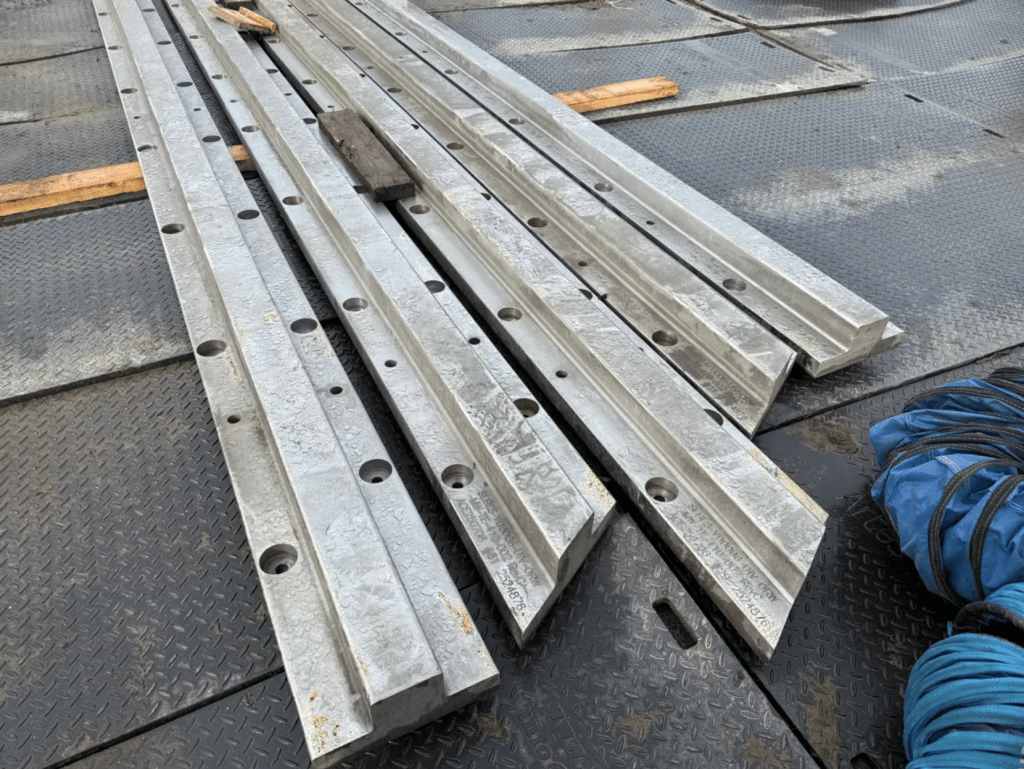
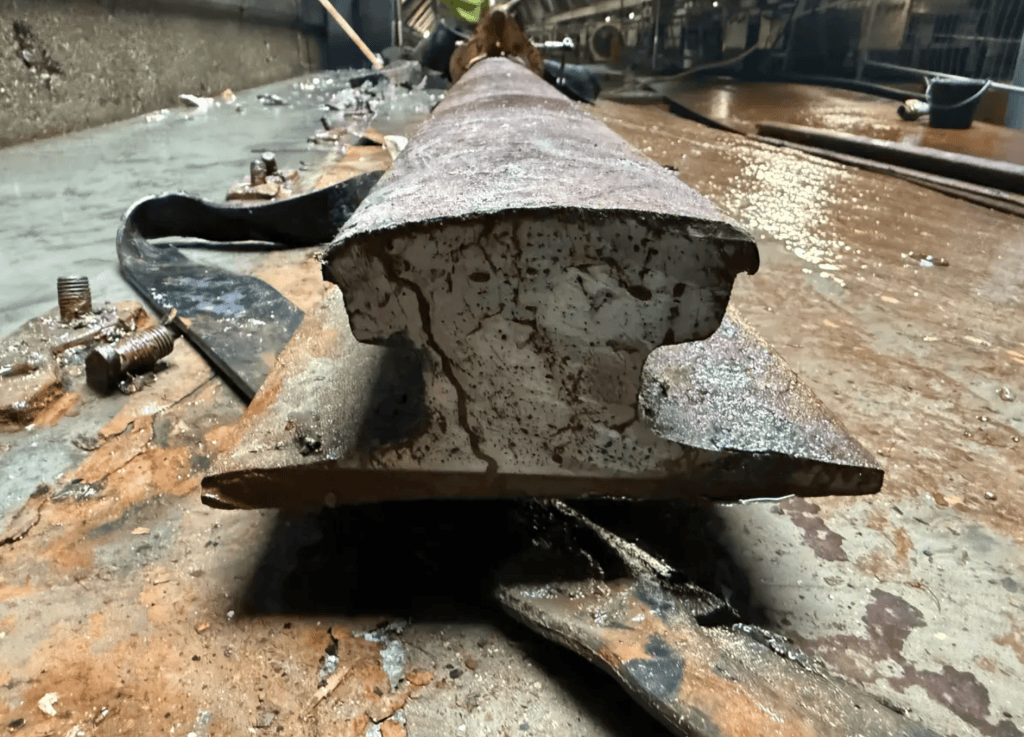
The core of the renovation involves replacing the lock's underwater bottom rails, which guide the movement of the massive gates. The original rails have reached the end of their service life, having not been designed to withstand decades of high-load underwater operation. The replacement system uses stronger rail profiles, fully anchored into the concrete with epoxy grout, while the wheels on the gate support brackets have been modified to match the new rails. Instead of traditional diving operations, the contractor uses large modular steel dry dock chambers with caissons to keep the lock chamber dry below the waterline. This reusable structure, installed by a floating crane, can later be used for maintenance of other locks in the Antwerp port area. The rail replacement is carried out in four independent phases, working on only one gate at a time, with the lock returning to service outside of working hours.
Mooring facilities within the lock walls have also undergone a major upgrade. At 42 locations, the contractor installed 84 new mooring units, each with newly drilled anchor points connected to reinforced structural beams behind the concrete wall. The new design allows for individual removal during future maintenance. During construction, at least a quarter of the mooring positions remained available, ensuring safe berthing for inland vessels waiting to transit the lock.
Waterproofing and concrete repair constitute another important process. The expansion joints between the lock's massive concrete sections had degraded due to years of exposure, leading to water infiltration into the structure. Workers removed damaged concrete, inspected and replaced rebar where necessary, and installed new sealing materials to restore waterproof integrity. Due to water level fluctuations, these repairs were carried out in phases based on available conditions.
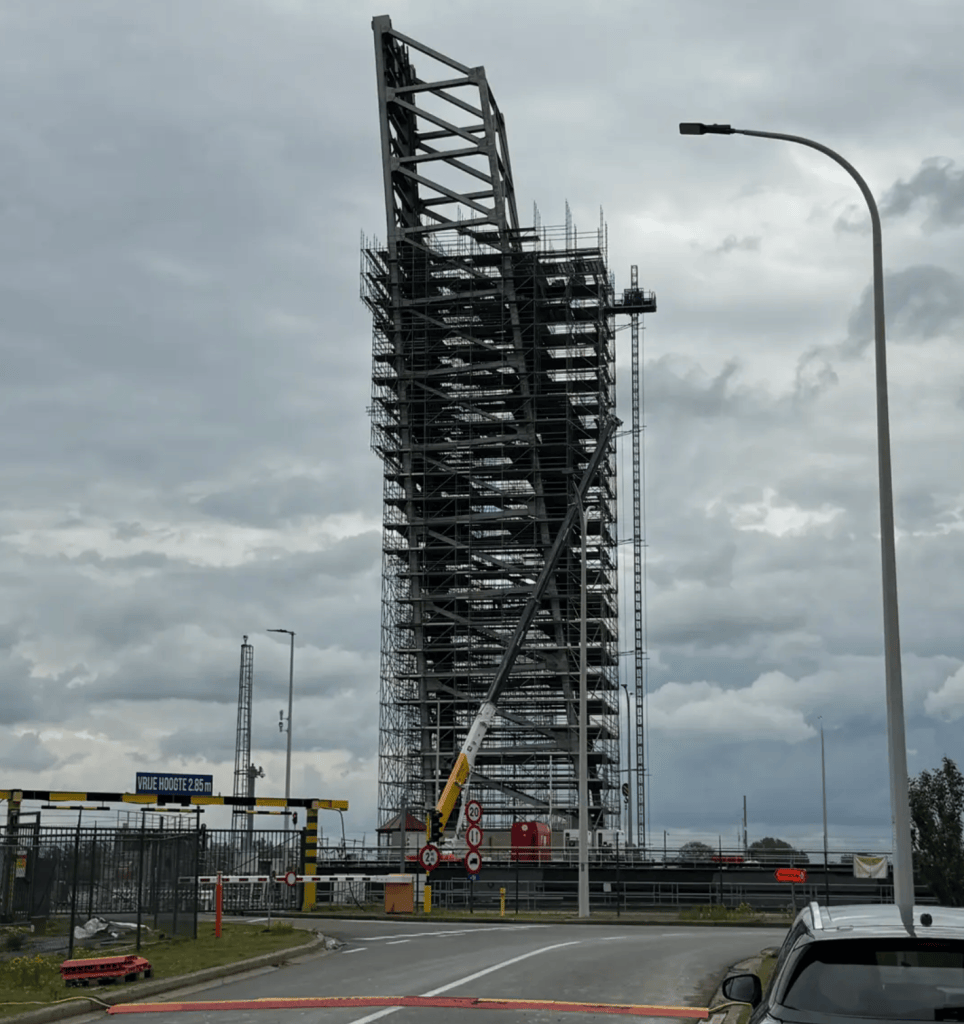
The gate structure has also been improved. The sealing system was upgraded to reduce leakage, and some bolted connections were replaced with welded components to enhance durability and reduce future mechanical defects. The contractor also replaced aging wooden components and steel parts affected by corrosion. The adjacent Berendrecht Bridge received a full protective coating treatment during this period to consolidate multiple infrastructure interventions.
Maintaining operational continuity is a major challenge for the project. As the Berendrechtsluis is the only passage for large vessels entering the port, work must be closely coordinated among multiple contractors, port engineers, maritime experts, and operations teams. By scheduling work so the lock resumes operation outside construction hours and limiting interventions to a single section, the Port of Antwerp Bruges has preserved shipping capacity while extending the service life of this vital maritime asset.
Related Products


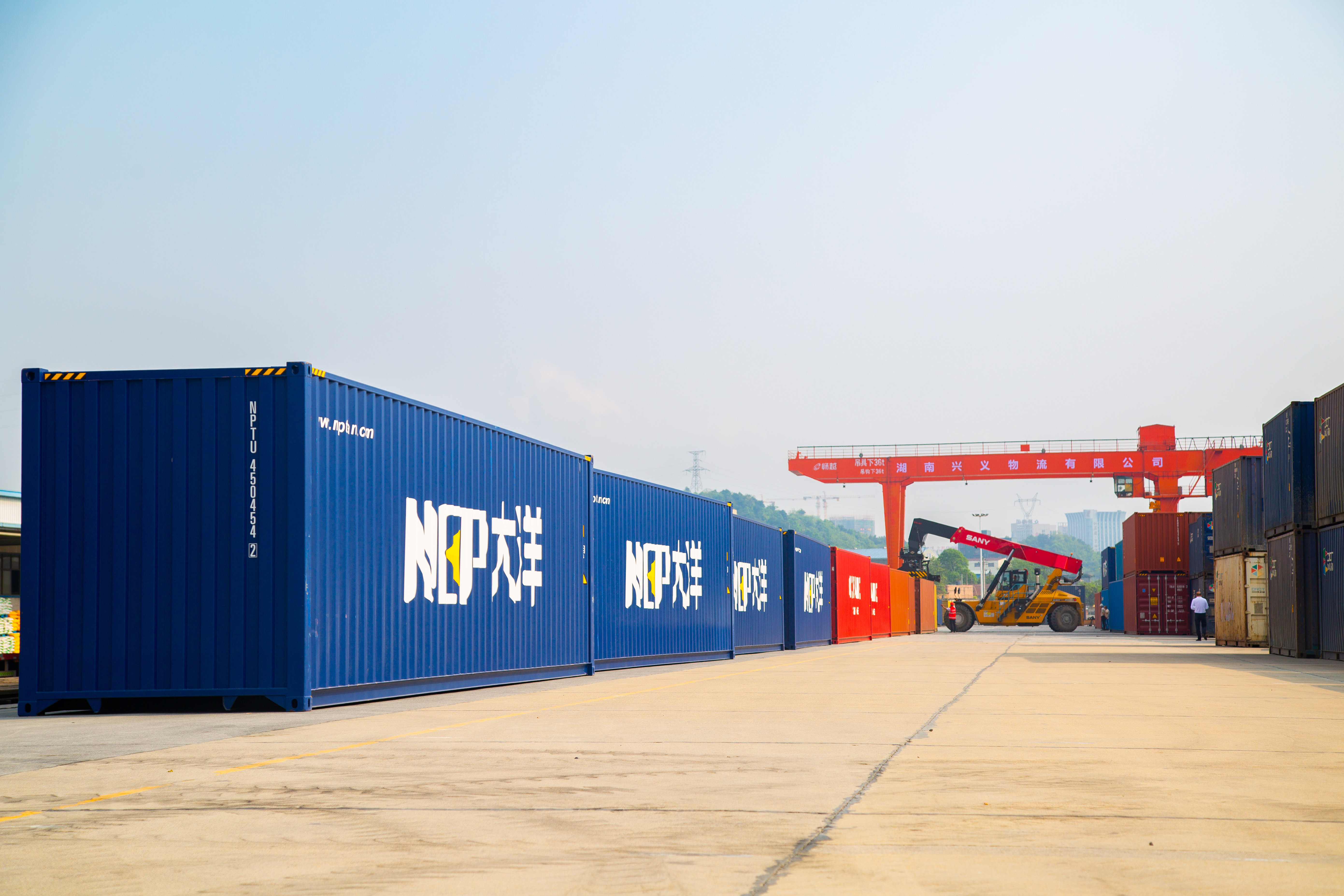
China - Alashankou/Khorgos - Europe Full Range Transportation (Mala/Hamburg/Duisburg/Budapest, etc.)
Shenzhen Neptune Logistics Co., Ltd.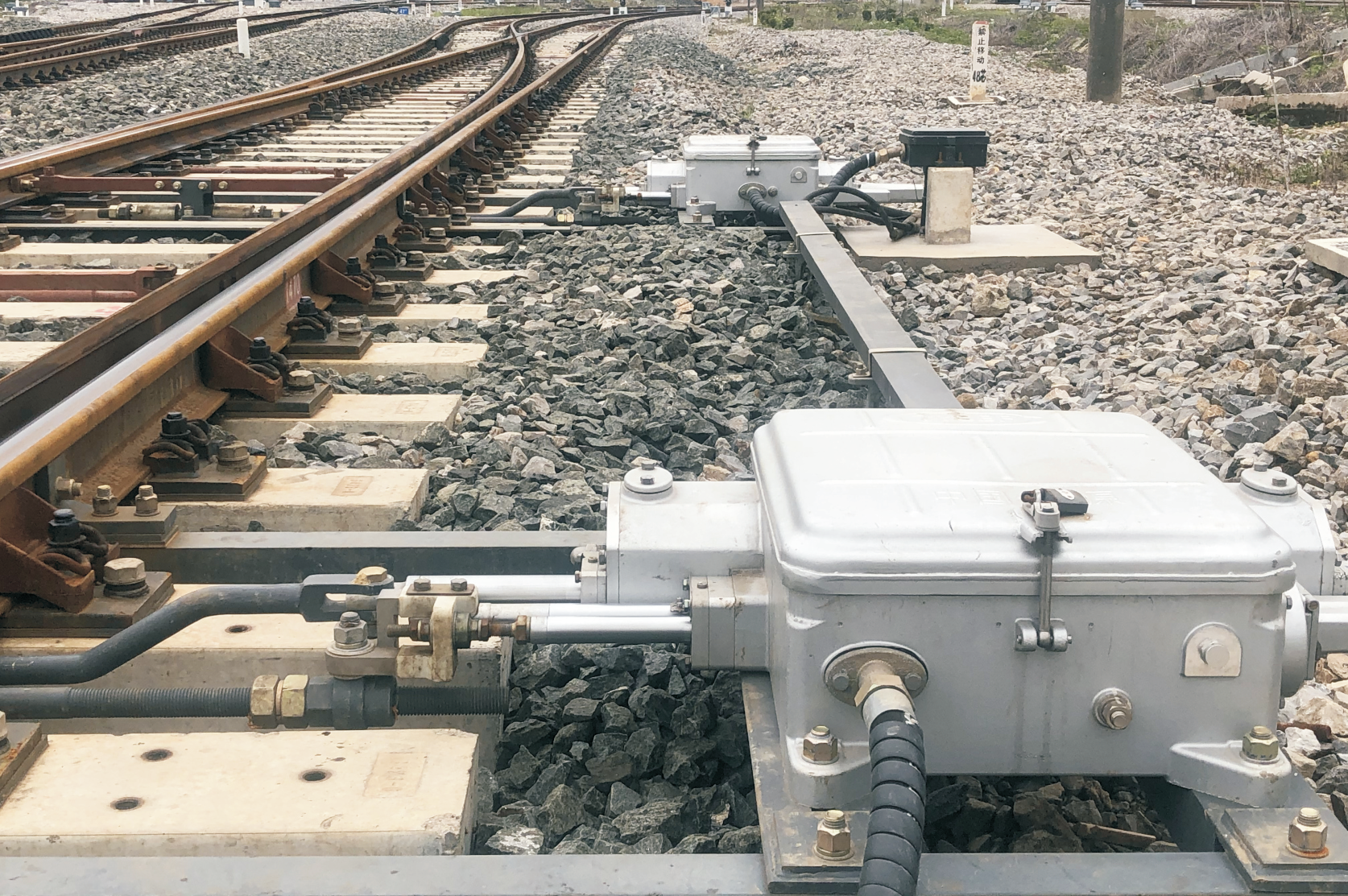
ZY(J)7(M) Sealed Type Electro-Hydraulic Turnout Machine
TAIYUAN CR JINGFENG EQUIPMENT TECHNOLOGY CO., LTD.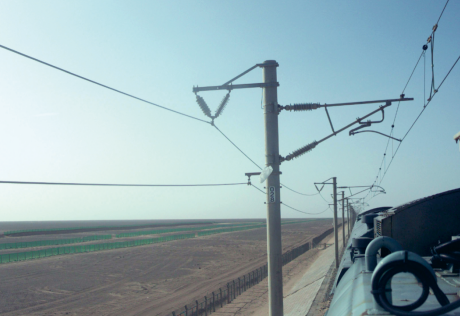
Pantograph-Catenary Comprehensive Detection Device (1C)
CHENGDU TANGYUAN ELECTRIC CO., LTD.