en.Wedoany.com Reported - São Paulo Metro Line 6 (Orange Line) began operations on July 3, 2026, initially running between João Paulo I and Perdizes stations with six stops in an auxiliary operation mode, operating from 10 a.m. to 3 p.m. on weekdays with free fares. The line is part of the Linha Uni concession in partnership with the São Paulo state government, adopting a public-private partnership model that integrates construction and operation.
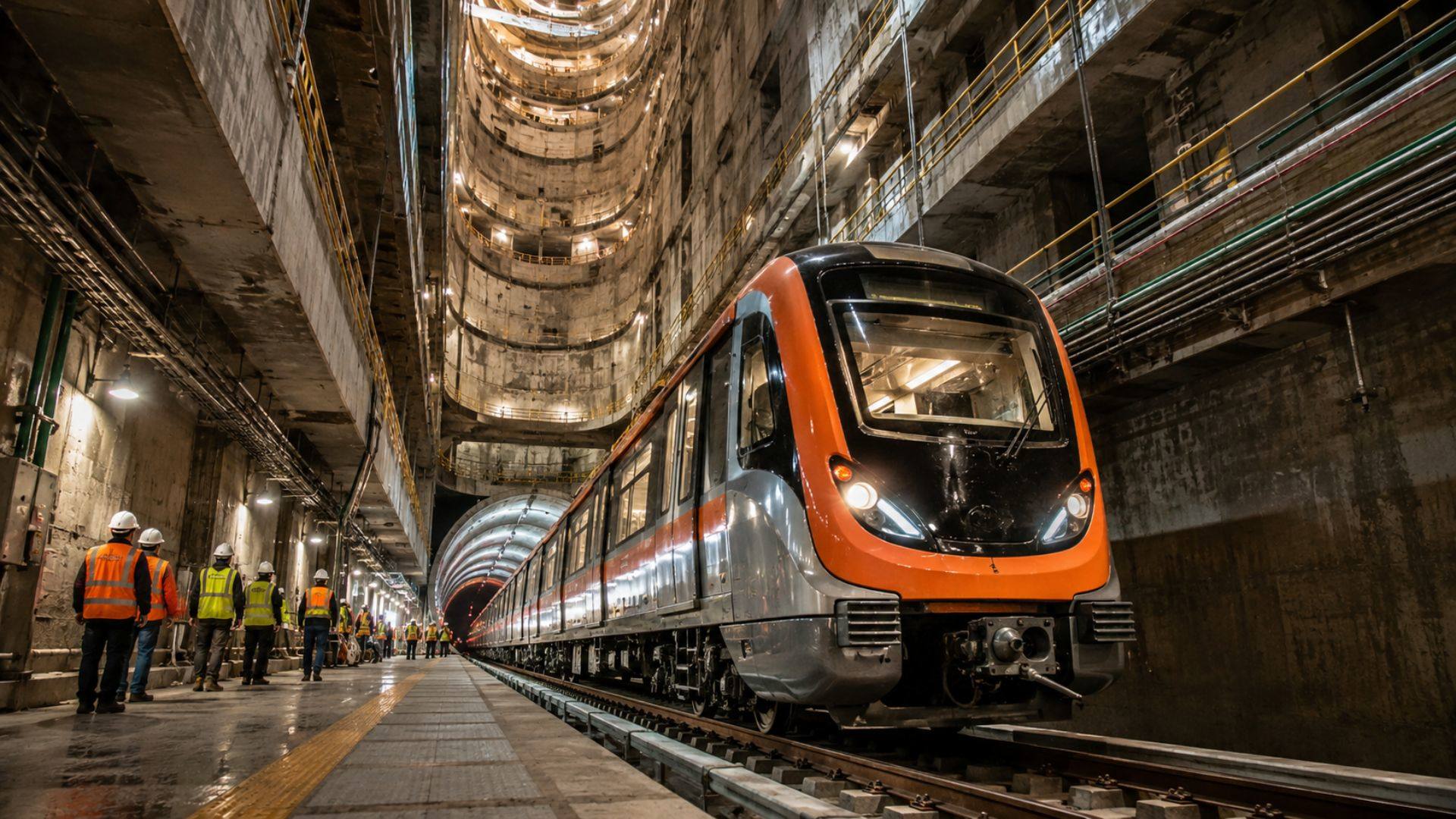
The Orange Line connects the northern and western zones of São Paulo. Once fully operational, it is planned to have 15 stations and a total length of over 15 kilometers. The initial phase includes stations: João Paulo I, Freguesia do Ó, Santa Marina, Água Branca, Sesc-Pompeia, and Perdizes. At Água Branca station, passengers can transfer to CPTM's Line 7 (Ruby). Connecting Brasilândia in the north to São Joaquim station in the city center, the full line is expected to reduce a journey that currently takes about 1 hour and 30 minutes by bus to approximately 23 minutes by metro. Due to its route passing near institutions such as PUC-SP, FAAP, Mackenzie, and Unip, the line has been called the "University Line" since its design phase.
One of the engineering highlights is the depth of the stations. With the opening of the first section, Água Branca station, at 47.8 meters underground, becomes the deepest metro station in operation in Latin America, surpassing the previous record of 41.5 meters at Santa Cruz station. Upon full completion, the future Itaberaba-Hospital Vila Penteado station in the northern zone will exceed 65 meters in depth. The depth of Água Branca station is related to the local geological conditions and the need for the tunnel to cross the Tietê River and Line 4 (Yellow), requiring greater safety margins between the tunnel, river, existing stations, and other urban obstacles.
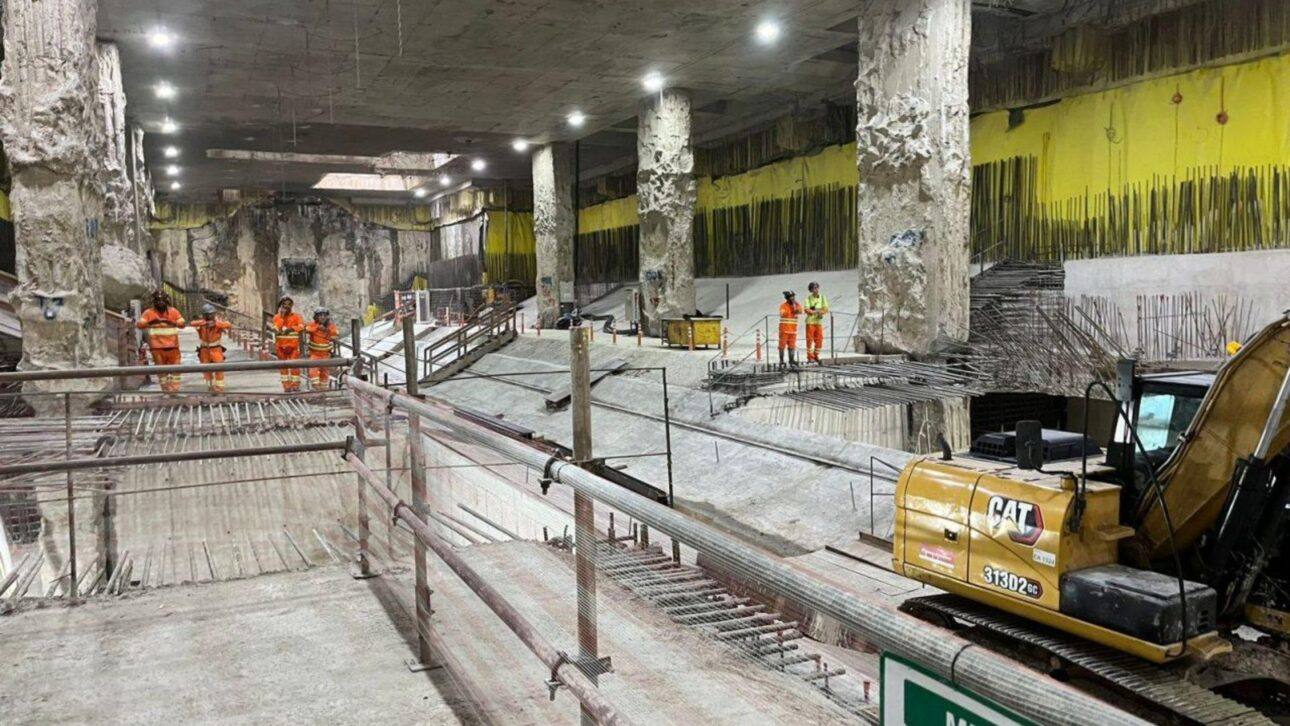
The Orange Line fleet consists of 22 trains, each designed to carry 2,044 passengers. Trains have a maximum speed of 90 km/h, with an expected commercial operating speed of 80 km/h. The interiors feature a walk-through design with seats arranged along the sides to prioritize passenger flow and standing capacity, freeing up central aisle space and reducing bottlenecks during boarding and alighting.
During the initial auxiliary operation, one train is expected per line, with intervals of approximately 13 minutes. Each station will open only one entrance to the public. Trains will be driven by operators, but the line is designed for future driverless operation. In the area of the future 14 Bis-Saracura station in the Bela Vista district of central São Paulo, archaeological discoveries during construction have linked the transport project to remnants related to the Saracura region, a site historically significant for its association with a former quilombo (settlement of escaped enslaved people) and the area's Black community.