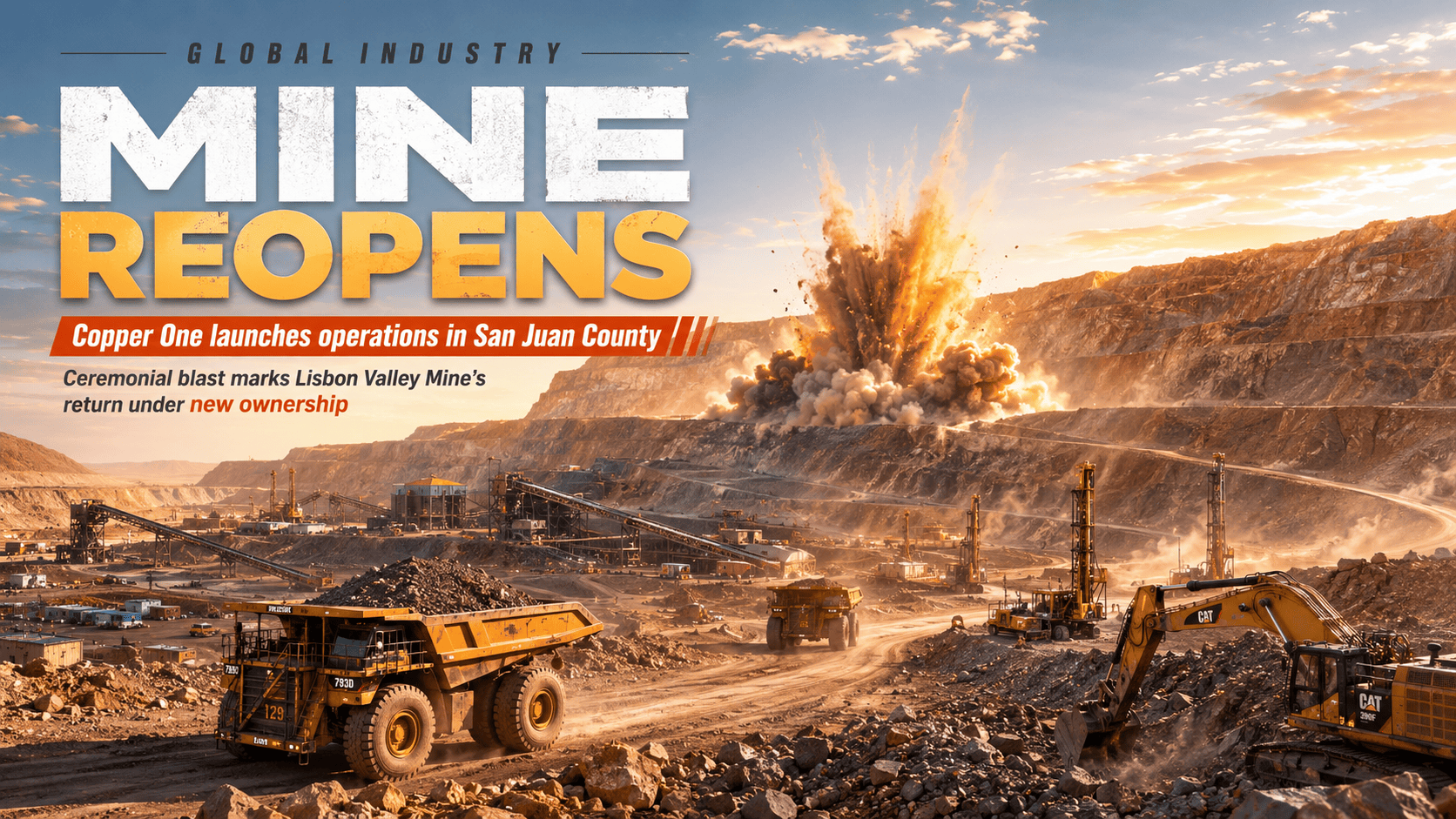
en.Wedoany.com Reported - According to data from the National Institute of Statistics and Geography (INEGI), mining exports from Sonora increased by 33.8% year-on-year in the first quarter of 2026, reaching $988.7 million, compared to $739.1 million in the same period last year, ranking fourth among Mexico's 32 states. This data solidifies the state's position as Mexico's largest mineral producer, highlighting its key role in strategic minerals such as copper and lithium.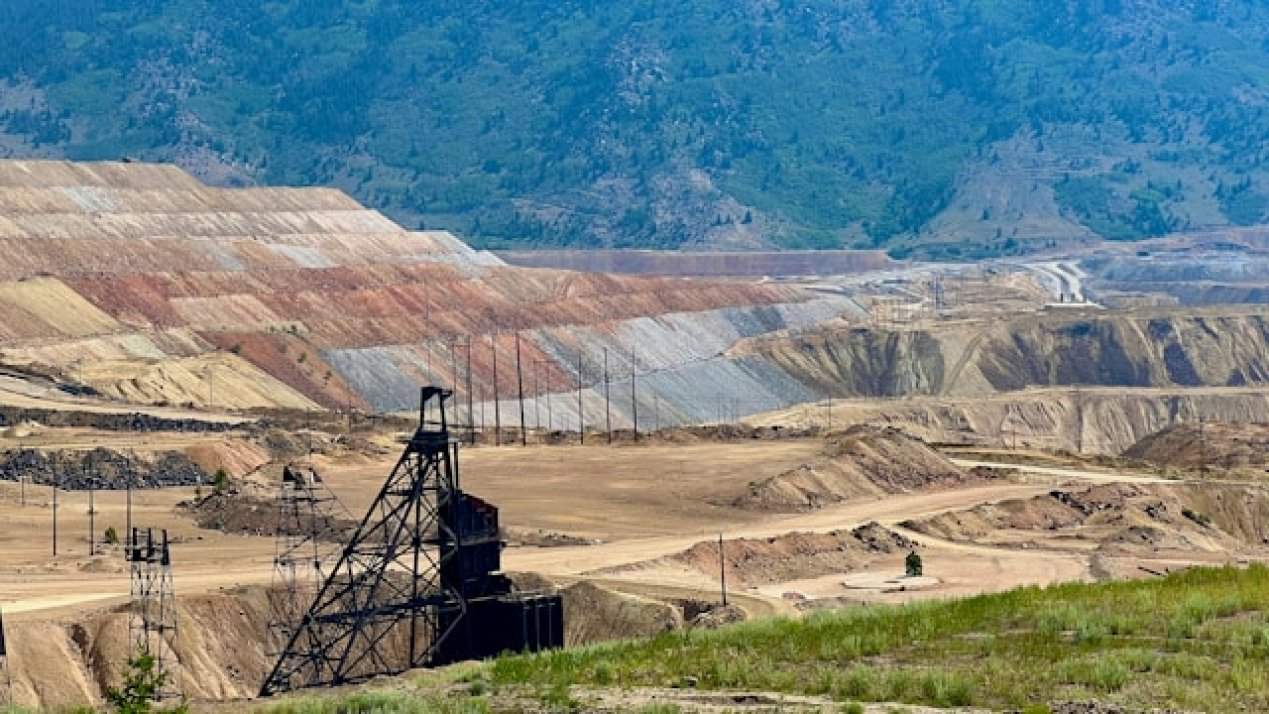
In his comments, Sonora Governor Alfonso Durazo Montaño emphasized that these figures validate the effectiveness of the state government's policies aimed at enhancing competitiveness through investment-friendly approaches and industrial development strategies. Mining exports account for 14.9% of the state's total exports, making it the second-largest export sector after manufacturing. The state government stated that it will continue to promote policies that drive economic growth, attract investment, and foster responsible mining development.
Sonora boasts significant advantages in mineral resources. It holds the largest lithium resources in Mexico, with 13 of the 82 known deposits nationwide, and the country's total lithium reserves are estimated at 1.7 million tons. Additionally, the state is a core region for Mexico's copper production. The Inter-American Development Bank (IDB) has identified the development of Mexico's critical minerals industry as an important lever for boosting national economic growth, projecting an economic expansion of approximately 1.3% in 2026. Federal Economy Minister Marcelo Ebrard stated that Mexico is seeking access to 13 critical minerals and aims to include critical minerals trade on the agenda of the World Trade Organization (WTO).
The Plan Sonora project is the state's core strategy for participating in electric mobility and the energy transition, aiming to combine lithium resources with solar energy potential to attract battery and electric vehicle manufacturing. President Claudia Sheinbaum has committed to advancing the project, with the goal of positioning Sonora as a global leader in the battery and electric vehicle sector.
However, the state's development prospects also face constraints. Lithium exploration and extraction remain monopolized by the state-owned company LitioMx, whose federal budget for 2026 is only 13.9 million Mexican pesos ($805,000), a level analysts consider insufficient to support capital-intensive development. Sonora's lithium is found in clay, and extraction technology is still under development, with costs higher than the salt lake brine operations in Chile, Bolivia, and Argentina. Furthermore, the 2026 U.S. National Trade Estimate Report identifies Mexico's lithium monopoly as an investment barrier, adding uncertainty over trade friction ahead of the upcoming review of the United States-Mexico-Canada Agreement (USMCA).
The first-quarter data indicates that traditional mining exports, primarily copper and precious metals, continue to expand. Whether Sonora can successfully leverage its strategic mineral endowments to transition into the electric mobility and battery supply chain will depend on technological breakthroughs, federal funding decisions, and the outcome of trade reviews with the United States.