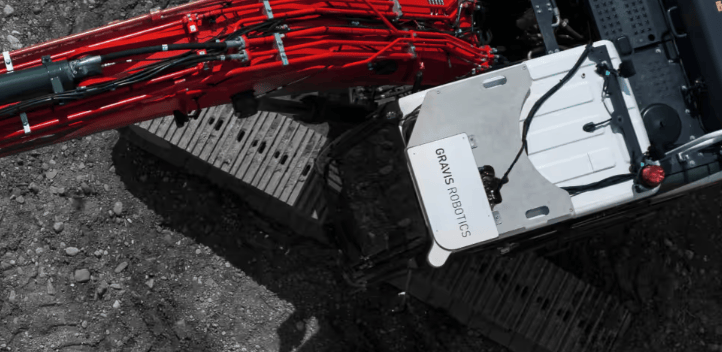
US Mid-Market Manufacturers: Only 27% Have Data Warehouses, 73% Still in AI Testing Phase
en.Wedoany.com Reported - Mid-market manufacturers face challenges such as weak data foundations and difficulties integrating legacy systems in their AI applications, with most companies still in the pilot phase and yet to achieve large-scale deployment. There is a rarely mentioned gap in discussions around AI: current conversations focus on chatbots and content tools, as well as industries where feedback is immediate and outputs are suitable for screen presentation. The situation for mid-market manufacturers is entirely different and far more complex.
The report "The State of AI in the Mid-Market" by Kaufman Rossin surveyed senior decision-makers at US mid-market companies. It reveals a clear divide: industrial and mid-market manufacturers are experimenting heavily with AI, but enterprise-wide large-scale deployment remains rare. The wave of digital disruption has finally reached this sector, yet its foundations are not ready to support AI applications.
The digital disruption of the past decade did not occur simultaneously across all industries but instead began like a wave at the customer-facing frontier of the economy. Retailers, banks, and consumer brands felt the pressure first and thus led the transformation, investing in data infrastructure, digital platforms, and new ways of working. Now, this pressure is moving backward along the value chain. Manufacturers, distributors, and industrial suppliers are being required by their customers and partners to become digital, integrated, and automated. These companies are not slow to act; they are simply last in line. The difference is that they have less preparation time, and the expectations arriving at their doorstep are already fully formed.
Is AI creating data problems, or merely exposing them? Without clean, connected, and accessible data, AI cannot function, and industrial companies have historically not invested in this foundation. The report shows that only 27% of manufacturing companies have a data warehouse or data lake, compared to 60% across the entire mid-market. 45% of manufacturing companies still use siloed data, and none use machine learning platforms. Across the entire mid-market, only 16% of companies have achieved full data governance and integration. Legacy systems are also a challenge. All manufacturers in the study use ERP systems, which are deeply embedded and not easily connected to modern AI tools. Legacy system integration is the primary obstacle in manufacturing, accounting for 55%, significantly higher than the market average of 41%.
Beyond the technical level, there is a cultural dimension. Industrial companies build competitive advantage on operational expertise, process mastery, and deep domain knowledge, rather than data-driven decision-making. Intuition accumulated over decades on the front lines has served these companies well, but AI requires them to operate based on different assumptions. This shift is more difficult than installing any tool.
73% of manufacturing companies are still in the AI testing phase, and none of the companies in the study have become fully operational. Zooming out to the entire mid-market, 73% of companies remain in early or foundational preparation stages, with only 7% ready for enterprise-level scaling. Current tangible results are narrow in scope, such as time savings in individual processes or accounts payable automation. These personal productivity gains help someone move faster within a process still connected to disconnected systems, but they are not transformative. The risk lies in mistaking a successful pilot for the end of the journey. Organizational readiness bridges the gap between promising pilots and operational scale.
The good news is that willingness exists: all surveyed manufacturers agree that AI can save time, and 91% plan to increase investment. However, investment without a foundation will only generate more pilots, not greater scale. Three priorities can change this trajectory. First, connect data by starting with understanding what data you have, where it is, and how clean it is, breaking down the most important silos, and investing in one or two integration platforms to connect the most commonly used systems. Second, start with data-ready use cases by finding processes where data is already clean enough to prove enterprise-level value, and build outward from there. Third, treat it as a cultural shift rather than an IT project. Leadership must redefine data from a back-office function to a strategic asset and instill this mindset throughout the organization. Tools do not change companies; people do.
The same wave of disruption that reshaped retail and finance has arrived on the factory floor. The companies that pull ahead will not be those that buy the most tools, but those that build the foundation, connect the data, and view AI as the organizational transformation it can bring. The technology is ready; the real question is whether the operating model is prepared to let AI work.
Related Products


CAP1400 main feedwater flow nozzle flowmeter.
Jiangsu Hongda Instrument Technology Co., LTD.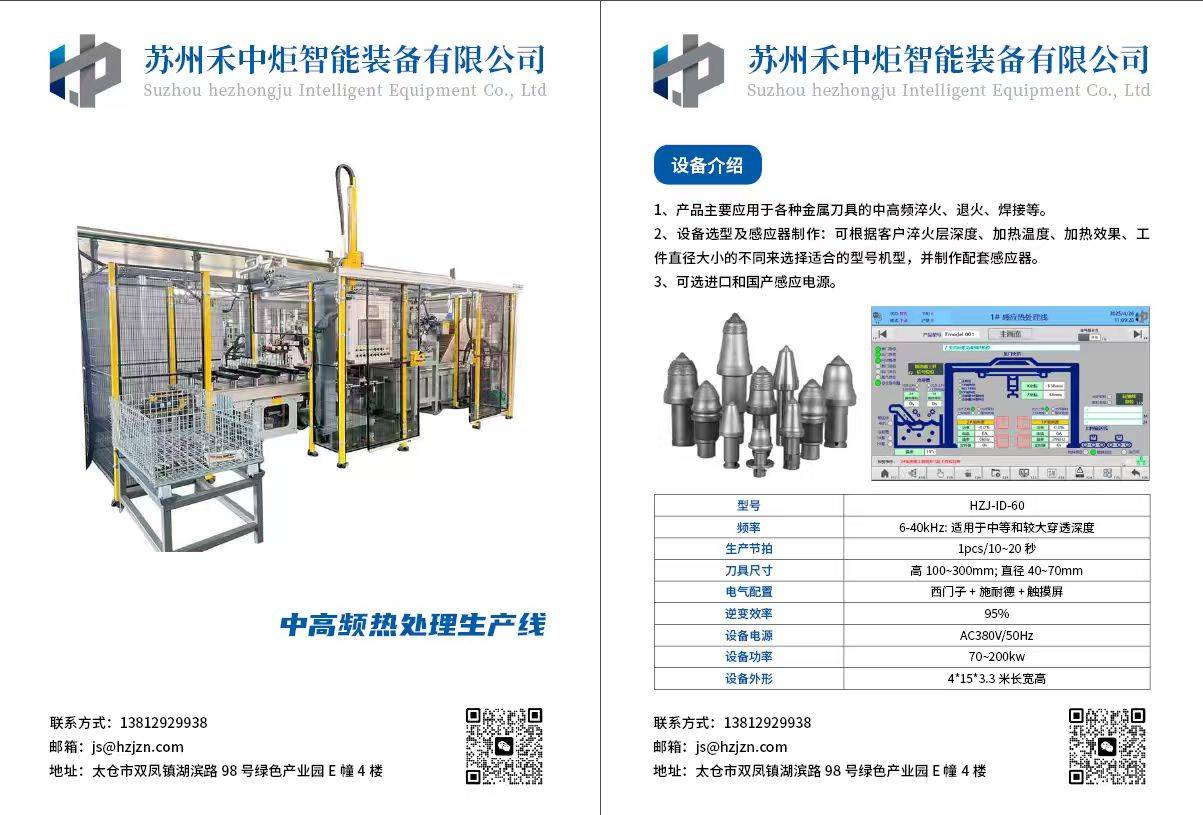
Excavator Bucket Teeth Heat Treatment Production Line
Suzhou Hezhongju Intelligent Equipment Co., Ltd.
LBH4000 Batch Environmental Protection Asphalt Mixing Plant | Asphalt Batching Plant | Asphalt Mixing Plant
Jilin Province Road Construction Machinery Co., Ltd.




Industrial and Commercial Point-Type Gas Detector
Jinan Benan Technology Development Co., Ltd.
Strip Coating and Plating Production Line Equipment
MCC-SFRE HEAVY INDUSTRY EQUIPMENT CO., LTD.