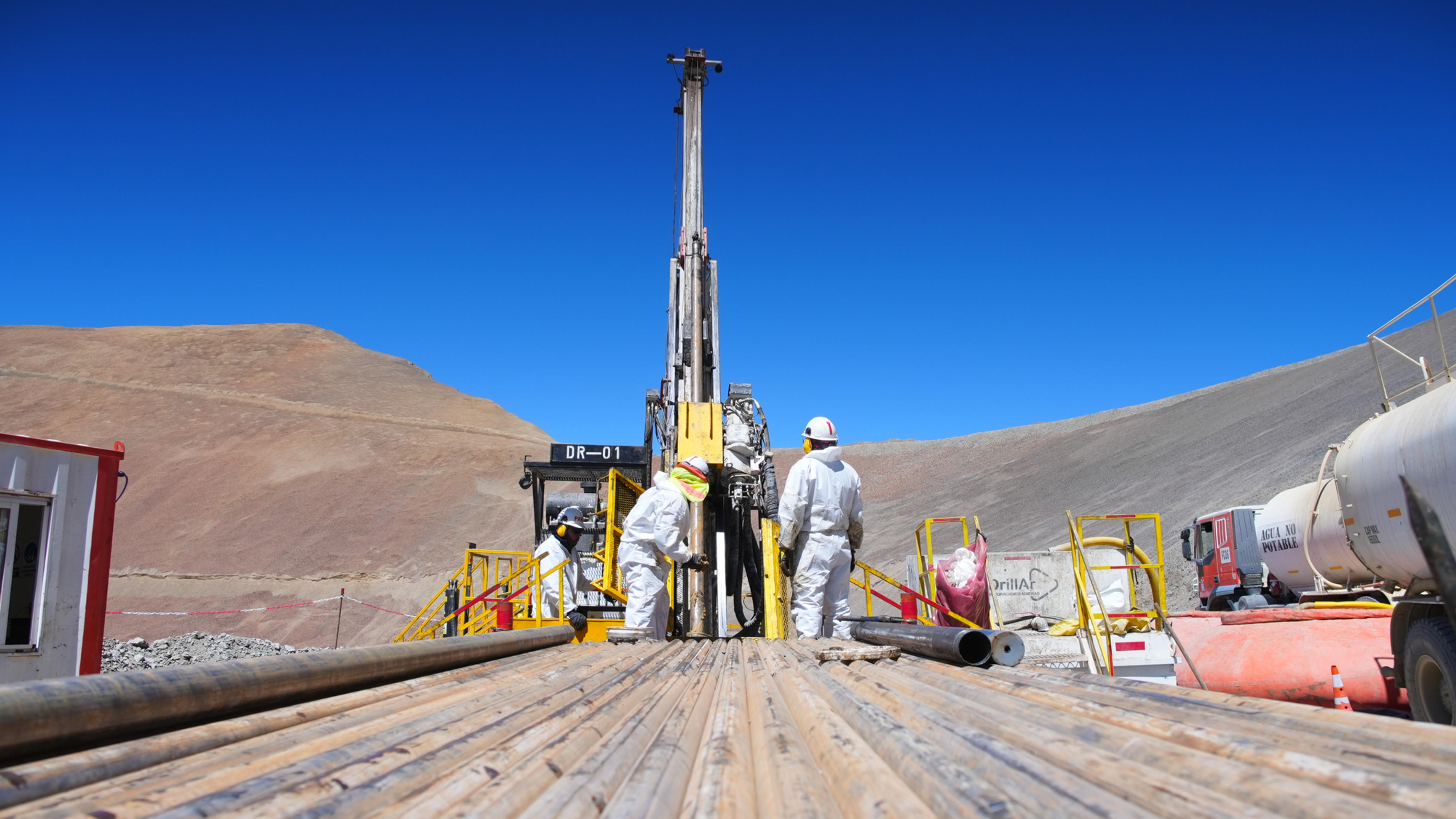
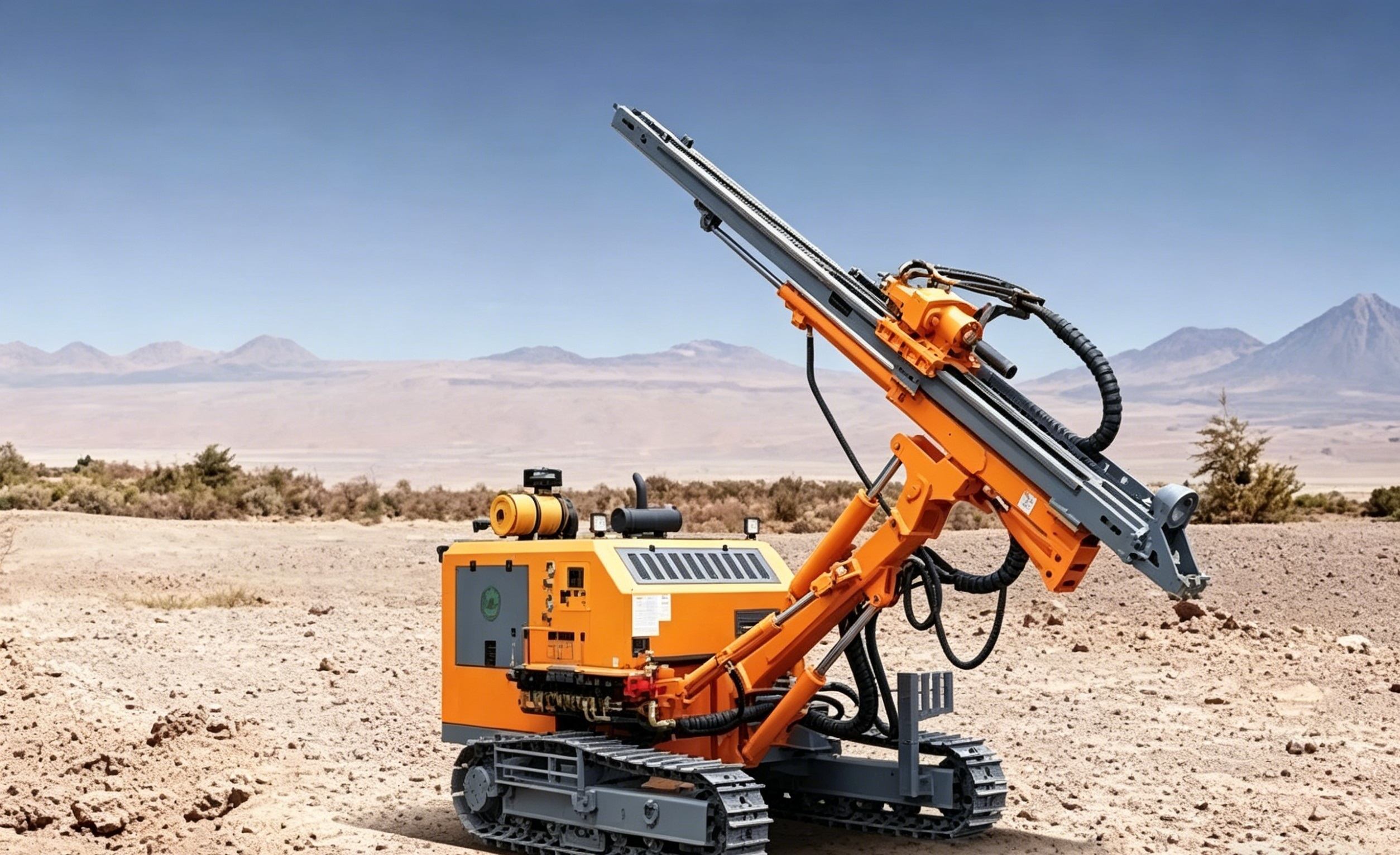
en.Wedoany.com Reported - Canadian exploration company Lara Exploration (TSXV: LRA; US-OTC: LRAXF) is deploying seven drill rigs at its Planalto copper-gold project in Pará, Brazil, for a 14,000-meter drilling test to assess whether the deposit can support a mine value far exceeding the company's current market capitalization.
Lara stated that the Planalto project, located approximately 680 kilometers southeast of the state capital Belém, could produce 36,000 tonnes of copper annually in the first six years of production, based on an 8-million-tonne-per-year open-pit mining plan. A preliminary economic assessment (PEA) released in November showed a post-tax net present value (NPV) of $378 million (approximately C$536.8 million), while a spot price case study conducted by Lara in January raised the NPV to $1.2 billion. Lara's Toronto-listed shares have more than doubled over the past 12 months, rising another 3% to C$4.06 on Wednesday, giving the company a current market capitalization of approximately C$251.7 million.
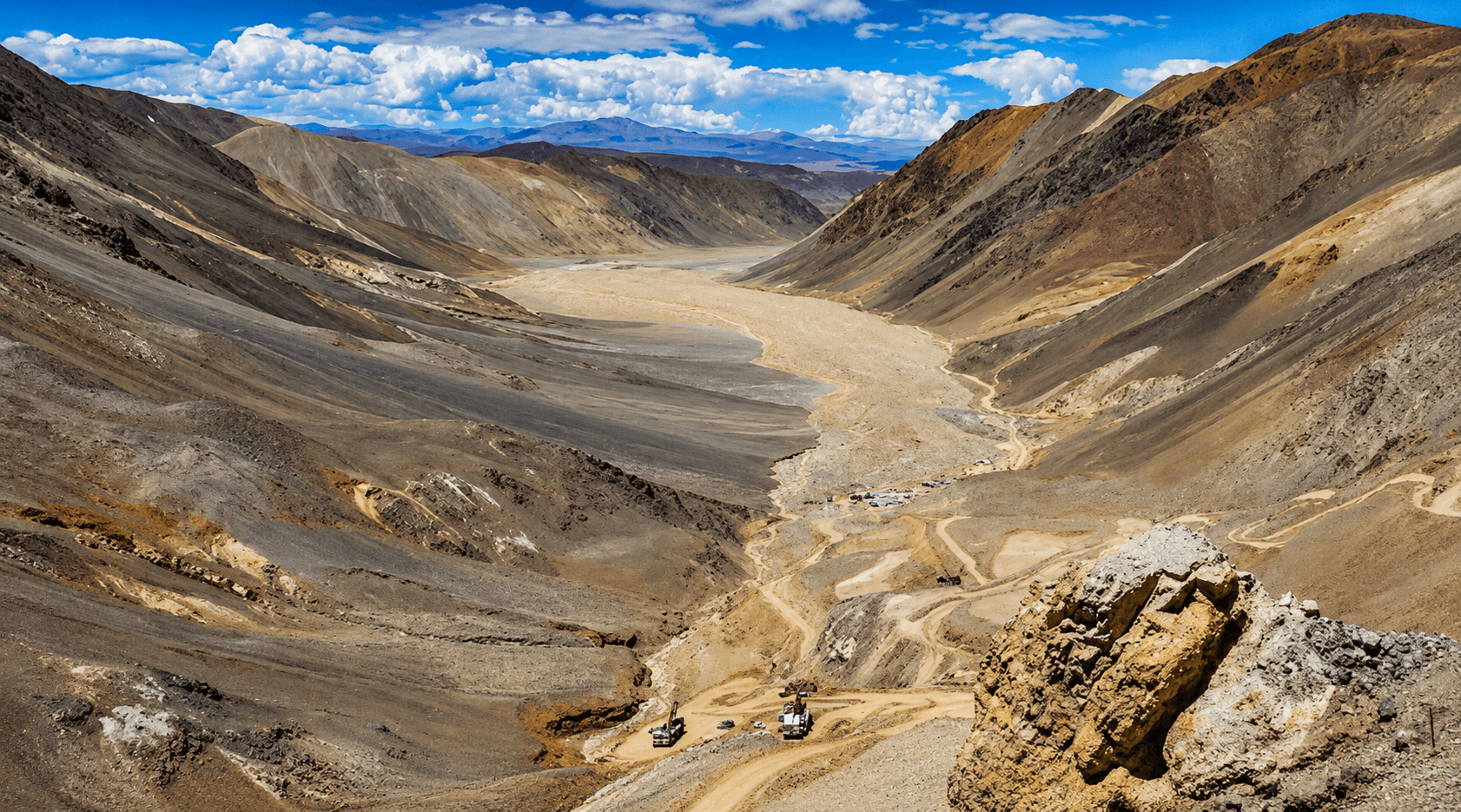
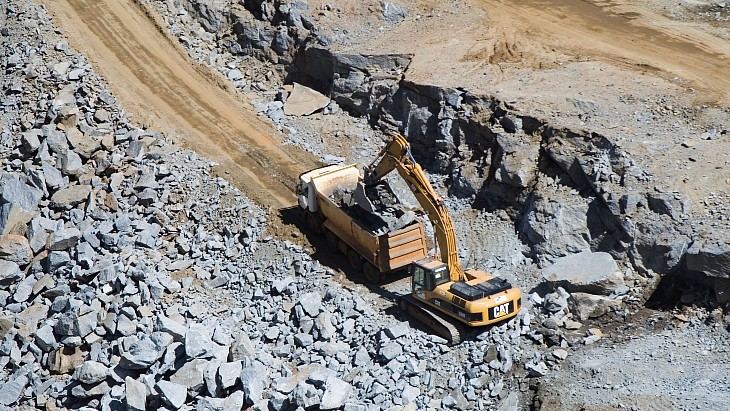
Major copper producers are currently grappling with declining grades at older mines and urgently need new projects to enter the development pipeline, but many new deposits are often far from roads, power, and labor, or are mired in lengthy permitting processes. Planalto offers Lara a better option: the deposit lies within an active mining belt, has moderate grades, and the site is on cleared private farmland rather than rainforest. The proposed mine site is less than 4 kilometers from the PA-160 state highway and high-voltage transmission lines, and the nearby towns of Canaã dos Carajás and Parauapebas have for years supplied miners, mechanics, and contractors to operators such as Vale and BHP.
The PEA outlines an 18-year mine life, during which 560,000 tonnes of copper and 111,000 ounces of gold would be produced, with initial capital expenditure of $546 million and a payback period of approximately 3.5 years. Planalto is expected to produce about 120,000 tonnes per year of clean copper concentrate at 28% copper grade. Lara noted that the concentrate is arsenic-free, a differentiating advantage given that some regional copper deposits face smelter penalties due to impurities.
Planalto currently hosts 47.7 million tonnes of indicated resources at 0.53% copper and 0.06 g/t gold, containing 253,000 tonnes of copper and 92,000 ounces of gold, plus 154 million tonnes of inferred resources at 0.36% copper and 0.04 g/t gold, containing 549,000 tonnes of copper and 224,000 ounces of gold.
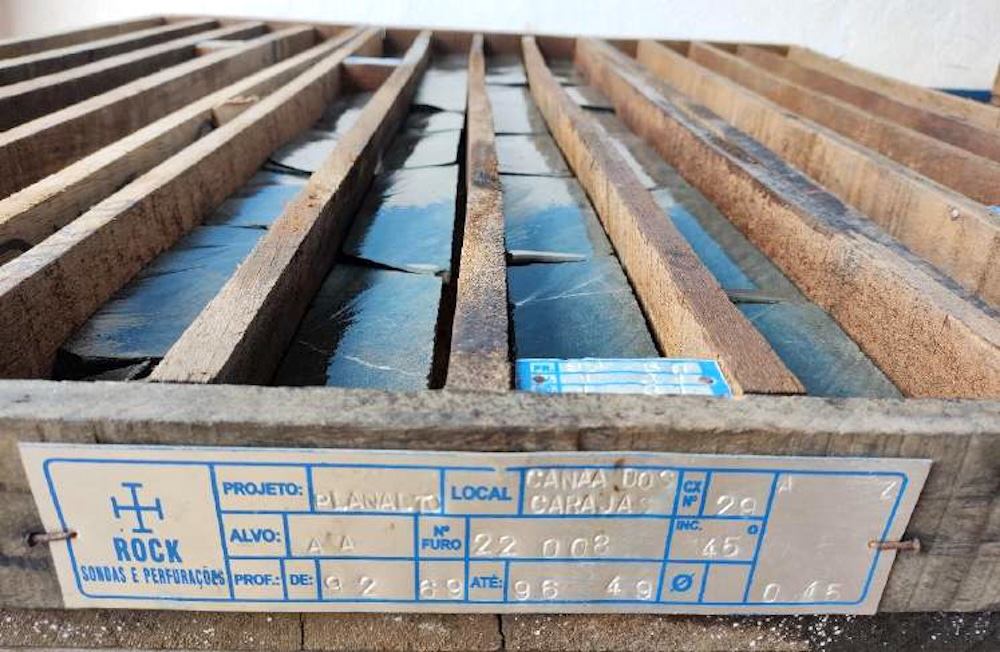
Lara's ongoing 14,000-meter drilling program aims to upgrade more resources within the planned pit from inferred to measured and indicated categories. The company is also testing the high-grade core at the Cupuzeiro zone and targets along the Silica Cap trend. Lara CEO Simon Ingram stated that higher-grade feed could improve early-stage cash flow. The company said it has observed strong chalcopyrite mineralization in new drill core, but assay data for the next resource update must confirm whether the high-grade zones are sufficiently thick and continuous to alter the mine plan.
Spanish copper producer Atalaya Mining Copper (LSE: ATYM) purchased 4.5 million shares of Lara in April for $13.5 million, providing strategic endorsement for the project. Atalaya operates the Riotinto complex in southwestern Spain (a 15-million-tonne-per-year open-pit project), which has grade characteristics similar to Planalto. Lara's management team previously gained recognition for discovering the Čukaru Peki copper-gold deposit in Serbia in partnership with Freeport-McMoRan, later selling the company to Nevsun Resources in 2016 for $512 million; China's Zijin Mining Group subsequently acquired Nevsun and brought Čukaru Peki into production.
Planalto has not yet reported reserves, and the study remains preliminary, containing inferred resources that require further drilling to support reserves. Lara must complete higher-level engineering design, resource conversion, environmental submissions, and permit acquisition before attracting a construction decision from a developer. Ingram indicated that the pace of approvals will be key to project advancement. The company is collecting baseline data during the wet and dry seasons, covering studies on water, wildlife, dust, noise, and local health conditions, before submitting an environmental impact study report. Ingram stated that the state-level permitting process in Pará provides a clear path for Lara, and recent mine approvals in the region have been favorable.
"Simple projects move faster. Simple projects get built because they are not complicated. This project has a chance to be built, and I think that's why it's more valuable," Ingram told investors at a Rule Symposium luncheon. He added that the next test is whether Lara can narrow the gap between Planalto's study value and the company's market capitalization without losing leverage. Drilling results, permitting progress, and Atalaya's next steps will determine whether Planalto ultimately becomes a mine that buyers can price, or just another junior copper study project waiting for capital. "If you drill, it's a truth machine," Ingram said. "You find out what's really there."