en.Wedoany.com Reported - Precision Periodic announced plans to build the first modular clean process refinery in the central United States, located in Florida, to produce battery-grade nickel, cobalt, and manganese. At full capacity, it will process up to 10,000 metric tons per year of nickel content in mixed hydroxide precipitate (MHP), yielding battery-grade nickel sulfate, cobalt sulfate, and manganese sulfate.
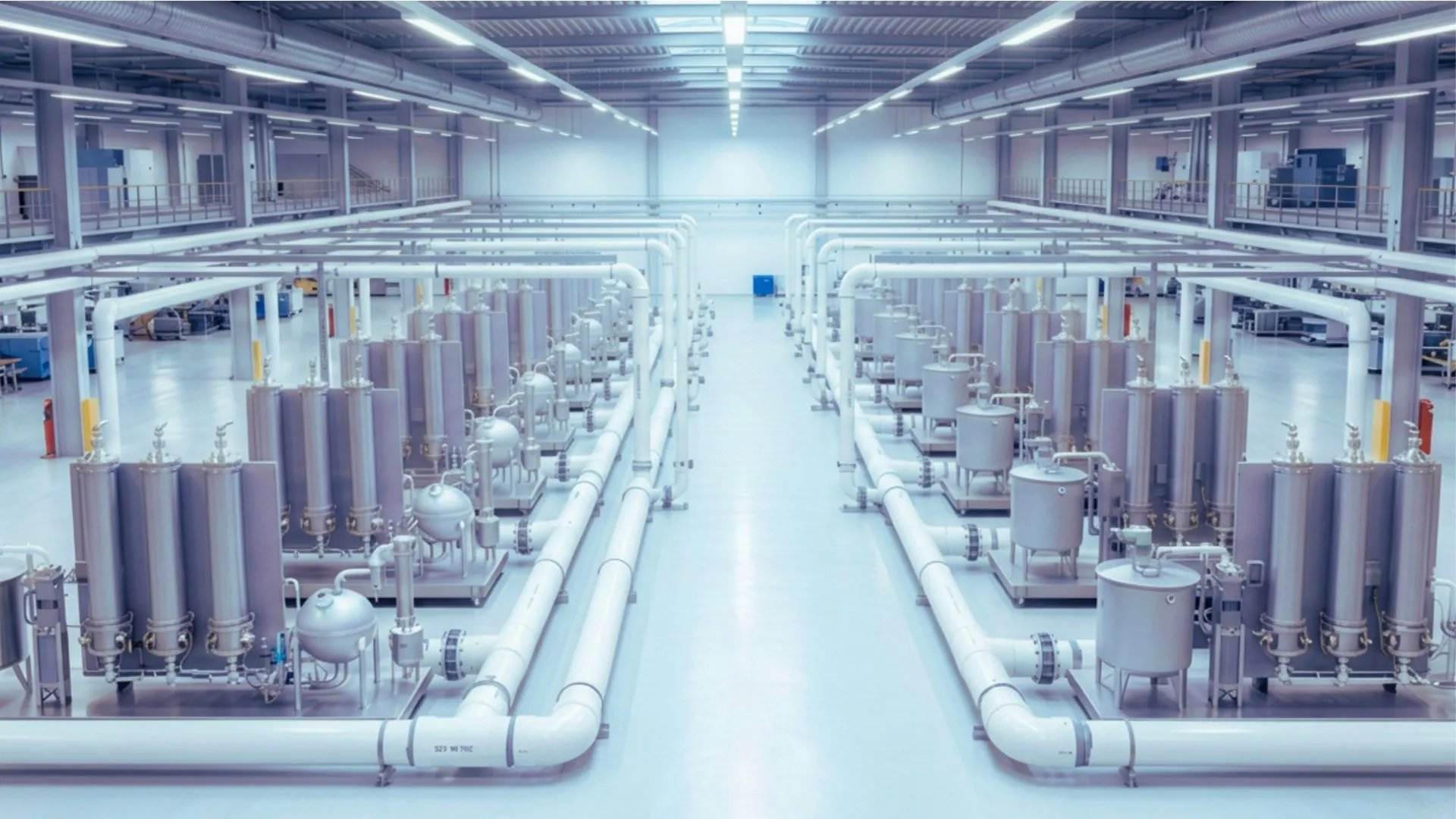
The Florida-based company stated that the refinery features a compact design, fully contained within a standard industrial warehouse, avoiding the lengthy environmental approvals and land requirements of large complexes. This design allows the facility to transition from an empty building to commercial production in months, not years.
Currently, the U.S. heavily relies on foreign countries to process raw materials into high-purity sulfates needed for electric vehicle batteries, advanced defense hardware, and aerospace alloys, leaving the supply chain vulnerable to geopolitical risks and export bans. The new refinery uses filtration media and modular multi-scale refining units (MSRUs), which are compact, identical skids capable of processing approximately 1 metric ton of nickel content per day. The MSRU accepts standard, globally sourced MHP feed and processes it through a single equipment setup, sequentially separating and purifying nickel, cobalt, and manganese using the same hardware and proprietary filtration media. The unit also contains nanobeads to capture target metals, elevating chemical purity directly from dissolved MHP to pure battery-grade nickel sulfate.
By replicating proven modular units rather than building large-scale infrastructure, Precision Periodic aims to reduce capital and operating costs compared to traditional methods. This approach uses only non-toxic, common reagents, generates zero hazardous waste, and consumes no water. The company expects the first modular units to begin production just months after securing the central Florida facility, ultimately ramping up to 10,000 metric tons per year of nickel content within 12 to 18 months.
Brian J. Andrew, President and CEO of Precision Periodic, stated that the company spent years developing processes and technologies to make U.S. critical mineral refining fast, clean, and economical, and is ready to build the facility. He believes the world does not have a mining problem, but a refining problem, and that modular units can bring domestic refining capacity online in months, not years, at a fraction of the cost of traditional refineries. This facility is the first step in closing the gap in U.S. manufacturers' reliance on foreign processing. Dylan Weitzman, Vice President of R&D, explained that the same modular hardware and reusable filtration media used to separate nickel, cobalt, and manganese can be directly scaled to commercial production, whereas traditional refineries require years of evaluation and engineering studies or redesign from pilot plants.
Central Florida was chosen for its proximity to major ports in Miami, Tampa, and Jacksonville, facilitating the import of MHP feed and transport of finished sulfates. The refinery's products will serve not only electric vehicle batteries but also aerospace alloys, stainless steel, and defense supply chains requiring traceable domestic sourcing of minerals.