en.Wedoany.com Reported - Indian startup GreenJams transforms agricultural waste into Agrocrete, a carbon-negative building material that reduces construction costs while sequestering approximately 140 kilograms of carbon dioxide per ton of material.
In 2019, civil engineer Tarun Jami encountered severe smog in New Delhi, prompting him to trace the pollution sources. He discovered that post-harvest burning of agricultural waste was a major contributor. This experience directly led to the development of Agrocrete.
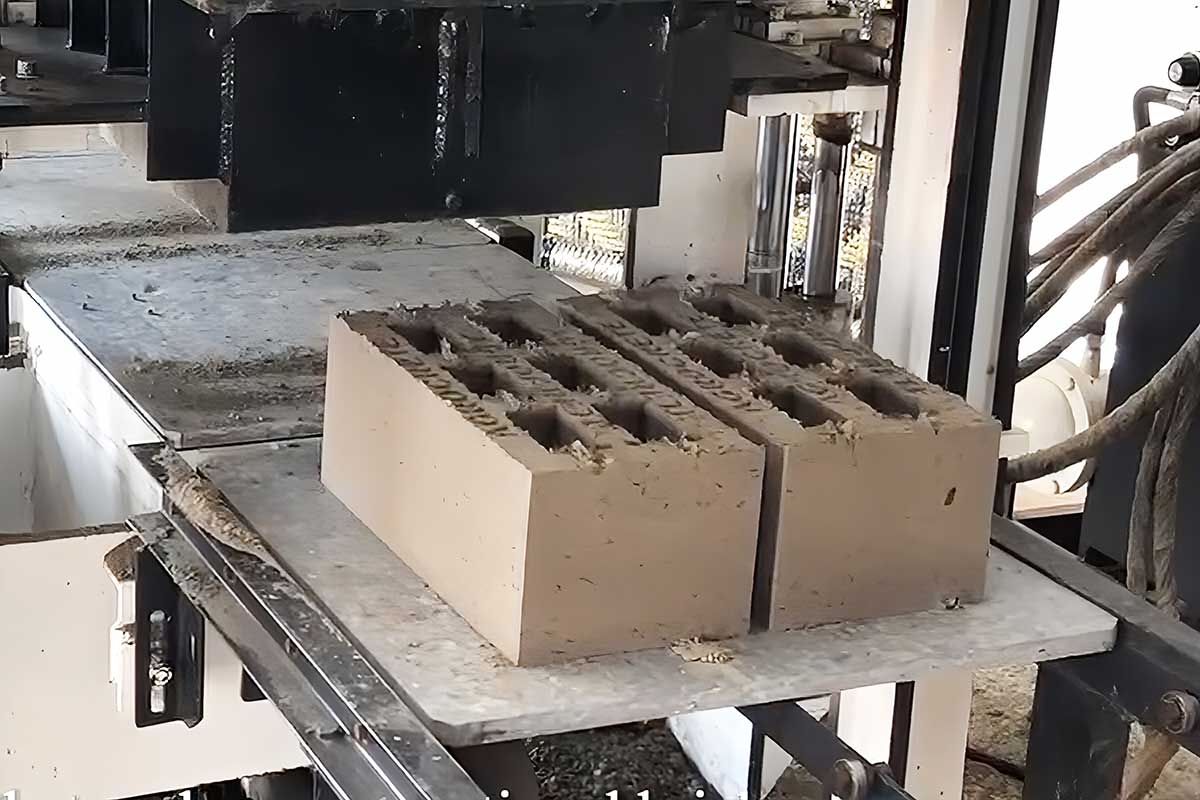
According to The Better India, Tarun Jami first encountered hempcrete during his undergraduate studies in 2013 and continued researching its properties. He graduated in 2016, founded GreenJams in 2017, and successfully replicated hempcrete in 2019. Subsequently, he decided to replace hemp with more widely available agricultural waste, evolving the formula into Agrocrete.
On GreenJams' official website, Agrocrete is defined as a carbon-negative block produced using recycled agricultural waste and industrial by-products. Its proprietary low-carbon binder, BINDR, replaces traditional cement. The product's principle lies in fixing biogenic carbon absorbed during plant growth into building walls, rather than releasing it back into the atmosphere through burning. GreenJams states that its environmental claims have been certified and verified by third parties, and the product has obtained an EPD certificate.
According to company data, Agrocrete offers significant performance advantages: a 350% improvement in thermal insulation, a 100% increase in masonry speed, and a 50% reduction in construction costs compared to traditional solutions. Simulations for a 1,000-square-foot building show savings of ₹1.25 lakh (approximately 125,000 Indian rupees), capturing 4.4 tons of CO2, and saving about 25 working days per mason.
The Better India reported a real-world case where Tarun Jami used Agrocrete to build an office expansion project, completing it in just 4 days with significantly reduced costs, compared to approximately 12 days using traditional methods, and capturing 3.1 tons of CO2 in the process.
Beyond environmental benefits, GreenJams aims to build a new rural economic chain, shifting farmers from burning waste to supplying raw materials, and employing professionals in collection, processing, and application. This model integrates air pollution control, agricultural income growth, and building emission reduction within a single commercial framework.
Currently, Agrocrete has been applied in 16 commercial projects across India, cumulatively capturing over 300 tons of CO2, avoiding approximately 900 tons of emissions, and delivering nearly 2,000 cubic meters of bio-concrete. The material has also received the Solar Impulse Efficient Solution label, becoming the only carbon-negative building material in India to obtain this certification as of the announcement date.
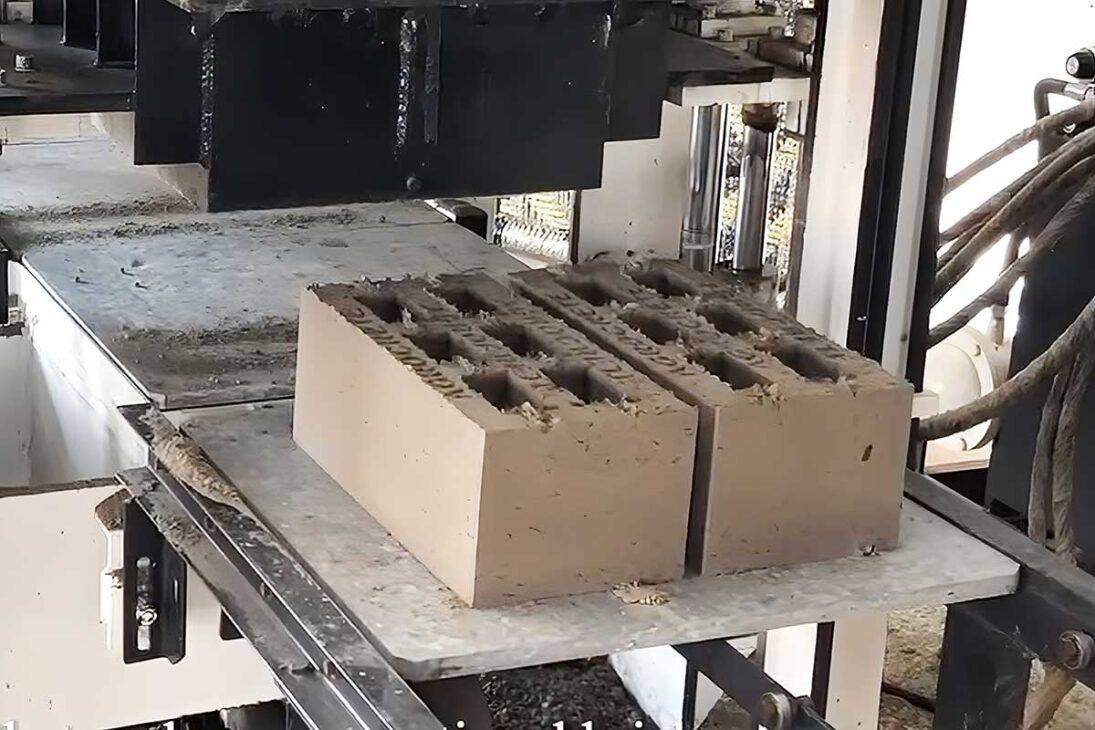
By converting field waste into building climate assets, Agrocrete demonstrates the potential of agricultural residues in low-carbon construction, offering a technical reference pathway for other agricultural countries to address straw management issues.