Tesla Invests Another $250 Million, Boosts German Factory Battery Capacity to 18 GWh
en.Wedoany.com Reported - Tesla has injected an additional $250 million into Gigafactory Berlin, raising its annual production target for 4680 battery cells from 8 GWh to 18 GWh, more than doubling the original capacity goal.
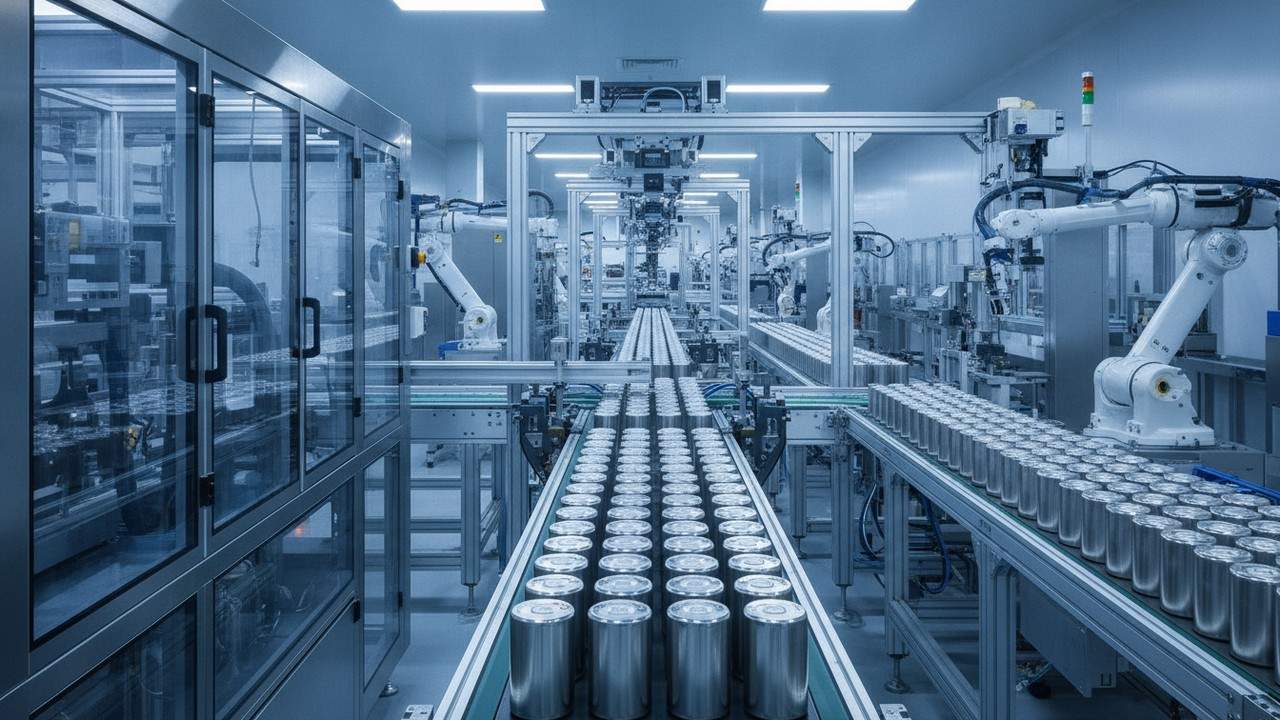
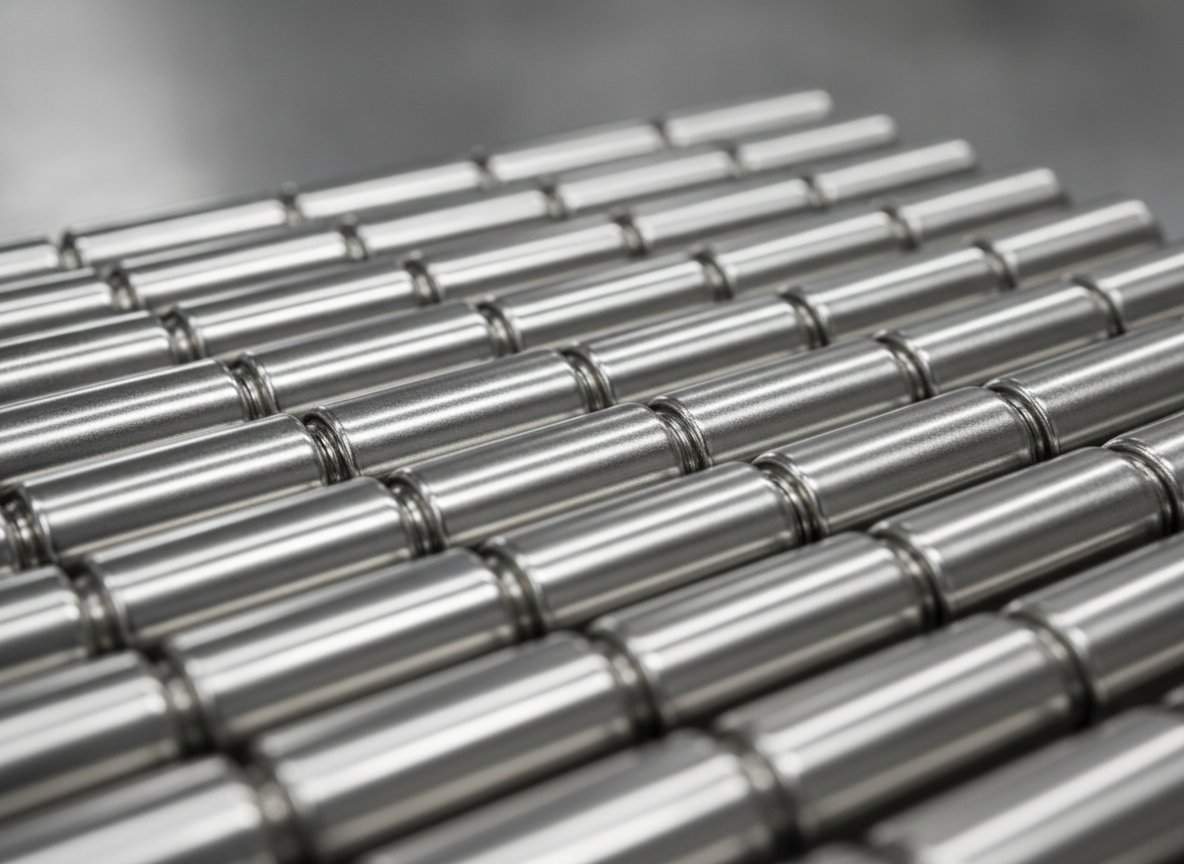
Tesla announced this on July 7. With this new investment, cumulative spending on the battery cell unit alone has approached nearly €1 billion, aimed at establishing Berlin as a key European battery manufacturing hub as the region seeks to reduce reliance on Asian battery supply chains. Named for its dimensions of 46 mm by 80 mm, the 4680 battery cell is a critical product for Tesla to lower costs and simplify battery pack structures. It stores more energy and reduces the number of parts within a pack. However, scaling up production has posed engineering challenges for Tesla, with capacity bottlenecks once impacting vehicle output. The doubling of the Berlin factory's capacity target signals Tesla's confidence in mastering the process and accelerating localized production in Europe.
The announcement also includes an open innovation initiative called "Cell Giga Challenge," inviting battery startups to test their technologies on Tesla's production lines in Germany, with registration closing on July 24. This move allows external technologies to be validated at an industrial scale, while Tesla gains access to cutting-edge battery innovations from the market to compete with Chinese and South Korean manufacturers in new chemistries and capacity expansion.
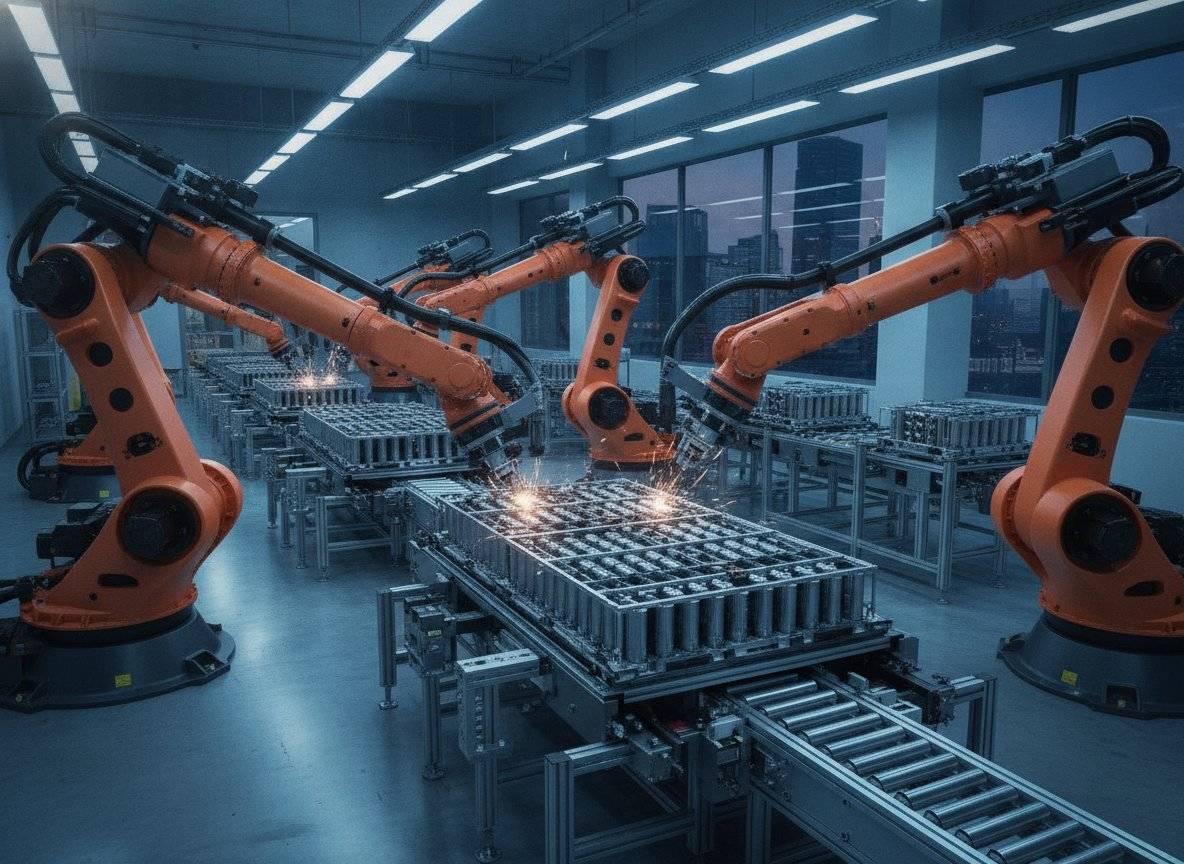
Currently, the majority of battery production capacity is concentrated in China, which dominates everything from mining to battery assembly. Europe and the U.S. are accelerating the construction of local factories to reduce dependence, and the Berlin factory's expansion is part of this strategy. In battery chemistry, no clear winner has emerged yet, with high-energy-density nickel-cobalt-manganese (NCM) batteries and low-cost lithium iron phosphate (LFP) batteries each having their advantages, while new technologies like solid-state batteries are also developing. Tesla's 4680 battery cell aims to enhance performance within the first chemistry category. The highest value in the supply chain lies in large-scale manufacturing, leaving countries that only export raw materials at risk of thin profit margins.
Related Products

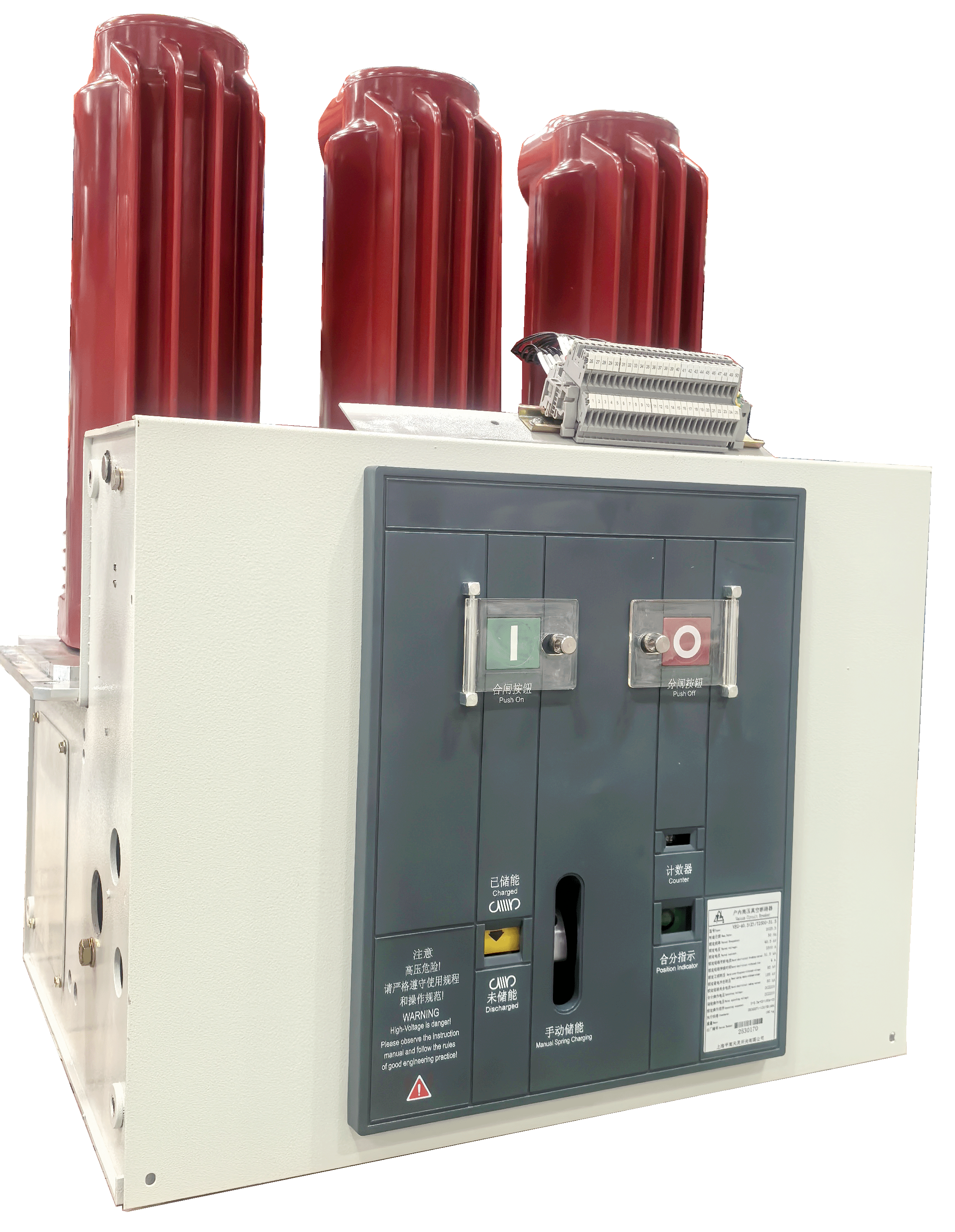
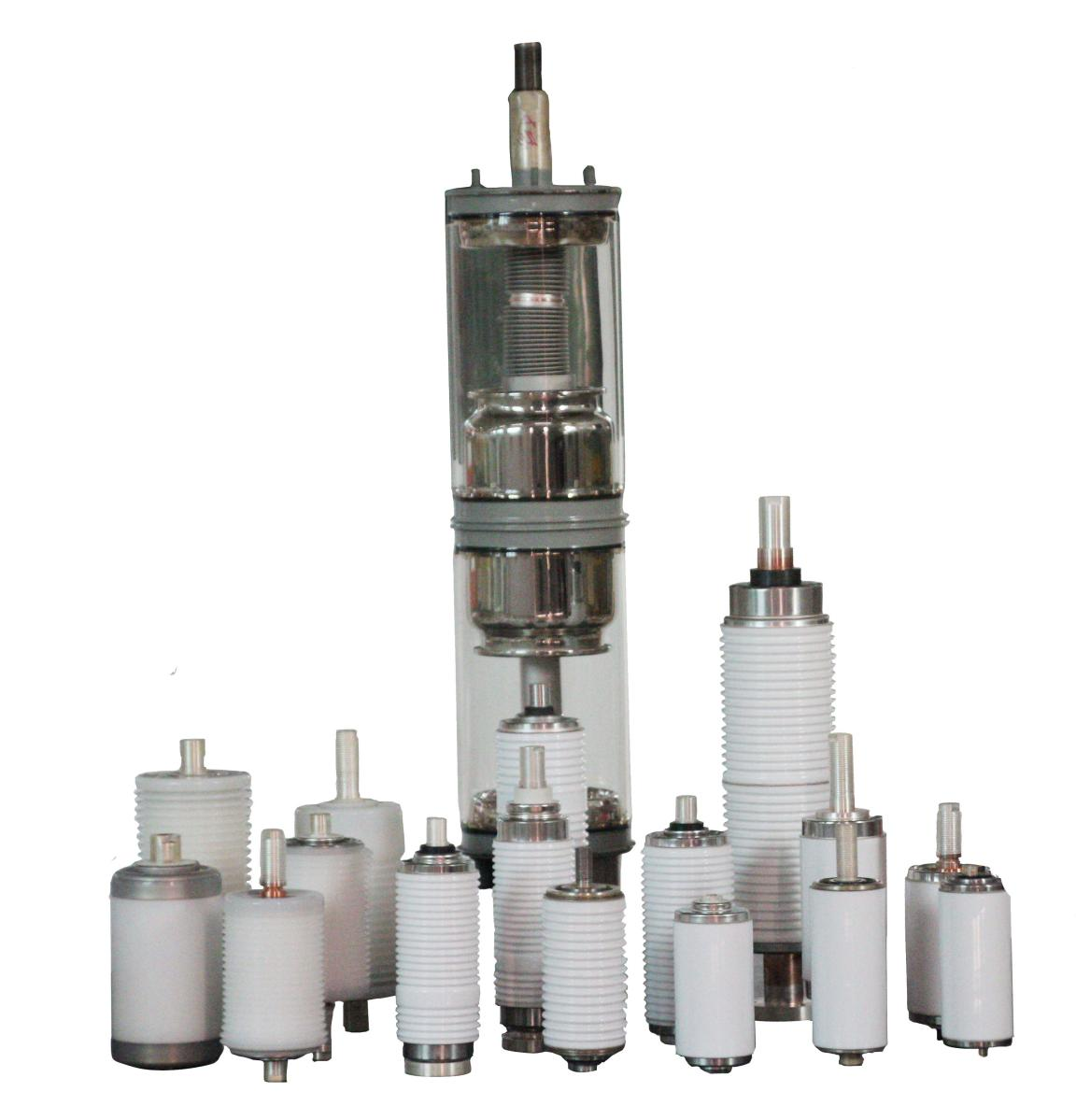
VEG-12/24/40.5 Series Vacuum Circuit Breaker
SHANGHAI PINGGAO TIANLING SWITCHGEAR CO., LTD.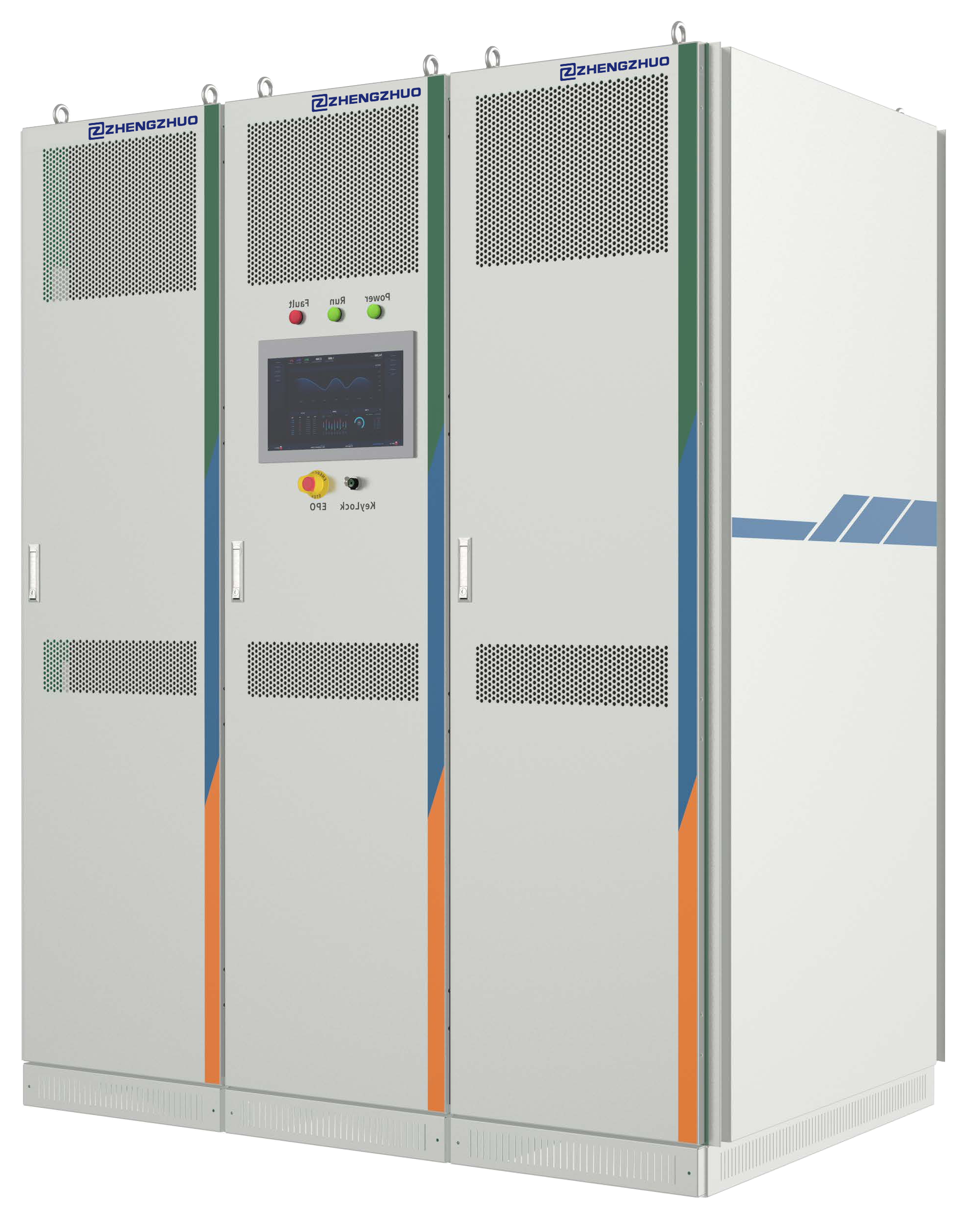
IGBT Hydrogen Production Power Supply - High Power Air Cooling
Beijing Zhengzhuo Engineering Technology Co., Ltd.
Microcomputer Protection and Substation Automation
Beijing Agent Devote Power Technology Development Co., Ltd.
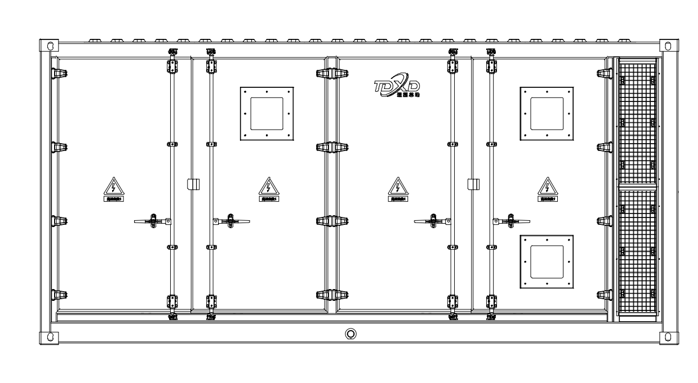
5012kWh DC Energy Storage System TD-EES-5012kWh
Suzhou Tongding Xindong Energy Storage Technology Co., Ltd.