Brazilian Government Postpones Cancellation of Monthly R$1.2 Billion Gasoline Subsidy Due to Rising Oil Prices
en.Wedoany.com Reported - The Brazilian government has postponed its plan to cancel the gasoline subsidy, as international oil prices have risen again amid geopolitical tensions, continuing the incentive that costs approximately R$1.2 billion per month.

After international Brent crude oil prices fell to around $72 per barrel, the economic team had assessed gradually reducing this incentive, but the situation has reversed rapidly recently. Following new attacks between the United States and Iran and threats related to the Strait of Hormuz, Brent crude oil prices have rebounded to the range of $78 to $80 per barrel. The strait is crucial for global oil transportation, and any risk of disruption pushes up oil prices, freight costs, and insurance premiums.
The subsidy the government originally planned to cancel was R$0.44 per liter of Type A gasoline, which is the price of pure fuel sold to distributors before being blended with ethanol. Compared to the R$2.61 per liter charged by Petrobras, this subsidy represents nearly 17% of the refinery price. Brazil's Finance Minister Dario Durigan stated that the market is now under daily monitoring, and the government may cancel, reduce, or maintain the subsidy depending on the evolution of the crisis and international prices.
Implemented in May 2026, the subsidy targets producers and importers, who must prove that the amount has been deducted from the fuel sale price to receive payment. In the price adjustment announced by Petrobras at the end of May, the gross increase for Type A gasoline was calculated at approximately R$0.48 per liter. After applying the R$0.44 subsidy, the net adjustment at the refinery was limited to R$0.04 per liter. It is worth noting that gasoline sold at gas stations contains anhydrous ethanol, and the final price also includes ICMS (Tax on Circulation of Goods and Services), transportation, storage, and margins for distributors and retailers, so consumers do not automatically receive a discount of R$0.44 per liter.
While maintaining the gasoline subsidy, the government decided to extend the 12% export tax on crude oil for another 60 days, effective from July 10, 2026. This tax helps offset part of the subsidy cost and reduces the advantage of diverting production to foreign markets during unstable periods. When the export price of crude oil is $80 per barrel, this tax rate equates to a $9.60 levy. Companies such as Shell, TotalEnergies, PRIO, and Repsol have all opposed the tax, arguing that it reduces project profitability and increases legal uncertainty. Petrobras, which also exports crude oil and is affected by the tax, supports it.
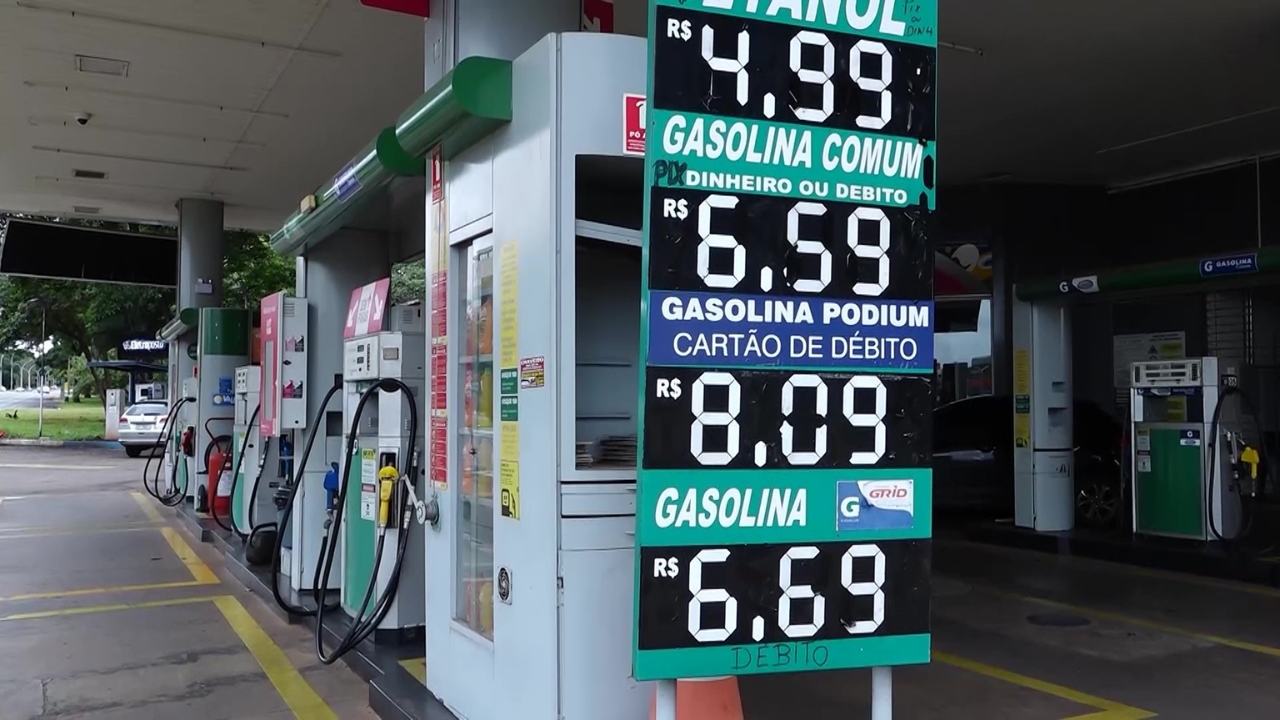
The estimated cost of the gasoline subsidy is R$1.2 billion per month, with a total expected to reach R$2.4 billion in the first two months. The government is trying to control prices without expanding the fiscal deficit, balancing expenditures by taxing exported crude oil. This decision shows that external geopolitical conflicts can quickly impact Brazilian refinery prices, federal tax revenues, and end-consumer budgets.
Related Products


GW4-40.5/72.5/126/145/170/252/363/420 Series Double-column Horizontal Rotary High-voltage AC Disconnect Switch
SHANDONG TAIKAI DISCONNECTORS CO., LTD.

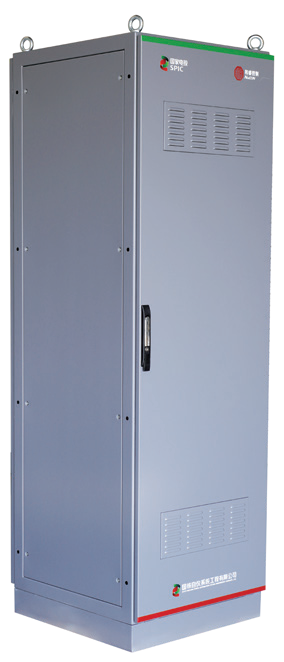
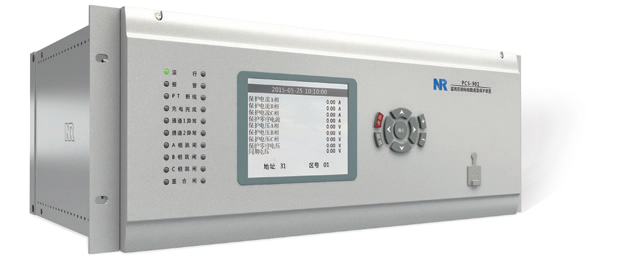
PCS-901 Series Ultra (Extra) High-voltage Transmission Line Complete Protection Device
Nanjing NR Electric Co., Ltd.
6kV-35kV Medium and High Voltage Direct-Connected Energy Storage System
Hainan Jinpan Smart Technology Co., Ltd.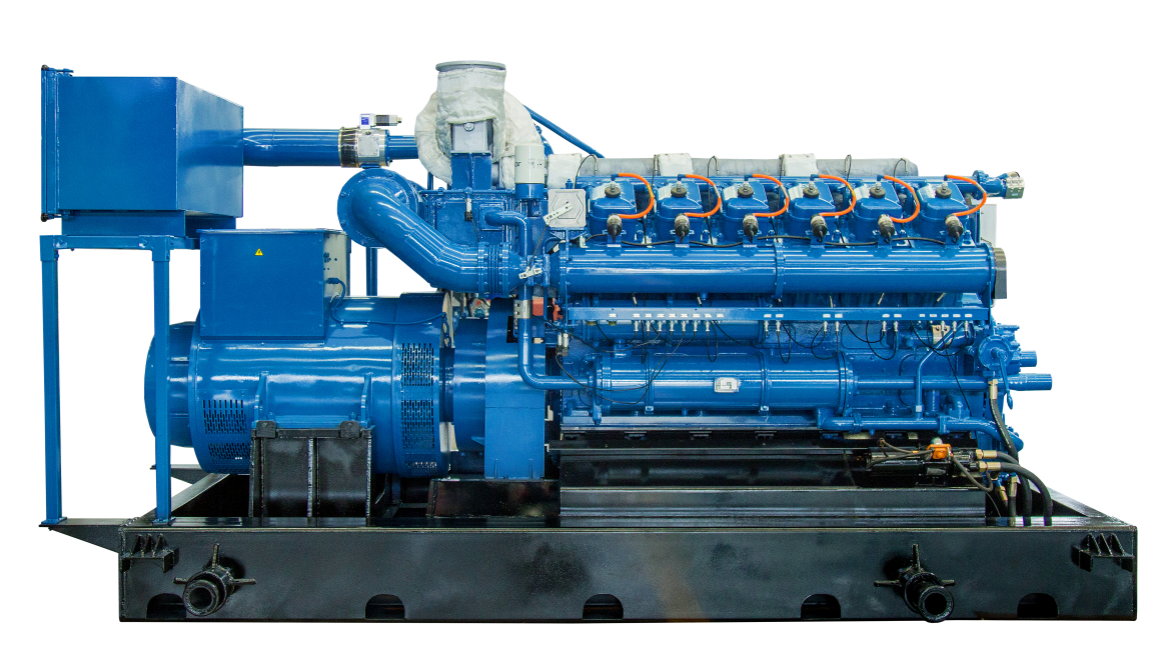


TAI Slew-drive Single-axis Independent 1P Tracking Bracket System
ANTAI TECHNOLOGY CO., LTD.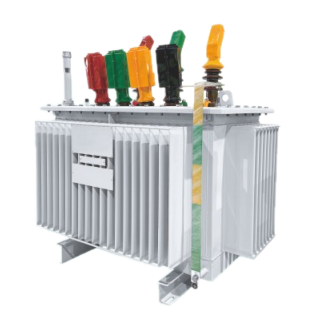
IS(B)□-M·RL Series Oil-immersed 3D Transformer (Planar / 3D Wound Core)
Guangdong Kehua Electric Power Technology Co., Ltd.