IEA: Global Oil Demand to Shrink in 2026 for First Time Since Pandemic
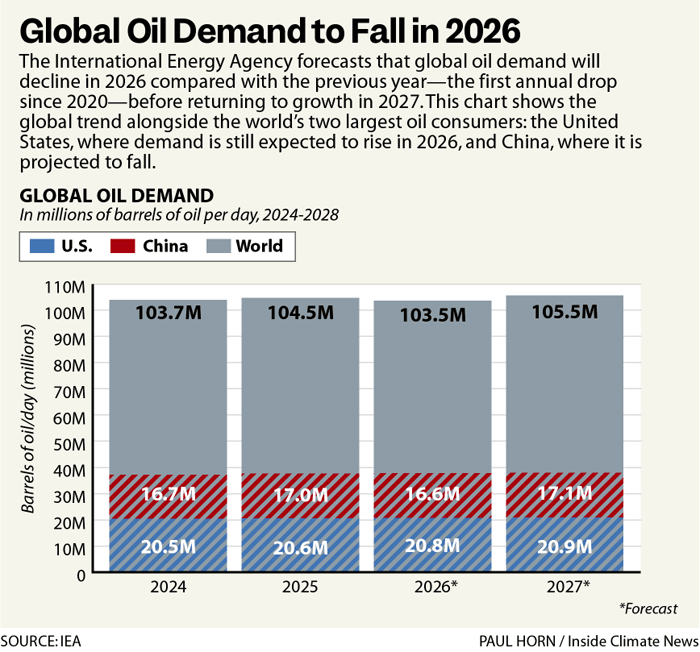
en.Wedoany.com Reported - The International Energy Agency (IEA) said on Friday that global oil demand is expected to shrink in 2026 for the first time since the COVID-19 pandemic, impacted by the war in Iran. Markets have already reacted to changes in the security situation in the Strait of Hormuz, a key oil transit chokepoint. Under a military blockade, shipping volumes through the strait fell to nearly zero in February, and recovery has been slow as the conflict persists. In its monthly report, the IEA forecast global oil demand at 103.5 million barrels per day in 2026, down 1% from the previous year; however, demand is expected to rebound to 105.5 million barrels per day in 2027, a year-on-year increase of 2%. The IEA noted that renewed clashes in the Gulf region this week highlight the risks of failing to reach a lasting peace agreement, which is necessary for normalizing oil markets.
It remains unclear how the conflict will affect long-term trends in oil demand, a critical factor as the world seeks to reduce fossil fuel use to avoid the worst effects of climate change. The war has driven up gasoline prices in the United States, but the report said U.S. oil demand will increase this year, bucking the global trend. Demand in China, the world's second-largest oil consumer, is expected to decline. However, the changes in both global and U.S.-China figures are very small, barely discernible on charts.
A bigger question is whether the war in Iran will lead to a long-term reduction in oil demand compared to a scenario without the conflict. Samantha Gross, director of the Energy Security and Climate Initiative at the Brookings Institution, believes that events in Iran over the past few months will have an impact, potentially accelerating the long-term decline in oil demand that may arrive at some point. She said the disruption is large and frightening enough that it is likely to change policies and consumer behavior. In its World Energy Outlook released in November, the IEA projected under current policy scenarios that demand would continue to rise until the end of the forecast period in 2050, while policy changes could bring the peak forward. The next edition of the report will reflect changes in this outlook.
Kenneth Medlock III, a fellow at the Baker Institute for Public Policy at Rice University, said the short-term impacts of the war are becoming clearer, with significant consequences reflected in higher fuel costs for consumers and revised investment decisions by businesses. He described this year as a "year of shocks" and expects oil demand to recover as it did after the COVID-19 pandemic, but the scale of the recovery and whether investments not made in 2026 are merely delayed or canceled will have a critical impact.
Related Products

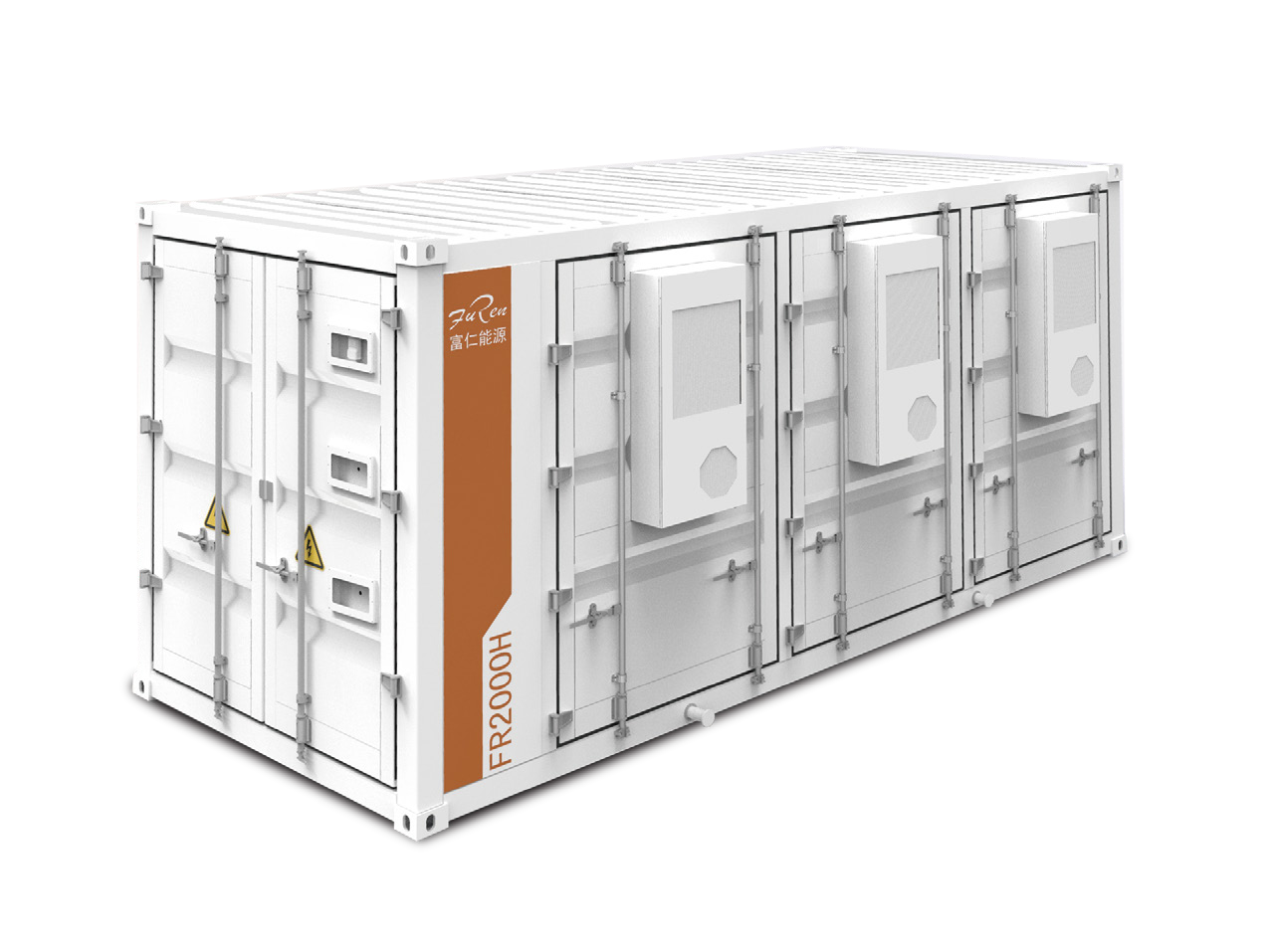
FR2000H 2.15MWh (Air-cooled) 20-foot Containerized Energy Storage System
Jiangyin Furen High-tech Co., Ltd.

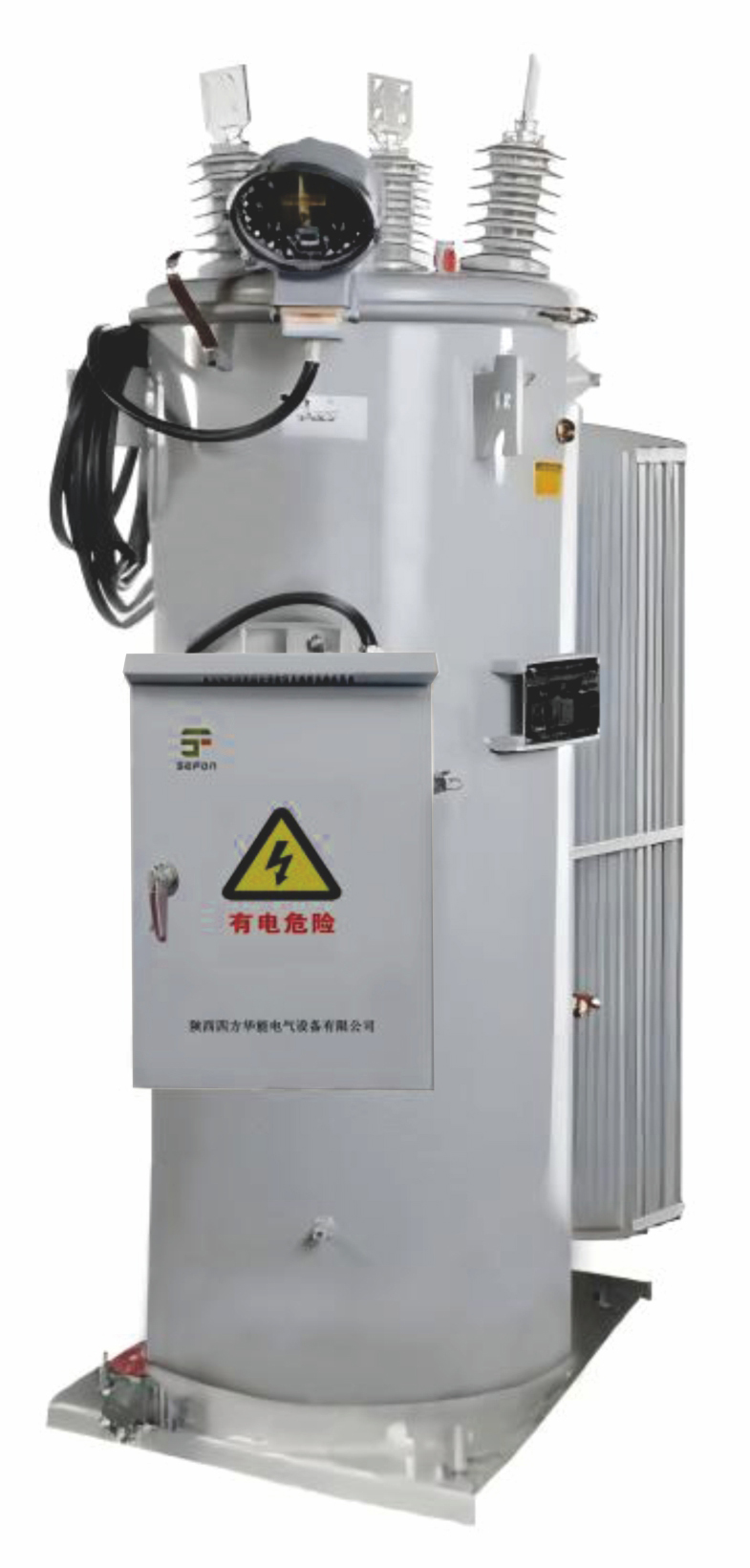
Single-Phase Automatic Voltage Regulator(AVR)
Shaanxi Sefon Electrical Equipment Co.,Ltd.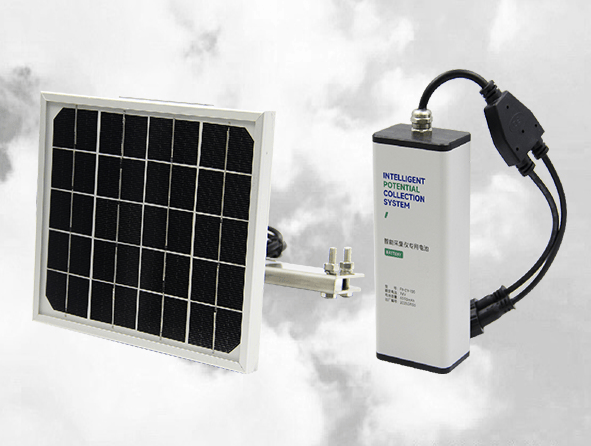
Inductive Power Harvesting Self-Powered Device - Safuneng
SELF ENERGY TECHNOLOGY (SHENZHEN) CO., LTD.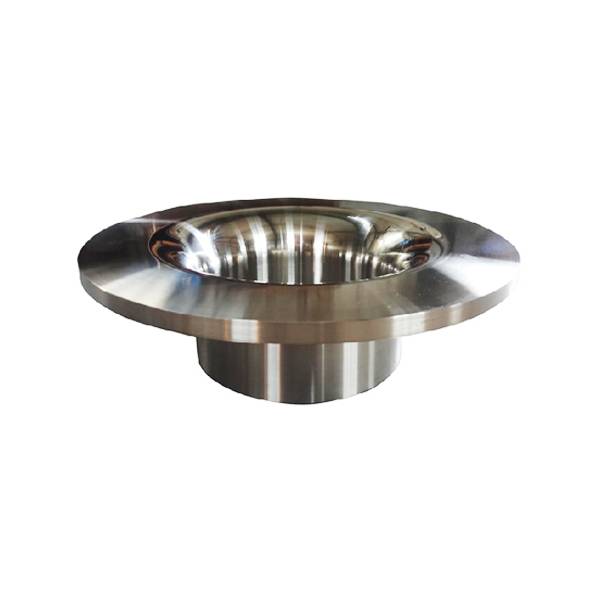
Standard Nozzle Flowmeter
Jinggong Automatic Control Instrument Complete Technology Development Company