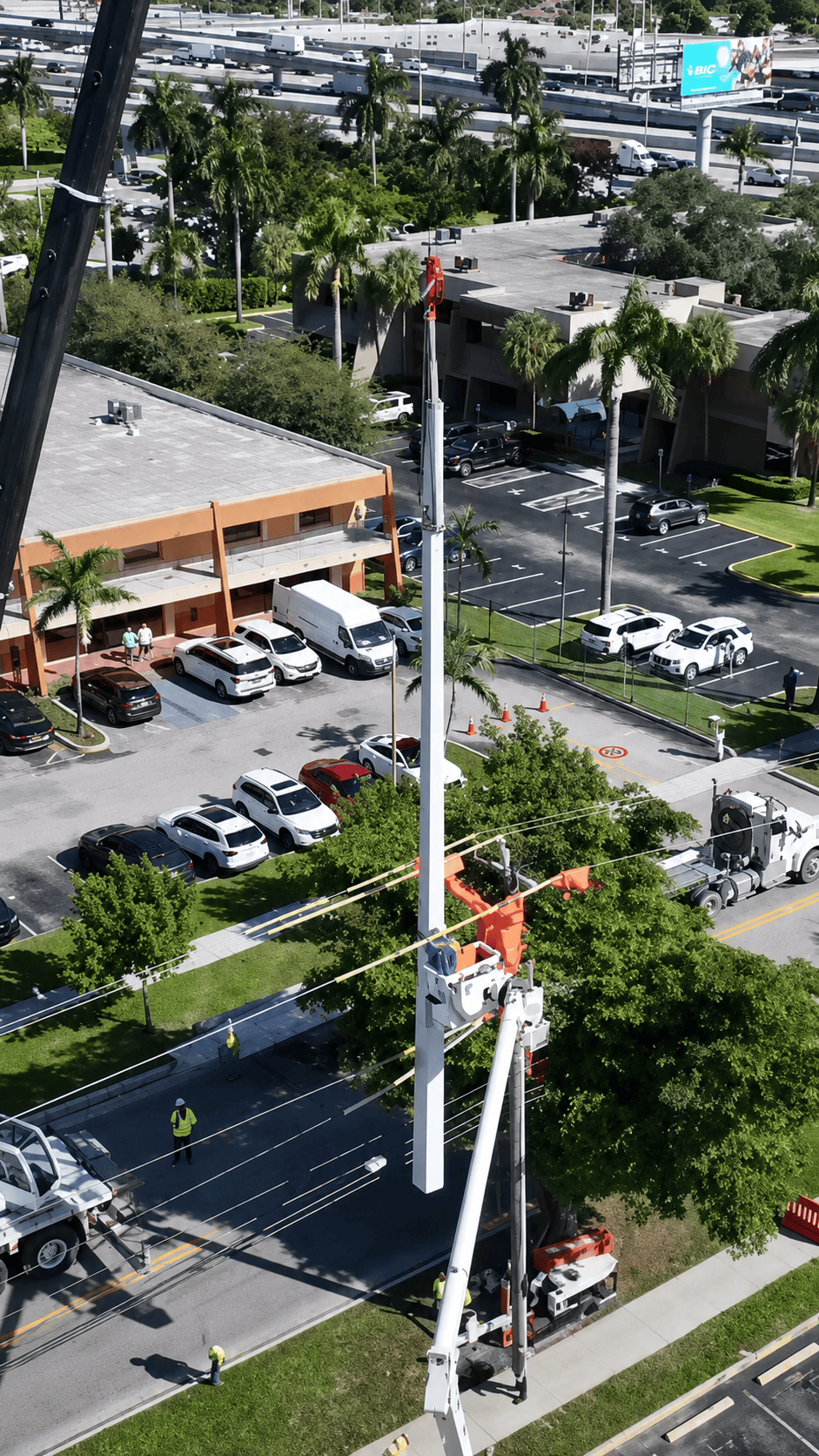
EU Restrictions on High-Risk PV Inverters Could Impact 14% of Europe's Solar Demand from 2026 to 2030
en.Wedoany.com Reported - An analysis by Wood Mackenzie shows that the European Commission's policy to restrict the use of photovoltaic inverters and power conversion systems from China and other high-risk countries on cybersecurity grounds could affect approximately 14% of Europe's projected solar demand between 2026 and 2030.
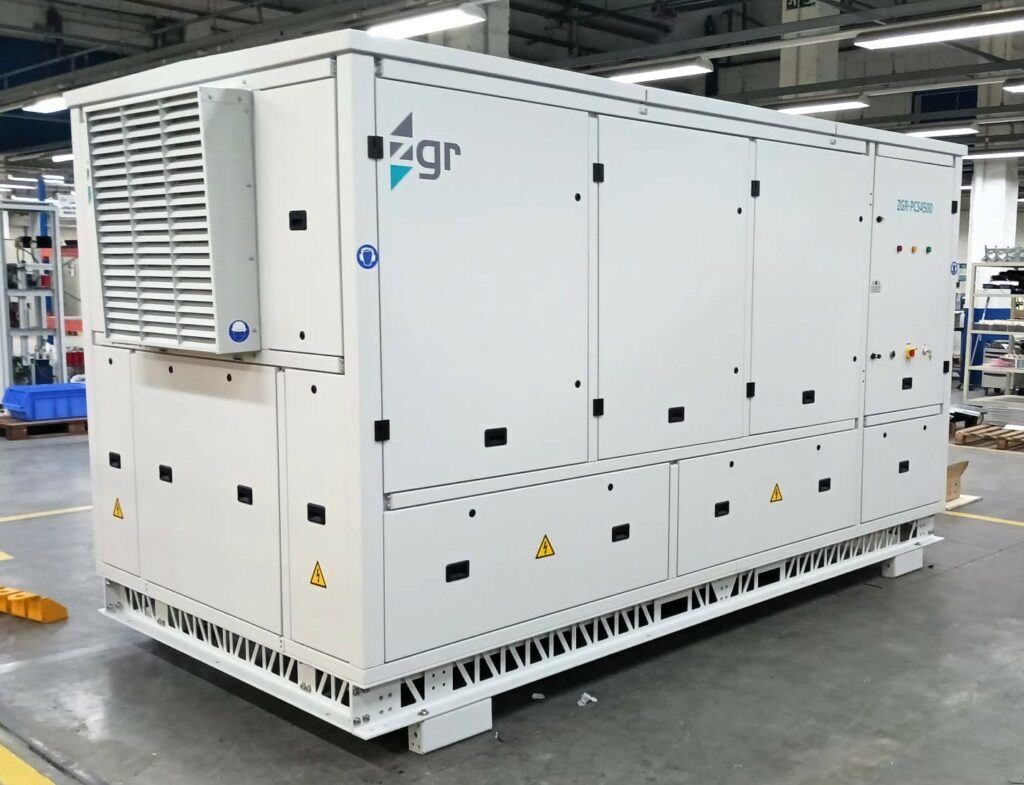
This proportion corresponds to a demand for photovoltaic inverters exceeding 28 GWdc. The European Commission advanced the plan in April, restricting EU funding support for solar projects using inverters from high-risk suppliers, a measure also applicable to battery energy storage projects. Wood Mackenzie estimates that the policy could impact 12% of the EU's energy storage deployment by 2030.
In its report, Wood Mackenzie noted that the European Commission also urged member states to apply this restriction to all solar and energy storage projects receiving national budget funding. If member states adopt this recommendation, the affected capacity would far exceed current estimates. The measure aims to reduce the European market's dependence on Chinese photovoltaic inverter manufacturers and address cybersecurity concerns.
Central and Eastern European countries, including Romania, Bulgaria, the Baltic states, and Greece, are most affected by this restriction. The ban will also impact large-scale solar projects funded by European institutions in North Africa, the Middle East, and the Caspian region.
Although European-made inverters carry a significant cost premium compared to Chinese products, the analysis suggests the impact on total project costs is limited, with an estimated increase of 2% to 8%, depending on the market segment. This aligns with an analysis by the European Solar Manufacturing Council (ESMC) based on S&P Global Energy data, which concluded that European and other non-Chinese manufacturers can meet European demand with only a 2% impact on project costs. The report also indicated that Western inverter manufacturers already have sufficient capacity to meet European demand.
Wood Mackenzie analyst Joe Shangraw stated that procurement complexity, project design changes, and the dismantling of integrated battery and inverter systems present additional challenges, particularly in price-sensitive Eastern European markets. Chief analyst Juan Monge noted that by 2030, the ban will shift 4 GW to 5 GW of demand from Chinese manufacturers to other suppliers. However, approximately 80% of Europe's solar and energy storage system demand relies on private financing or national programs, where the advantages of Chinese inverter manufacturers currently remain largely unchanged.
Juan Monge added that the key question is how the European Commission will update the Cybersecurity Act (Reglamento de Ciberseguridad) to classify photovoltaic inverters as critical infrastructure, and whether member states will follow suit to expand restrictions. The European Commission initiated a review of the Act in January, citing that dependence on a small number of photovoltaic inverter suppliers poses a significant security risk. Some member states have already taken measures, such as Lithuania banning remote access from China to energy facility management systems, and the German government is studying regulatory measures to restrict the use of Chinese inverters in energy infrastructure. In June, the European Commission announced that digital infrastructure related to solar and wind power generation constitutes an emerging cybersecurity priority and will conduct risk assessments on related facilities.
Related Products

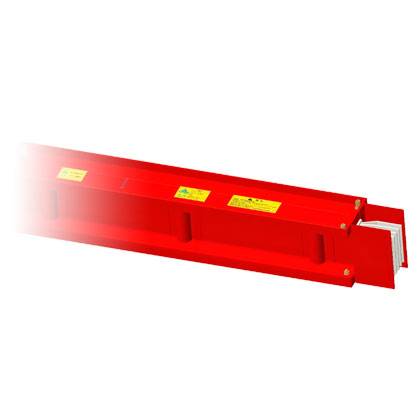
Mineral-insulated Compact Busway (Fire-resistant Busduct)
Zhuhai Guangle Electric Busway Co., Ltd.
72.5kV 1250A 31.5kA SF6 free Gas-insulated Metal-enclosed Switchgear
Zhejiang Juhonkia Intelligent Electric Co., Ltd.
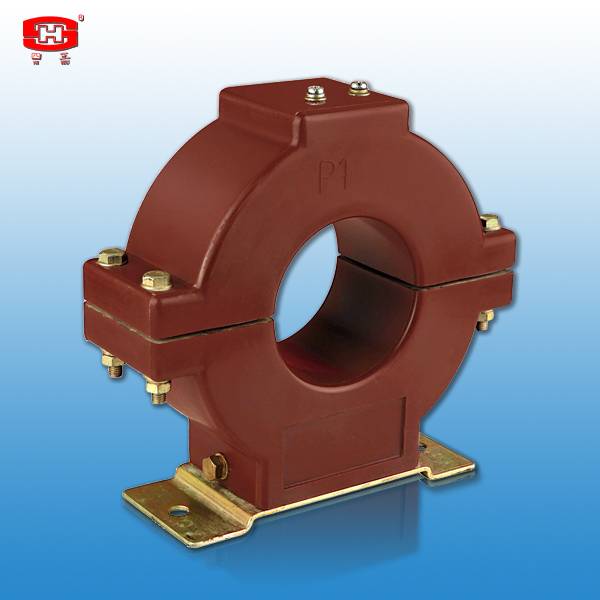
0.66kV Power Supply Instrument Transformer
Guangdong Sihui Instrument Transformer Works Co., Ltd.