University of Cambridge finds proper pressure on lithium batteries can double lifespan
en.Wedoany.com Reported - A research team at the University of Cambridge has discovered that applying appropriate and stable physical pressure to lithium batteries can double their service life. This breakthrough is expected to extend the lifespan of electric vehicle batteries, reducing battery waste and the environmental pressure from mining critical minerals.
During the charging and discharging process of lithium batteries, lithium ions move between the positive and negative electrodes, causing the battery volume to repeatedly expand and contract. The mechanical stress generated by long-term cycling accelerates battery aging. Currently, improvements in battery materials or chemical formulations only yield modest increases in battery lifespan.
To address this, the research team led by the University of Cambridge designed an experimental setup that uses inflatable airbags to continuously apply stable pressure to pouch cells while monitoring volume changes in real time, in order to study the impact of pressure on battery lifespan. Pouch cells refer to lithium batteries encased in aluminum-plastic composite film packaging.
Experimental results show that battery performance is optimal when pressure is maintained at approximately 12.5 bar. Excessive pressure can cause metallic lithium to deposit on the negative electrode surface, while insufficient pressure may lead to cracking of the positive electrode material, both of which accelerate battery degradation.
Professor Michael De Volder from the Department of Engineering at the University of Cambridge, one of the lead researchers, stated that the team did not alter the battery's electrolyte or electrode materials but directly used commercially available batteries in experiments, demonstrating that optimizing pressure management alone can significantly extend battery lifespan.
Researchers believe that this technology could reduce the frequency of electric vehicle battery replacements in the future, alleviate the pressure of battery recycling for waste batteries, and lower the demand for mineral resources such as nickel and cobalt, thereby mitigating the environmental and social impacts of related mining activities. This holds significant importance for the rapidly growing electric vehicle market, especially the second-hand car market. Currently, the technology is still in the laboratory validation phase and requires further scaling up and application to commercial battery systems. The relevant research findings have been published in the UK journal Nature Energy.
Related Products

Perfluorinated Ionic Membrane-CM-10N Series Membrane
Guizhou Juneng Century Technology Co., Ltd

Off-Grid Fuel Cell Supercharging Station (180kW Configuration)
Shanghai REFIRE Group Limited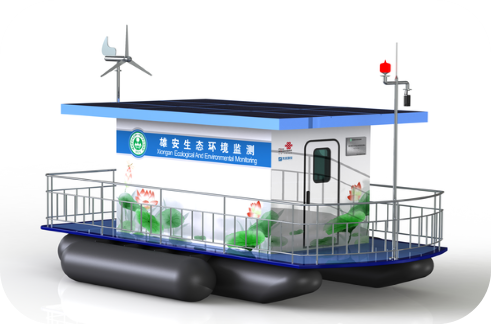
Floating Boat Water Quality Automatic Monitoring System
Hebei Sailhero Environmental Protection High-tech Co., Ltd.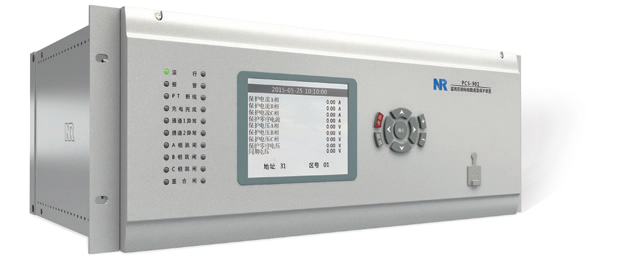
PCS-901 Series Ultra (Extra) High-voltage Transmission Line Complete Protection Device
Nanjing NR Electric Co., Ltd.
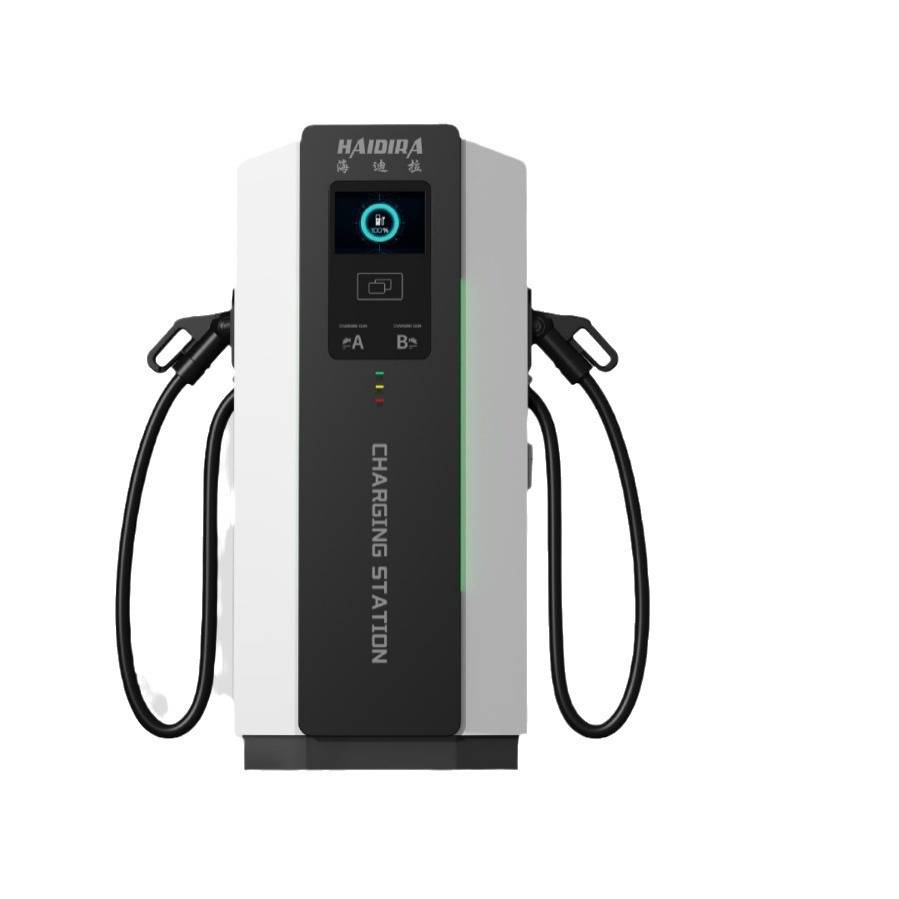
Manufacturer Direct Sales Tesla New Energy Electric Vehicle Universal DC 180kW Dual-gun Charging Pile Commercial Fast Charger
Anhui Haidira Electric Technology Co., Ltd.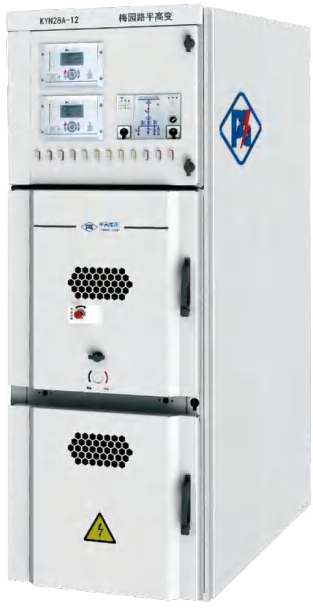
KYN28A-12 Metal Armored Removable Switchgear
Tianjin Ping Gao Intelligent Electric Co., Ltd.
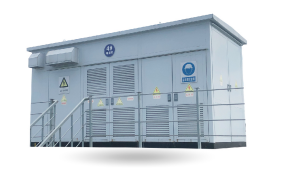
Smart Photovoltaic Prefabricated Substation
Shanghai Jinyou Jinhong Intelligent Electric Co., Ltd.
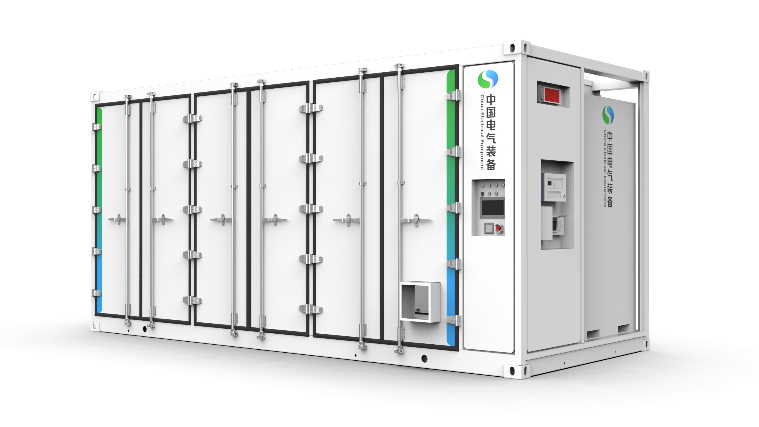
MESS8201-2507/5015-BN Prefabricated Liquid-cooled Energy Storage Battery Container
Xuchang Xuji Electric Science Energy Storage Technology Co., Ltd.