Saitec Installs NID Components on DemoSATH Floating Wind Platform in Spain
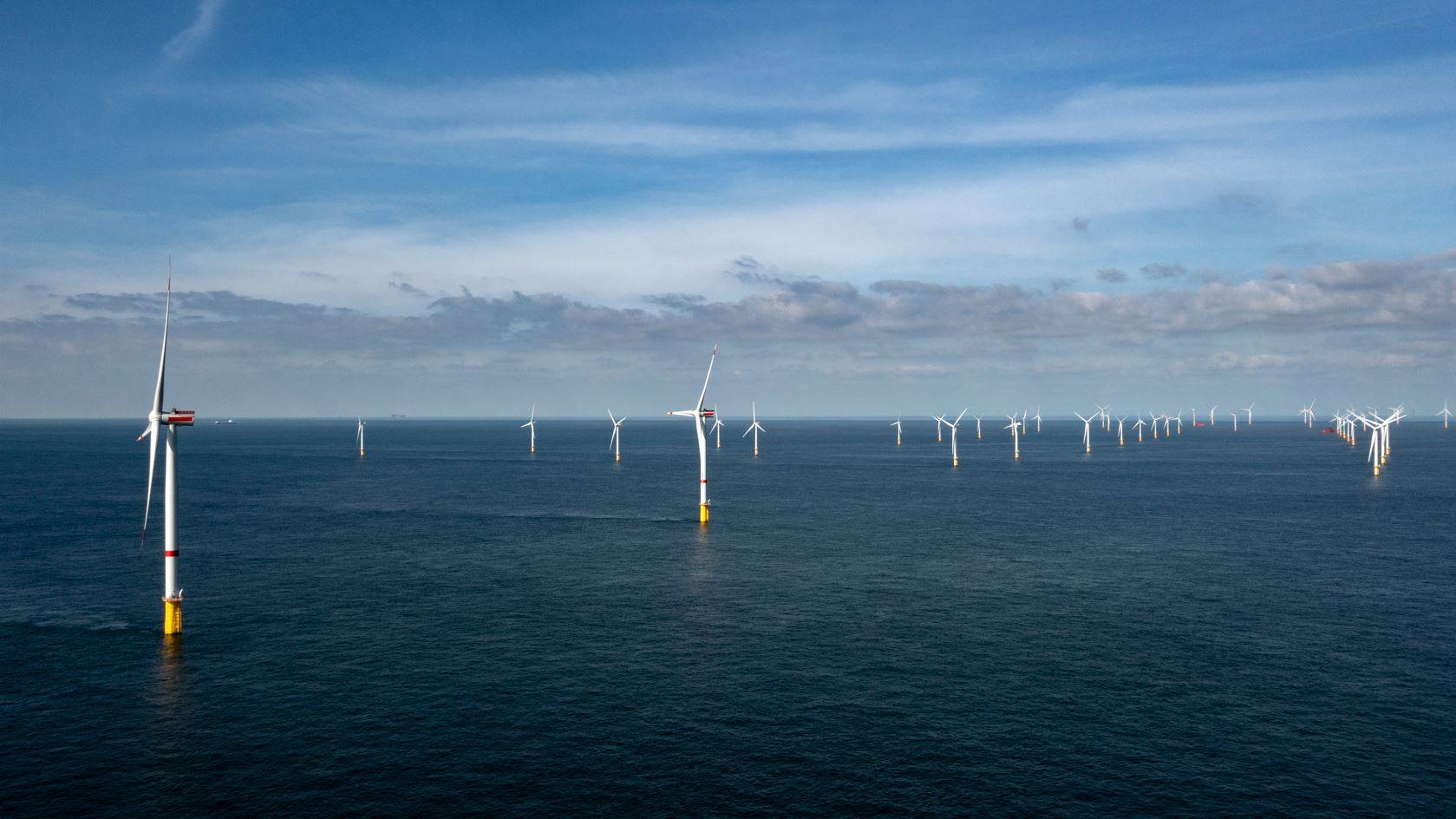
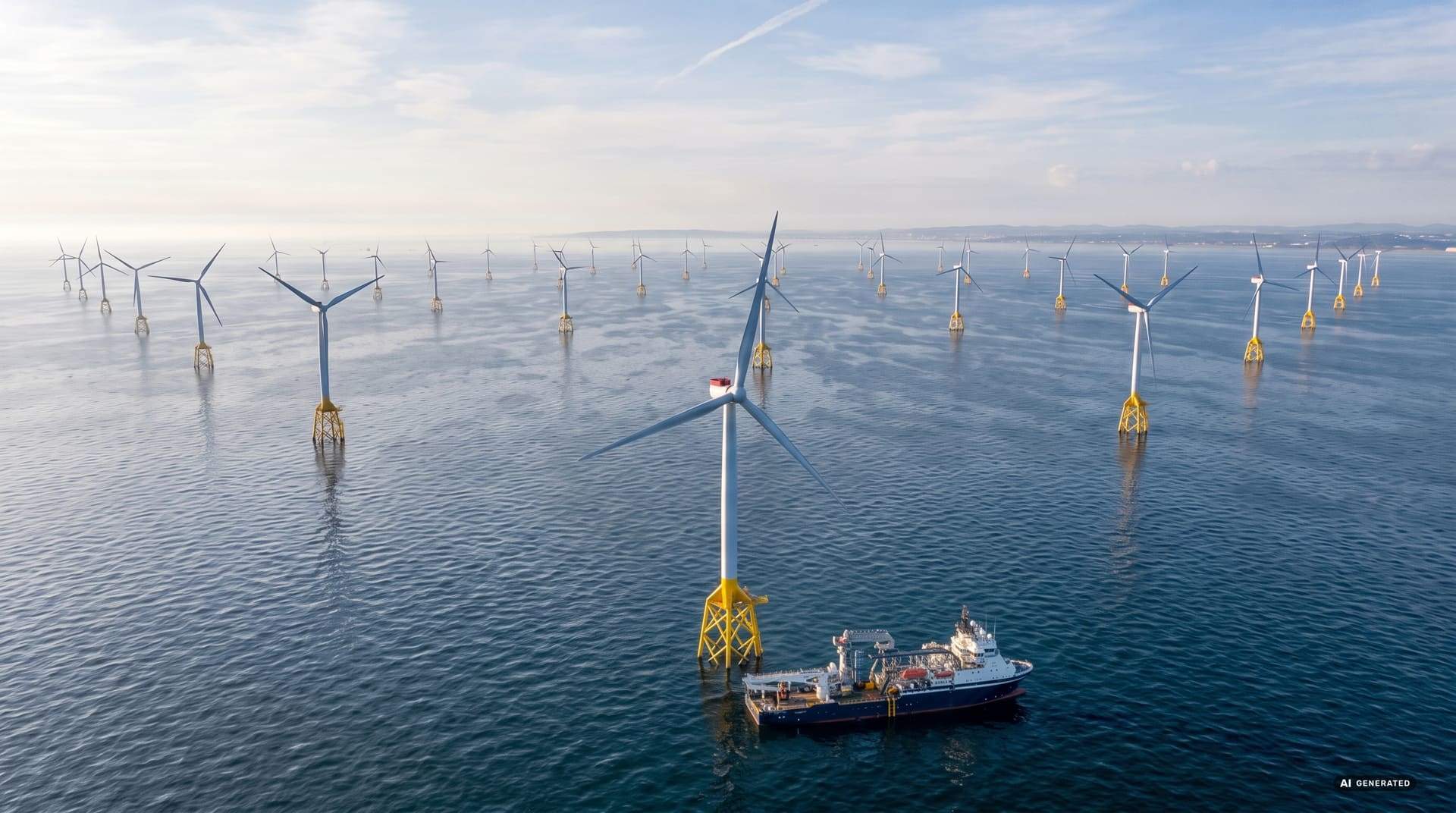
en.Wedoany.com Reported - Saitec Offshore Technologies has completed the installation of Nature-Inclusive Design (NID) components on the DemoSATH floating wind platform in Spanish waters and launched a multi-trophic aquaculture pilot project to study the feasibility of coexistence between floating wind foundations and marine life.
This underwater operation is the latest development in the DemoSATH Laboratory Biodiversity Program under the AQUASATH project. The company had previously deployed biomimetic reef solutions on the platform's underwater section, and has now installed multiple complementary systems to assess the capacity of floating wind foundations to host and support marine life, while exploring integration pathways with aquaculture activities.
The installed NID components have been adapted to the underwater column structure of DemoSATH, filled with shells and mussels to create new surfaces and microhabitats for marine organisms, providing areas for growth, shelter, and feeding for species around the platform.
A key component of the project is a multi-trophic aquaculture pilot integrated into the platform. Using main ropes to suspend lantern nets, mussel ropes, and collection ropes, the trial evaluates the feasibility of co-locating European flat oysters (Ostrea edulis), carpet shells (Venerupis corrugata), mussels, and sea lettuce algae with floating offshore wind operations, exploring synergies from such shared use.
The operation was carried out in two phases. The first phase involved collecting live materials, temporarily installing NID components on mussel rafts, and subsequently transferring them to DemoSATH. Each component was pre-labeled with a unique number, color code, and associated function or live material type to ensure full traceability. During raft operations, the work area was organized separately by components, tools, and live materials, with components containing algae and mussels prepared first, followed by those related to grooved carpet shells and native oysters, before connecting components to the raft and recording positions. The NID components were manufactured by Grupo Peñascal Kooperatiba.
The second phase involved collecting components from the raft and transporting them offshore for final underwater installation on DemoSATH. This operation required coordination between the main vessel, support team, mooring personnel, and professional divers, with divers positioning and securing the system on the floating wind platform.
The overall operation was coordinated by Saitec Offshore Technologies, responsible for managing protocols, installation checklists, document control, and full follow-up. Live materials were provided by Mar Ceibe, with Instituto Kardala supplying the raft for temporary component suspension and providing technical support on the first day of operations. Kotazero performed underwater work, including collecting components from the raft and final installation. Amarradores de Santander provided the mother vessel and operational support, including platform mooring operations.
This installation provided practical knowledge on how NID solutions can be adapted, handled, transported, and installed on floating offshore wind structures. Testing these solutions under real offshore conditions helps understand their technical feasibility, operational requirements, and potential contributions to marine biodiversity. Experience gained from the DemoSATH project can inform the design of future floating wind farms, supporting a design approach that integrates environmental considerations from the early development stages.
Related Products



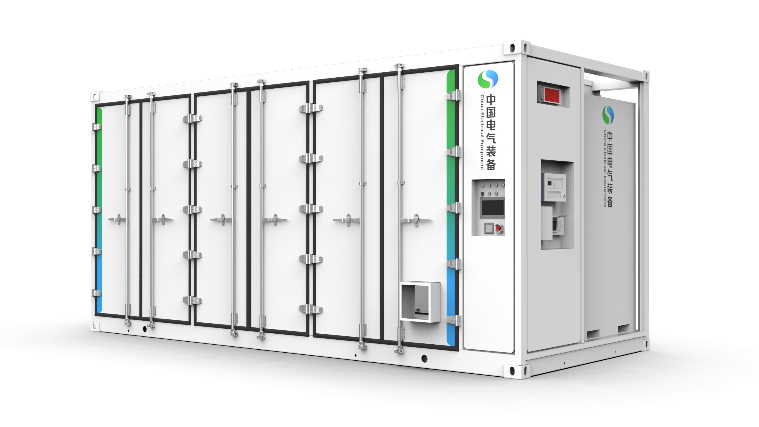
MESS8201-2507/5015-BN Prefabricated Liquid-cooled Energy Storage Battery Container
Xuchang Xuji Electric Science Energy Storage Technology Co., Ltd.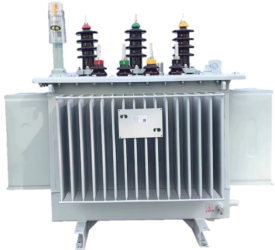
Oil-immersed Amorphous Alloy Core Distribution Transformer
Pinggao Group Smart Electric Co., Ltd.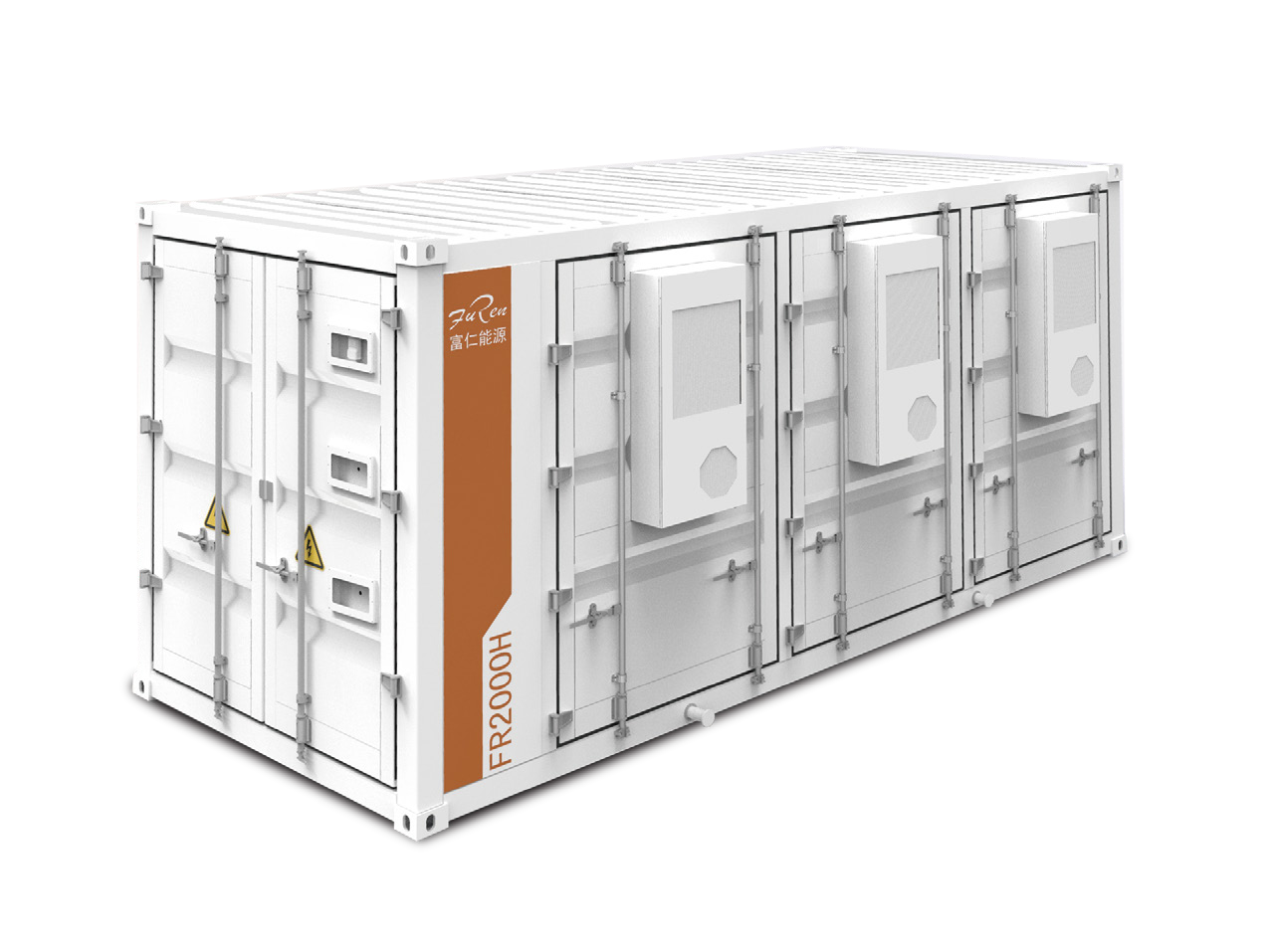
FR2000H 2.15MWh (Air-cooled) 20-foot Containerized Energy Storage System
Jiangyin Furen High-tech Co., Ltd.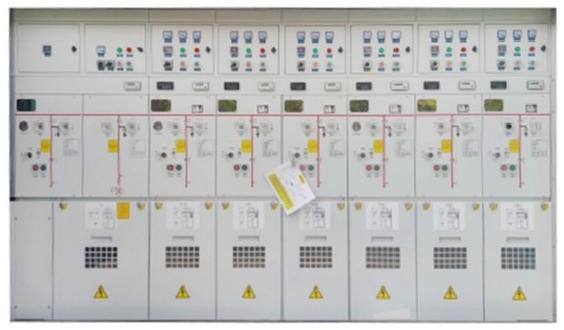
NISELA Series Environmentally Friendly Gas-Insulated Ring Main Unit
XJ DELISHIER ELECTRIC CO., LTD.