en.Wedoany.com Reported - Moishe Mana started his career in the moving industry in New York, and through the expansion of logistics and warehousing services, he entered the Miami real estate market, acquiring a large number of properties in Wynwood and the downtown area, demonstrating the intrinsic connection between urban logistics, warehouses, and real estate appreciation.

According to information released on September 21, 2017, by The Real Deal, a news outlet focused on the real estate market, Mana was born in Israel and is the founder of Moishe's Moving, a company that started in the early 1980s in New York with a borrowed truck. From the perspective of architecture and urban economics, the core insight lies in the path connecting moving, warehousing, and purchasing properties in strategic areas of Miami.
Mana's first business move was in the moving industry. Logistics involves elements such as transportation, organization, time, and trust, with a single work truck forming the foundation of a larger business. As the business grew, warehousing became a crucial component, linking transportation to warehouses, storage, and the urban real estate market.
The connection between moving and real estate became clearer when the company began handling physical spaces. Mana is also associated with GRM Information Management, a corporate document storage company with warehouse areas in the United States, South America, China, and Tanzania. This indicates that warehousing is not just a supplementary service but has become an integral part of the corporate structure.
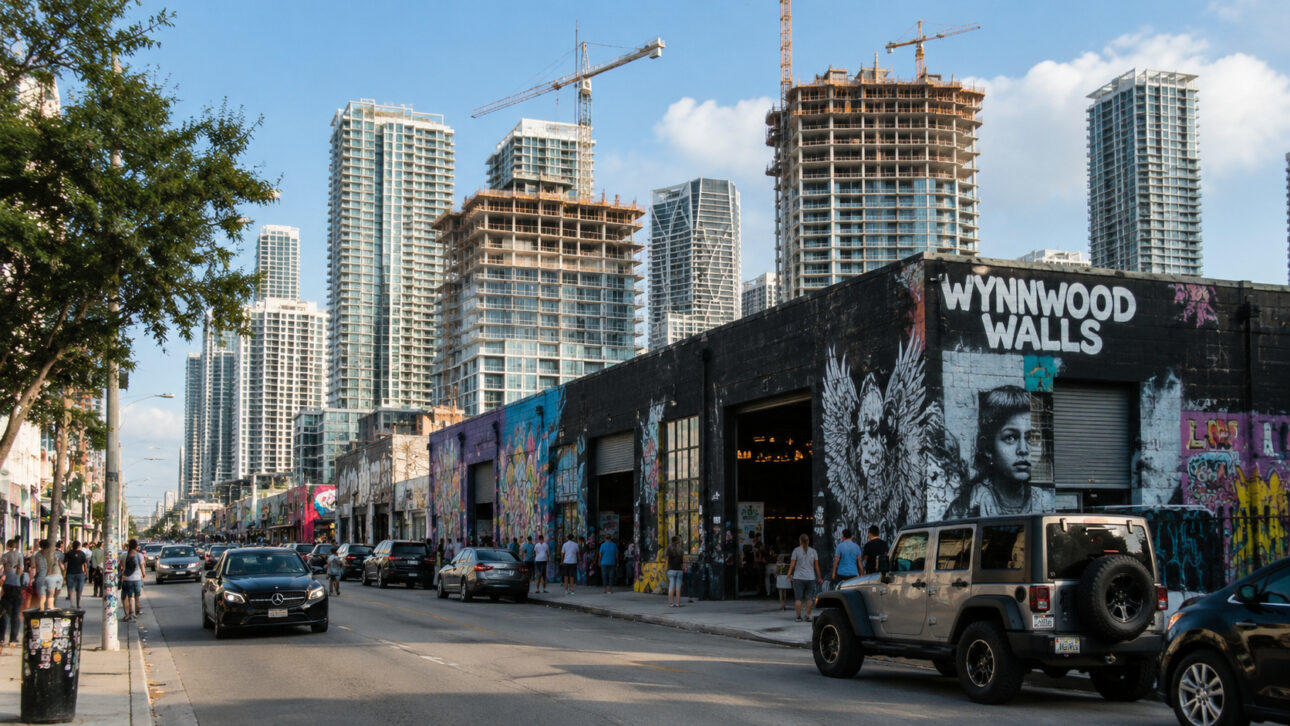
In Miami's Wynwood neighborhood, the fusion of warehouses, urban art, tourism, and commerce has transformed the area's image. Reports document that Mana owns large tracts of land and development rights in Wynwood, with the goal of creating a cultural hub in Miami. Additionally, Mana has acquired over 45 properties in the Flagler Street area of downtown Miami.
Real estate appreciation refers to land, warehouses, or buildings becoming more valuable, depending on location, commercial activity, improvements in neighborhood image, new visitors, projects, and business interest. In Wynwood, the blend of urban art, warehouses, tourism, and commerce has changed perceptions of the area.
Many Brazilian cities also have old warehouses, vacant land, and underutilized properties, which may be located near avenues, commercial centers, port areas, or transportation routes. The Miami example illustrates how logistics and the real estate market can converge in a city: properties first serve warehouse or logistics operations, then the surrounding environment changes, new uses emerge, and land begins to attract interest from commercial, cultural, tourism, or construction sectors.
Moishe Mana started in the moving industry in New York and later ventured into urban real estate in Miami, with operations in both Wynwood and the downtown area. This story demonstrates how transportation, warehousing, storage, and land can all be part of the same economic strategy.