Niterói invests R$100 million in a 680,000 sqm park with 35,000 sqm of filter gardens
en.Wedoany.com Reported - The Piratininga Waterfront Park in Niterói, Brazil, integrates drainage engineering with public recreation, treating rainwater flowing into the Piratininga Lagoon through a system of filter gardens. On the shores of the Piratininga Lagoon (Lagoa de Piratininga) in Niterói, the Parque Orla Piratininga Alfredo Sirkis is not only a public leisure area but also an environmental structure designed to treat rainwater before it enters the lagoon system.
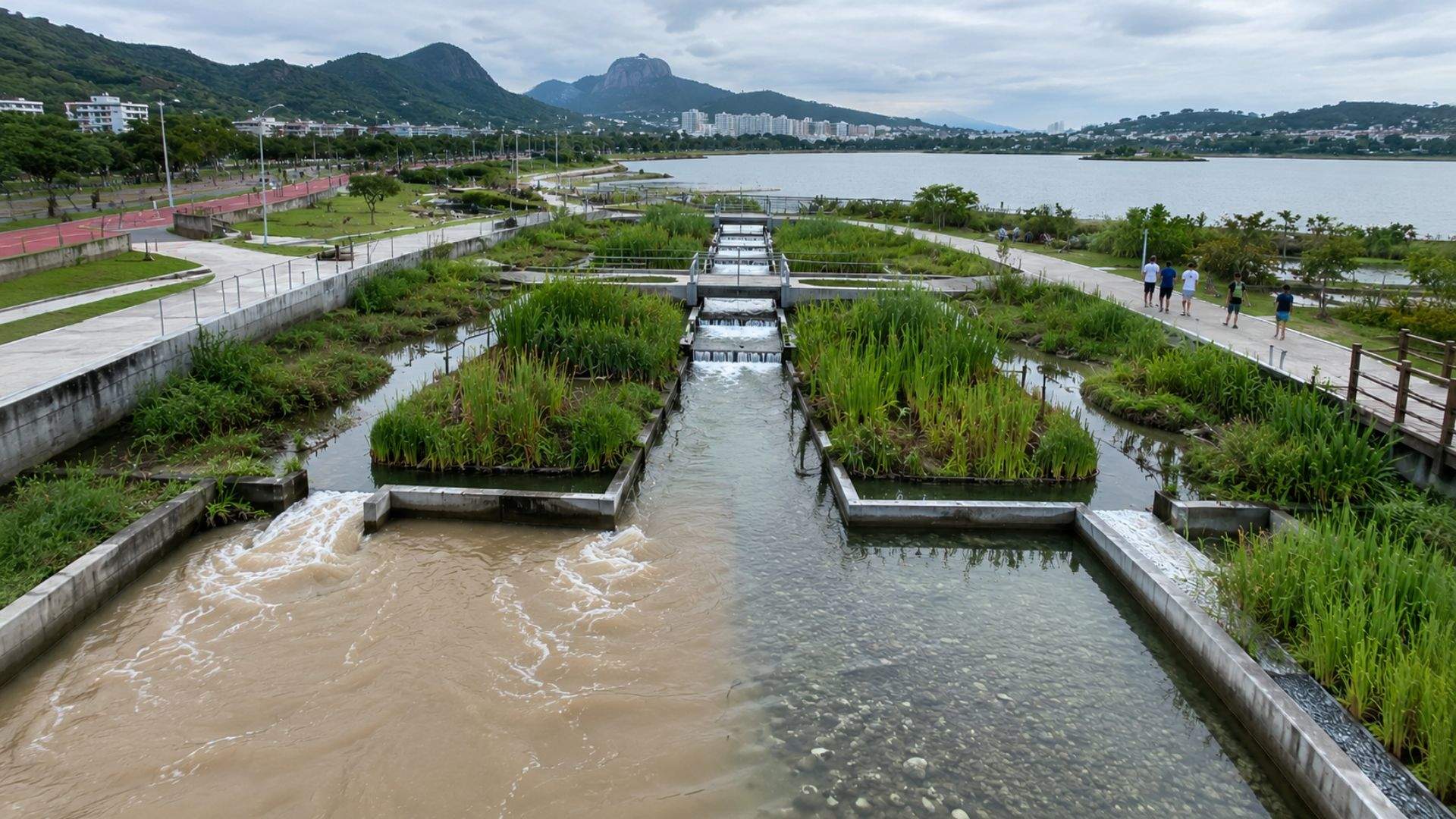
Behind the bike paths, squares, viewpoints, and social areas, the project uses vegetation, sediment retention, and natural processes to improve water quality without the use of chemicals to treat the water flowing into the lagoon. According to the Niterói City Hall, the project includes 35,000 square meters of filter gardens to treat rainwater and water from three main watersheds that flow into the Piratininga Lagoon. These watersheds include the Cafubá River (Rio Cafubá), the Arrozal River (Rio Arrozal), and the Jacaré River (Rio Jacaré), which channel part of the urban drainage into the lagoon system, carrying substances that could harm water quality if not properly retained.
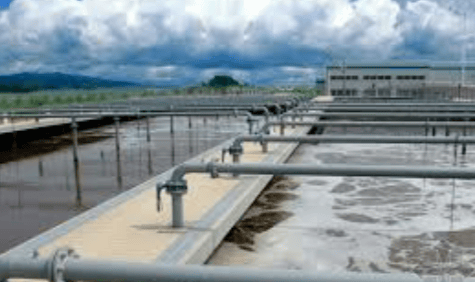
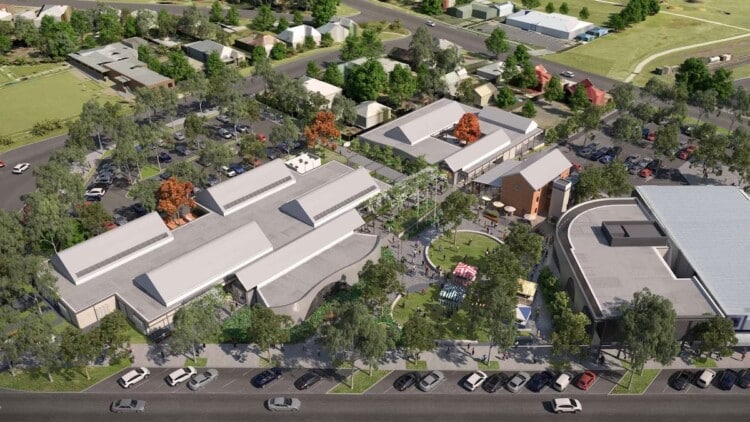
Within a 680,000 square meter public area, the solution is no longer just technical infrastructure but has been integrated into a park open for transit, leisure, culture, and environmental education in the Oceanic Region of Niterói (Região Oceânica de Niterói). The filter gardens operate similarly to constructed wetlands, where water flows through carefully designed structures to slow its velocity and promote natural retention and treatment processes. According to a technical note from the city government, during this process, particles are retained, vegetation absorbs organic matter, and microorganisms in the environment help decompose pollutant components.
Before entering the filter gardens, part of the water flows through sedimentation basins, designed to retain suspended solids and reduce siltation in the Piratininga Lagoon. In Brazilian cities near rivers, canals, and lagoons, rainwater runoff often carries sediment, garbage, and organic matter, increasing pressure on aquatic environments. Niterói's intervention transforms the urban edge into a visible environmental facility, allowing the public to encounter drainage functions typically hidden in pipes or imperceptible.
The park was planned within the Sustainable Oceanic Region Program (Programa Região Oceânica Sustentável, or PRO Sustentável), aiming to protect and restore the Piratininga Lagoon and its surroundings while reorganizing the city's connection to the lagoon's shores. The area includes Modesto Island (Ilha do Modesto), Pontal Island (Ilha do Pontal), and Tibau Island (Ilha do Tibau), along with circulation spaces, leisure facilities, and environmental structures. Planned and implemented urban elements include 10.6 kilometers of bike paths connected to the Oceanic Region's bicycle system, 17 leisure areas, viewpoints, and an Eco-Cultural Center focused on environmental education.
The Niterói City Hall classifies the Piratininga Waterfront Park as the largest nature-based solution project in Brazil in the field of environmental sustainability. The project received an investment of R$100 million and is part of a series of actions by the city government to improve the Piratininga Lagoon and its urban surroundings. The operation of the filter gardens relies on a combination of engineering, vegetation, and water management, forming a series of structures that control water flow, retain pollutants, and extend the water's residence time in the system. The root systems of large aquatic plants (macrófitas) help absorb organic matter, while the environment created within the gardens favors biological processes associated with the decomposition of pollutant particles carried by drainage water.
Auxiliary structures are also part of the solution, including rain gardens, bioswales, sedimentation basins, and spillways, each with specific functions for controlling water flow and retaining materials carried by the water. The system does not operate as invisible engineering but instead transforms the water's path into part of the urban experience, demonstrating how drainage, environmental restoration, and public use can coexist in the same space. Beyond Niterói, the filter gardens of Piratininga have been used as an example, showcased during technical visits related to WRI Brasil, where representatives from ten Brazilian cities interested in low-carbon urban solutions and environmental restoration observed the project.
This experience is considered a case study by cities researching alternatives to traditional drainage models, especially in areas where rivers, canals, and lagoons receive large volumes of rainwater. Awards related to sustainable development and smart cities have increased the park's visibility, with the city government reporting national and international recognition in categories such as sustainable urban development, ecosystem services, energy, and environment. By integrating environmental restoration, urban drainage, and leisure, the Piratininga Waterfront Park demonstrates how civil engineering visible to citizens can assume functions beyond landscaping and help protect water quality. Rainwater that previously flowed more quickly into the lagoon system, carrying accumulated loads along the way, now passes through structures designed to retain, slow, and treat these flows before they discharge into the Piratininga Lagoon.
Related Products


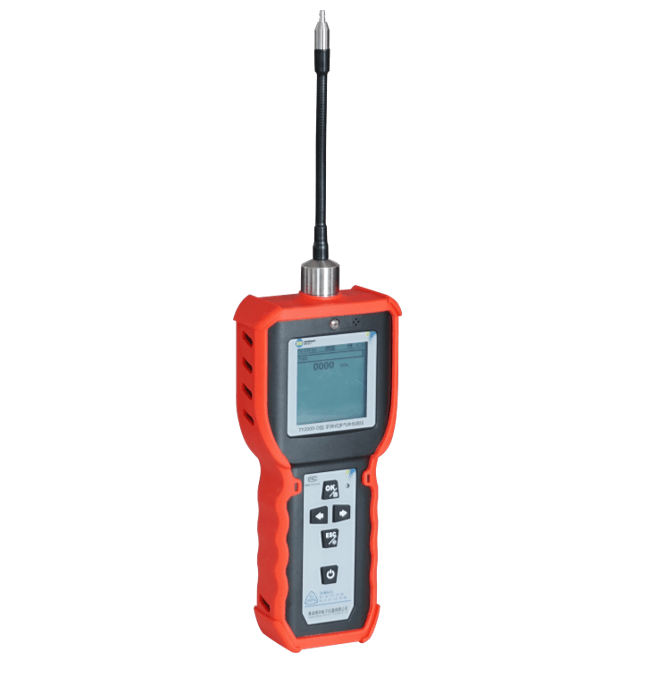
Industrial and Commercial Point-Type Gas Detector
Jinan Benan Technology Development Co., Ltd.
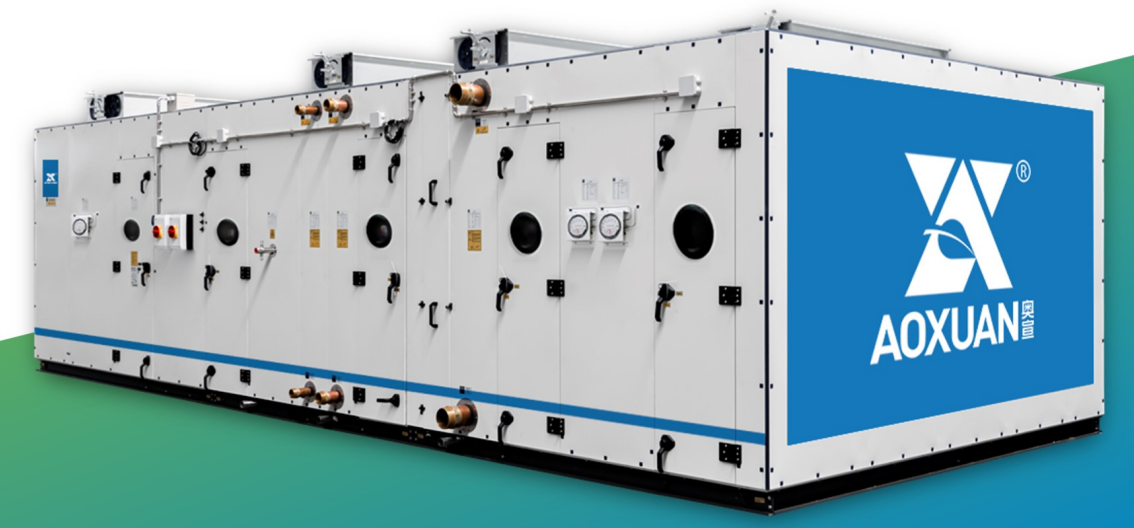
Aoxuan Intelligent Precision Air Conditioning Unit
SHANGHAI AOXUAN PURIFICATION TECHNOLOGY CO., LTD.
RISITA explosion-proof air conditioning
Guangdong RISITA Air Conditioning Equipment Co.,Ltd.
ERW Welded Pipe (Black Pipe and Hot-dip Galvanized Steel Pipe)
Handan Zhengda Steel Pipe Co., Ltd.
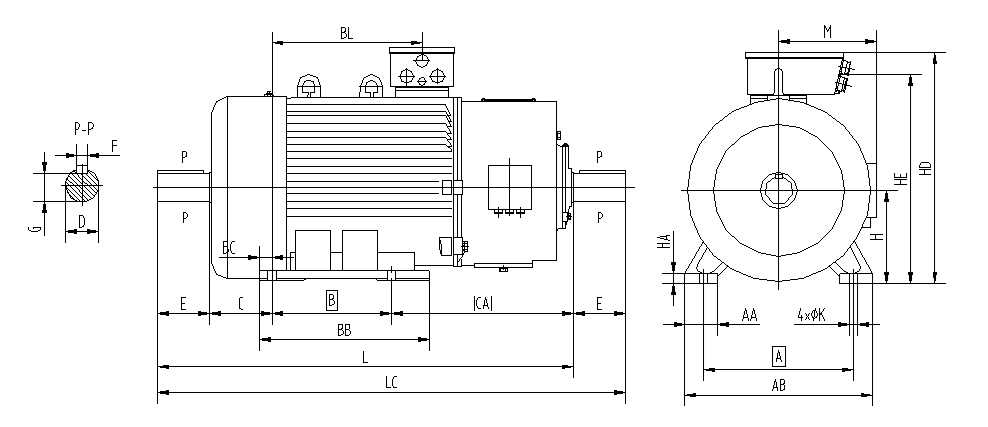
YZR (450-560) Series Wound Rotor Three-Phase Asynchronous Motors for Crane and Metallurgical Applications
Jiamusi Electric Machine Co., Ltd.