Maharashtra Amends MHADA Act to Clear Hurdles for Rebuilding 13,000 Dilapidated Buildings in Mumbai
en.Wedoany.com Reported - The Maharashtra state government has amended the Maharashtra Housing and Area Development Authority (MHADA) Act of 1976, expected to clear the way for the redevelopment of nearly 13,000 dilapidated and dangerous buildings in Mumbai. The amendment aims to resolve legal and procedural challenges that have long caused project delays.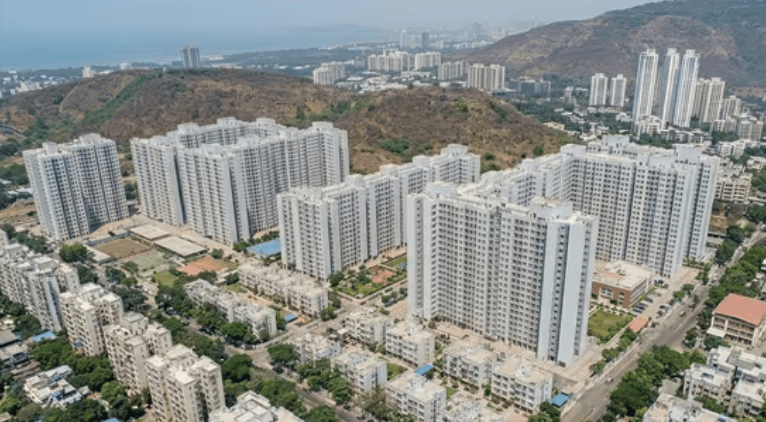
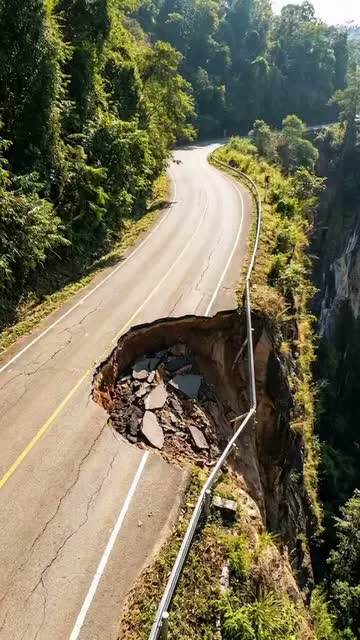
Dilapidated buildings refer to structures that have deteriorated due to age, poor maintenance, or structural damage, rendering them unsafe or unfit for habitation. Such buildings typically require major repairs, reconstruction, or comprehensive renovation to ensure occupant safety. All acquired buildings in Mumbai fall under the jurisdiction of the Mumbai Building Repairs and Reconstruction Board (MBRRB), a subsidiary of MHADA. Many of these buildings are at least 80 years old, and during the annual monsoon season, some partially or completely collapse, causing casualties. Before each monsoon, MHADA conducts pre-monsoon structural audits to identify buildings with safety hazards. Based on the audit results, MHADA issues evacuation notices to residents of buildings deemed "dangerous." To assist affected residents, MHADA provides transitional housing at alternative sites. However, due to location preferences, community ties, and other social factors, many residents refuse to relocate. The redevelopment of such dilapidated buildings has been a long-standing challenge for Mumbai's real estate sector, with building collapses frequently occurring during the monsoon season.
According to MHADA data, there are over 13,000 dilapidated buildings in Mumbai. Ahead of the monsoon, MHADA's MBRRB released a list of 82 residential buildings in south and central Mumbai, identified as the city's most dangerous structures requiring immediate evacuation. This list includes 43 buildings that were classified as highly dangerous last year. In 2025, MHADA published a list of 96 extremely dangerous buildings. In 2024, MHADA issued a similar list of 20 extremely dangerous buildings, while the Brihanmumbai Municipal Corporation (BMC) released a citywide list of 188 dilapidated buildings.
The amendment aims to strengthen MHADA's powers to facilitate the redevelopment of projects stalled due to disputes among residents, landlords, developers, or housing societies. The legislature has now amended the Act, granting MHADA legal authority to redevelop the old and dilapidated buildings for which it has been collecting taxes and fees. According to a report by the Hindustan Times, the matter is currently pending before the Supreme Court, and this amendment is expected to help MHADA secure a favorable ruling. One of the key objectives of the amendment is to streamline the redevelopment process by enabling MHADA to intervene more effectively in projects that have been stalled for years. The proposed changes are expected to reduce delays caused by litigation, stakeholder disagreements, and procedural hurdles that have hindered the redevelopment process. By providing a clearer legal framework, the government hopes to accelerate the redevelopment of unsafe buildings while ensuring that eligible residents receive new housing in redevelopment projects.
"This amendment will help thousands of tenants living in very old buildings whose redevelopment has been stalled for decades due to landlord-tenant disputes. From the 1970s to 2018, 815 people died in dilapidated building collapses. Between January 2021 and August 2025, there were 345 total or partial collapses, resulting in 8 deaths and 28 injuries," said an MHADA official. According to the official, this also aligns with the Maharashtra government's policy direction to promote cluster redevelopment projects across Mumbai.
Cluster development is an urban redevelopment approach that consolidates multiple adjacent buildings or plots into a single large project. It enables better planning, improved infrastructure, wider roads, increased open spaces and amenities, while supporting the resettlement of existing residents and more efficient land use in a congested city. Currently, MHADA is undertaking 11 major redevelopment projects on nearly 925 acres of land in Mumbai under the C&DA model. According to the authority, these projects are expected to benefit over 80,000 residents living in old neighborhoods built decades ago. In addition to MHADA, the Slum Rehabilitation Authority (SRA) has also identified slum clusters in Mumbai's real estate market that will be included in redevelopment plans. Under MHADA's Construction and Development Agency (C&DA) system, developers are appointed to redevelop entire housing clusters, with eligible residents receiving resettlement apartments, transitional rent compensation, and reserve funds. MHADA stated that these projects aim to improve residents' quality of life through planned urban renewal and modern infrastructure.
Related Products

West China Xiamen Hospital of Sichuan University
Wuhan Huakang Century Clean Technology Co., Ltd.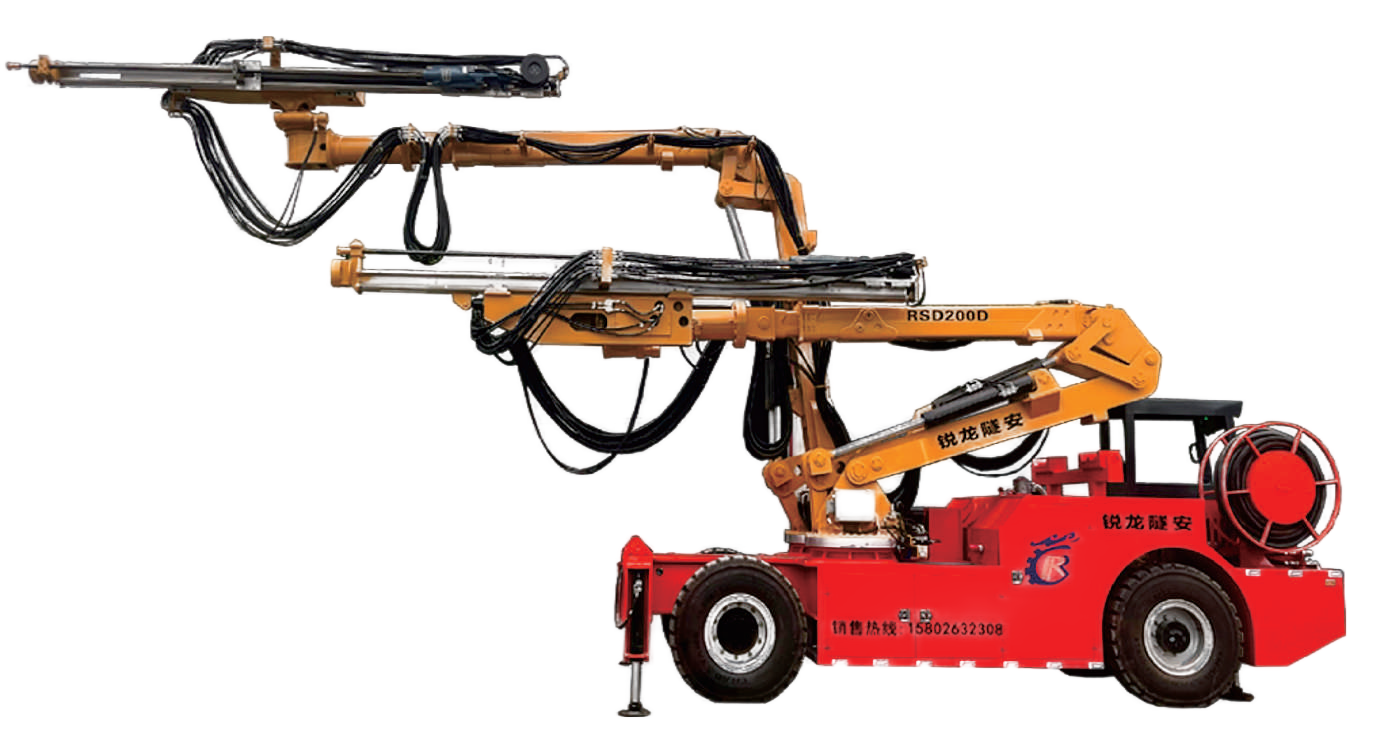
Dual-curved Arm Rock Drilling Trolley RSD200D
Chengdu Ruilong Machinery Manufacturing Co., Ltd.

Acoustic Mineral Fiber Ceiling Tile 595x595x12mm
Shanxi Pano Trading Co., Ltd
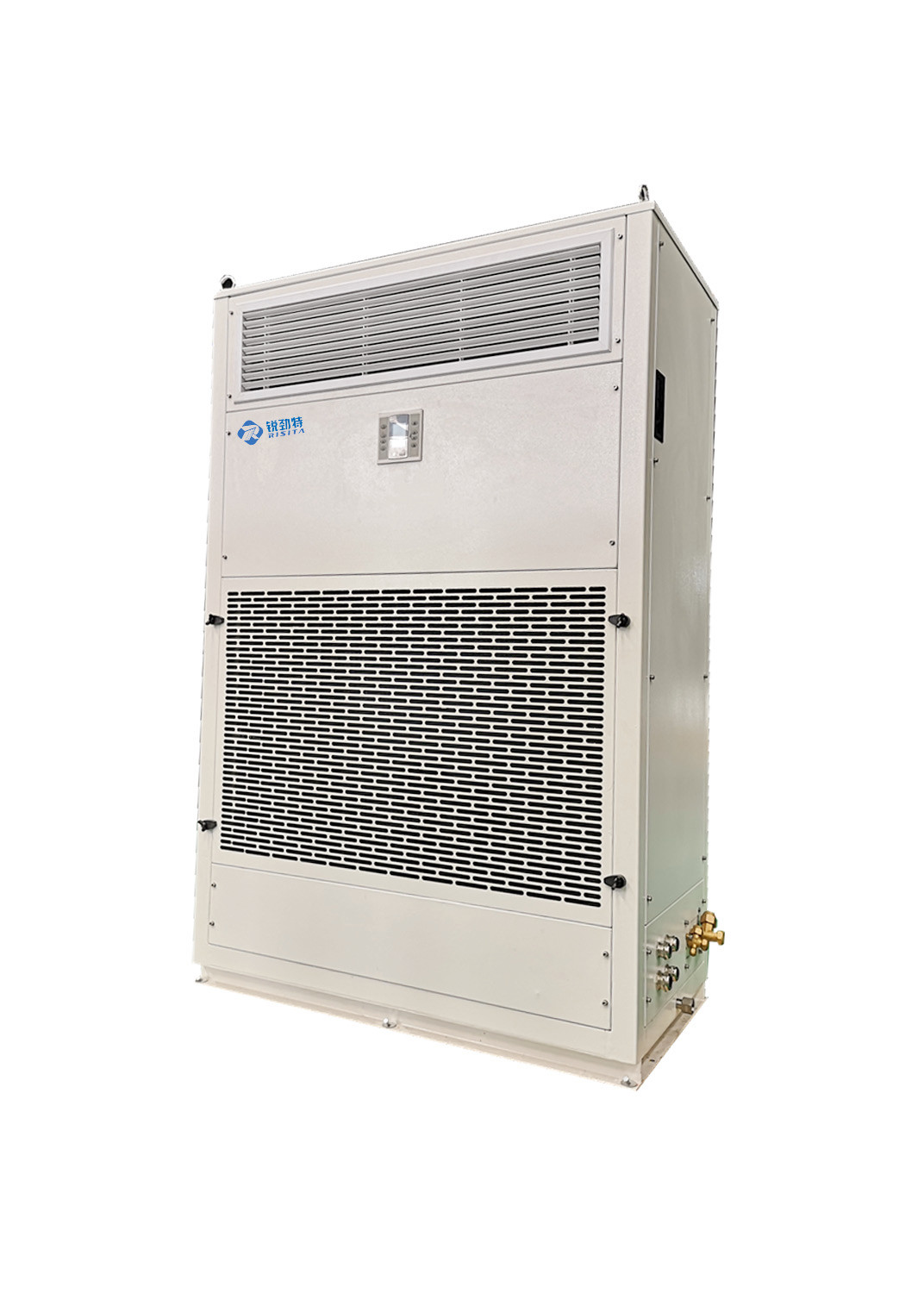
RISITA explosion-proof air conditioning
Guangdong RISITA Air Conditioning Equipment Co.,Ltd.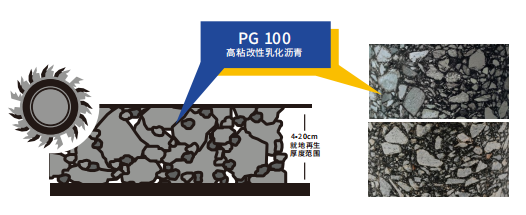
High-toughness in-Situ Cold Recycling Technology for Original Structural Layers
Central Fortune Creation Technology Group Co., Ltd.
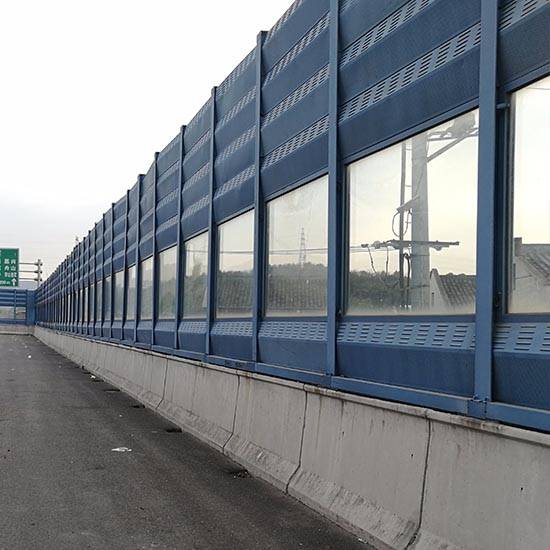
Metal sound barriers that can reduce the transmission of road noise
Hebei Jinbiao Construction Materials Tech Corp., Ltd.