en.Wedoany.com Reported - UK railway infrastructure management company Network Rail has completed the installation of a 155-meter-long, approximately 11,000-ton railway tunnel in Werrington, north of Peterborough, England. The installation used a hydraulic jacking method to push a pre-cast curved concrete structure, built alongside the tracks, beneath the railway line.
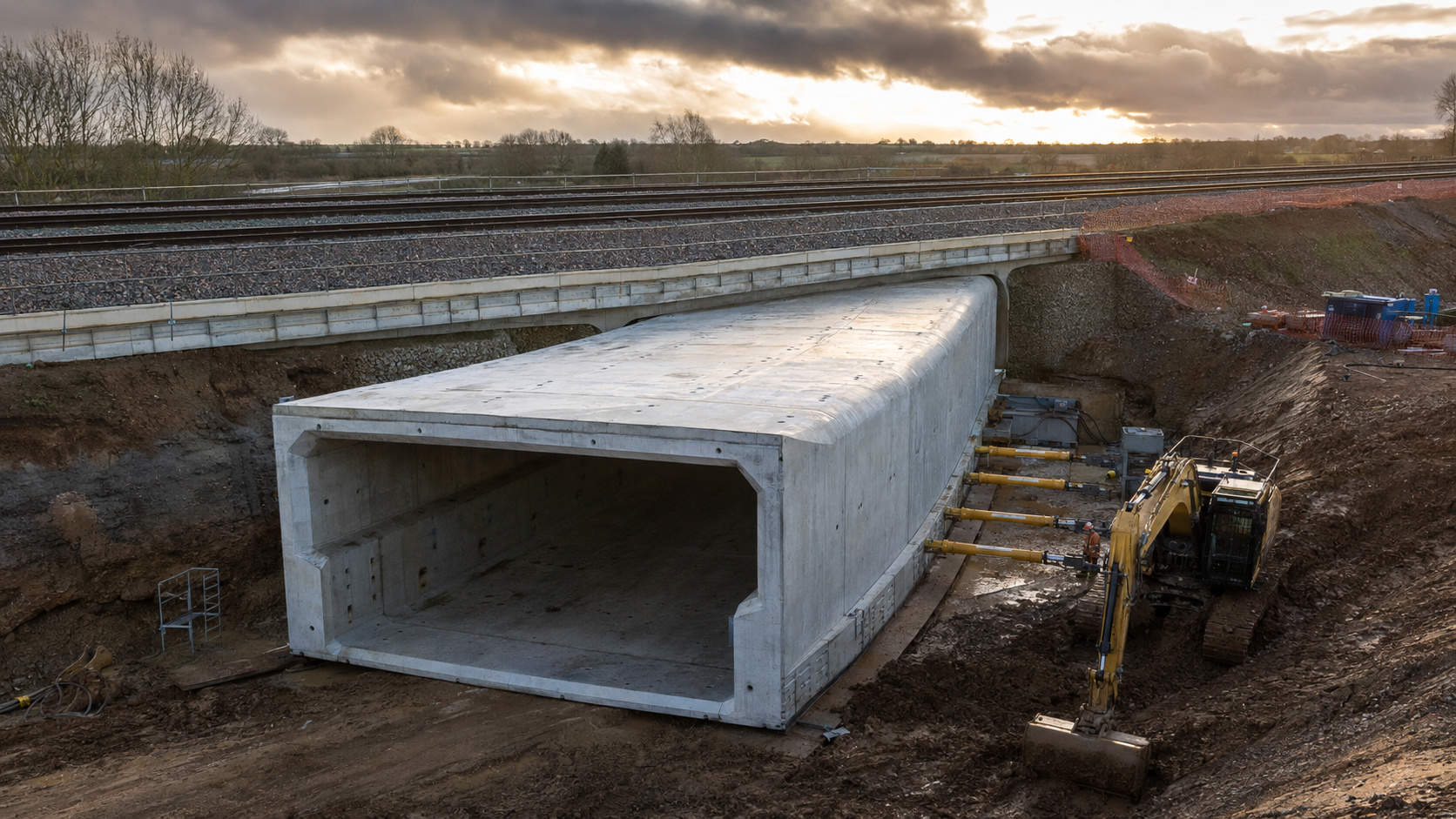
Traditional methods require excavating the tunnel section by section beneath a busy line, but this project opted to pre-cast the structure alongside the tracks. Four hydraulic jacks pushed the tunnel structure slowly into its designated underground position at a rate of approximately 1.5 meters per hour.
Installation began on January 16, 2021, and was completed in nine days. The tunnel officially entered service on December 9, 2021. The main structure, consisting of a concrete roof slab and side walls, was built near its final position alongside the tracks.
Once the concrete structure was ready, workers began controlled earth removal. Excavation cleared space ahead, while the jacks pushed the curved railway tunnel into the cleared sections. This method reduced the need for prolonged large-scale excavation beneath the railway, with most structural work completed outside the mainline track area.
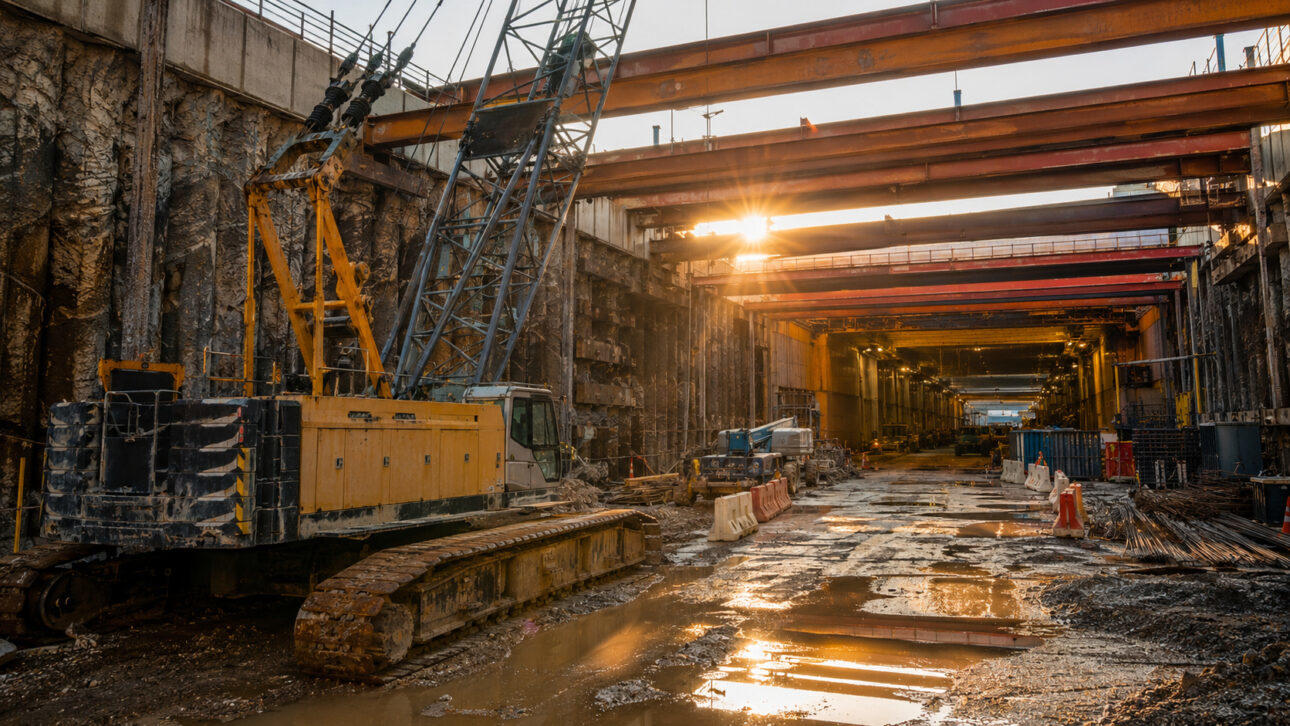
The four hydraulic jacks used pressurized fluid to generate slow, powerful, and controlled displacement, bearing a weight of approximately 11,000 tons. Despite the immense thrust, the tunnel could only advance at 1.5 meters per hour. The slow speed facilitated soil removal, concrete position monitoring, and ensured movement stayed within the planned path.
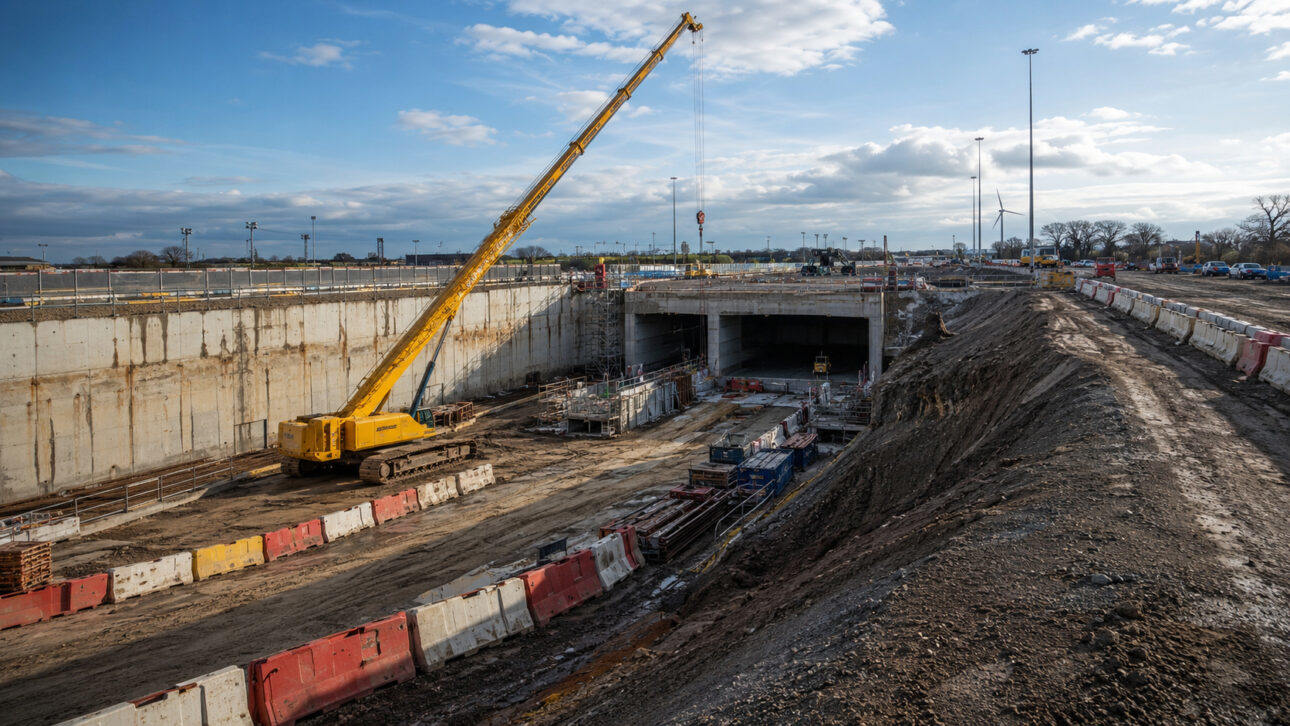
Before the major move, two small tunnels were excavated beneath the railway line to accommodate plates that supported the tracks and guided the lower corners of the main structure. These paths acted as guide rails, helping maintain the curve's lateral direction and correct elevation. Since the structure needed to move along a curved path, control was critical to ensure the tunnel did not deviate from the route reserved for freight tracks.
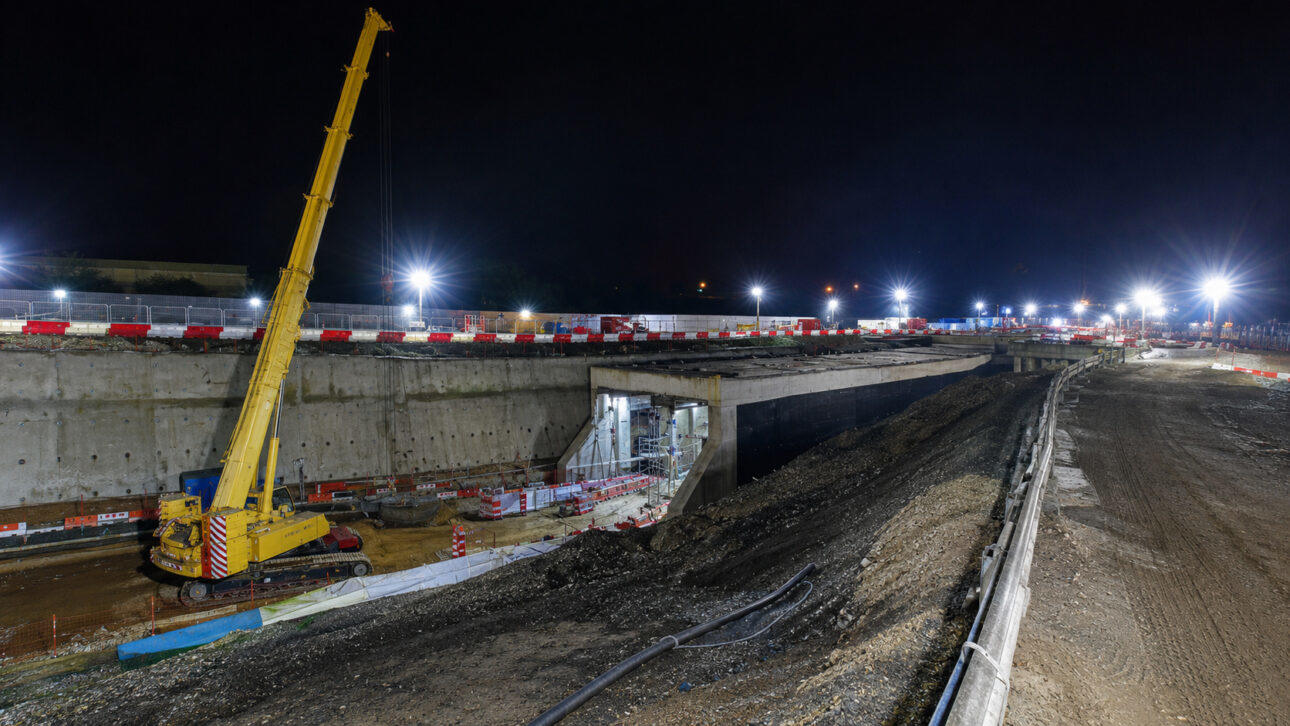
The pushed section was a "portal frame" structure consisting of a roof slab and two side walls. The final floor slab was not moved with the push; instead, it was cast in place after the structure reached its destination. This choice reduced the weight the jacks needed to move and avoided the resistance of dragging an entire concrete base directly across the ground. After the portal frame was installed, the floor slab and components needed for the railway passage were laid inside, and new tracks were laid within the tunnel to serve freight trains.
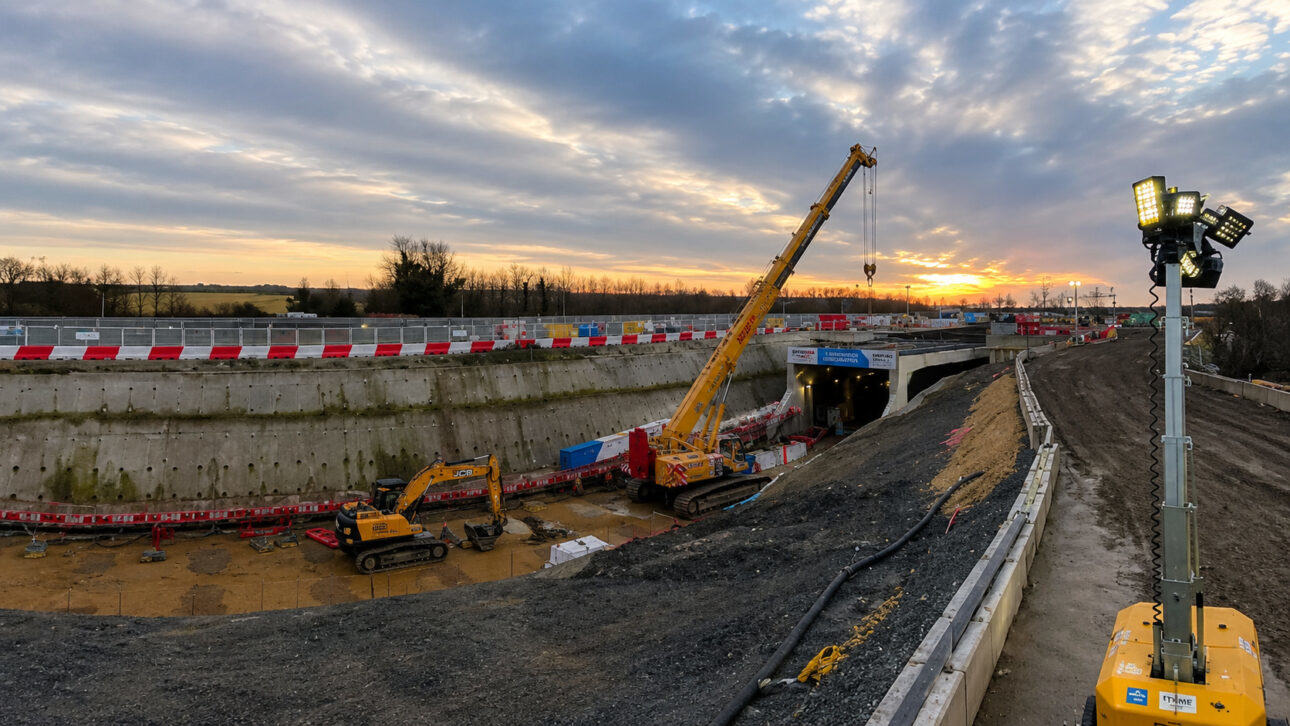
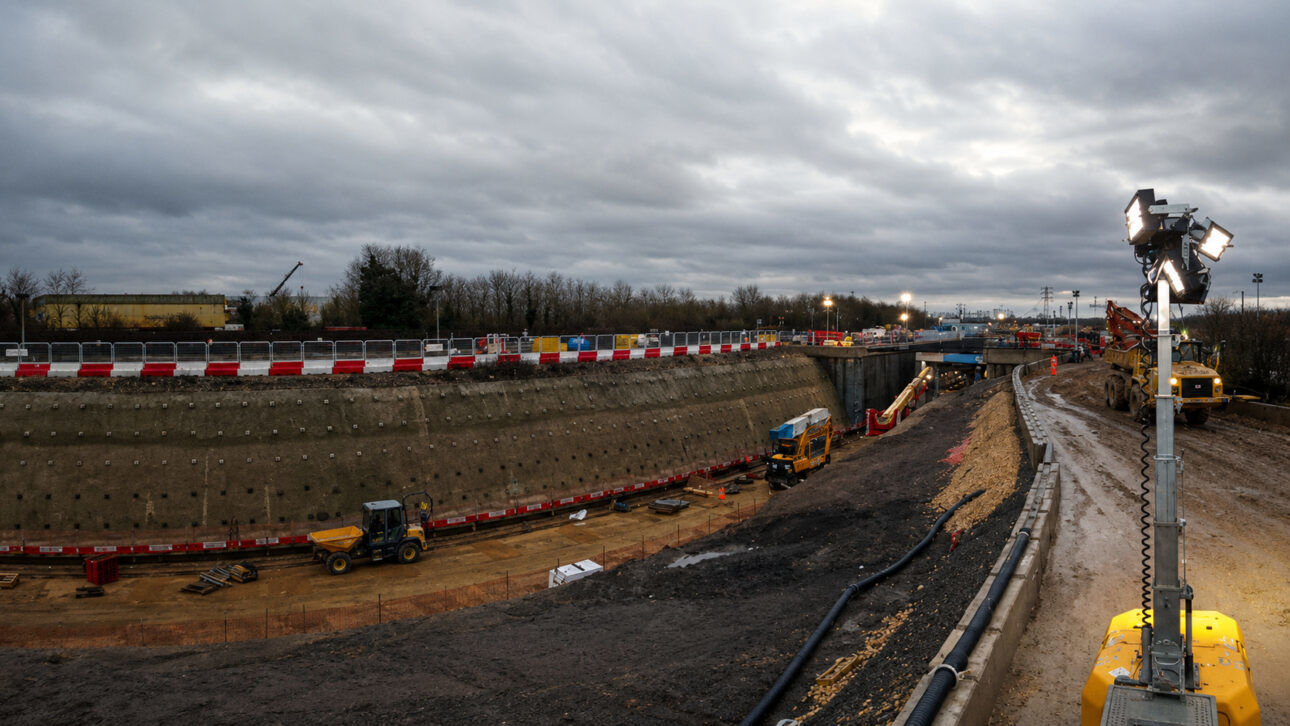
During the nine-day installation, three tracks in the construction area were temporarily removed, overhead cables were raised, and the site was used for excavation. The railway maintained reduced operations. After the tunnel reached its correct position, the team covered the structure, relaid the tracks, and prepared the line to resume normal service. Network Rail recorded that this method concentrated the most impactful phase within nine days, avoiding a longer blockade.
Before construction, slow freight trains had to cross tracks used by fast passenger services, creating conflict points that limited railway utilization. The tunnel allows freight trains to pass beneath the main line and reach nearby tracks, preventing slow services from blocking fast train paths on the same level. This separation improves the flow of both freight and passenger traffic in the Peterborough area, providing different paths for trains of varying speeds and functions.
The Werrington project demonstrates a construction technique where a railway tunnel can be pre-cast alongside the line and then moved into its final position. While this technique requires temporary restrictions, it avoids time-consuming conventional excavation beneath a busy line. The resulting 155-meter curved passage, moved at 1.5 meters per hour by four hydraulic jacks, successfully separates freight trains from fast passenger services with its approximately 11,000 tons of concrete.