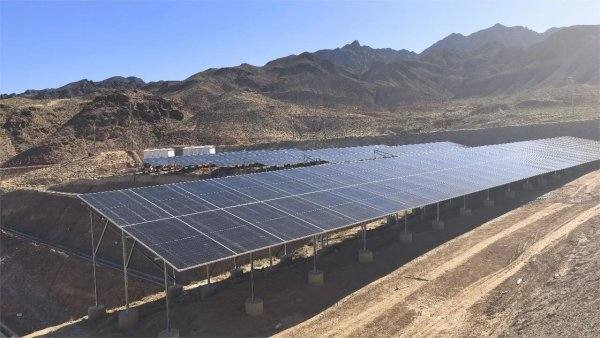
Kranj, Slovenia, connects rooftop solar power plants on 11 public buildings into an energy community
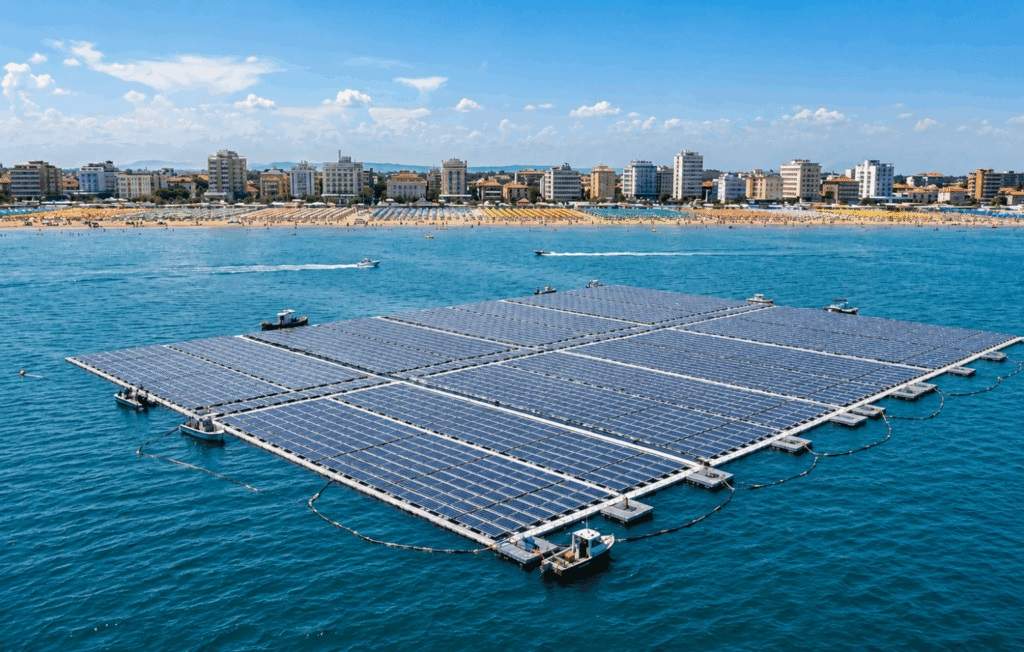
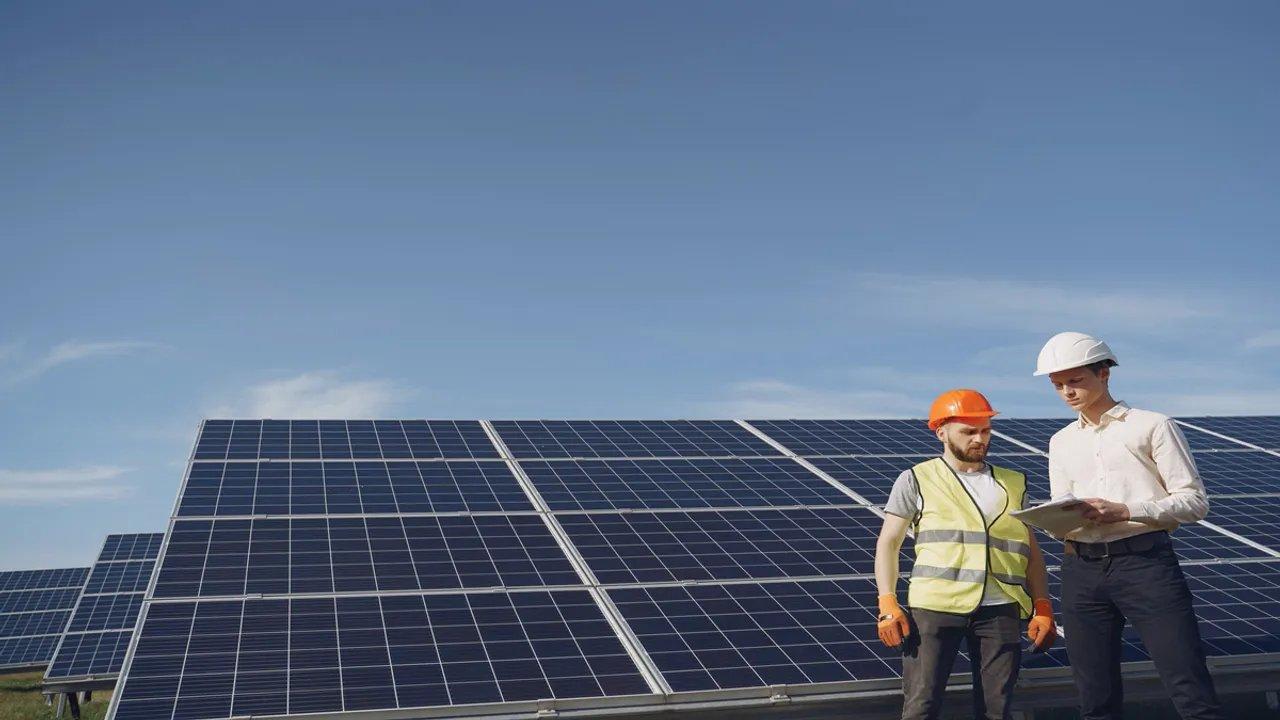
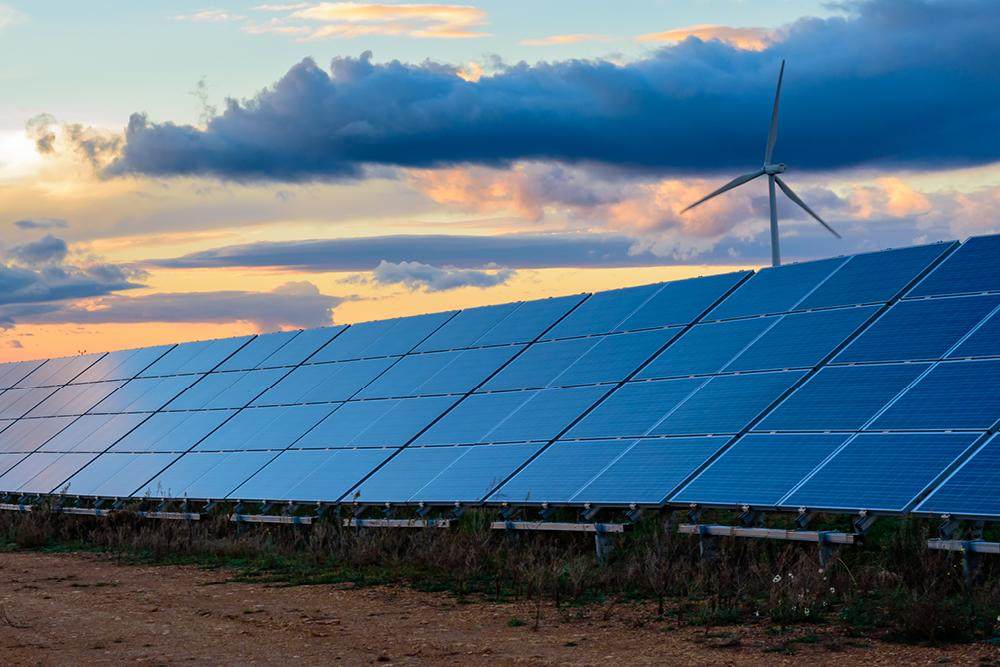
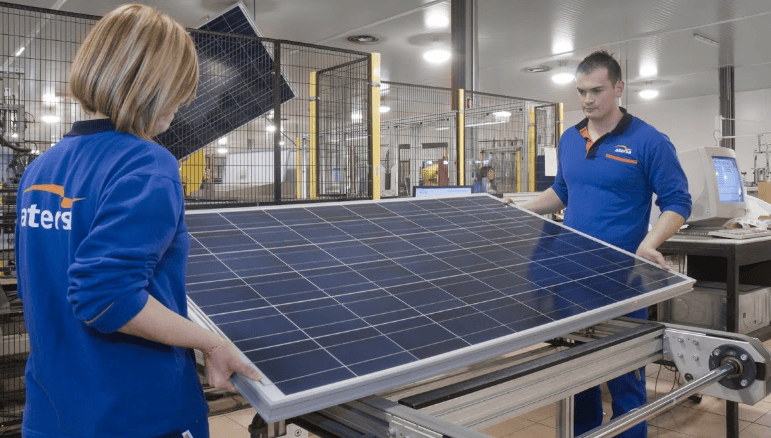
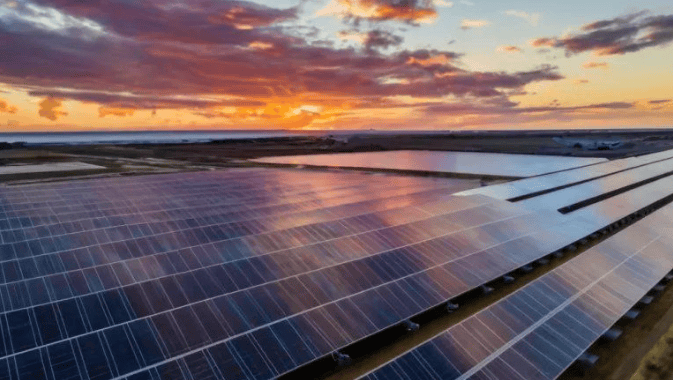
en.Wedoany.com Reported - Kranj, Slovenia, has connected rooftop solar power plants on 11 public buildings into an energy community, involving 7 primary schools, 2 kindergartens, the local Olympic-standard swimming pool, and the Stražišče sports hall. These facilities form a public user energy community, with a total solar panel area exceeding 6,300 square meters and a total installed capacity of nearly 2 megawatts. The total investment in the project is approximately 1.5 million euros, with the local government receiving a grant of slightly over 700,000 euros through a public tender for new solar installations on public buildings and parking lots from 2025 to 2026, funded by the European Union's Recovery and Resilience Facility.
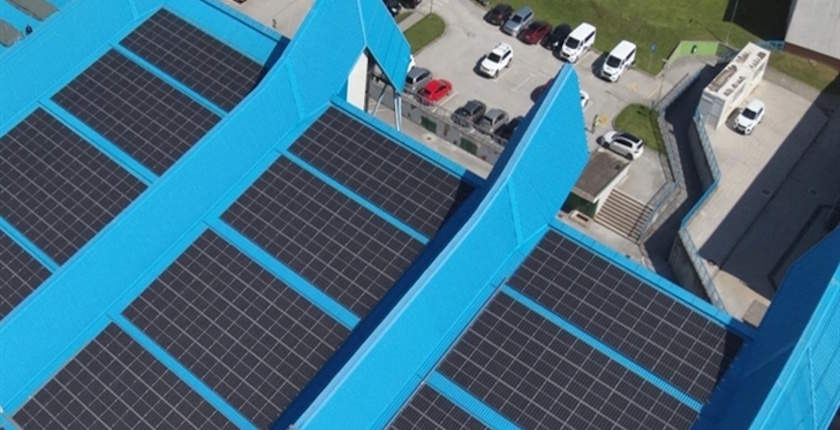
The private partner GEN-I finances the remaining investment under a 15-year public-private partnership and is responsible for the construction, operation, and maintenance of the solar power plants. Part of GEN-I's investment is covered by municipal grants, and the company recovers the remaining investment by selling electricity at a long-term fixed pre-determined price. Once the municipality transfers the full grant to GEN-I, the electricity price paid by public institutions within the energy community will be reduced to 77.16 euros per megawatt-hour for the entire cooperation period. The municipality has not incurred additional debt, and the risks of construction, financing, and operation of the power plants are transferred to the private partner, with the plants becoming government property after the contract expires.
In addition to the buildings with installed solar power plants, other public users will also be included in the community, including sports facilities, local communities, healthcare institutions, and educational units. The municipality stated that the community's goal is not to sell electricity on the market for profit, but to reduce the operating costs of public institutions and enhance energy resilience. The project is seen as a concrete step in implementing the national energy and climate plan at the local level, while also aligning with the goals of the European Commission's Climate-Neutral and Smart Cities Mission.
Related Products

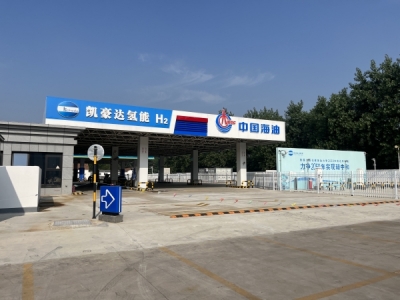
Hydrogen production and hydrogenation charging refueling gas integrated energy station
Shenzhen Kohodo Hydrogen Energy Co., Ltd.
Hydraulic Turbine Genset
Dongfang Electric Corporation Dongfang Electric Machinery Co., Ltd.
CAP1400 main feedwater flow nozzle flowmeter.
Jiangsu Hongda Instrument Technology Co., LTD.