ChangXin Memory Technologies Advances DRAM Mass Production Line Upgrade and Forward-Looking Technology R&D
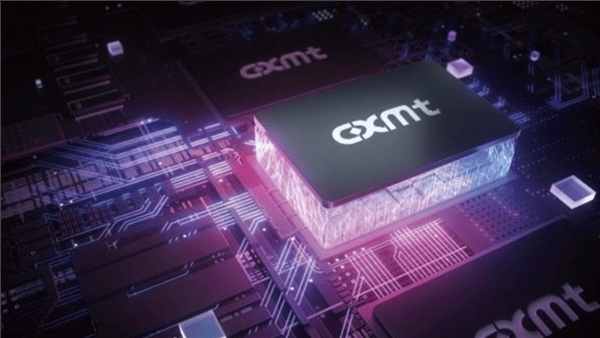
en.Wedoany.com Reported - Chinese memory chip company ChangXin Memory Technologies (CXMT) has announced its next-phase technology development direction, planning to focus on upgrading memory wafer mass production lines, DRAM memory technology iteration, and forward-looking research on dynamic random-access memory. The relevant arrangements cover existing production line modifications, manufacturing process optimization, and new technology R&D, with an emphasis on enhancing the company's large-scale memory chip manufacturing capabilities and the foundation for subsequent product iterations.
The technological upgrade of the memory wafer mass production line is one of the core elements of this phase of construction. DRAM production involves multiple manufacturing steps, including lithography, etching, thin-film deposition, ion implantation, cleaning, and inspection. Upgrading a mass production line is not simply about increasing the number of equipment units; it requires simultaneous adjustments to process flows, production takt times, equipment parameters, and quality control systems. For a memory chip company already in volume production, line modifications must also minimize the impact on existing operations and complete the processes of verification, ramp-up, and stable operation after introducing new equipment and processes.
CXMT will also advance the technological upgrade of DRAM memory. Dynamic random-access memory is widely used in servers, personal computers, mobile terminals, and data centers. Its capacity, bandwidth, power consumption, and stability directly affect the performance of complete systems and computing platforms. As artificial intelligence, cloud computing, and high-performance computing impose higher demands on memory performance, DRAM products require closer coordination between chip design, manufacturing processes, packaging and testing, and system adaptation to meet application requirements for high bandwidth, large capacity, and low power consumption.
Compared to mass production line upgrades, forward-looking R&D on dynamic random-access memory places greater emphasis on medium- to long-term technology reserves. Related work may involve directions such as memory cell structures, material systems, process routes, and product architectures, and must go through multiple stages including concept design, sample fabrication, performance testing, and reliability verification. Only when R&D outcomes can pass engineering validation and integrate with the existing manufacturing system can they potentially move into the mass production line and end-user applications.
CXMT Chairman Zhu Yiming stated that the company's current production capacity ranks first in China and fourth globally. As wafer manufacturing and technology R&D projects progress, related demand will further transmit to segments such as memory chip design, EDA software, semiconductor equipment, materials, components, module manufacturing, and downstream terminal applications. For equipment and material suppliers, key milestones to watch include the scope of production line modifications, the pace of equipment introduction, process adaptation requirements, and the progress of volume production ramp-up.
From an industry chain perspective, improving DRAM mass production capabilities requires the coordinated efforts of manufacturing equipment, key materials, components, and testing systems. Equipment for lithography, etching, deposition, and inspection must adapt to new process requirements; material suppliers must ensure the stability and consistency of products used in wafer manufacturing; and module and terminal manufacturers need to complete system verification based on new-generation memory products. The smooth progress of CXMT's subsequent projects will depend on whether technology R&D, equipment introduction, production validation, and supply chain coordination can be synchronized.
The announced development directions indicate that CXMT will continue to concentrate resources on three main lines in the next phase: memory wafer manufacturing, DRAM technology upgrades, and forward-looking R&D. Key subsequent milestones include the initiation of mass production line modifications, equipment installation and commissioning, process validation, capacity release, and the translation of R&D results. These milestones will directly impact the company's memory chip manufacturing capabilities and product iteration speed.
Related Products

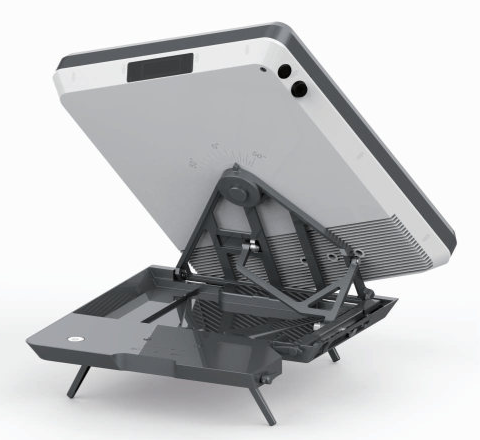
Flat Portable Satellite Terminal 0.35m Aperture Manual Portable Terminal
China Starwin Science & Technology Co., Ltd.

20 Inch 1600*900 Full HD 60Hz TFT LED Monitor with VGA and DP Interfaces for Desktop Computers-Business Use
Guangzhou Zanying Optoelectronics Technology Co., Ltd.

TWP16 P-Band Tropospheric Wind Profile Radar
China Huayun Meteorological Technology Group Co., Ltd.