Swiss EPFL Develops 3D-Printable Elastomer with 15x Higher Fracture Toughness and 3x Greater Fatigue Resistance
en.Wedoany.com Reported - Researchers at the École Polytechnique Fédérale de Lausanne (EPFL) in Switzerland have developed a 3D-printable elastomer that combines high fracture resistance with high fatigue resistance, overcoming a key trade-off that previously limited the use of soft materials in robotics, wearable electronics, and biomedical devices.
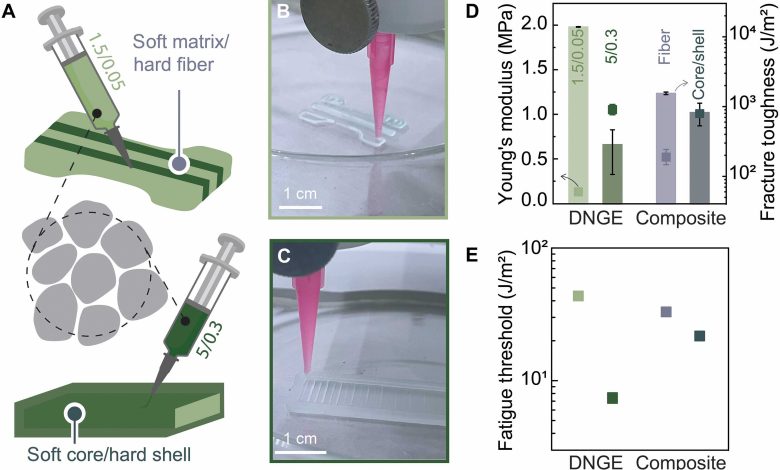
Led by the Soft Materials Laboratory, the study was published in Science Advances. The research shows that the best-performing version—named double network granular elastomers (DNGEs)—exhibits fracture toughness 15 times higher and fatigue resistance 3 times higher than conventional single-network and bulk double-network elastomers with the same chemical composition.
The structure of DNGEs consists of rigid elastomer microparticles connected by a softer second polymer network. The researchers initially designed this structure to allow the material to be extruded as a 3D printing ink with finely controllable mechanical properties.
The team, including corresponding author Esther Amstad, discovered that this architecture also enables the material to repeatedly dissipate mechanical energy without accumulating permanent damage. The study notes that this combination is rare: typically, fracture-resistant elastomers degrade under repeated stress, while fatigue-resistant elastomers tend to break when overstretched.
Amstad, head of the Soft Materials Laboratory at EPFL, said the initial focus was on improving processability, but once the granular structure was formed, they found the materials to be very tough. She explained that this toughness largely stems from a repeated energy dissipation mechanism, allowing the material to absorb energy repeatedly without irreversible fracture.
When stretched, DNGEs transfer mechanical strain from the stiffer microparticles to the softer interstitial regions between them, where polymer chains can slide and rearrange to dissipate energy rather than break irreversibly. Amstad explained that essentially two different networks—one composed of granular elastomers and the other of soft elastomers—share the mechanical strain between them, making the overall material stronger. The study also notes that the granular structure forces cracks to grow along tortuous paths through the softer interstitial regions rather than straight lines, slowing their growth and delaying failure.
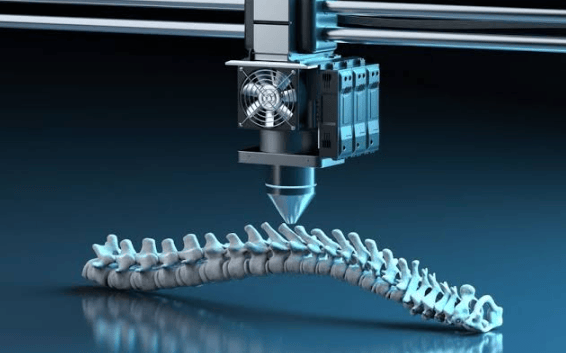
Leveraging the material's printability, the researchers used 3D printing to fabricate composites with locally varying compositions, including fiber-reinforced structures and core-shell designs inspired by mussel byssus fibers, combining stiffness with the toughness and fatigue resistance typically found only in softer formulations. These inks were extruded using commercial 3D printers.
The team is now working to formulate elastomers from biodegradable and recycled materials. Amstad said the goal is to adopt more sustainable materials without compromising mechanical performance. By expanding the range of usable materials, they can not only reduce the environmental footprint of DNGEs but also make them more accessible to any laboratory with a commercial 3D printer.
Related Products

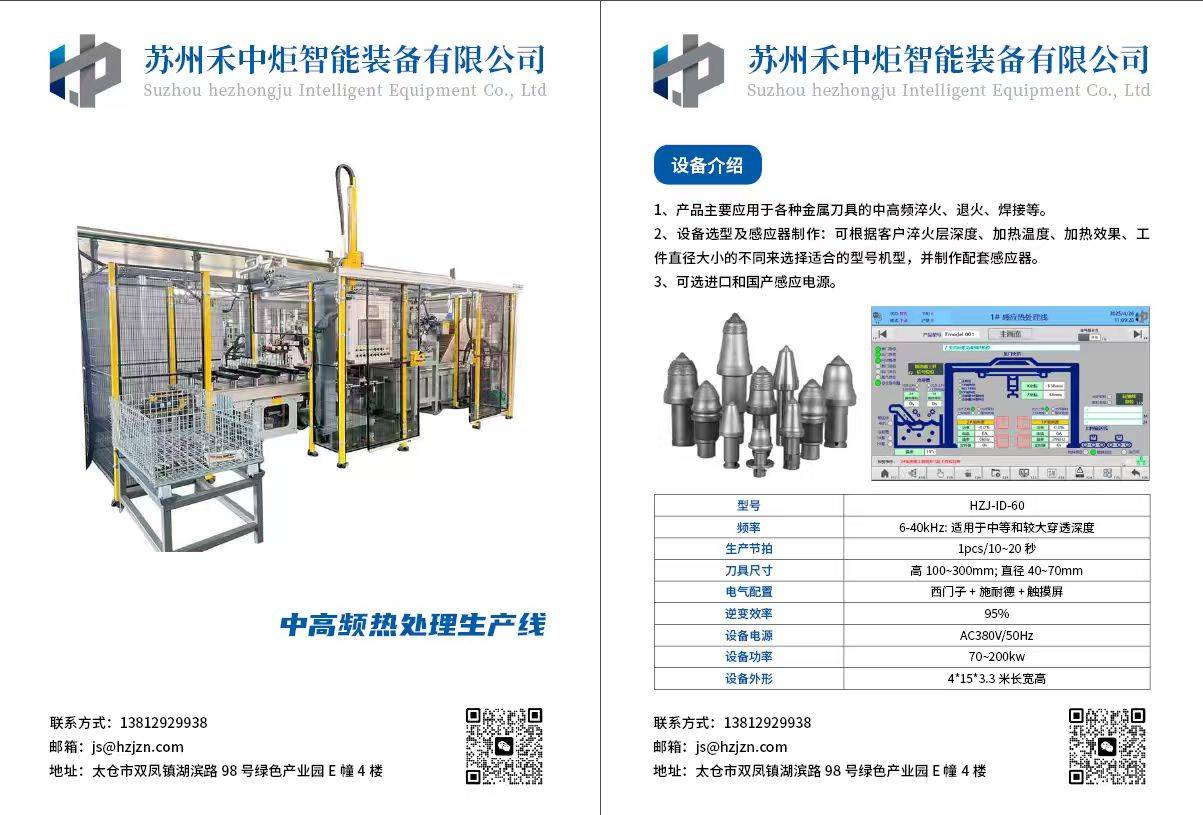
Excavator Bucket Teeth Heat Treatment Production Line
Suzhou Hezhongju Intelligent Equipment Co., Ltd.
Pneumatic high-pressure wear-resistant ball valve
Zhejiang Deca Control Valve Meter Co., Ltd.
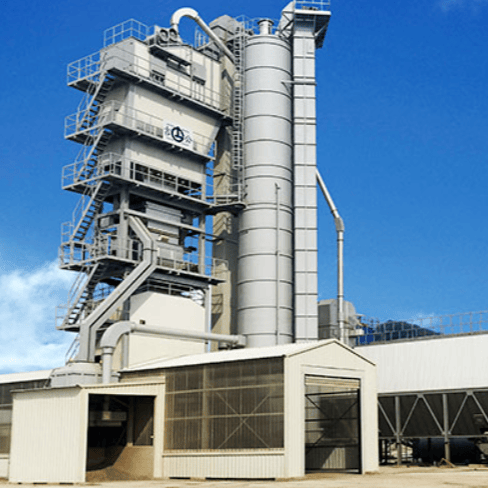
LBH4000 Batch Environmental Protection Asphalt Mixing Plant | Asphalt Batching Plant | Asphalt Mixing Plant
Jilin Province Road Construction Machinery Co., Ltd.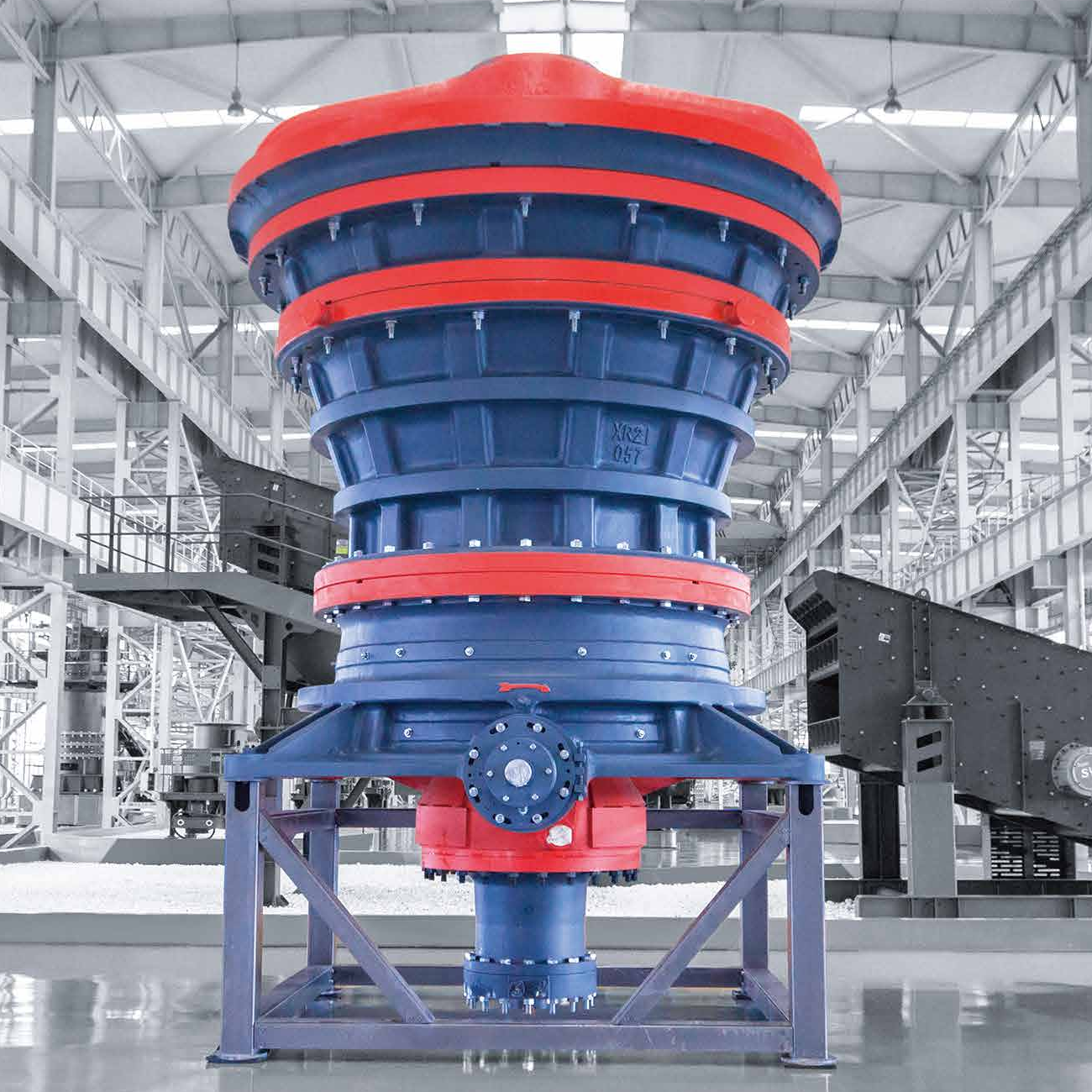
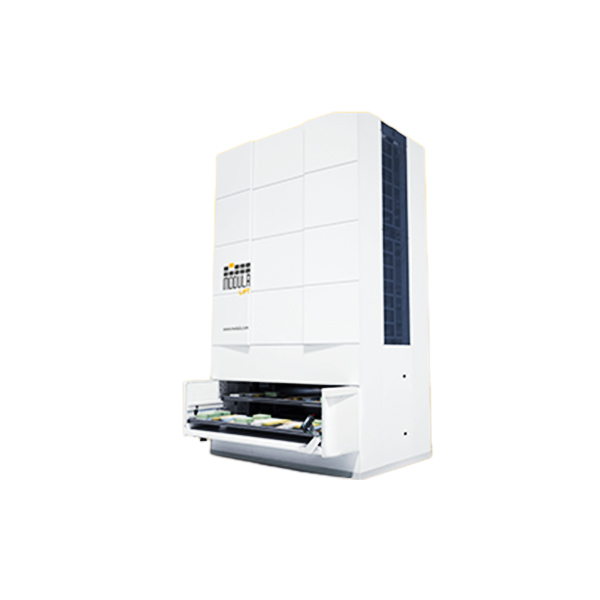
High-Speed Railway Lifting, Transporting, and Erecting Equipment: Integrated Transport and Erection Machine
Hanjiang Heavy Industry Co., Ltd. of China Railway 11th Bureau Group
Strip Coating and Plating Production Line Equipment
MCC-SFRE HEAVY INDUSTRY EQUIPMENT CO., LTD.
Industrial and Commercial Point-Type Gas Detector
Jinan Benan Technology Development Co., Ltd.