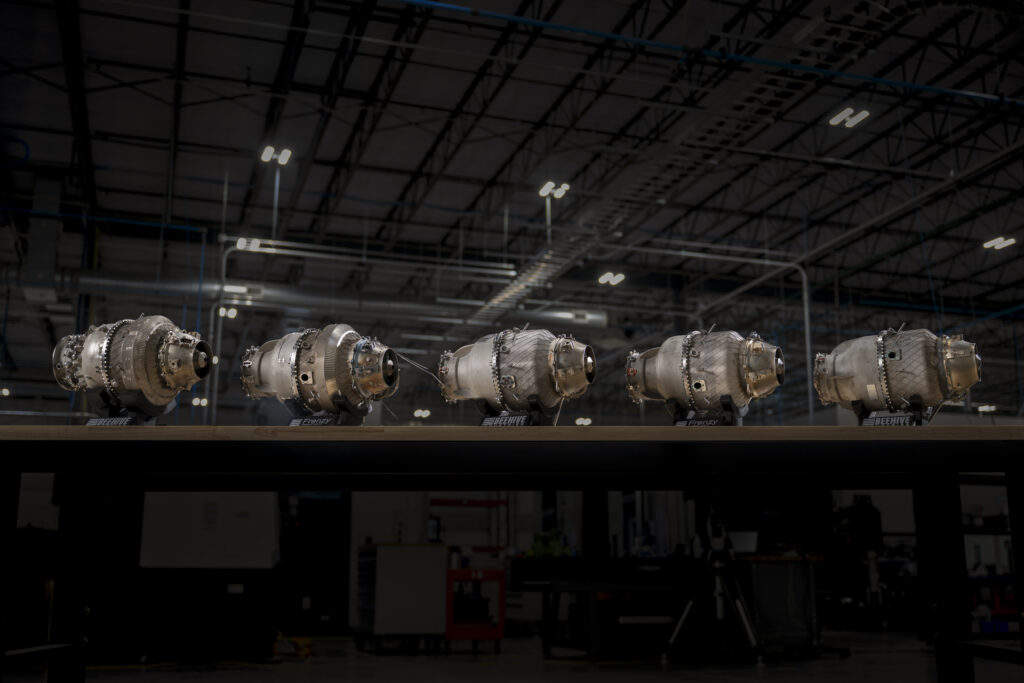
Belgian Materialise's Metal Additive Manufacturing Process Receives EN 9100 Certification
en.Wedoany.com Reported - Belgian additive manufacturing company Materialise has announced that its metal additive manufacturing process for aerospace applications has received EN 9100 certification. EN 9100 is the aerospace-specific version of ISO 9001, and this certification signifies that the company meets relevant requirements in quality management, process control, regulatory compliance, and continuous improvement.
Previously, Materialise's polymer additive manufacturing process had already obtained EN 9100 certification. To date, the company has produced over 500,000 flight-grade polymer parts for aircraft manufacturers, suppliers, and maintenance, repair, and overhaul (MRO) companies. This certification for the metal process marks a significant advancement in the application of metal 3D-printed parts in the aviation and aerospace sectors.
Materialise is no stranger to meeting stringent industry standards. The company is one of the few additive manufacturing process providers certified under Airbus's AIPI (Aviation Quality Maturity) standard and achieved the highest rating in the most recent Airbus quality maturity assessment. Additionally, it holds a Production Organization Approval (POA) from the European Aviation Safety Agency (EASA), enabling it to produce flight-grade polymer parts certified under Form 1.
With the metal EN 9100 certification complementing its existing qualifications, Materialise's manufacturing capabilities open new possibilities for stakeholders in the aerospace ecosystem in terms of product design optimization and supply chain efficiency. This supports the entire value chain in identifying and sourcing flight-standard metal or polymer 3D-printed parts.
The application prospects for metal 3D printing are particularly prominent in the low-criticality parts segment. Erik de Zeeuw, Aerospace Market Manager at Materialise, stated that low-criticality parts requiring lightweight, high-strength, and durable properties—such as seat frames, housings, interior trim strips, or ducts—are highly promising application areas. These parts are typically low in demand but require frequent repair and replacement, aligning well with the advantages of metal 3D printing, including enabling digital on-demand inventory for faster and more reliable sourcing, as well as cost-effective production of small batches.
In industries where production volumes are generally low, 3D printing's tool-free technology makes small-batch manufacturing more economical than traditional methods, where the cost per part heavily depends on volume. Since metal 3D printing has no minimum viable production batch, companies avoid costs associated with wasted inventory or excessive spare parts warehousing. Erik de Zeeuw noted that users only pay for the parts they use, with a lower total cost of ownership, while also helping to prevent prolonged aircraft groundings due to supply chain disruptions.
Leveraging the scale of its manufacturing facilities, Production Organization Approval (POA) qualification, and the quality assurance provided by the EN 9100-certified process, Materialise can not only print flight-grade parts but also assist design approval organizations in exploring and producing new components that meet industry standards. Erik de Zeeuw stated that the existing quality and process control systems simplify the digital thread required for qualifying 3D-printed metal parts, and the company is collaborating with its extensive network of partners in the space and aviation sectors to identify, produce, and develop ideal applications for metal additive manufacturing.
Related Products
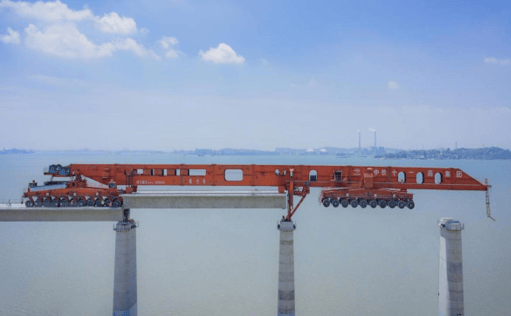

High-Speed Railway Lifting, Transporting, and Erecting Equipment: Integrated Transport and Erection Machine
Hanjiang Heavy Industry Co., Ltd. of China Railway 11th Bureau Group
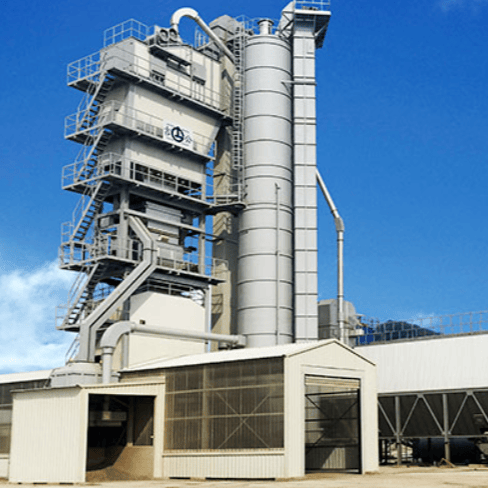
LBH4000 Batch Environmental Protection Asphalt Mixing Plant | Asphalt Batching Plant | Asphalt Mixing Plant
Jilin Province Road Construction Machinery Co., Ltd.


Industrial and Commercial Point-Type Gas Detector
Jinan Benan Technology Development Co., Ltd.

CAP1400 main feedwater flow nozzle flowmeter.
Jiangsu Hongda Instrument Technology Co., LTD.