Adani Accelerates October Launch of Fifth Terminal at Mundra, India
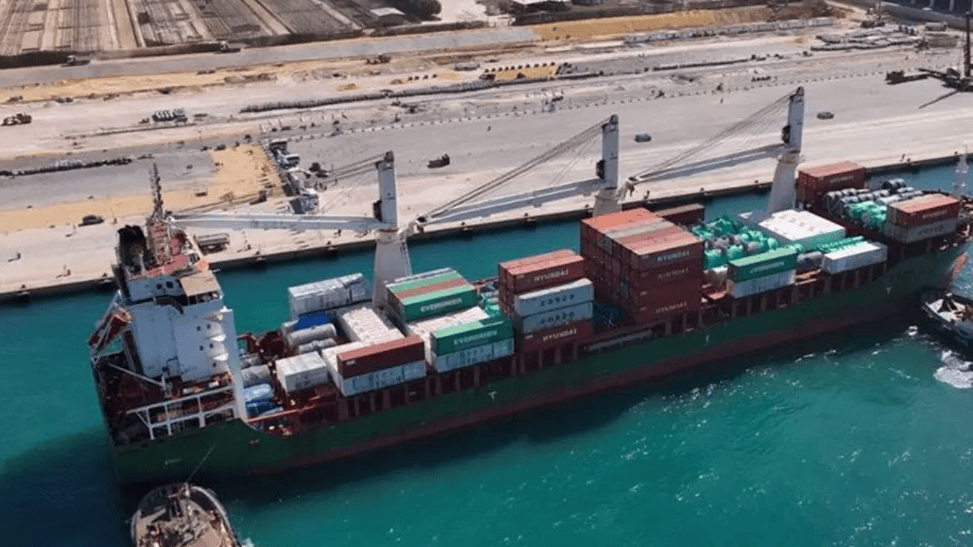
en.Wedoany.com Reported - Adani Ports and Special Economic Zone Ltd (APSEZ) is accelerating the operational launch of its fifth container terminal (CT5) at Mundra, India's largest container port. As new capacity comes online and opens up new gateway options for container lines, competition for market share among terminal operators on India's west coast is intensifying.
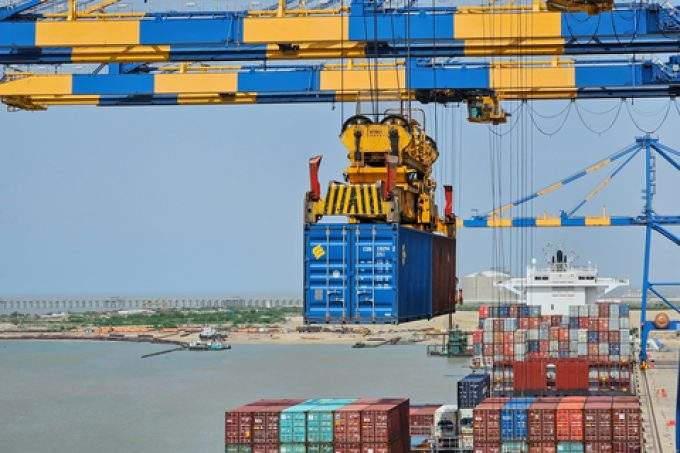
According to sources, CT5 is scheduled to begin operations in October with an initial annual capacity of 1 million TEUs, which will increase to 1.8 million to 2 million TEUs upon completion of the second phase. Additionally, Adani has formulated plans to develop CT6, targeting the start of Phase 1 operations in 2028 with a capacity similar to CT5.
The development of new terminals is critical for Mundra, as its existing container handling capacity and landside infrastructure ecosystem have reached saturation. This is driven by steady growth, with Mediterranean Shipping Co (MSC) currently transshipping significant volumes through Mundra. According to available data, Mundra's total throughput in the first half of 2026 reached 3.6 million TEUs, including volumes handled at DP World's facilities. However, the port has also experienced severe inland congestion in recent months, causing difficulties for inland shippers.
APSEZ is expected to face stiff competition from two upcoming projects in the region: a $550 million terminal being built by DP World at Tuna Tekra near Kandla Port, offering 2.2 million TEUs of capacity with a target launch date of early 2027; and the Vadhavan port development project near Nhava Sheva, whose plans are in the initial tendering stage. Industry sources believe that Mundra could see some cargo volumes shift to Tuna Tekra as smaller carriers, unable to secure flexible berth windows at Mundra, seek alternative gateways. However, strategic carrier partnerships and efficient terminal management have been hallmarks of APSEZ's operations.
"Our proven execution capabilities enable us to consistently deliver projects ahead of schedule," the company said in an earnings statement. "Strong growth in our maritime and logistics services reinforces the compounding nature of our integrated operating model." "With 'shore-to-door' solutions expanding rapidly in India, APSEZ is playing an increasingly strategic role in enhancing the country's logistics efficiency and supply chain resilience." Mundra has largely expanded its market share at the expense of volumes from Jawaharlal Nehru Port Authority (JNPA, Nhava Sheva), but a reverse trend appears to be emerging following PSA's launch of Phase 2 at JNPA (adding 2.4 million TEUs of capacity) and recent enhancements to rail connectivity through the operationalization of the Dedicated Freight Corridor (DFC). Double-stack container trains supported by the DFC have begun regular services from JNPA to various inland container depots in northern India. India's port sector is on the cusp of rapid infrastructure development, and investors will closely monitor cargo flow patterns to bet on new projects.
Related Products


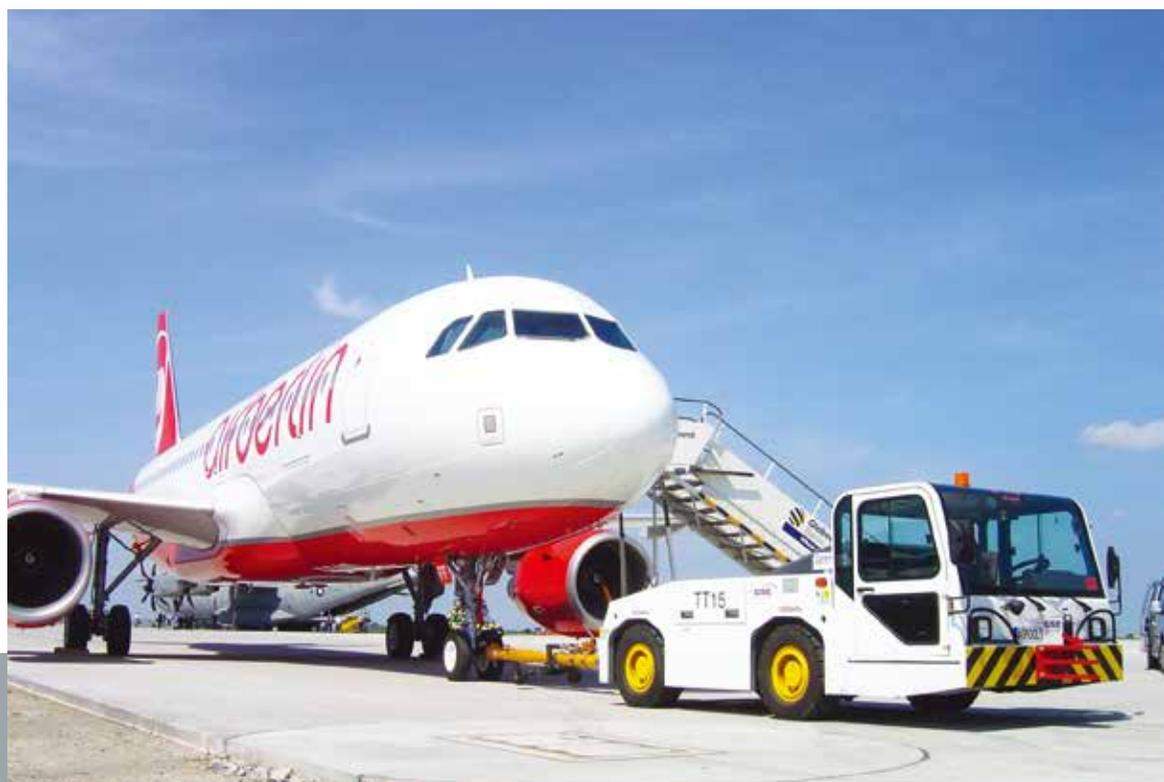
WGQY Series Aircraft Tow Tractor-WGQY15, WGQY27
Weihai Guangtai Airport Equipment Co., Ltd.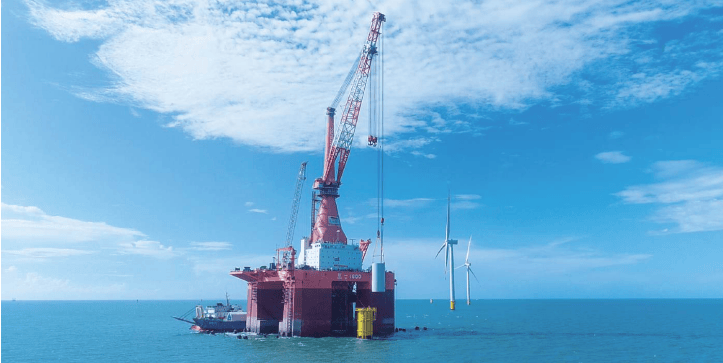
"Shunyi 1600" Deep-submerging Bottom-sitting Multi-functional Wind Power Engineering Vessel
Zhengli Offshore Engineering Co., Ltd.
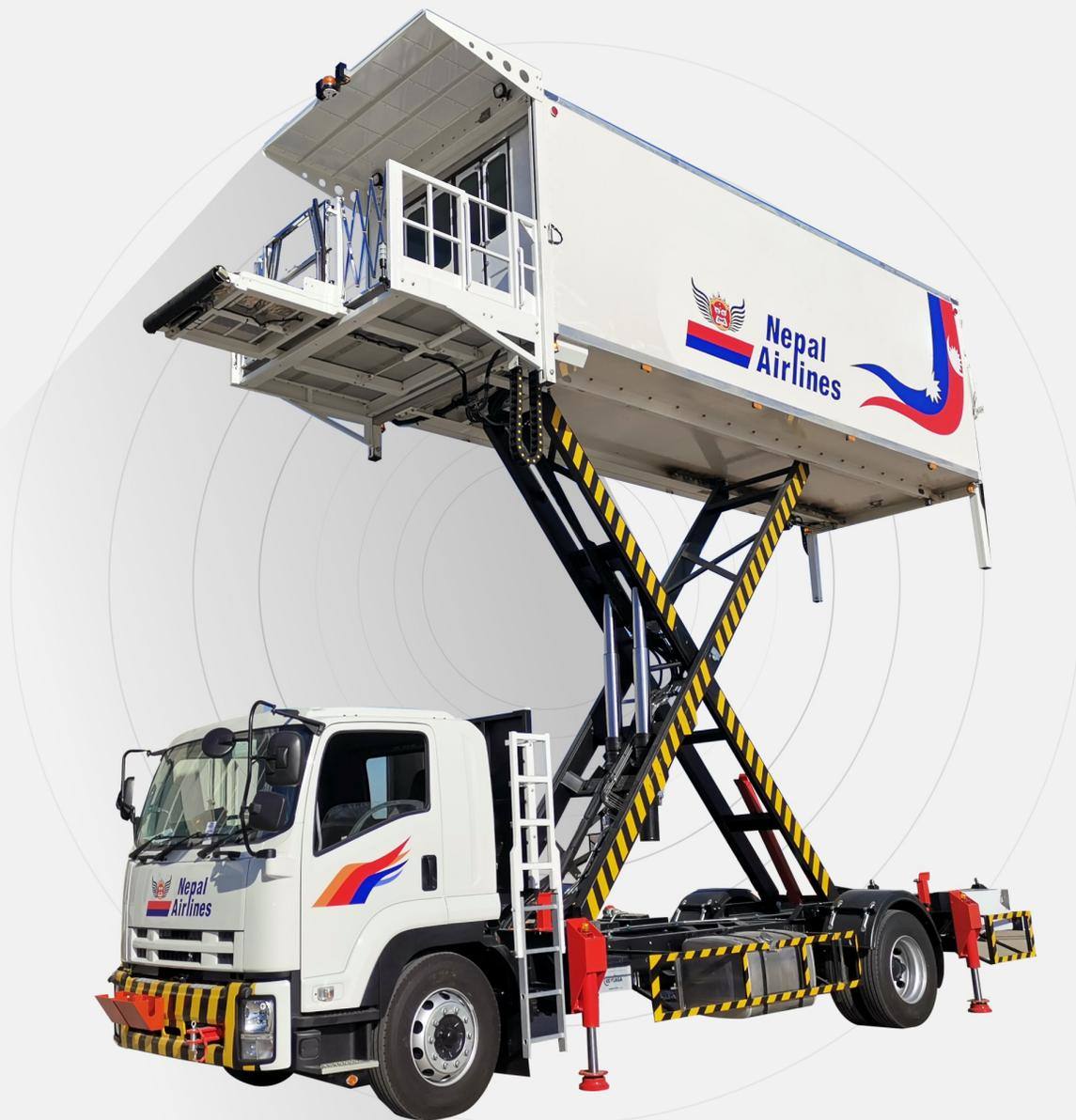
XC-6000e Type Aviation Catering Truck (Fuel Type)
Shenzhen CIMC-TianDa Airport Support Ltd.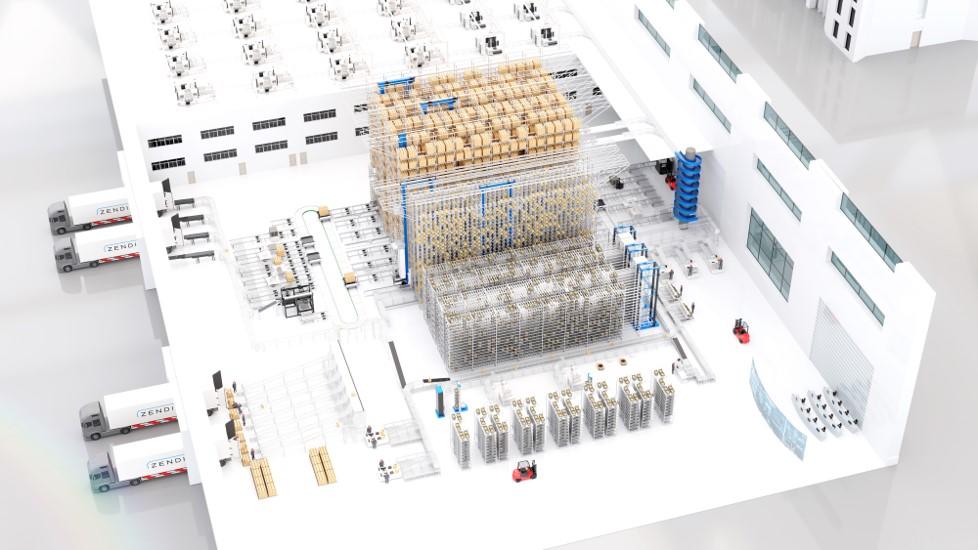
One-Stop Steward Service for the Entire Logistics System Integration Chain
Zhongding Intelligent (Wuxi) Technology Co., Ltd.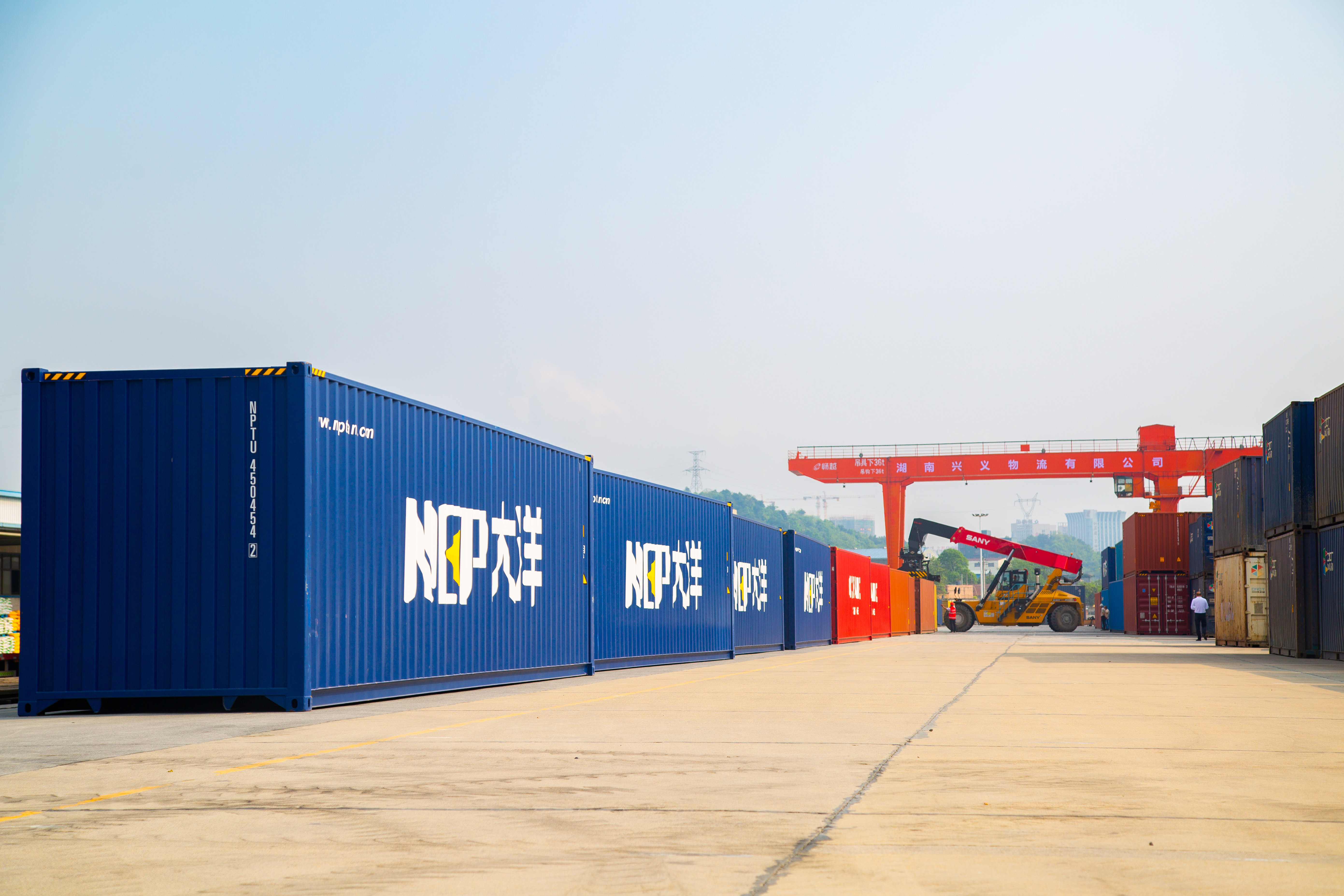
China - Alashankou/Khorgos - Europe Full Range Transportation (Mala/Hamburg/Duisburg/Budapest, etc.)
Shenzhen Neptune Logistics Co., Ltd.