Heavy-Duty Transport Is Keeping PEM Fuel Cells in the Decarbonization Discussion
en.Wedoany.com Reported - Proton Exchange Membrane Fuel Cells continue to find industrial opportunities in heavy-duty transport, commercial vehicles, port equipment and selected stationary power applications. Compared with battery-electric systems, fuel cells are not the best answer for every mobility scenario. Their value becomes clearer where long range, high utilization, fast refueling and heavy payload are important.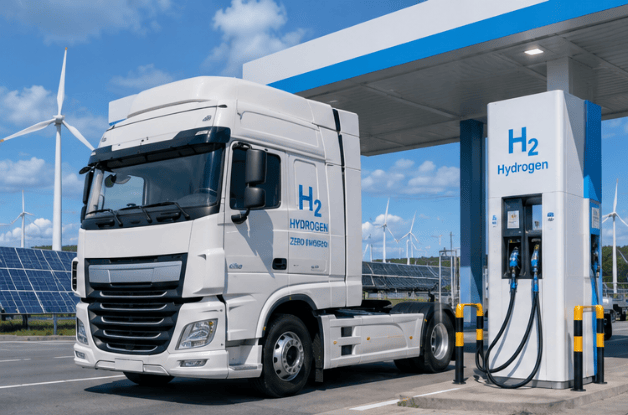
The operating principle is based on an electrochemical reaction between hydrogen and oxygen, producing electricity with water and heat as the main outputs. Unlike internal combustion engines, PEM fuel cells do not rely on combustion to produce mechanical power. This gives them advantages in local emissions, noise and clean operation when hydrogen is used as the fuel.
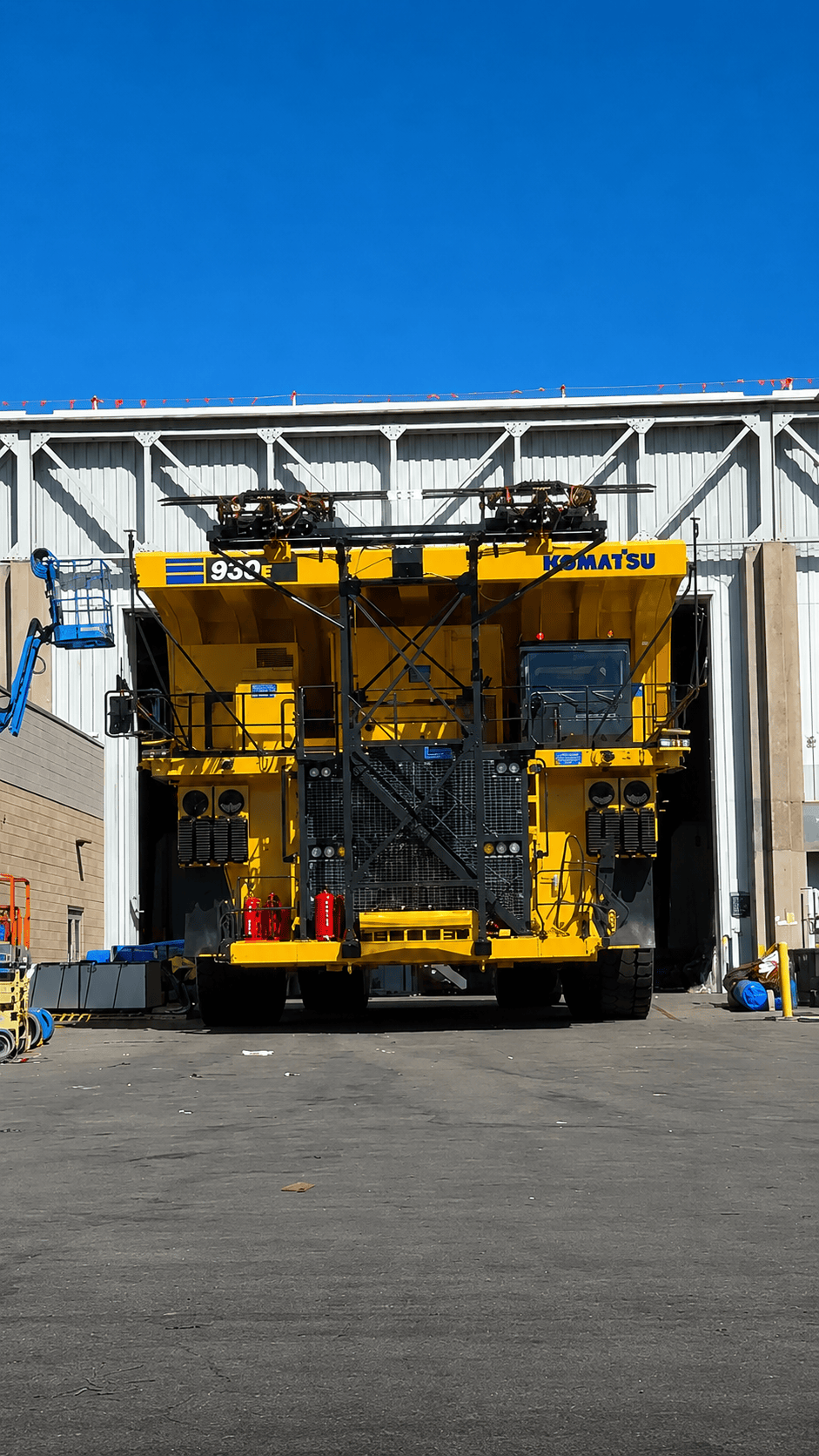
PEM fuel cells operate at relatively low temperatures and can change their power output quickly. These characteristics make them suitable for vehicles and equipment with dynamic load requirements. Heavy trucks, long-distance logistics fleets, mining vehicles, port tractors, cold-chain transport and special-purpose vehicles are among the areas where hydrogen fuel cell systems may offer practical value.
However, fuel cell vehicles are not a universal solution for all transport markets. In passenger cars and short-distance urban delivery, battery-electric vehicles already have strong advantages in cost, efficiency and charging infrastructure. Fuel cells are more relevant where battery weight, charging time, payload loss or long-route operation creates operational limits.
For fleet operators, the decision is not about technology preference alone. It depends on hydrogen price, refueling station availability, vehicle utilization, maintenance capability and total cost of ownership. A fuel cell truck can only become attractive when the vehicle, fuel supply and operating route are planned together.
The PEM fuel cell system itself is also becoming more complex and integrated. Stack power density, membrane electrode durability, catalyst loading, bipolar plate manufacturing, air compressor efficiency, hydrogen recirculation, water and thermal management and control software all influence vehicle performance. For commercial vehicles, the system must also withstand vibration, temperature changes, cold starts, frequent start-stop cycles and long periods of high-load operation.
In the future, transport opportunities for PEM fuel cells will likely concentrate in high-intensity operating scenarios. As green hydrogen supply, refueling networks, fuel cell lifetime and system cost improve, heavy trucks, buses, ports, mines and engineering vehicles may become more realistic deployment markets. For suppliers, competitiveness will depend not only on stack manufacturing, but also on system integration, vehicle-grade validation, thermal management, safety control and operation service.
Related Products
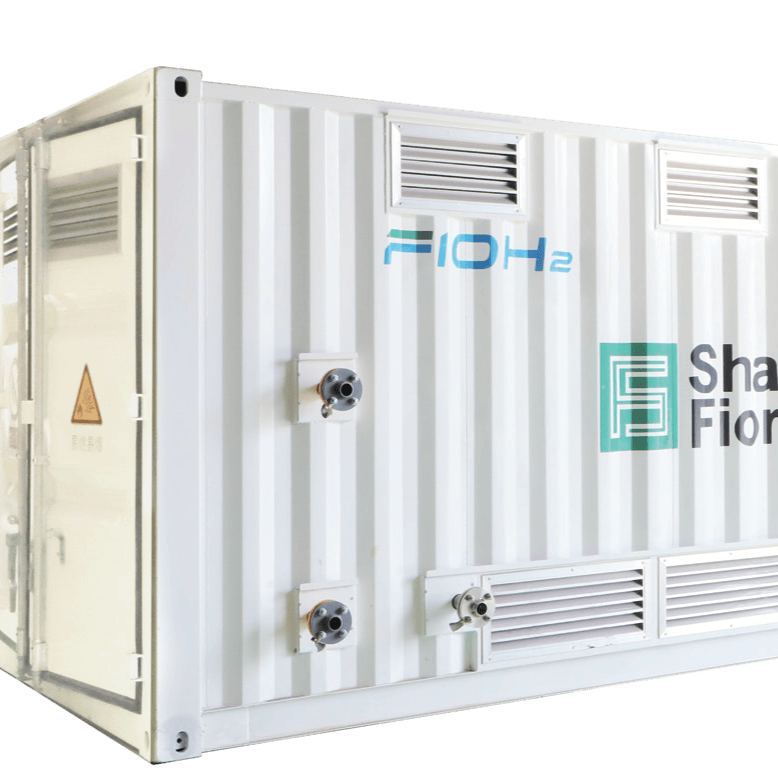

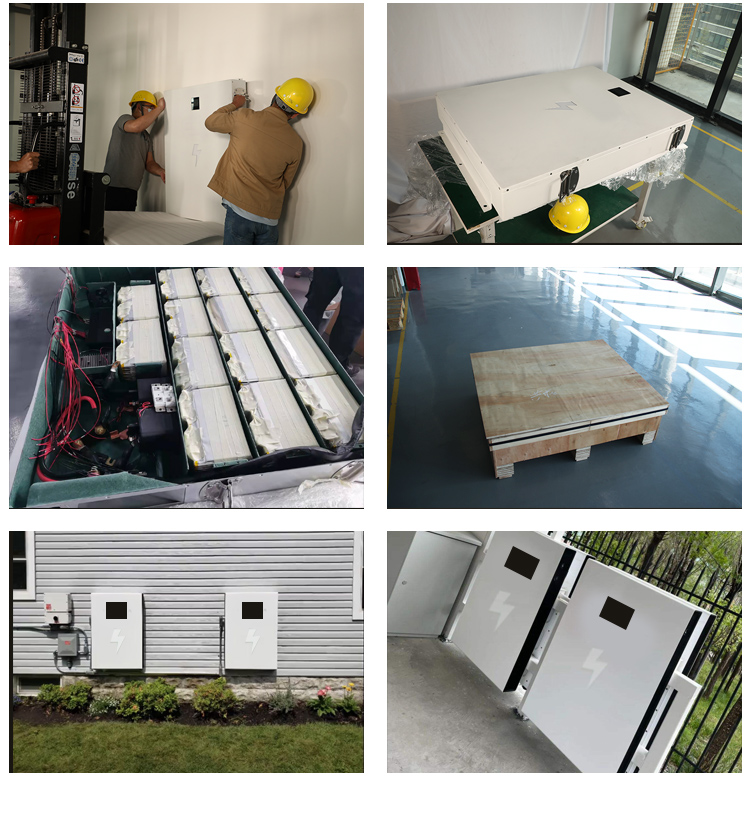
Safe, efficient, intelligent energy storage, creating smart homes and making life more convenient# Home Energy Storage # Supercapacitors # Energy Storage # Wall Mounted # Safe Electricity Use
Gonghe Power Co.,LTD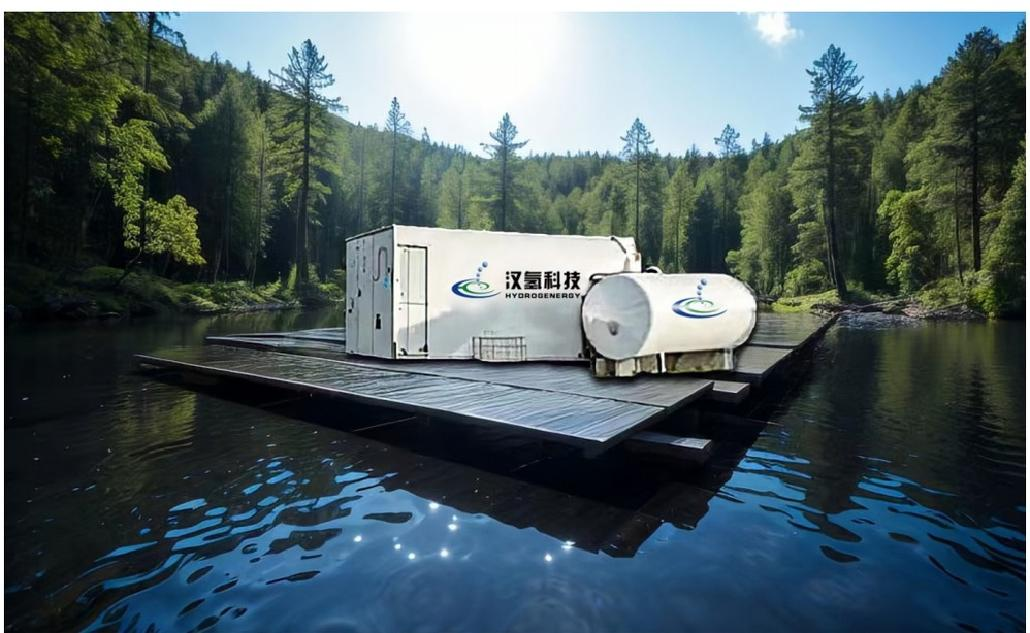
Full range of green hydrogen application solutions
Beijing Hydrogenergy Technology Co.,Ltd
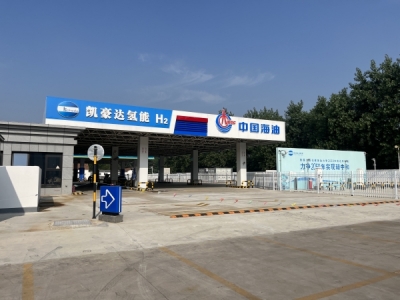
Hydrogen production and hydrogenation charging refueling gas integrated energy station
Shenzhen Kohodo Hydrogen Energy Co., Ltd.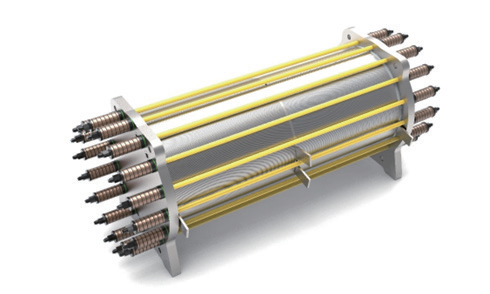
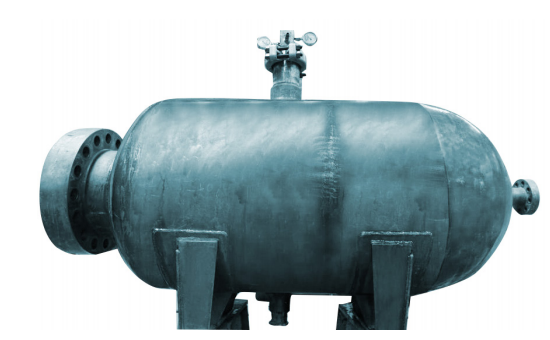
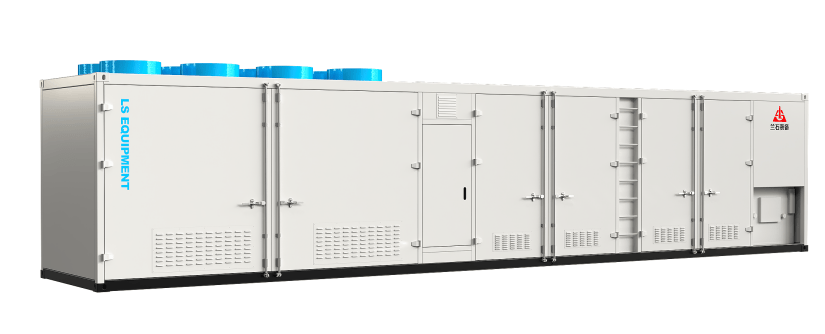
70MPa Skid-Mounted Integrated Hydrogen Booster and Filling Machine
Lanzhou LS Petroleum Equipment Engineering Co., Ltd.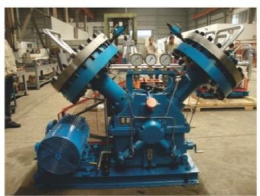
Hydrogen Station Diaphragm Hydrogen Compressor
Chongqing Rongneng Mechanical&Electrical Equipment Co.,Ltd.