Cost, Durability and Hydrogen Supply Will Define the Commercial Boundary of PEM Fuel Cells
en.Wedoany.com Reported - Proton Exchange Membrane Fuel Cells are among the most representative end-use technologies in the hydrogen value chain. However, their commercial boundary is not determined by stack performance alone. For vehicles, backup power, distributed generation, marine applications, drones and special equipment, deployment depends on the combined performance of stack cost, system durability, hydrogen supply, use case and maintenance capability.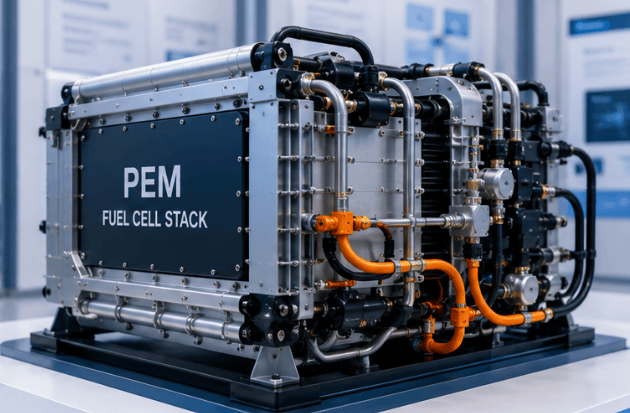
A PEM fuel cell system includes membrane electrode assemblies, proton exchange membranes, catalysts, gas diffusion layers, bipolar plates, seals, end plates and balance-of-plant components such as air supply, hydrogen circulation, water and thermal management and control systems. Each subsystem influences efficiency, lifetime and system reliability.
The membrane electrode assembly and catalyst affect reaction efficiency, power density and durability. Bipolar plates influence electrical conductivity, gas distribution, water removal and system volume. Air compressors, hydrogen recirculation devices, humidification units and cooling systems determine parasitic energy consumption and dynamic response. Weak performance in one subsystem can reduce the value of the whole system.
Cost remains a major commercialization barrier. PEM fuel cell systems require precious metal catalysts, high-performance membranes, precise flow-field design, reliable sealing and advanced control. Manufacturing consistency is also demanding. Cost reduction will depend on lower platinum-group metal loading, longer membrane electrode life, better bipolar plate materials and processing methods, higher stack power density, larger manufacturing scale and lower balance-of-plant cost.
Durability is equally important. Transport applications must handle frequent start-stop cycles, load changes, cold starts, vibration and long operating hours. Stationary applications focus more on continuous operation, maintenance intervals and system availability. Fuel cell degradation may come from membrane damage, catalyst decay, carbon corrosion, poor water management, impurity poisoning, seal aging and thermal cycling stress.
Hydrogen supply will define both carbon value and economics. If hydrogen is expensive, unreliable or difficult to refuel, a technically mature fuel cell system may still struggle to scale. PEM fuel cells are more likely to develop in regions where low-carbon hydrogen production, storage, distribution, refueling infrastructure and end-use demand grow together.
In the future, PEM fuel cells will not replace batteries or combustion engines in every field. They are more likely to expand in specific high-value applications. Suppliers need to move beyond stack performance and provide system efficiency, durability, safety, hydrogen compatibility and scenario-based solutions. The real industrial competition will take place across the full chain of stack, system, hydrogen infrastructure and operation scenario.
Related Products


Digital Multifunctional Electrical Measuring Instrument
Shanghai Complee Instrument Co.,Ltd.
70MPa Skid-Mounted Integrated Hydrogen Booster and Filling Machine
Lanzhou LS Petroleum Equipment Engineering Co., Ltd.
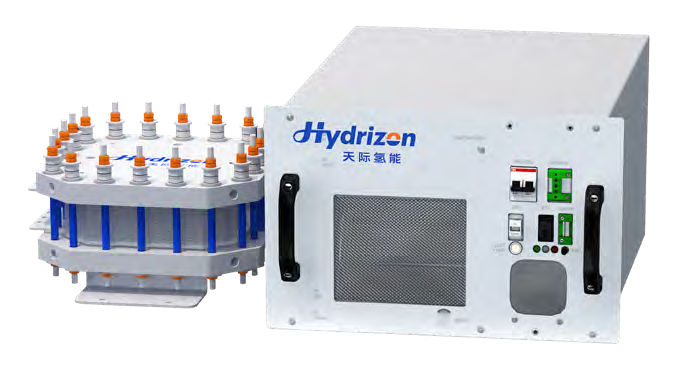
HI-Pro Green Hydrogen High-efficiency Production System-HI-PRO-AEM
Hydrizon Technology (Beijing) Co., Ltd.