Saudi Red Sea Global Completes AlWajh Airport Expansion, Boosting Annual Passenger Capacity to 500,000
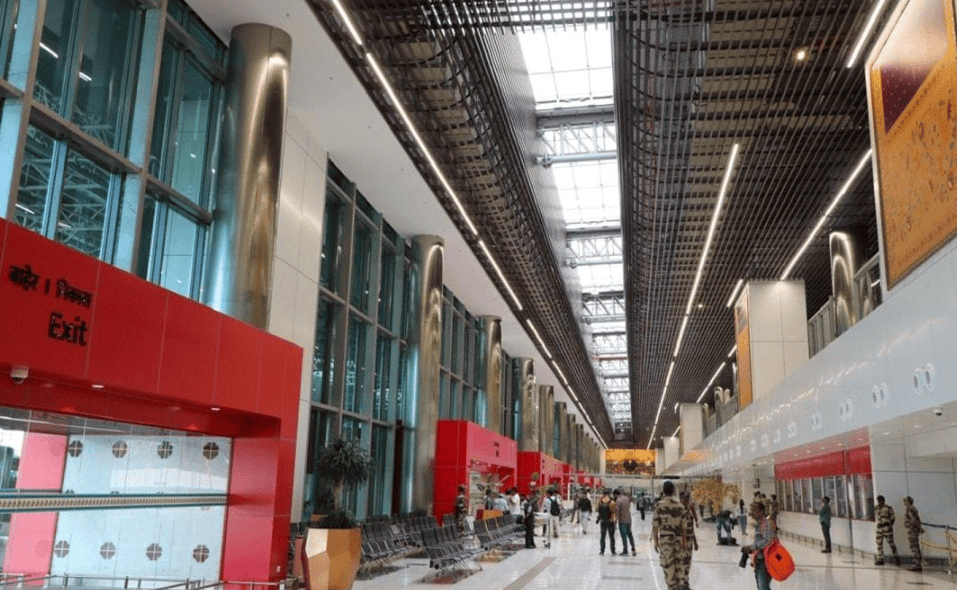
en.Wedoany.com Reported - Red Sea Global (RSG) has completed the expansion of Saudi Arabia's AlWajh International Airport (EJH), making it the second aviation hub for the Red Sea tourism development project. EJH's annual passenger throughput capacity has increased from 100,000 to 500,000, capable of handling 330 passengers per hour through four gates during peak times, accommodating commercial aircraft such as the Airbus A320 and Boeing 737 series.
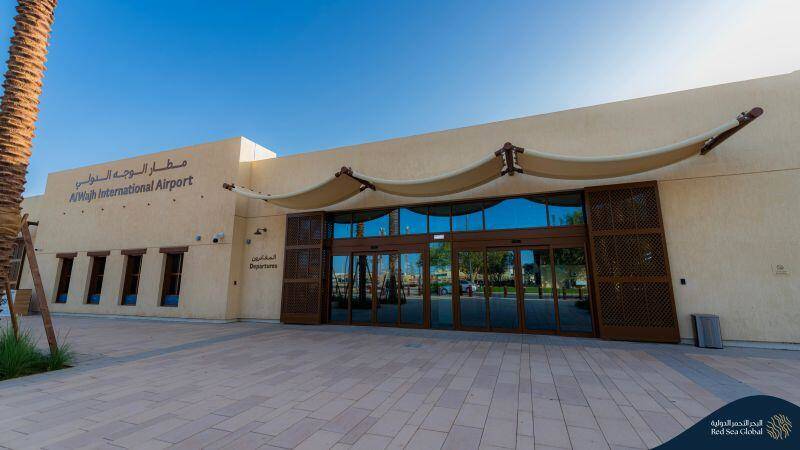
The expansion has rebuilt the airport into a fully certified commercial operation facility, involving airside upgrades, security system renovations, installation of premium passenger facilities, configuration of modern processing systems, and construction of a new terminal. Abdulaziz Al-Abdan, Executive Director of Aviation and Airport Operations at Red Sea Global (RSG), told Aviation Week that the upgraded airport can accommodate larger aircraft and significantly increase passenger flow, creating capacity to support future growth.
The terminal adopts a decentralized passenger processing model with five independent processing units, allowing flexible capacity adjustments based on demand. Al-Abdan stated that this design improves operational flexibility and reduces energy consumption. Digital technology runs throughout the passenger experience, including biometric processing, smart baggage handling, and airport management systems that support operational resilience.
Currently, Saudia operates scheduled flights to EJH, connecting Riyadh and Jeddah. The airport will serve as the gateway to Amaala, a high-end wellness destination set to open in the coming months, located 45 minutes away by electric vehicle and 20 minutes by seaplane. Al-Abdan noted that the airport design integrates commercial aviation, helicopter, and seaplane operations to support onward connections to the resort. Red Sea Global (RSG) is working to expand the airport's route network, collaborating with aviation partners and regulatory authorities to plan future routes based on demand growth.
EJH is adjacent to Red Sea Global's (RSG) flagship project, Red Sea International Airport (RSI), which opened in 2023. Al-Abdan pointed out that RSI and EJH together form part of a broader integrated aviation ecosystem, encompassing commercial aviation, business aviation, helicopters, seaplanes, and future advanced air mobility opportunities. According to OAG schedule data, RSI capacity has grown 56.4% year-on-year, with approximately 81,000 departing seats in summer 2026, of which domestic routes account for about 74% of capacity. Riyadh is the largest route with 43,765 seats, followed by Jeddah, Dubai, and Doha. Saudia holds approximately 61% of capacity, ahead of FlyDubai (13%) and Qatar Airways (9%). Beond operated Milan Malpensa and Male routes through April 2026, with the Milan route scheduled to resume in October according to the latest schedule. EJH is smaller and entirely domestic, with approximately 16,300 departing seats in summer 2026, distributed between Riyadh and Jeddah, exclusively operated by Saudia.
Al-Abdan stated that Saudi Arabia continues to steadily advance its aviation goals under Vision 2030, driven by sustained investment, regulatory leadership, and cooperation between the government, airports, and airlines. He also acknowledged that growth brings challenges in building sustainable route networks, noting that infrastructure alone cannot create connectivity—it must be supported by market demand, commercial viability, and long-term partnerships. "We went through this process at Red Sea International Airport, and now we are applying the same approach at AlWajh International Airport," he added.