Graphite One Inc.'s Battery Materials Factory Air Permit Under Review, Targeting 25,000 Tons of Anode Materials Annually
en.Wedoany.com Reported - Graphite One Inc. has achieved a key permitting milestone for its planned battery materials factory in Ohio, as the Ohio Environmental Protection Agency (Ohio EPA) has accepted its air permit application and initiated a technical review, advancing the project toward an annual production target of 10,000 to 25,000 tons of synthetic anode active materials (AAM).
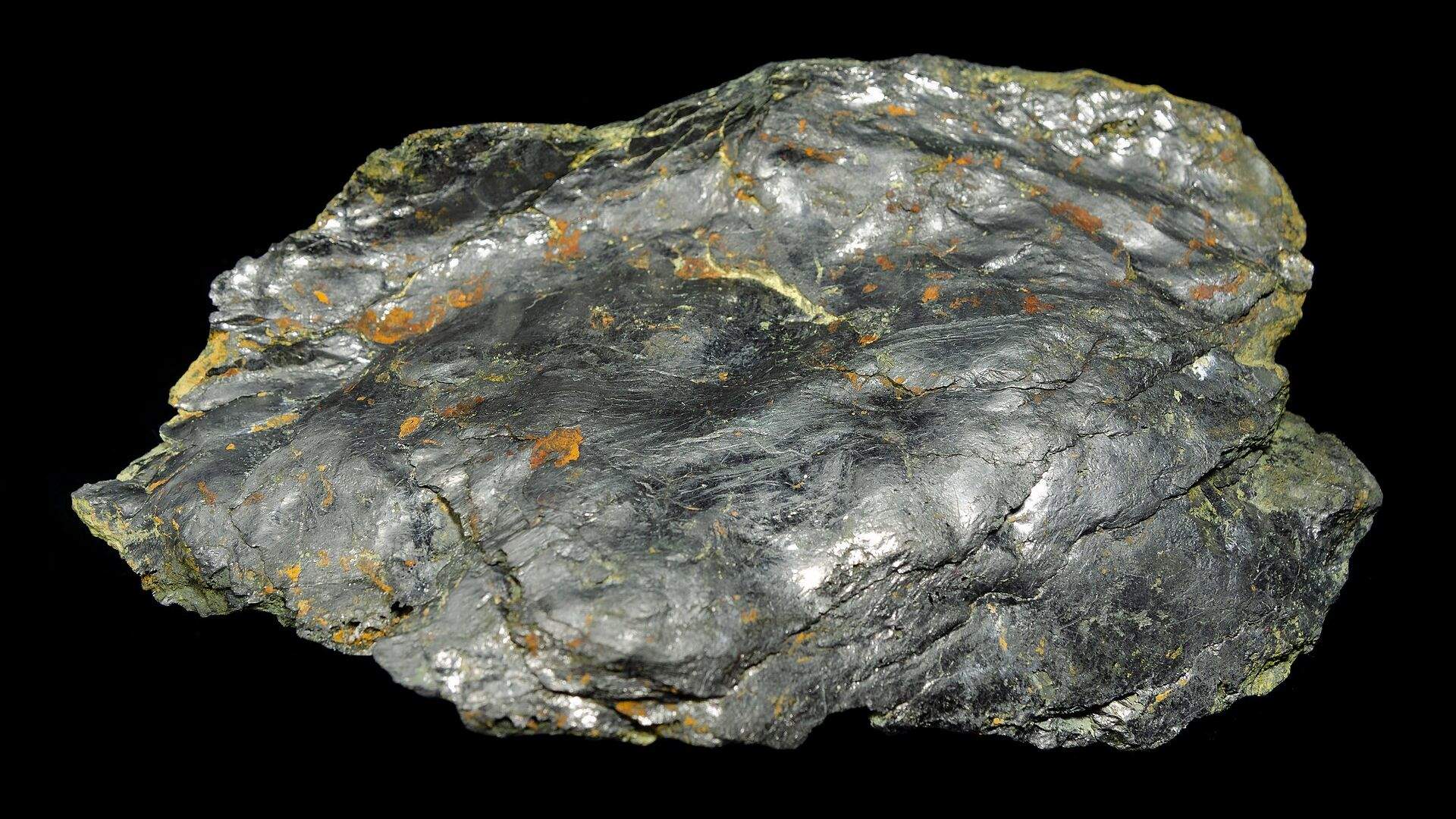
The Ohio EPA recently confirmed that Graphite One's air permit application for its active anode materials factory in Conneaut is complete and has entered the technical review phase. The facility plans to produce synthetic anode active materials, a key component for lithium-ion batteries used in electric vehicles, grid-scale energy storage, and other applications. Initial production capacity is planned at approximately 10,000 tons per year, with a long-term target of expanding to 25,000 tons annually.
Graphite One stated that the project is a core part of its strategy to build the first fully integrated domestic graphite supply chain in the United States. The company's non-linear development strategy allows the Ohio factory to advance production independently of the planned Graphite Creek Project in Alaska, a path that can generate revenue faster than traditional resource development projects. The planned Ohio factory, together with the Graphite Creek Project in Alaska, forms a complete vertical integration chain from mining to advanced battery material production, aimed at enhancing U.S. manufacturing competitiveness and reducing dependence on foreign supply chains.
Chief Operating Officer Mike Schaffner noted that entering the technical review phase is a critical milestone in Ohio's permitting process, reflecting the quality of work by the engineering and permitting teams. Subject to obtaining permits, regulatory approvals, and financing, synthetic anode material production at the Ohio factory is expected to commence in the fourth quarter of 2027, while natural graphite production from the Graphite Creek Project is targeted for 2029. The project has been designated as a high-priority infrastructure project under the federal FAST-41 permitting program and has received support from the U.S. Department of Defense.
Related Products

220kV and Below Voltage Level Energy-saving Oil-immersed Power Transformers
FuZhou TianYu Electric Co., Ltd.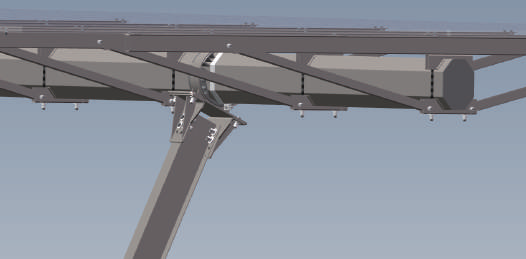

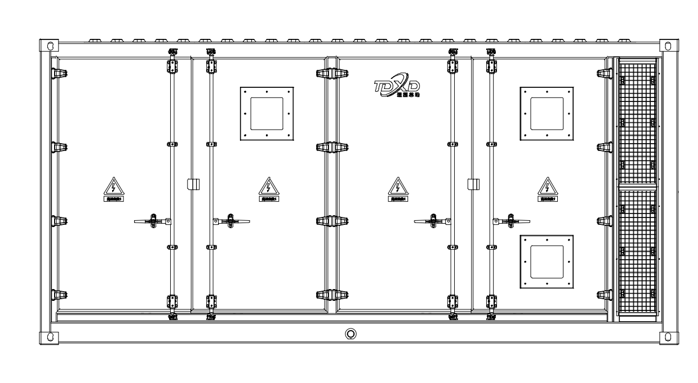
5012kWh DC Energy Storage System TD-EES-5012kWh
Suzhou Tongding Xindong Energy Storage Technology Co., Ltd.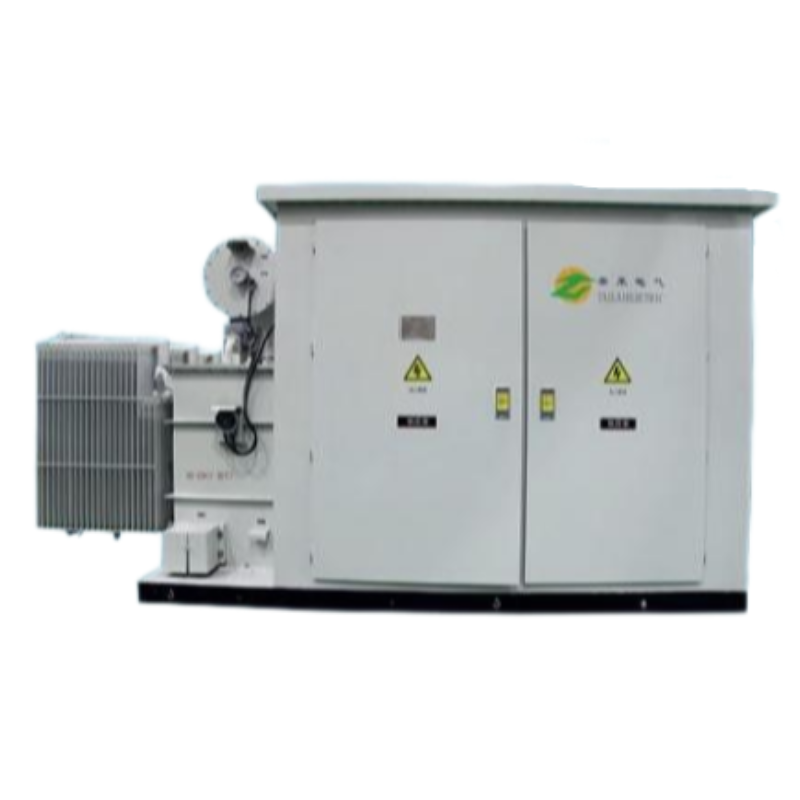

Prefabricated Houses and Electrical Energy Boxes
Chengdu Ruilong Machinery Manufacturing Co., Ltd.
TAI Slew-drive Single-axis Independent 1P Tracking Bracket System
ANTAI TECHNOLOGY CO., LTD.