Tokyo University of Science Develops Layered Crystal with Low Thermal Conductivity and High Thermoelectric Performance
en.Wedoany.com Reported - A research team at Tokyo University of Science (Science Tokyo) has developed a novel layered crystal, TlFe1.6Se2, by embedding atomically thin FeSe layers into a bulk crystal. This material simultaneously achieves a high thermoelectric power factor and extremely low thermal conductivity, offering a new approach for thermoelectric material design.
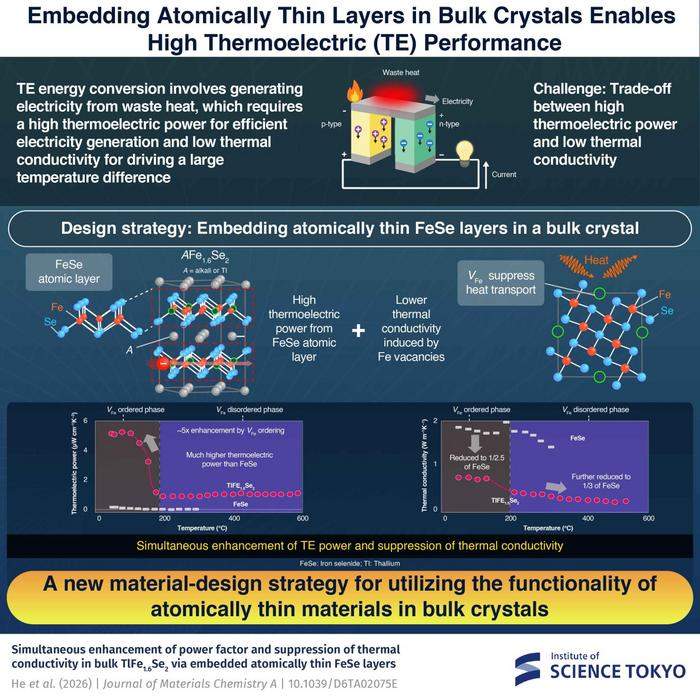
Thermoelectric technology generates electricity from temperature differences across a material, making it suitable for waste heat recovery in factories, automobiles, and power plants. To achieve high power generation performance, materials must balance efficient thermoelectric conversion with the low thermal conductivity needed to maintain the temperature gradient—a combination that is typically difficult to attain. Superconductors are rarely used in thermoelectric applications due to their poor thermoelectric performance, but atomically thin iron selenide (FeSe) films exhibit an exceptionally high thermoelectric power factor. However, this performance is only realized in ultrathin films, and bulk FeSe has relatively high thermal conductivity, limiting its practical use.
To overcome these limitations, a research team led by Professor Takayoshi Katase from the Laboratory for Materials and Structures designed a thallium (Tl)-containing layered crystal, TlFe1.6Se2. In this crystal, atomically thin FeSe layers, along with ordered iron vacancies, are periodically embedded into the bulk crystal, aiming to combine the high thermoelectric power factor of the FeSe layers with the low thermal conductivity introduced by the iron vacancies. The study was published online on April 30, 2026, and appeared in Volume 14, Issue 37 of the Journal of Materials Chemistry A on June 23, 2026.
The research shows that TlFe1.6Se2 offers two major advantages. First, the embedded FeSe atomic layers produce a thermoelectric power factor far higher than that of conventional bulk FeSe, primarily due to a significant increase in the Seebeck coefficient, indicating that the electronic properties of atomically thin FeSe can be integrated into the bulk crystal. Second, the material exhibits extremely low thermal conductivity, as the naturally occurring iron vacancies within the FeSe layers distort atomic bonds and scatter heat-carrying phonons. Professor Katase added that the incorporation of heavy Tl atoms and the complex layered structure further reduce phonon velocity and enhance scattering.
At approximately 180 °C, the material undergoes a reversible transition from an iron-vacancy ordered phase to a disordered phase. This transition enhances phonon scattering, reducing thermal conductivity to about 0.2 W m-1 K-1, comparable to state-of-the-art thermoelectric materials. In the iron-vacancy ordered phase, the Seebeck coefficient exceeds 100 μV K-1, and the thermoelectric power factor is approximately five times that of the disordered phase, which the study attributes to changes in the electronic structure associated with the ordered arrangement of vacancies.
The researchers believe that this approach, combining the high thermoelectric power factor of atomically thin materials with the extremely low thermal conductivity introduced by ordered iron vacancies, opens a new direction for thermoelectric material design. Professor Katase stated that this design concept validates the effectiveness of embedding low-dimensional material functionalities into bulk crystals, potentially overcoming the traditional trade-off between electrical and thermal transport properties. This method can also be extended to FeSe compounds containing potassium, rubidium, or cesium, which similarly feature FeSe layers and tunable iron vacancy concentrations, making them promising platforms for optimizing thermoelectric performance.
Related Products


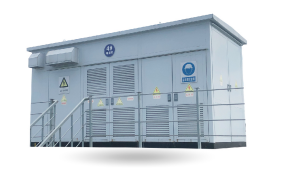
Smart Photovoltaic Prefabricated Substation
Shanghai Jinyou Jinhong Intelligent Electric Co., Ltd.
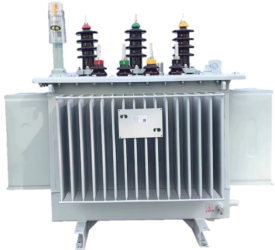
Oil-immersed Amorphous Alloy Core Distribution Transformer
Pinggao Group Smart Electric Co., Ltd.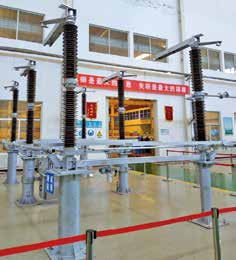
GW4-40.5/72.5/126/145/170/252/363/420 Series Double-column Horizontal Rotary High-voltage AC Disconnect Switch
SHANDONG TAIKAI DISCONNECTORS CO., LTD.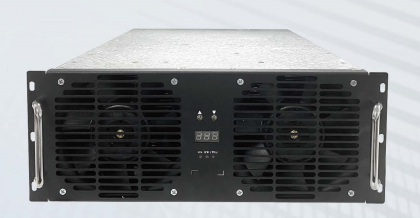
80kW Megawatt Supercharging Module TH80F10030C9
Shijiazhuang Tonhe Electronics Technologies Co., Ltd.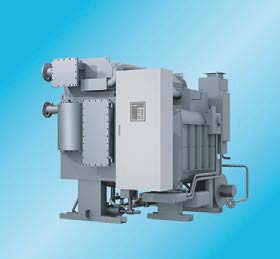
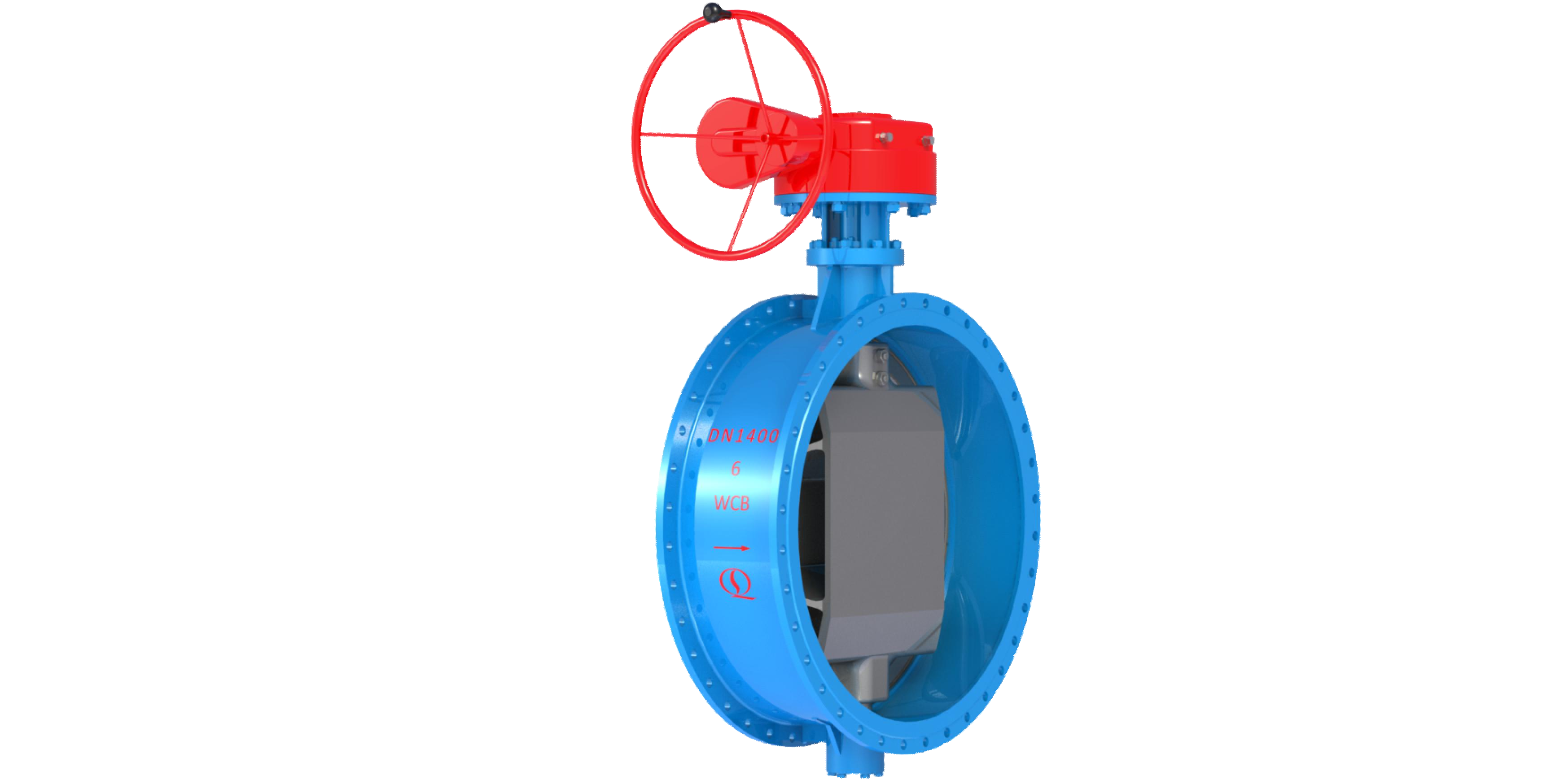
Bidirectional Metal Hard Sealed Seawater Butterfly Valve
Henan Quanshun Flow Control Science & Technology Co., Ltd.