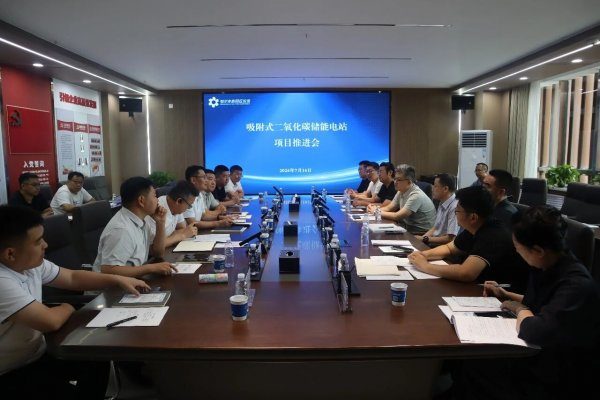
en.Wedoany.com Reported - The preliminary design review of the International Thermonuclear Experimental Reactor (ITER) Helium-Cooled Solid Breeder Test Blanket System (HCCB TBS), led by the Southwestern Institute of Physics (SWIP), was recently held at the ITER Organization headquarters in France. The system design plan received recognition from the review expert panel. This marks significant progress for China in the field of fusion reactor tritium breeding blanket technology, laying the foundation for the system's final design, manufacturing, and the development of China's fusion reactor tritium breeding blanket technology.
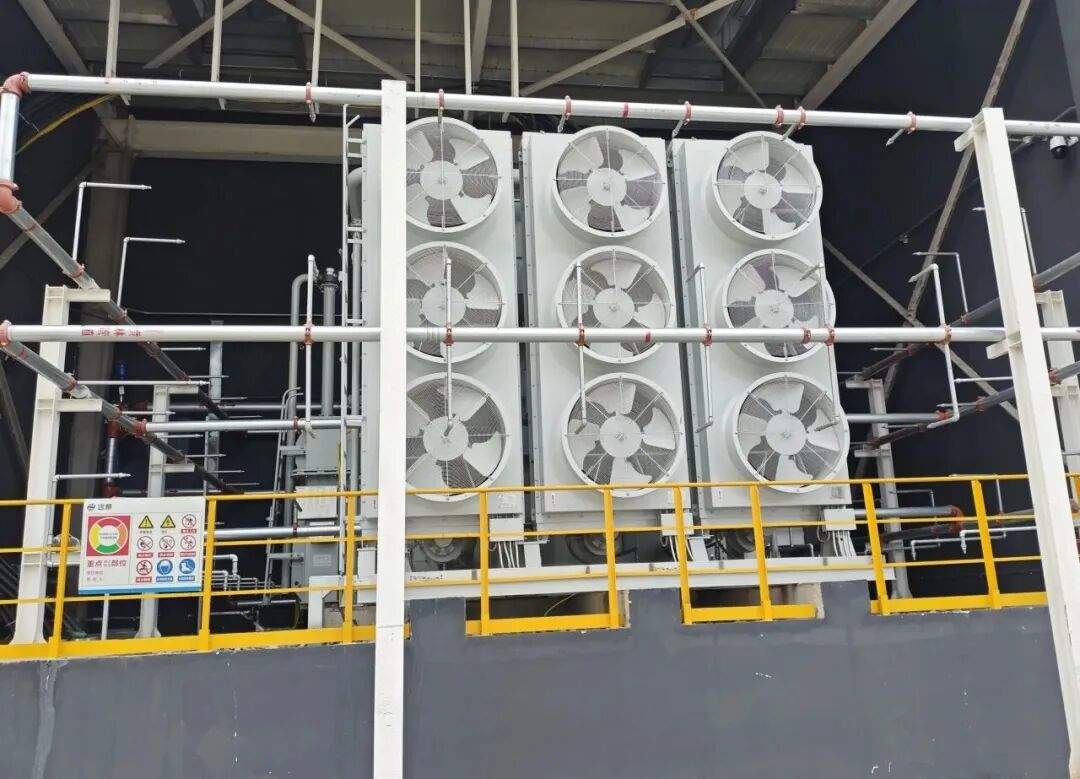
The Test Blanket Module (TBM) project is one of the three major engineering objectives of ITER and the only project where intellectual property is not shared. The HCCB TBS consists of the Test Blanket Module (TBM), Helium Cooling System (HCS), Coolant Purification System (CPS), Tritium Extraction System (TES), Tritium Accountancy System (TAS), Neutron Activation System (NAS), and Instrumentation and Control (I&C) system. It will conduct verification of key technologies such as tritium breeding and extraction, and energy extraction, as well as system integration under real ITER fusion conditions, supporting the development of China's helium-cooled solid breeder tritium breeding blanket technology.
As the overall design and system integration unit for the HCCB TBS, SWIP, under the guidance and support of the China International Nuclear Fusion Energy Program Execution Center, has jointly undertaken the system design and research and development with the China Academy of Engineering Physics, CNNC Tongchuang (Chengdu) Technology Co., Ltd., China Nuclear Power Engineering Co., Ltd., China Institute of Atomic Energy, and the Institute of Nuclear Energy Safety Technology, Chinese Academy of Sciences, among others. Since the project's inception, the team has systematically established a nuclear safety and quality system compliant with ITER requirements, strictly adhered to ITER technical specifications and safety criteria, completed multiple design iterations of the system, and achieved breakthroughs in several key technologies, including low-activation structural materials, neutron multipliers, tritium breeders, blanket module design and manufacturing, helium circulators, tritium extraction and purification, and system safety analysis.
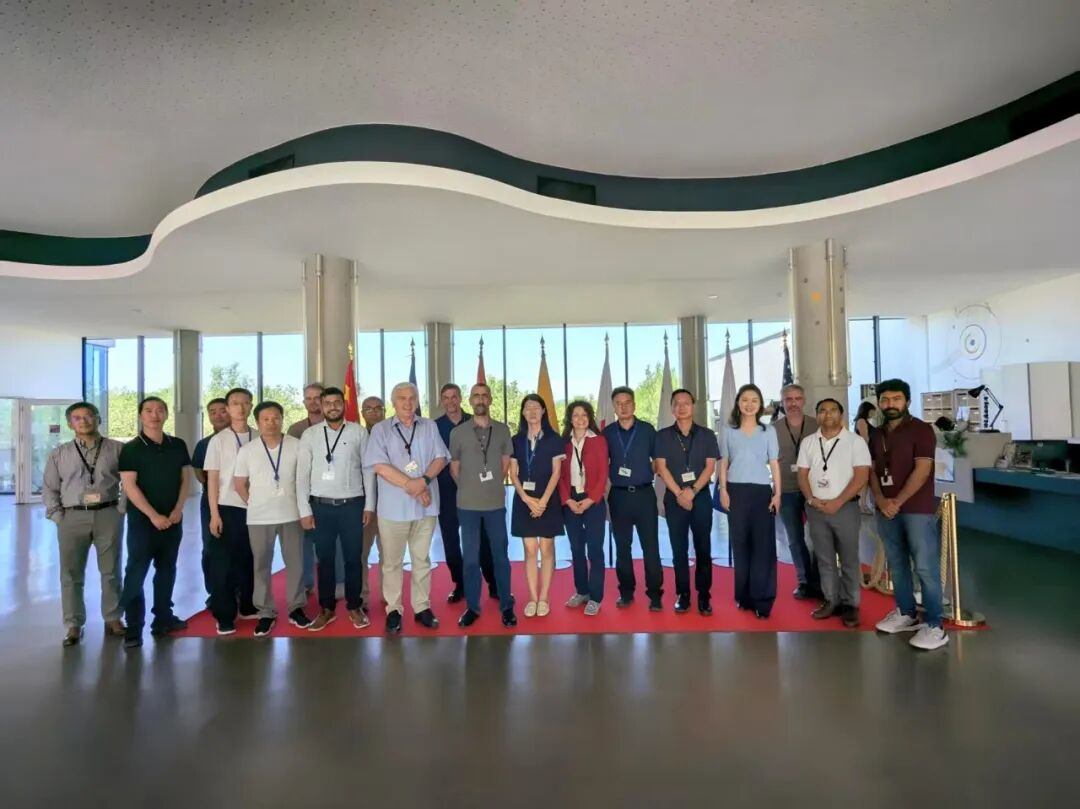
During the preparation phase for the preliminary design review, the project team compiled and submitted over 130 reports covering design plans, process drawings, engineering analyses, and material and manufacturing process research and development, and organized multiple rounds of internal and external technical reviews. At the review meeting, the team systematically reported on the design and research and development progress of all subsystems, including the Test Blanket Module Set (TBM-Set), Helium Cooling System and Purification, Tritium Extraction and Accountancy, Neutron Activation, and Instrumentation and Control, as well as plans for installation, testing, maintenance, and decommissioning, and responded point by point to inquiries from ITER and international experts. The review resulted in zero Category 1 issues. The expert panel unanimously agreed that the preliminary design of China's HCCB TBS was a complete success, with design maturity in many aspects exceeding the requirements of the preliminary design phase. The lead expert described it as an "Amazing piece of engineering." The Chinese team became the only team among all countries currently participating in the review to have zero Category 1 issues, fully demonstrating the team's solid capabilities and rigorous approach in design, research and development, and engineering management.
In the next steps, SWIP will implement the review comments item by item, deepen design optimization, and closely focus on the HCCB TBS objectives. The team will work together to advance the system's final design with high quality, ensuring the project is completed on schedule and to a high standard, thereby providing a technical foundation for the future development and verification of fusion reactor tritium breeding blanket technology and fusion reactor tritium self-sufficiency.