TU Graz Develops Auto-Folding Photovoltaic System with Nearly 40% Power Generation Increase for Disaster Avoidance
en.Wedoany.com Reported - The Institute of Electrical Measurement and Sensor Technology at TU Graz has developed a dual-axis tracking photovoltaic system called FLAPTrack (Flat Lying Anti-degradation Protection). This system not only increases power generation but also actively responds to severe weather. The research team has deployed a 1.8kWp prototype system on the roof of an office building at TU Graz's Inffeldgasse campus to validate the concept.
The system achieves continuous alignment with the sun through dual-axis tracking. Power generation is maximized when sunlight hits the solar panels at a 90-degree angle, while oblique light incidence causes energy loss. FLAPTrack uses patented linear actuators for continuous horizontal and vertical tracking: a belt drive rotates along a circular track for horizontal movement, and a vertical actuator tilts the solar panels. This single component simultaneously handles daily solar tracking and powers the protective folding sequence, thereby reducing installation and operating costs.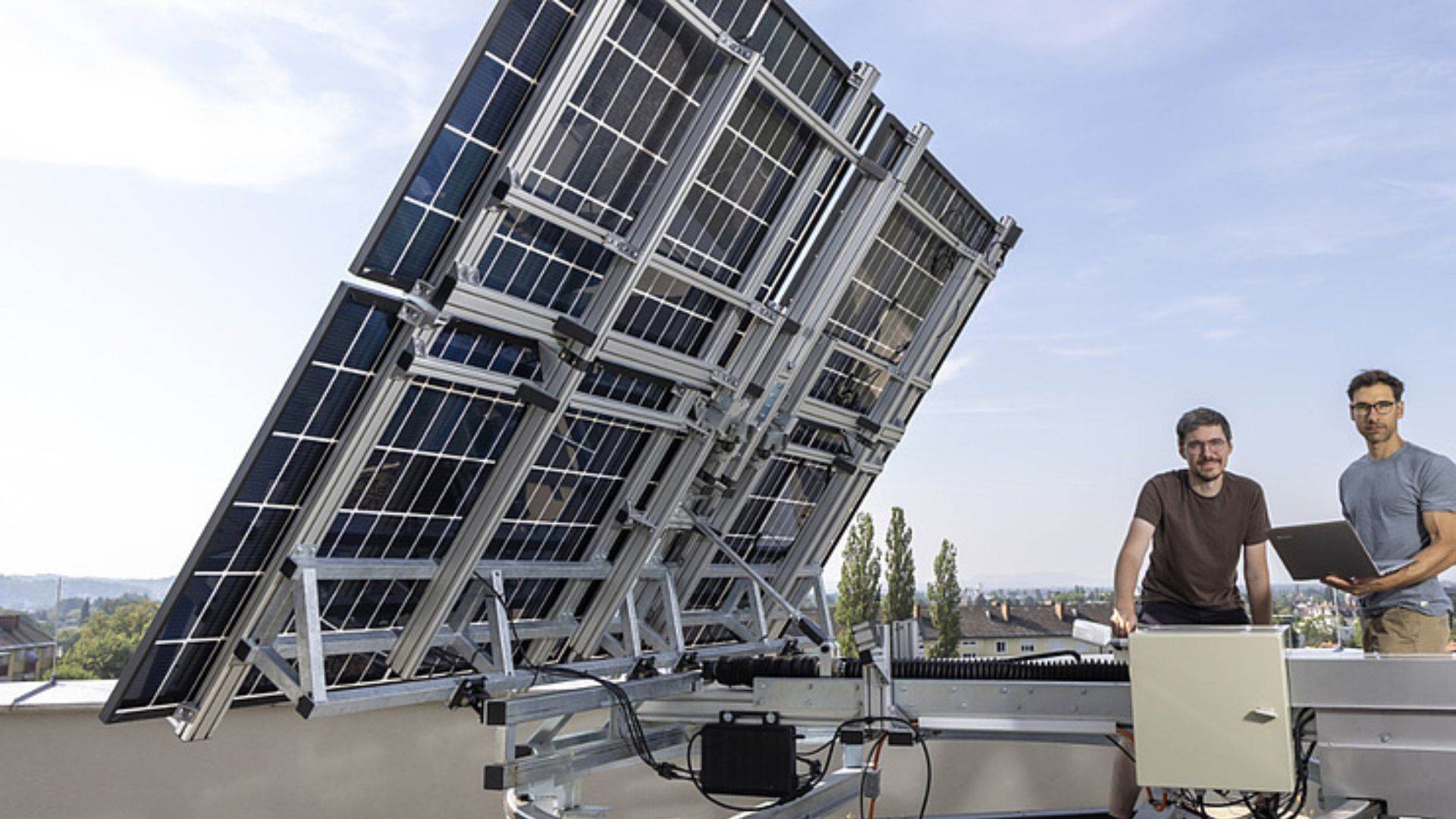
Test data shows that compared to fixed photovoltaic modules, FLAPTrack increases average power generation by nearly 40%, with peak performance reaching an additional 56% under favorable weather conditions. Team member Armin Buchroithner noted that during peak electricity demand periods such as morning and evening, FLAPTrack generates more than twice the power of traditional photovoltaic systems, helping to alleviate grid congestion. The system performs particularly well in winter and high-latitude regions, and its folding mechanism also prevents snow accumulation, reducing the efficiency losses common in traditional solar systems during winter.
When facing severe weather such as strong storms, hail, or heavy snow, FLAPTrack has active defense capabilities. The system connects to local weather stations and regional forecast models, allowing it to receive early warnings. At night or before storms, the system automatically folds the solar panels "face-to-face" and lays them flat. This action reduces wind resistance and prevents hail from cracking internal silicon wafers—the main cause of "hot spots" that reduce efficiency. An inexpensive heavy-duty mesh protects the exposed backside, thereby suppressing physical damage and snow shading. Currently, the prototype system is operating on the roof of TU Graz, collecting data on wind resistance and weather patterns. This is a small-scale test project with ambitious goals: proving that future green energy grids need to adapt to changing electricity demands.
Related Products


Industrial and Commercial Point-Type Gas Detector
Jinan Benan Technology Development Co., Ltd.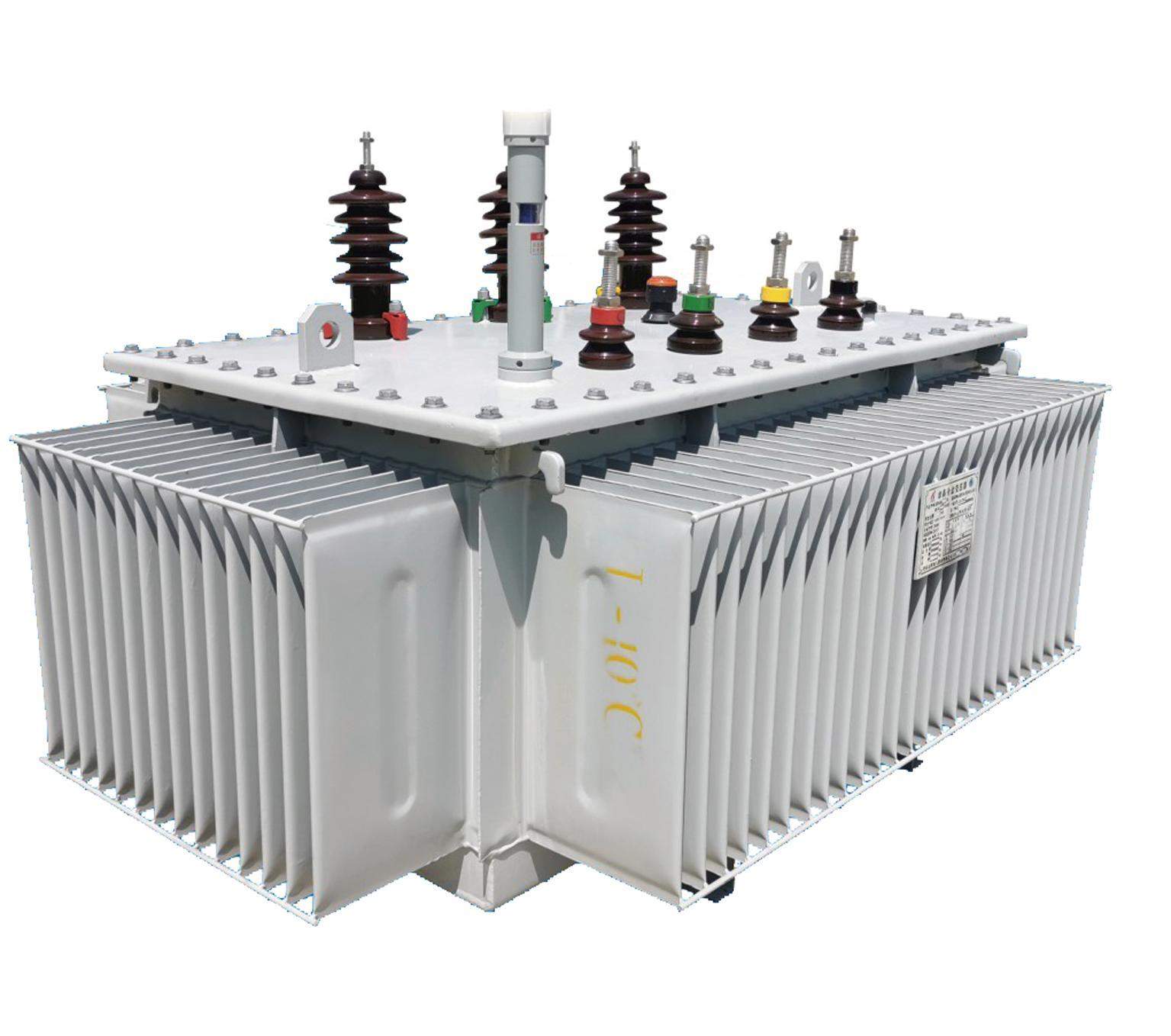
S(B)H15 Type (Energy Efficiency Level 3) Oil-Immersed Amorphous Alloy Core Distribution Transformer
Henan Longxiang Electric Co., Ltd.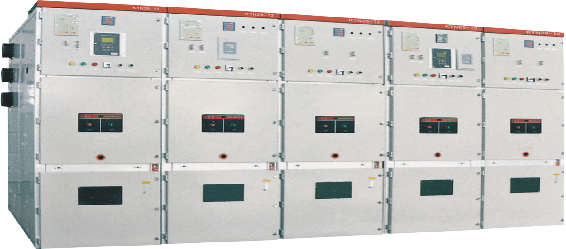
KYN28-12/24 Indoor High-Voltage Metal-Clad Removable Switchgear
Shenzhen Zhaoyang Hui Technology Co., Ltd.
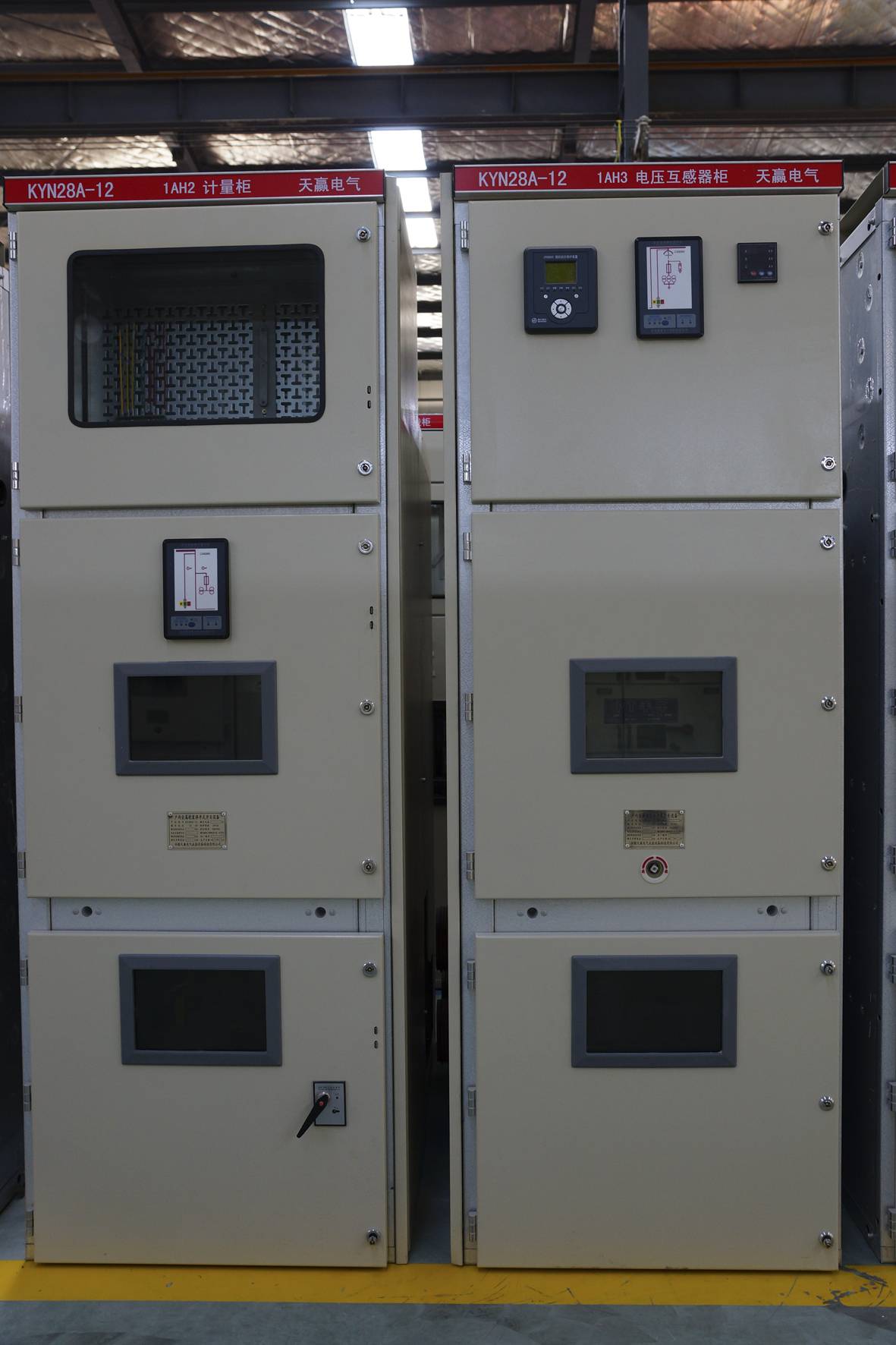
KYN28 - High Voltage Switchgear
Anhui Tianying Electrical Equipment Manufacturing Co., Ltd.