en.Wedoany.com Reported - Stelar Metals Limited (ASX:SLB), an Australian Securities Exchange-listed company, recently announced that its initial surface rock sampling at the Hill of Leaders tungsten project in the Tennant Creek mineral field of the Northern Territory returned high-grade results of up to 1.41% tungsten trioxide (WO₃). The project covers a 445-square-kilometer exploration area, located approximately 80 kilometers from Tennant Creek and adjacent to road and rail networks connected to the Port of Darwin.
Stelar Metals is an Australian listed company focused on the exploration of critical minerals. Its Executive Chairman, Stephen Biggins, founded Core Lithium (ASX:CXO) in 2010 and led the entire process from acquisition to production of the Finniss project, the first lithium mine in the Northern Territory. The Hill of Leaders project is situated within the world-class Tennant Creek mineral field, a highly mineralized geological unit hosting several significant copper-gold deposits.
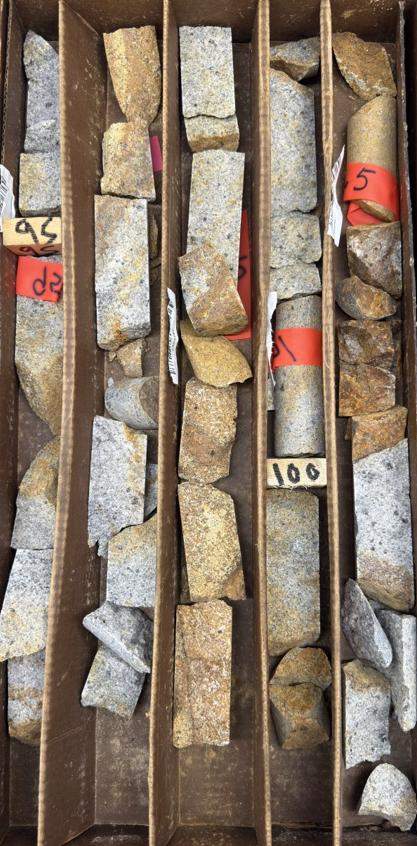
Among the initial 18 rock samples, over a quarter returned extremely high grades exceeding 0.5% WO₃, with two samples exceeding 1% WO₃; two-thirds of the samples graded above 0.05% WO₃—the cut-off grade commonly used for most tungsten projects. Mineralization occurs as wolframite and scheelite within quartz vein systems, with veins forming multiple parallel stacked structures. Some vein corridors extend approximately 2 kilometers in length and 200 meters in width. Additionally, the samples contain associated polymetallic mineralization including molybdenum, copper, and bismuth, with one sample yielding a copper grade of 6.64%. Stephen Biggins stated that the widespread tungsten mineralization and grades exceeding 1% WO₃ confirm the project as a "genuine tungsten system" of significant scale. Notably, no bedrock drilling has been conducted in this area, providing Stelar with a first-mover advantage.
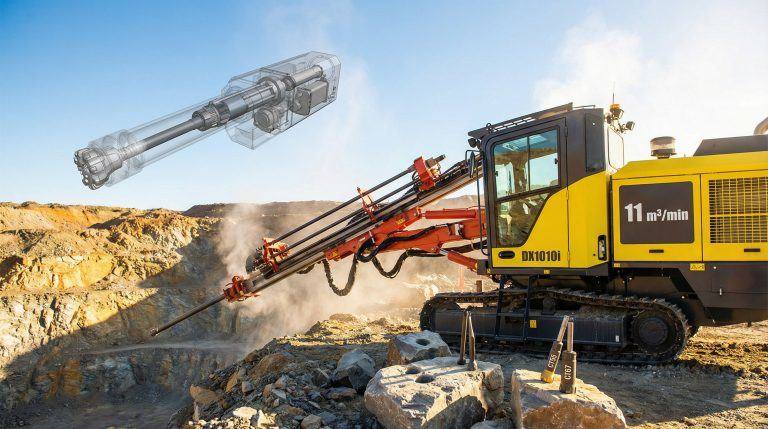
Under a binding earn-in agreement, Stelar has the option to acquire a 100% interest in the project within 12 months. The company has planned approximately 3,000 meters of reverse circulation (RC) drilling, scheduled to commence in late July 2026, followed by approximately 1,000 meters of diamond drilling. Against the backdrop of major economies such as the United States, the European Union, and Australia classifying tungsten as a critical mineral and seeking to reduce reliance on a single supply source, the project is supported by geostrategic demand. This discovery further highlights the strategic value of the Tennant Creek mineral field as a potential area for polymetallic critical minerals.