China's Auto Exports Reach 3.08 Million Units in First Half of 2026, Global Industry Enters Reset Phase
en.Wedoany.com Reported - The Global Automotive Intelligence Review (GAIR) released by the Automotive Business Council of South Africa (naamsa) indicates that the global automotive industry is entering a "Global Auto Reset" phase, driven by three core forces.
The review points out that the three core forces reshaping mobility include a structural shift from scale to agility, China's accelerated pace of innovation, and the direct integration of policy into corporate business models.
The report emphasizes that the era of scale for scale's sake is coming to an end, with agility, leanness, and productivity becoming new competitive advantages.
Restructuring is moving from discussion to decisive action, as OEMs and suppliers cut capacity, complexity, and jobs to adapt to a slower, more fragmented market.
China is actively resetting the global industry development timeline. The report shows that China's advantages are compounding, driven by record export levels, rapid product launches, and technological leadership in software, intelligent driving, and batteries.
From January to June 2026, China's auto exports reached 3.08 million units, an increase of 10.4% compared to the same period in 2025. June exports alone grew 32.1% year-on-year, reaching 639,000 units.
The review notes that traditional global development cycles can no longer keep pace, and Chinese companies have set new benchmarks in speed, cost, technology integration, and scale.
Manufacturers are shifting to collaborative models to offset costs. For example, Japanese automakers are exploring standardized common parts to reduce redundant investment and redirect capital toward software and next-generation technologies.
The report emphasizes that global developments impose direct industrial requirements on South Africa and Africa. As of May 2026, South Africa's new vehicle exports reached 386,912 units, up 7% year-on-year, but domestic production fell 6% to 278,983 units.
To remain competitive, the report urges South Africa to address structural cost gaps. The estimated cost gap between South Africa's automotive master plan and the best producers ranges from 15% to 25%. The Rosslyn automotive hub is a key asset, accounting for an estimated 35% to 40% of South Africa's total auto exports.
To navigate the transition, naamsa outlined priority actions for the local industry and government, including urgent implementation of the Automotive Production and Development Programme 2.0 reforms, adjusting incentives to attract Vehicle Industry" target="_blank">new energy vehicle model allocations, deepening the local parts supply chain, and leveraging the African Continental Free Trade Area to position South Africa as a primary production hub in Africa.
The report states that countries and companies that act now on cost, capability, capital, and collaboration will define the next decade.
Related Products



CAP1400 main feedwater flow nozzle flowmeter.
Jiangsu Hongda Instrument Technology Co., LTD.
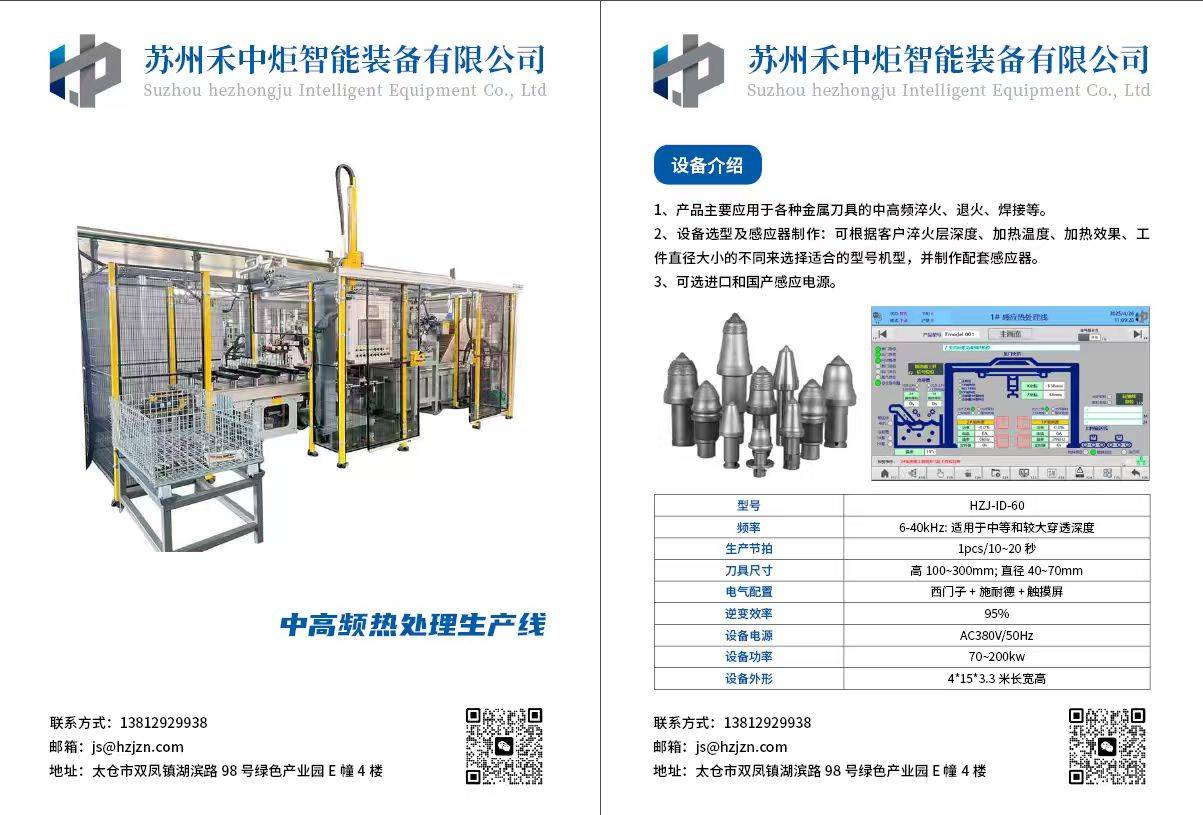
Excavator Bucket Teeth Heat Treatment Production Line
Suzhou Hezhongju Intelligent Equipment Co., Ltd.
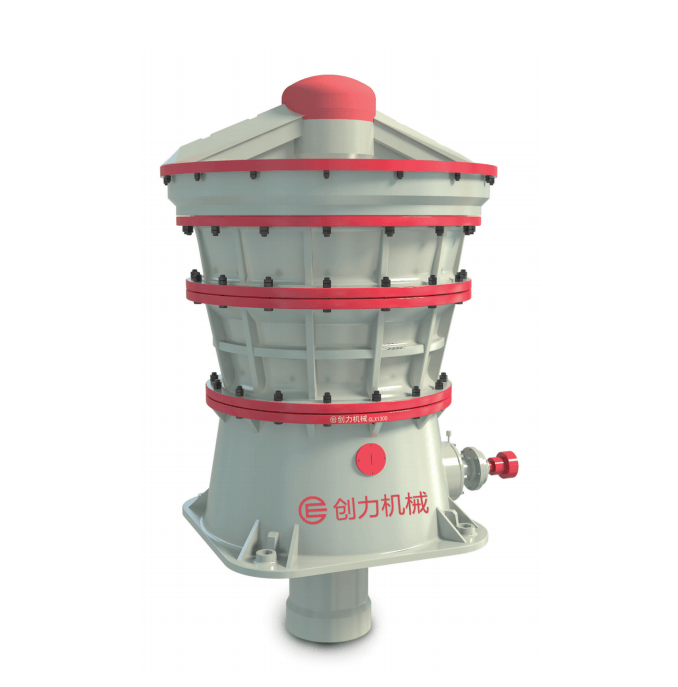
CLX Series Intelligent Hydraulic Gyratory Crusher
Guangdong CHUANGLI intelligent machinery Equipment Co., LTD
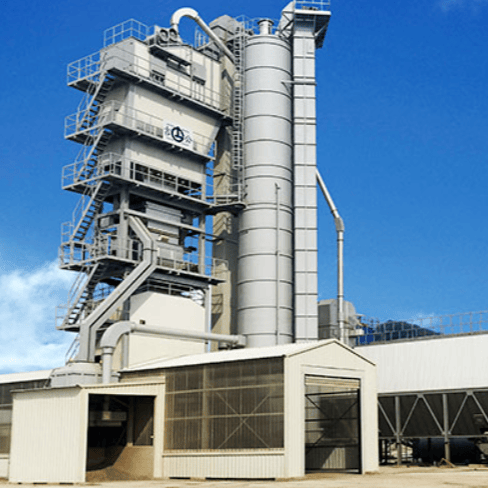
LBH4000 Batch Environmental Protection Asphalt Mixing Plant | Asphalt Batching Plant | Asphalt Mixing Plant
Jilin Province Road Construction Machinery Co., Ltd.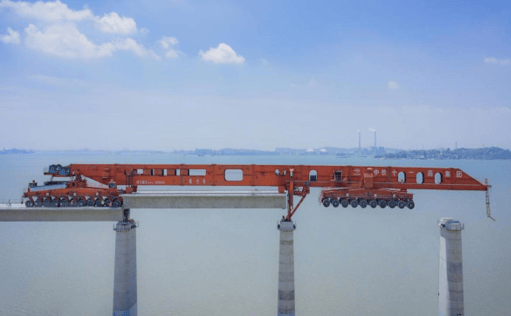
High-Speed Railway Lifting, Transporting, and Erecting Equipment: Integrated Transport and Erection Machine
Hanjiang Heavy Industry Co., Ltd. of China Railway 11th Bureau Group