Vertiv Expands Cooling Production Capacity in Italy, New Lab to Be Completed in 2027
en.Wedoany.com Reported - Vertiv is expanding its cooling equipment manufacturing and testing capabilities at its Tognana, Italy campus to meet the demand for high-density thermal management systems in AI data centers.
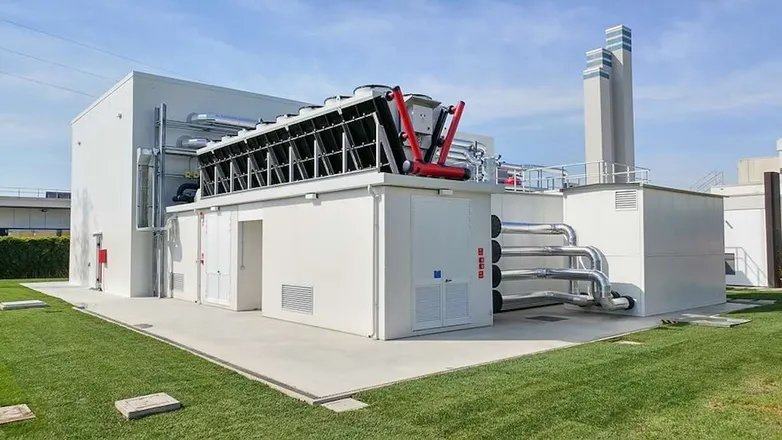
The high power consumption and stringent thermal efficiency requirements of AI infrastructure have transformed cooling systems from a supporting role into a strategic component. The heat generated by high-density AI clusters far exceeds that of traditional enterprise facilities, and operators have significantly lower tolerance for thermal management inefficiencies. This shift in capital flow is driving Vertiv's latest investment, targeting both product development and manufacturing capacity.
The expansion plan includes a new testing laboratory expected to be completed in early 2027. This reflects a change in customer procurement patterns—operators now demand evidence of integrated cooling system performance under real-world operating conditions before committing to large-scale deployments. As liquid cooling technology enters mainstream AI infrastructure, validation has become part of the procurement process rather than a post-installation engineering add-on.
The new lab will support testing of large chillers and liquid cooling systems under varying thermal loads and temperature conditions. Instead of evaluating individual components in isolation, operators will validate complete thermal systems capable of supporting increasingly power-hungry processors. For hyperscale operators and colocation providers, delays caused by cooling infrastructure are as disruptive as shortages of servers or electrical equipment. Testing integrated systems before shipment helps shorten on-site commissioning time and identify performance issues early.
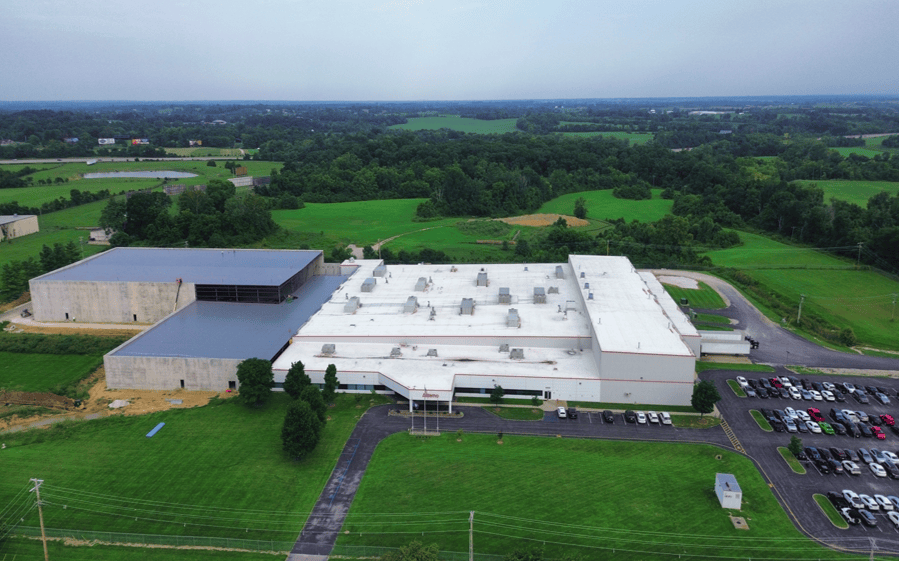
Vertiv's Tognana campus already integrates research, product development, manufacturing, and customer testing functions. Expanding these capabilities at the same location streamlines coordination between engineering and production, but centralized manufacturing may also increase operational risk during regional supply disruptions. The broader challenge facing the industry lies in manufacturing scale—AI has compressed deployment timelines while increasing equipment complexity. Operators expect improved performance without sacrificing efficiency, reliability, and maintainability, while suppliers must expand capacity while launching next-generation products.
Thermal management has become one of the key variables affecting the speed of new capacity deployment. This manufacturing expansion indicates that cooling suppliers anticipate sustained growth in AI infrastructure demand, rather than a short procurement cycle. Companies are now evaluating cooling suppliers alongside computing and networking providers, as thermal constraints may limit future expansion after facilities become operational. The next bottleneck for AI infrastructure may not be processors, but the ability to manufacture, test, and deliver enough validated cooling systems to keep pace with the industry's demand for higher-density computing.
Related Products
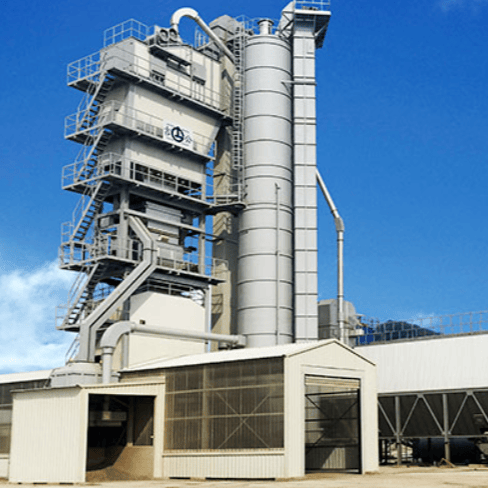

LBH4000 Batch Environmental Protection Asphalt Mixing Plant | Asphalt Batching Plant | Asphalt Mixing Plant
Jilin Province Road Construction Machinery Co., Ltd.
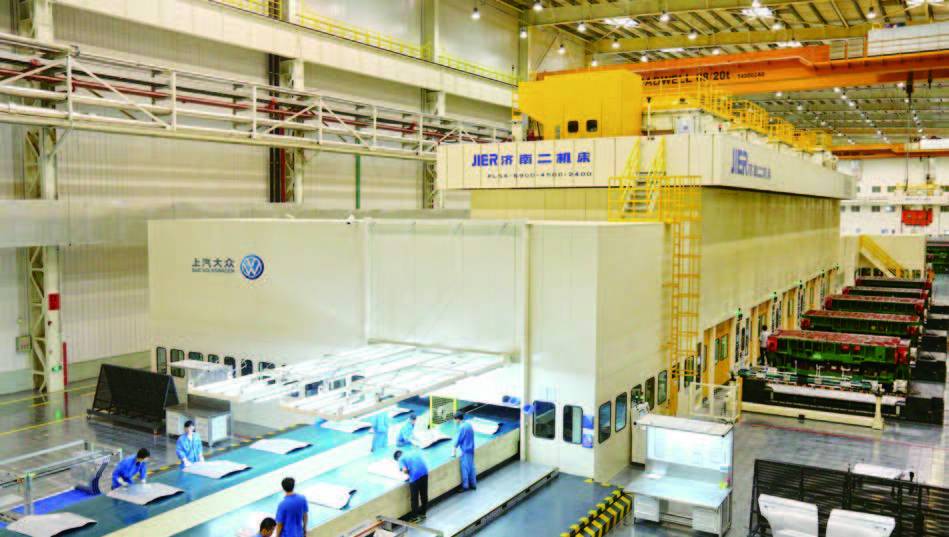
High-Speed Flexible Fully Automatic Stamping Production Line
JIER Machine-Tool Group Co., Ltd.
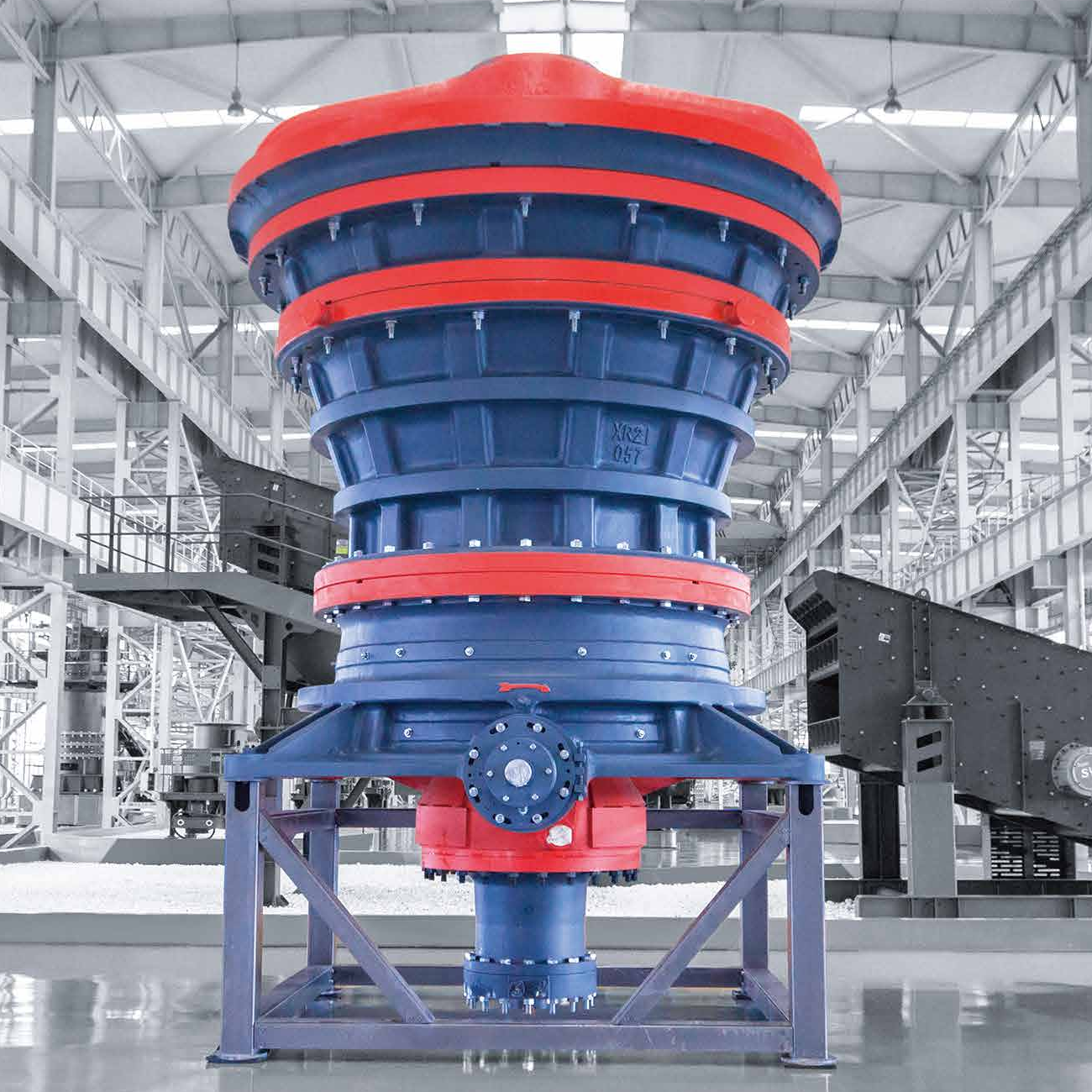
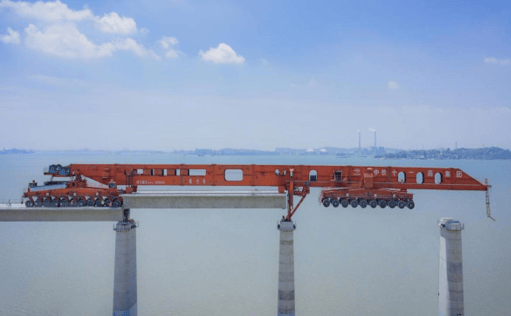
High-Speed Railway Lifting, Transporting, and Erecting Equipment: Integrated Transport and Erection Machine
Hanjiang Heavy Industry Co., Ltd. of China Railway 11th Bureau Group
Industrial and Commercial Point-Type Gas Detector
Jinan Benan Technology Development Co., Ltd.