Info-Tech Research Group Releases M365 Governance Blueprint, Highlights AI Amplifying Data Access Risks
en.Wedoany.com Reported - Info-Tech Research Group has released the "Governing Microsoft 365" blueprint, pointing out that many organizations still rely on isolated configurations rather than a unified policy-driven model to manage Microsoft 365, leading to inconsistent controls and increased risk exposure. The blueprint outlines how organizations can establish a governance foundation aligned with business priorities while supporting long-term scalability and control.
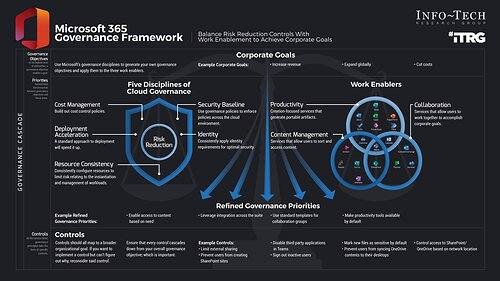
Info-Tech's research indicates that while M365 enables flexible collaboration and productivity, organizations often struggle to apply governance strategies consistently across services. Challenges such as unclear ownership, uncontrolled data growth, and fragmented governance practices remain prevalent. As AI capabilities like Microsoft Copilot expand how users access and surface enterprise data, these weaknesses become more pronounced, increasing the potential impact of poor permission management and inadequate content governance.
John Donovan, Principal Research Director at Info-Tech Research Group, stated that Microsoft 365 governance fails when it is treated as a set of configurations rather than a business-aligned model. Organizations need clear governance intent, defined ownership, and policy-driven controls that remain consistent as the platform evolves and AI adoption accelerates.
Despite widespread adoption, many organizations face persistent governance challenges that undermine security and productivity. Info-Tech's blueprint identifies several recurring issues, including: over-reliance on default configurations, where controls are often inherited from out-of-the-box settings rather than designed around business needs; unclear accountability models, where governance responsibilities are broadly distributed but lack clear ownership, leading to inconsistent enforcement and decision-making; unmanaged content and access, where collaboration across Microsoft Teams, SharePoint, and OneDrive introduces risks related to oversharing and data sprawl; lagging governance decisions, where policies are often introduced reactively after problems arise rather than embedded in workflows from the start; and limited AI readiness, where weak data classification and access controls increase risk exposure as AI tools surface more information.
To help organizations address critical governance weaknesses, Info-Tech's "Governing Microsoft 365" blueprint outlines a structured approach that shifts governance from reactive configuration to intentional design. The blueprint emphasizes several core actions for IT and security leaders: setting governance direction based on business objectives, clarifying what governance should achieve before implementing controls; assessing current capabilities and identifying gaps, using structured evaluations to understand maturity and prioritize improvements; translating governance intent into executable controls, aligning policies with technical configurations and behavioral expectations; defining roles and decision ownership, establishing accountability among IT, security, compliance, and business stakeholders; and embedding governance through communication and policies, reinforcing expectations with clear messaging and user-facing guidance.
By following this approach, organizations can move from fragmented governance practices to a more consistent and sustainable operating model. The "Governing Microsoft 365" blueprint provides a comprehensive set of resources, including control mappings, capability assessments, RACI charts, acceptable use policies, and communication plans. With these resources, organizations can enhance governance maturity, reduce risk exposure, support secure collaboration, and prepare for an AI-enabled environment.
Related Products
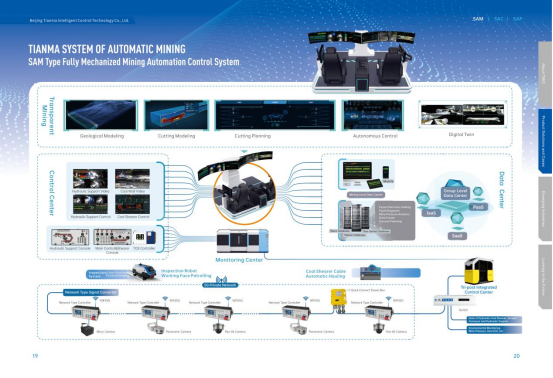

Comprehensive Mining Automation Control System
Beijing Tianma Intelligent Control Technology Co., Ltd.

Automatic Aiming Laser Remote Obstacle Removal Robot
Pinggao Group Weihai High-Voltage Apparatus Co., Ltd.



G.652.D Wavelength-extended Non-dispersion Shifted Single-mode Optical Fiber
HONGAN GROUP CO., LTD.
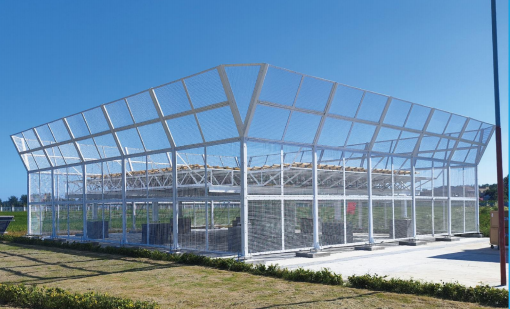
TWP16 P-Band Tropospheric Wind Profile Radar
China Huayun Meteorological Technology Group Co., Ltd.
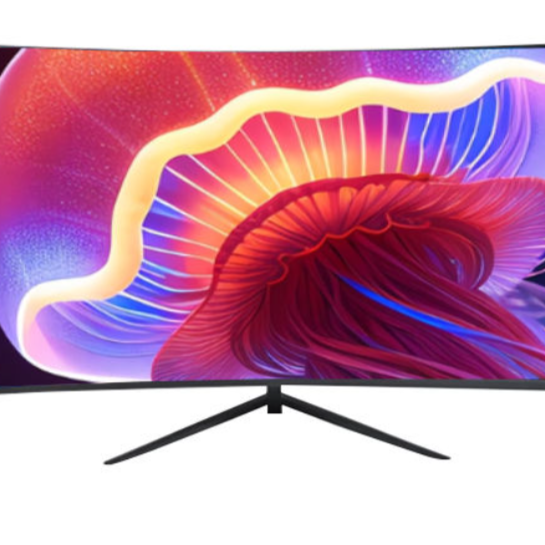
20 Inch 1600*900 Full HD 60Hz TFT LED Monitor with VGA and DP Interfaces for Desktop Computers-Business Use
Guangzhou Zanying Optoelectronics Technology Co., Ltd.
MUX Series Communication Interface Device for Security and Stability Control System
Nanjing NR Electric Co., Ltd.